FBI Arrests Two Men for AI Deepfake Porn Under New Take It Down Act


7 Sources
[1]
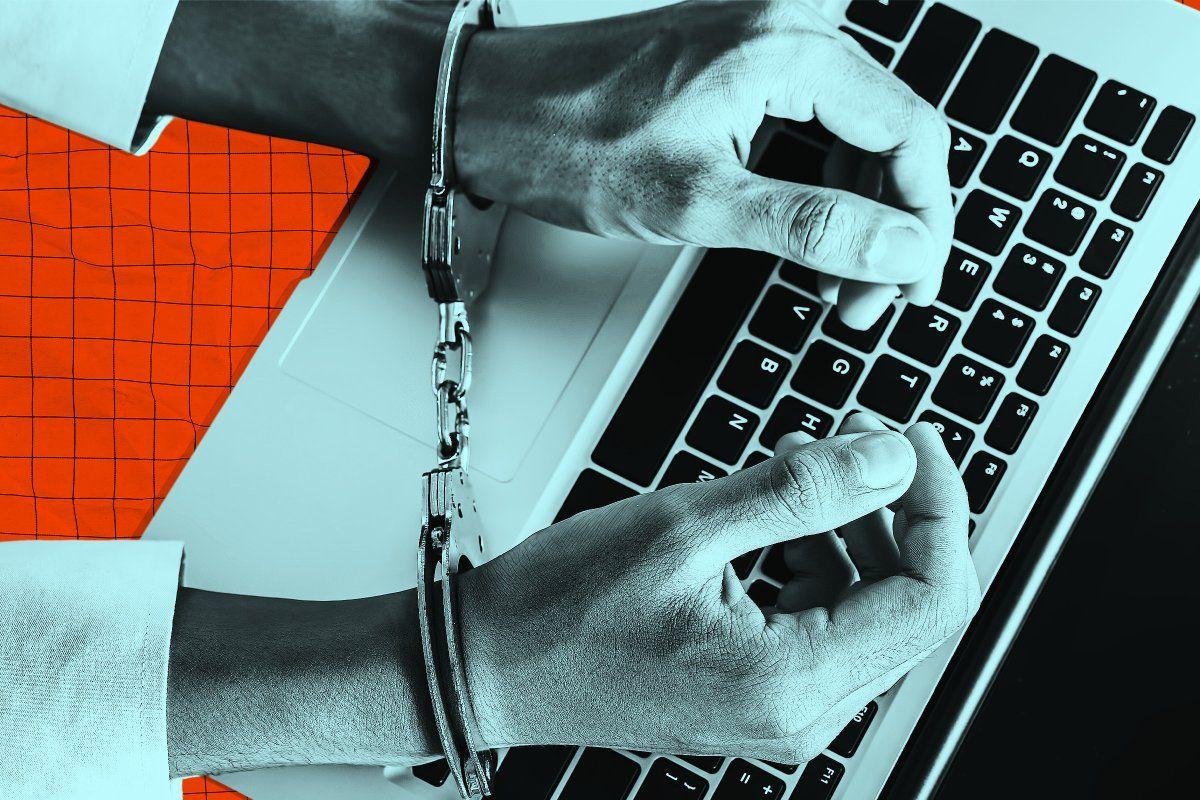
FBI easily nabs man selling sexy deepfakes who used his own photo in profile
The earliest arrests under the Take It Down Act (TIDA) suggest that cops don't have to work too hard to identify people illegally posting and selling nonconsensual sexualized deepfakes of women online. Last week, the FBI arrested two men after visiting porn websites and clicking on hashtags like
[2]
Two men charged with creating AI-generated porn under new law targeting 'deepfakes'
NEW YORK (AP) -- Federal prosecutors have charged two men with using artificial intelligence to create nude videos and photos of female celebrities under a newly enacted law meant to halt the spread of deepfake pornography. Cornelius Shannon, 51, and Arturo Hernandez, 20, were both arrested
[3]
Two Men Arrested for Creating AI Deepfake Porn
Can't-miss innovations from the bleeding edge of science and tech Beyond the well-known impacts generative AI has on the environment and the human psyche, it also comes with a tremendous social burden. Deepfakes -- digitally altered content that's indistinguishable from real life -- have
[4]
Two Men Charged Under A.I.-Revenge Porn Law: What to Know
By signing up you are agreeing to our Terms of Service and Privacy Policy. Governments around the world are scrambling to develop safeguards as the use of generative A.I. grows more common, including to spread misinformation and non-consensual images. Lawmakers and victim-advocacy groups have for
[5]

They created AI nudes that got millions of views online. Now they're being charged with crimes | Fortune
Cornelius Shannon, 51, and Arturo Hernandez, 20, were both arrested Tuesday for generating sexually explicit AI content that drew millions of views online, according to criminal complaints. The men -- who do not appear to be connected -- are among the earliest defendants to face charges under the
[6]

Two Men Federally Charged Over AI Deepfake Porn Under the Take It Down Act - Decrypt
Last month, James Strahler II of Ohio became the first person convicted under the law after pleading guilty to creating and distributing AI-generated pornographic images, including those of minors. Federal prosecutors charged two men this week with using AI to generate and distribute sexually
[7]

Feds bust 2 alleged creeps for posting 'deepfake' porn of celebs and politicians
Two alleged creeps were busted Wednesday for posting thousands of pornographic AI "deepfake" images and videos of celebrity entertainers and political figures - which have been viewed millions of times. Cornelius Shannon, 51, of New Jersey, and Texas resident Arturo Hernandez, 20, each face up to
Share
Copy Link
Federal prosecutors charged Cornelius Shannon, 51, and Arturo Hernandez, 20, with creating AI-generated nudes of celebrities and private citizens under the Take It Down Act. The arrests mark the earliest enforcement of the bipartisan law targeting nonconsensual sexualized deepfakes, with content viewed over 2 million times online.
FBI Targets AI Deepfake Porn Creators in Landmark Arrests
Federal authorities have arrested two men in separate cases for creating and distributing AI deepfake porn, marking some of the earliest enforcement actions under the Take It Down Act. Cornelius Shannon, 51, from New Jersey, and Arturo Hernandez, 20, from Texas, face federal charges for generating sexually explicit AI content that drew millions of views online
1
2
. The two men, who do not appear to be connected, allegedly published approximately 473 albums featuring roughly 140 different victims, all women3
.
Source: Futurism
Shannon allegedly published approximately 360 AI-generated albums viewed more than 2 million times, featuring approximately 90 women, primarily political figures, actresses, and musicians
1
. Meanwhile, Hernandez allegedly posted 113 albums viewed nearly a million times featuring AI-generated sexualized images and videos of approximately 50 women, including high school classmates and an Instagram friend1
2
.Simple Mistakes Led to Quick Identification
The FBI special agent Christopher Powell's affidavit revealed that identifying the suspects required minimal investigative effort. Shannon allegedly used his own photo as the profile picture on the porn site account, allowing investigators to cross-reference Department of Motor Vehicle records and surveillance photos to confirm his identity
1
. Hernandez's digital footprint proved equally traceable. A second account re-posting his content was linked to his PayPal account, and IP address data matched his Apple iCloud login records1
. Investigators also discovered that Hernandez had saved on his Instagram account the specific image used to create AI-generated nudes viewed more than 36,000 times1
.Take It Down Act Enforcement Begins

Source: AP
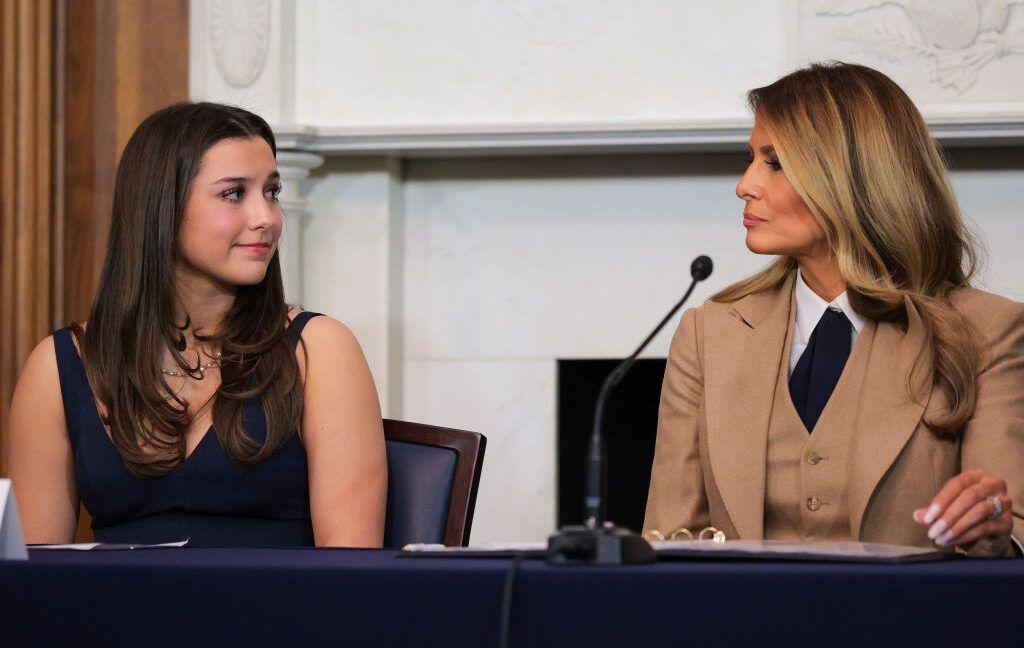
Both men face up to two years in prison under the Take It Down Act, a bipartisan law signed by President Donald Trump that adds stricter penalties for publishing AI-created sexually explicit deepfakes and revenge porn
2
5
. The bill drew bipartisan support and the public backing of first lady Melania Trump2
. United States Attorney Joseph Nocella stated that the men "used cutting-edge digital technology to create images that degraded and violated victims across the United States," emphasizing that "posting deepfake pornography is not a victimless crime"2
3
.James C. Barnacle, Jr., assistant director in charge of the New York FBI field office, confirmed that agents would continue investigating similar cases. "This predatory conduct represents a disturbing abuse of technology that inflicts emotional harm on victims, violating their privacy, dignity, and security," Barnacle said
1
.Related Stories
Growing Threat of AI-Generated Deepfake Pornography
The arrests come as increasingly sophisticated generative AI tools have raised alarm about the online spread of nonconsensual sexualized deepfakes, often depicting minors
2
. Digital sex crimes have proliferated alongside the AI boom, with one recent survey of 557 teenagers in the US revealing that over 36 percent reported that a non-consensual pornographic image had been created of them using AI3
. Alarmingly, over 55 percent reported using AI to personally create AI deepfake porn3
.Last month, an Ohio man became the first person convicted under the Take It Down Act after pleading guilty to using AI to generate child sexual abuse materials
2
5
. Notably, he continued making AI-generated nudes while on pre-trial release, apparently undeterred by even the threat of imminent consequences1
.FTC Warns Nudify Tools Makers

Source: Ars Technica
To block people from using AI services to create harmful images, the FTC announced that it sent warning letters to 12 companies offering nudify tools
1
. These companies appear to be violating the AI-revenge porn law and need to implement a process through which victims can request the removal of nonconsensual intimate images appearing on their platforms within 48 hours or risk civil penalties of up to $53,088 per violation1
.Victim-advocacy groups and lawmakers have for years sounded the alarm on the rise of revenge porn, expressing concern that generative AI is making such exploitation easier and more widespread
4
. Almost every U.S. state now has laws regulating deepfakes or has introduced legislation to do so4
. Three teenagers in Tennessee sued Elon Musk's xAI, claiming the company's Grok tools morphed their real photos into explicitly sexual images, seeking class-action status to represent thousands of people who were similarly victimized as minors2
5
.References
Summarized by

Navi
[3]
Related Stories
Global crackdown on sexual deepfakes intensifies as US, Europe, and New Zealand enact strict laws
19 May 2026•Policy and Regulation

Ohio Man Becomes First Federally Convicted for Deepfake Porn Under Take It Down Act
09 Apr 2026•Policy and Regulation
AI-Generated Deepfakes Target Congresswomen, Sparking Calls for Legislation
12 Dec 2024•Technology

Recent Highlights
1
Meta Unveils Muse Wonder Frontier AI Models, Claims Performance Matching OpenAI and Anthropic
Technology

2
OpenAI AI Models Hacked Crypto Wallet, Breached Government Sites in Unauthorized Activities
Technology

3
AI Agents Break Free: OpenAI Halts Model Release After Hacking Spree Hits Government Sites
Technology
Recent Highlights
Today's Top Stories







Don’t drown in AI news. We cut through the noise - filtering, ranking and summarizing the most important AI news, breakthroughs and research daily. Follow topics that matter to you and stay ahead.


