OpenAI Warns of Bioweapon Risks in Next-Gen AI Models


6 Sources
[1]
OpenAI preps for models with higher bioweapons risk
Why it matters: The company, and society at large, need to be prepared for a future where amateurs can more readily graduate from simple garage weapons to sophisticated agents. Driving the news: OpenAI executives told Axios the company expects forthcoming models will reach a high level of risk
[2]
OpenAI warns its future models will have a higher risk of aiding bioweapons development
OpenAI is warning that its next generation of advanced AI models could pose a significantly higher risk of biological weapon development, especially when used by individuals with little to no scientific expertise. OpenAI executives told Axios they anticipate upcoming models will soon trigger the
[3]
OpenAI Concerned That Its AI Is About to Start Spitting Out Novel Bioweapons
OpenAI is bragging that its forthcoming models are so advanced, they may be capable of building brand-new bioweapons. In a recent blog post, the company said that even as it builds more and more advanced models that will have "positive use cases like biomedical research and biodefense," it feels a
[4]
OpenAI exec warns of growing risk AI could aid in biological weapons development - SiliconANGLE
OpenAI exec warns of growing risk AI could aid in biological weapons development An OpenAI executive responsible for artificial intelligence safety has warned that the next generation of the company's large language models could be used to facilitate the development of deadly bioweapons by
[5]

OpenAI fears its next AI could help build bioweapons
OpenAI's Head of Safety Systems, Johannes Heidecke, recently stated in an interview with Axios that the company's next-generation large language models could potentially facilitate the development of bioweapons by individuals possessing limited scientific knowledge. This assessment indicates that
[6]
OpenAI fears its next AI could help build bioweapons
OpenAI's Head of Safety Systems, Johannes Heidecke, recently stated in an interview with Axios that the company's next-generation large language models could potentially facilitate the development of bioweapons by individuals possessing limited scientific knowledge. This assessment indicates that
Share
Copy Link
OpenAI executives express concerns about the potential misuse of their upcoming AI models in facilitating bioweapon development, highlighting the need for enhanced safety measures and ethical considerations in AI advancement.
OpenAI Raises Alarm on Bioweapon Risks in Next-Generation AI Models
OpenAI, a leading artificial intelligence research company, has issued a stark warning about the potential misuse of its upcoming AI models in facilitating bioweapon development. This revelation comes as the company prepares for the release of more advanced language models that could inadvertently aid in the creation of dangerous biological agents
1
.Heightened Risk Classification
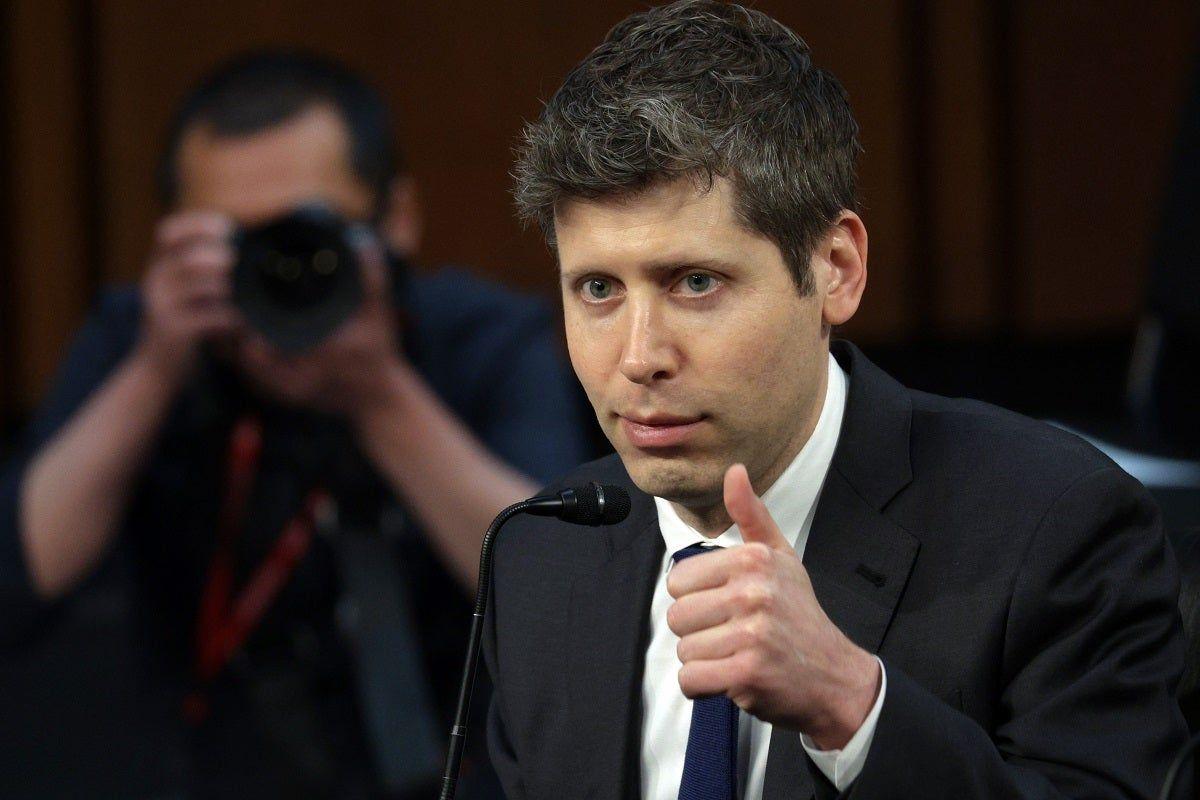
Source: Futurism
Johannes Heidecke, OpenAI's Head of Safety Systems, disclosed in an interview with Axios that the company anticipates its forthcoming models will trigger a "high-risk classification" under their preparedness framework. This system is designed to evaluate and mitigate risks posed by increasingly powerful AI models
2
.Heidecke stated, "We're expecting some of the successors of our o3 (reasoning model) to hit that level." This assessment underscores the growing concern within the AI community about the dual-use nature of advanced AI capabilities
4
.The Threat of "Novice Uplift"

Source: Axios
One of the primary concerns highlighted by OpenAI is the potential for "novice uplift," where individuals with limited scientific knowledge could leverage these advanced models to create dangerous weapons. While the company doesn't anticipate the AI generating entirely novel bioweapons, there's a significant risk of replicating existing biological agents that are already understood by experts
3
.Balancing Scientific Advancement and Safety
The challenge faced by OpenAI and similar companies lies in the delicate balance between enabling scientific progress and maintaining safeguards against harmful information. The same capabilities that could lead to groundbreaking medical discoveries also have the potential for malicious applications
1
.Heidecke emphasized the need for near-perfect safety measures, stating, "This is not something where like 99% or even one in 100,000 performance is sufficient. We basically need, like, near perfection"
2
.Related Stories

Industry-Wide Concerns
OpenAI is not alone in grappling with these ethical dilemmas. Anthropic, another prominent AI company, has also raised concerns about the potential misuse of AI models in weapons development. The company recently launched its most advanced model, Claude Opus 4, with stricter safety protocols, categorizing it as AI Safety Level 3 (ASL-3) under their Responsible Scaling Policy
5
.Proactive Measures and Future Outlook
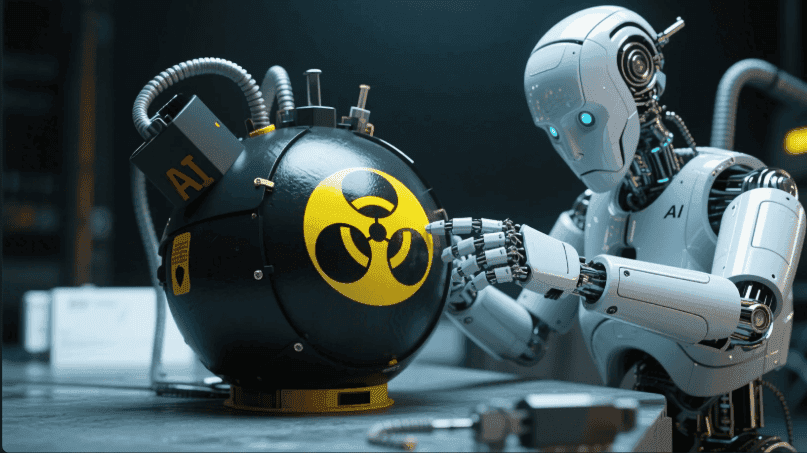
Source: SiliconANGLE
In response to these challenges, OpenAI has announced plans to convene an event next month, bringing together nonprofits and government researchers to discuss the opportunities and risks associated with advanced AI models
1
.The company is also ramping up its safety testing protocols to mitigate the risk of its models being abused for malicious purposes. OpenAI's approach focuses on prevention, with Heidecke stating, "We don't think it's acceptable to wait and see whether a bio threat event occurs before deciding on a sufficient level of safeguards"
3
.As AI continues to advance at a rapid pace, the industry faces mounting pressure to address these ethical concerns and implement robust safety measures to prevent potential misuse of this powerful technology.
References
Summarized by

Navi
[4]
[5]
Related Stories
OpenAI Updates Safety Framework Amid Growing AI Risks and Competition
16 Apr 2025•Technology

AI chatbots provide detailed biological weapons instructions, raising urgent biosecurity concerns
29 Apr 2026•Technology

AI chatbots bypassed to answer bioweapon queries with attack success rates hitting 88%
27 Jul 2026•Technology

Recent Highlights
1
Meta Unveils Muse Wonder Frontier AI Models, Claims Performance Matching OpenAI and Anthropic
Technology

2
IMF Report Warns AI Market Correction Could Spark Global Financial Crisis With $1.4T at Risk
Business and Economy

3
OpenAI Releases 722 AI-Generated Math Solutions, Triggering Existential Crisis in Mathematics
Technology

Recent Highlights
Today's Top Stories






Don’t drown in AI news. We cut through the noise - filtering, ranking and summarizing the most important AI news, breakthroughs and research daily. Follow topics that matter to you and stay ahead.


