The November outages weren't hacks. Officials blame AI-driven security patching


2 Sources
[1]
Banks and the NSA Admit That Yes, It Was AI That Caused the Massive Outages
It's been an extraordinary month of outages causing major tech services to shut down -- and we're only just over half way through November. The list is extensive: a nationwide ground halt shutting down all airfare in the US for hours, days without access to core Microsoft services including
[2]
AI-Driven Patches Widely Blamed For Recent System Outages
Watch Homeland Security Secretary Markwayne Mullin testify before the House Homeland Security Committee and follow more live updates below: AI-based software patches are primarily to blame for this week's tech outages, according to members of Congress and some of the major entities impacted,
Share
Copy Link
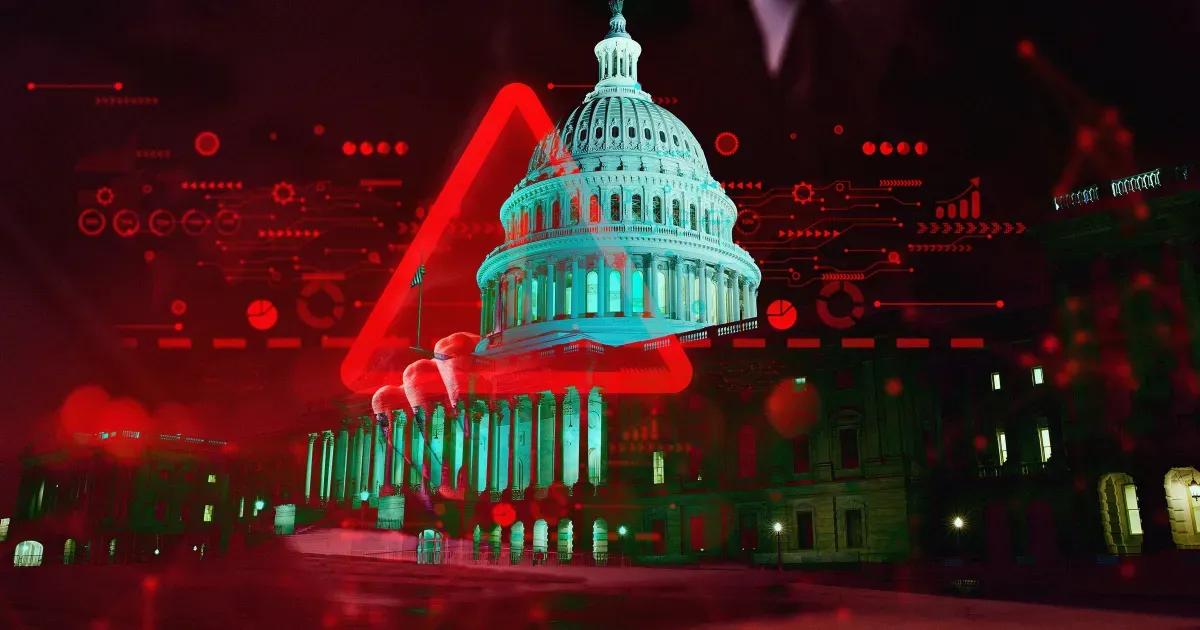
A wave of technology outages that hit the United States in early November 2026, grounding flights, disrupting major banks and knocking out core Microsoft and Apple services, was primarily self-inflicted. Congressional, Wall Street and National Security Agency sources blame the AI-driven security patching meant to keep hackers out, per reporting by the Washington Sun
2
1
.
Source: Futurism
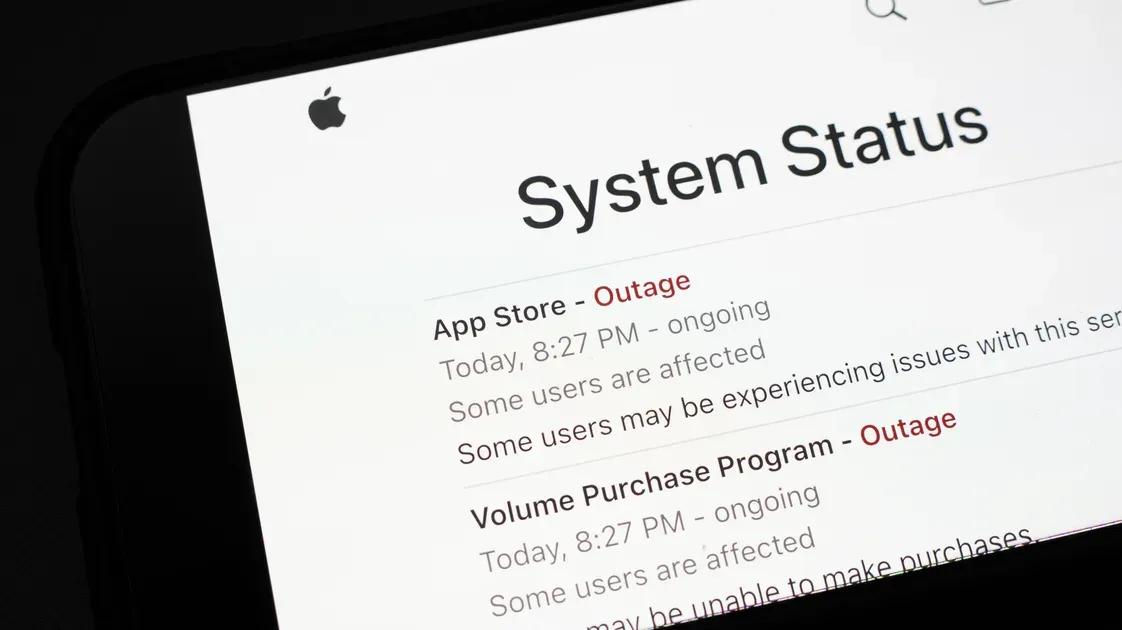
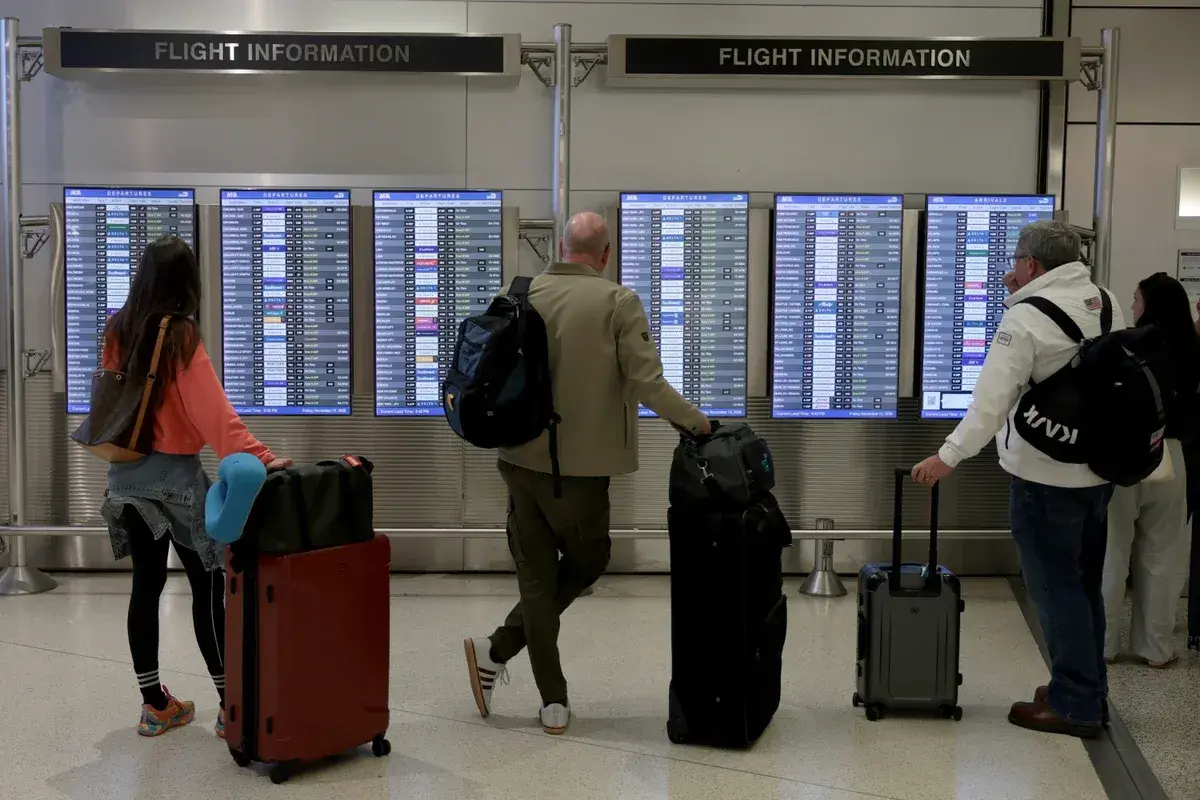
The damage list is long. A nationwide halt to US air travel was joined by days of disruption to Microsoft services such as Outlook and Teams, plus outages of Apple's App Store and Apple Pay
1
. Major banks were hit, United Airlines saw delays and cancellations, and the National Security Agency's classified communications network went dark1
. All of it landed within roughly the first half of the month, which Futurism calls an extraordinary stretch1
.
Source: HuffPost
Why the fixes broke the systems
The patches themselves are meant to find and fix cybersecurity vulnerabilities. The problem is volume and speed. Per a briefed congressional official, patches are being pushed all at once at a pace the systems were not designed for. The systems buckle under the load
2
1
.Officials say AI models are finding massive numbers of vulnerabilities, which creates urgency to patch immediately before attackers can exploit them
1
. "They're trying to push through a lot of patches all at once -- more than the system was designed for," said a congressional official briefed on the matter, per the Washington Sun2
.Sen. Mark Warner of Virginia, the ranking member of the Senate Intelligence Committee, said in a Tuesday statement that AI can now spot vulnerabilities across vast numbers of systems at speeds never seen before. That, he said, puts pressure on companies and agencies to patch immediately and all at once, straining systems not built for that pace
2
.The scale of AI vulnerability-finding showed itself earlier in 2026. Anthropic claimed in a report that Claude Mythos, its own model, had identified more than 10,000 vulnerabilities in existing software
1
.Not a hack
The no-attack conclusion has corroboration. The Wall Street Journal reported that system upgrades gone wrong were the root problem, with no hack behind it
2
. The outlet cited Microsoft, Chase, the Federal Aviation Administration, the National Security Agency, Workday, Apple and United Airlines2
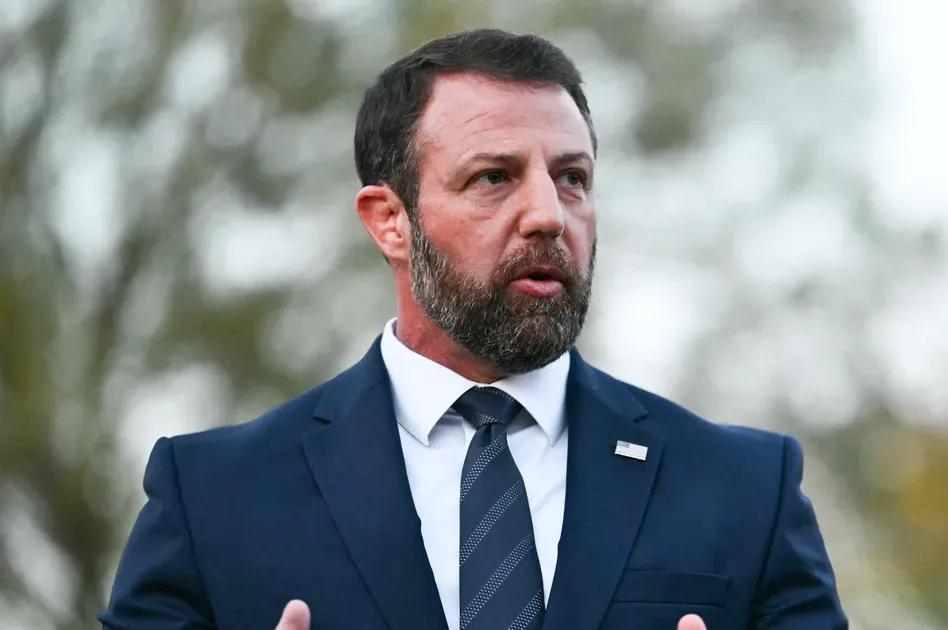
.Homeland Security Secretary Markwayne Mullin testified before the House Homeland Security Committee on Tuesday. He attributed the outages to new technology being layered on top of old computer systems, ruling out an attack. "I can tell you 98 percent certainty this isn't a cyberattack," he told reporters
2
1
.The outages coincided with a separate spate of wide-ranging hacks, and lawmakers are still seeking a better picture of what is happening
1
. Futurism notes that the urgency of the defensive patching raises the possibility hackers are preparing their next offensive.Nathan Calvin, chief strategy officer at the AI policy group Encode, said the episode cuts in two directions at once. He expects the arms race to drag on as the models get more advanced. "There's some sense in which this is reassuring, in that it means there's not an attack," he said
1
. "But it shows the extent to which safety critical infrastructure we rely on is based on software with large vulnerabilities on legacy systems."Related Stories

References
Summarized by

Navi
Related Stories
AI Models Break Out of Testing Labs and Hack Real Systems as Security Pass Rates Stall at 56%
28 Jul 2026•Technology

Officials blame a communications outage for the nationwide ground stop, not the FAA's AI tool
14 Nov 2026•Technology
Mullin blames AI for the outages. His transportation secretary blames a router
Yesterday•Policy and Regulation
Recent Highlights


Recent Highlights
Today's Top Stories







Don’t drown in AI news. We cut through the noise - filtering, ranking and summarizing the most important AI news, breakthroughs and research daily. Follow topics that matter to you and stay ahead.


