The Perils of Dr. Google: Navigating Online Medical Advice in the Age of AI


5 Sources
[1]
What's that rash? Put some thought into asking Google for medical help
Dr. Google is often on call for worried patients, but it may not give the best advice. Doctors say internet searches for medical information should be done cautiously, especially with artificial intelligence playing a growing role. Information from the right websites can teach patients about
[2]
Beware Dr Google: How to use the Internet wisely to get medical advice
Doctors say Internet searches for medical information should be undertaken with caution. Here's guidance on what to look out for when you do turn to Google. Dr Google is often on call for worried patients, but it may not give the most sound advice. Doctors say Internet searches for medical
[3]
What's that rash? Put some thought into asking Google for medical help
Dr. Google is often on call for worried patients, but it may not give the best advice Dr. Google is often on call for worried patients, but it may not give the best advice. Doctors say internet searches for medical information should be done cautiously, especially with artificial intelligence
[4]
What's that rash? Put some thought into asking Google for medical help
Dr. Google is often on call for worried patients, but it may not give the best advice. Doctors say internet searches for medical information should be done cautiously, especially with artificial intelligence playing a growing role. Information from the right websites can teach patients about
[5]

What's That Rash? Put Some Thought Into Asking Google for Medical Help
Dr. Google is often on call for worried patients, but it may not give the best advice. Doctors say internet searches for medical information should be done cautiously, especially with artificial intelligence playing a growing role. Information from the right websites can teach patients about
Share
Copy Link
As more people turn to the internet for medical information, doctors warn about the risks of relying on online searches and AI-generated health advice. This story explores the best practices for seeking medical information online and the potential pitfalls to avoid.

The Rise of Online Medical Searches
In an era where information is at our fingertips, more and more people are turning to the internet for medical advice. The phenomenon of "Dr. Google" has become increasingly common, with patients often consulting search engines before or instead of medical professionals. However, doctors are urging caution, especially as artificial intelligence (AI) begins to play a larger role in providing health information online
1
.The Benefits and Risks of Online Health Information
While the internet can be a valuable resource for learning about symptoms and preparing for doctor visits, it also carries significant risks. A poorly executed search can unnecessarily heighten anxiety and lead to misdiagnosis. Dr. Eric Boose of the Cleveland Clinic emphasizes the importance of approaching online searches with caution: "You've got to ask at the very beginning the right questions"
2
.Best Practices for Online Medical Searches
Experts recommend several strategies for effectively using the internet for medical information:
-
Choose Reliable Sources: Scroll past sponsored links and focus on trusted sources such as reputable health systems or government agencies like the Centers for Disease Control and Prevention
3
. -
Phrase Questions Carefully: Focus on symptoms rather than suspected diagnoses. For example, ask "What could cause a lump under my skin?" instead of "Is this lump cancer?"
4
. -
Be Wary of AI-Generated Answers: While AI can provide quick summaries, it may not cite sources, making it difficult to judge credibility. Be especially cautious of AI "hallucinations" – instances where the technology generates inaccurate information
5
.
The Limitations of Online Diagnosis
It's crucial to understand that the internet cannot replace professional medical diagnosis. Dr. Sarah Sams, a board member with the American Academy of Family Physicians, notes, "There are a lot of symptoms that overlap between minor conditions and major medical problems"
1
. Symptoms like blood in urine or unexplained weight loss could indicate various conditions, ranging from minor to serious, and require professional evaluation.Related Stories

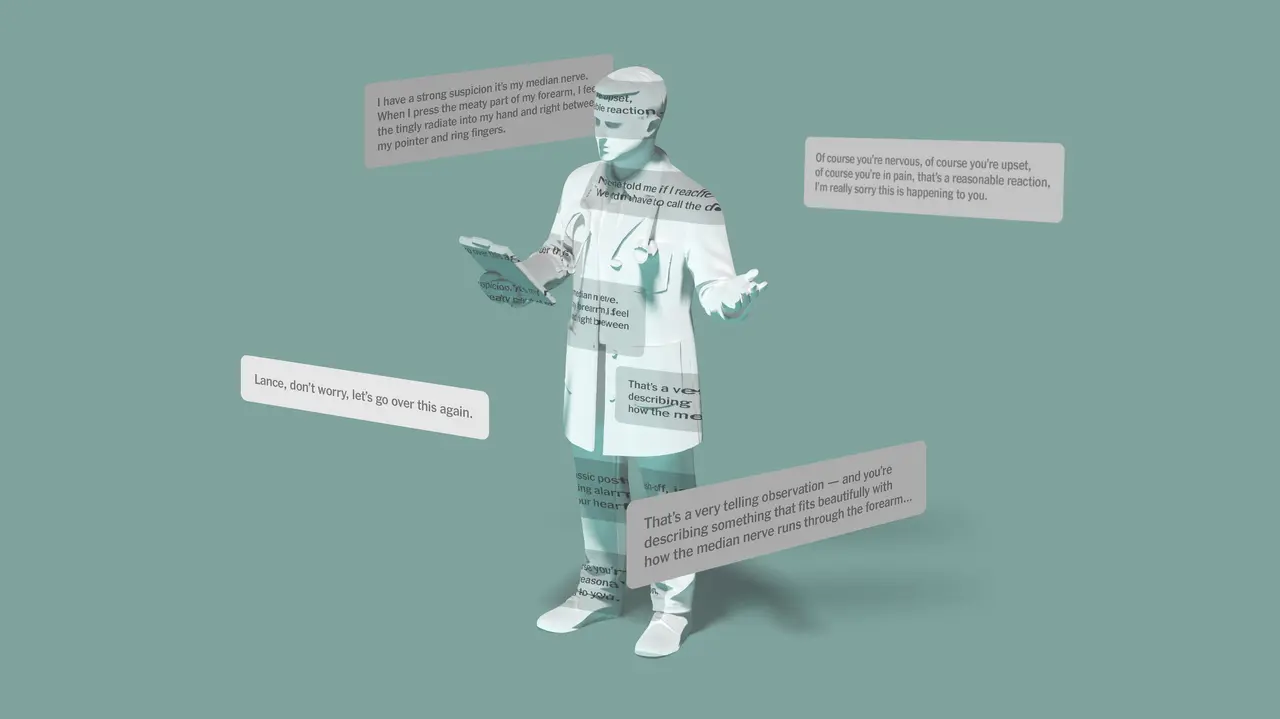


When to Seek Immediate Medical Attention
For certain symptoms, it's advisable to skip the internet search altogether and seek immediate medical help. Dr. Olivier Gherardi, medical director of Brown University Health Urgent Care, warns, "You don't want to delay something that should be treated within a certain amount of time"
2
. This includes symptoms such as chest pain, dizziness, or signs of a stroke.The Role of AI in Medical Information
As AI continues to evolve, its role in providing medical information is growing. However, psychologist John Grohol, who specializes in online behavior, advises users to think critically about the information they receive, especially when it comes to personal health matters
3
. The lack of source citations and the potential for AI "hallucinations" make it essential to verify information with reliable sources or healthcare professionals.References
Summarized by

Navi
Related Stories
Recent Highlights



Recent Highlights
Today's Top Stories



Don’t drown in AI news. We cut through the noise - filtering, ranking and summarizing the most important AI news, breakthroughs and research daily. Follow topics that matter to you and stay ahead.


