The Rise of Deepfake Scams: How AI Is Fueling Celebrity Impersonation Fraud


2 Sources
[1]
The rise of deepfake scams -- and how not to fall for one
Would you act on an apparent stock tip from Martin Wolf, the FT's veteran chief economics commentator? His expert analysis features in many legitimate financial videos published on the FT's social media accounts, but scammers have generated a spate of convincing deepfake video images on Instagram
[2]
The Guide #189: Your new celebrity best friend? It's just a deepfake trying to con you
In this week's newsletter: AI impostors are charming fans out of fortunes - here's how TV's Scam Interceptors catch the criminals This week's newsletter is written by Nick Stapleton and Mark Lewis, presenter and producer respectively on BBC's Scam Interceptors. If you haven't seen Scam
Share
Copy Link
Deepfake technology, powered by AI, is enabling scammers to create convincing celebrity impersonations for fraudulent schemes. This trend is raising concerns about online safety and the need for improved detection methods.

The Emergence of Deepfake Scams
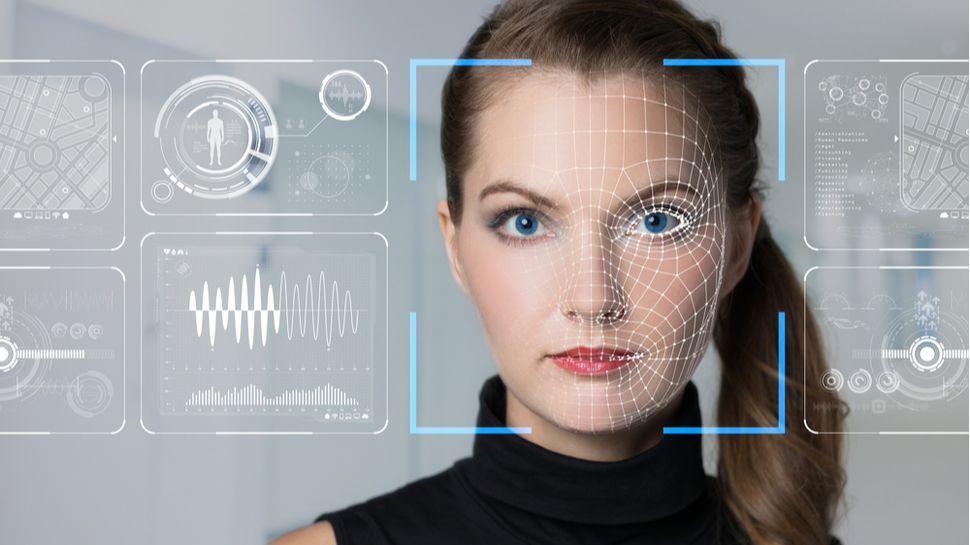
Deepfake scams, leveraging artificial intelligence to create convincing fake videos of celebrities and public figures, are on the rise. These scams exploit the trust people place in familiar faces to perpetrate fraud. In a recent incident, fake videos of Martin Wolf, the Financial Times' chief economics commentator, were used to promote fraudulent investment schemes on Instagram
1
.The Technology Behind Deepfakes
The rapid advancement of generative AI has made the creation of synthetic videos and imagery more accessible, cheaper, and easier for scammers to use. This technology allows for the production of highly convincing content that can fool unsuspecting viewers. Nick Stapleton, presenter of BBC's Scam Interceptors, notes that many social media users are unaware of AI's capabilities in creating impersonation videos
1
.Celebrity Impersonations and Financial Losses
Deepfake scams have targeted a wide range of celebrities, including Taylor Swift, Elon Musk, and Martin Lewis. These fake videos have been used to promote various fraudulent schemes, from kitchenware to cryptocurrency investments. In one case, a British man lost £76,000 to a deepfake scam featuring Martin Lewis
1
.Corporate Vulnerabilities
The threat extends beyond celebrity impersonations. Fraud experts warn that deepfakes are increasingly being used in corporate settings to impersonate senior staff members. In a notable case, UK engineering firm Arup lost $25 million when a staff member was deceived by a digitally cloned CFO during a video conference call
1
.Social Media Platforms' Response
While social media platforms like Meta claim to use facial recognition to identify and remove fake ads, the effectiveness of these measures is questioned. Martin Wolf criticized Meta's inability to automatically identify and remove such frauds despite its vast resources
1
.Related Stories



Regulatory Measures
The UK's new Online Safety Act requires tech companies to set performance targets for removing illegal material quickly and to test algorithms that make illegal content harder to disseminate
1
.How to Spot a Deepfake
Experts suggest several ways to identify deepfake videos:
- Observe mouth movements: Check if they match the spoken words.
- Examine skin texture: Look for unnaturally smooth or flat skin.
- Watch the eyes: Notice if blinking patterns are unnatural.
- Listen to voice tone: AI-generated voices often lack emotional range
1
2
.
Real-World Impact
The BBC's Scam Interceptors team investigated these scams firsthand, infiltrating online groups where scammers operate. They found numerous instances of celebrity impersonation, including a convincing Reese Witherspoon deepfake. The scammers' tactics involve building a relationship over time, using AI-generated videos to gain trust
2
.As AI technology continues to advance, the ability to distinguish between real and fake content becomes increasingly crucial. Experts emphasize the importance of active engagement with online content and maintaining a critical eye when interacting with celebrity accounts or investment opportunities on social media platforms.
References
Summarized by

Navi
Related Stories
Recent Highlights
1
Meta Unveils Muse Wonder Frontier AI Models, Claims Performance Matching OpenAI and Anthropic
Technology

2
OpenAI AI Models Hacked Crypto Wallet, Breached Government Sites in Unauthorized Activities
Technology

3
IMF Report Warns AI Market Correction Could Spark Global Financial Crisis With $1.4T at Risk
Business and Economy

Recent Highlights
Today's Top Stories









Don’t drown in AI news. We cut through the noise - filtering, ranking and summarizing the most important AI news, breakthroughs and research daily. Follow topics that matter to you and stay ahead.


