Deepfake Scams on the Rise: Elon Musk Impersonations Lead to Billions in Fraud Losses

2 Sources
[1]
Deepfakes of Elon Musk contribute to billions in fraud losses in the U.S.
EULESS - She first saw the ad on Facebook. And then again on TikTok. After seeing what appeared to be Elon Musk offering an investment opportunity over and over again, Heidi Swan figured it had to be true. "Looked just like Elon Musk, sounded just like Elon Musk and I thought it was him," said
[2]
Deepfakes of Elon Musk are contributing to billions of dollars in fraud losses in the U.S.
She first saw the ad on Facebook. And then again on TikTok. After seeing what appeared to be Elon Musk offering an investment opportunity over and over again, Heidi Swan figured it had to be true. "Looked just like Elon Musk, sounded just like Elon Musk and I thought it was him," said Swan. She
Share
Copy Link
AI-generated deepfakes, particularly those impersonating Elon Musk, are contributing to a surge in fraud cases, with losses expected to reach $40 billion by 2027. As detection tools struggle to keep pace, experts warn of the growing threat to unsuspecting victims.

The Rise of Deepfake Scams
Artificial Intelligence (AI) technology is being exploited by scammers to create increasingly convincing deepfakes, leading to a surge in fraud cases. One recent victim, Heidi Swan, a 62-year-old healthcare worker, lost over $10,000 to a scam featuring a deepfake of Elon Musk promoting a cryptocurrency investment opportunity
1
2
.The Scale of the Problem
According to Deloitte, a leading financial research group, AI-generated content contributed to more than $12 billion in fraud losses last year. This figure is projected to reach a staggering $40 billion in the U.S. by 2027
1
2
. Both the Federal Trade Commission and the Better Business Bureau have issued warnings about the rising threat of deepfake scams1
2
.Celebrity Impersonations and Elon Musk
A study by AI firm Sensity found that Elon Musk is the most frequently impersonated celebrity in deepfake scams. His wealth, entrepreneurial status, and the abundance of his online content make him an ideal target for scammers
1
2
. The more content available online, the easier it becomes to create convincing deepfakes.The Technology Behind Deepfakes
Professor Christopher Meerdo from the University of North Texas demonstrated how scammers can manipulate real videos using AI tools to replace a person's voice and mouth movements. The process of creating a deepfake has become increasingly accessible, requiring only a single still image and a video recording
1
2
.Detecting Deepfakes
As the technology improves, identifying deepfakes by eye is becoming more challenging. While some may exhibit unnatural lip movements or odd body language, others are highly convincing. In response, several websites have emerged claiming to detect deepfakes
1
2
.Related Stories
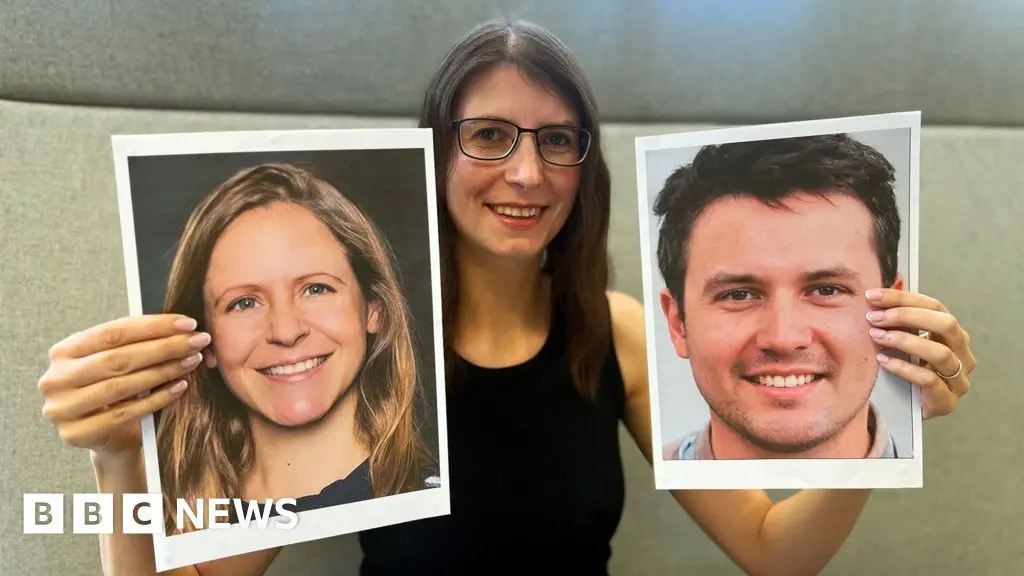
Testing Deepfake Detection Tools
The CBS News Texas I-Team conducted an unscientific test of five deepfake detection websites: Deepware, Attestiv, DeepFake-O-Meter, Sensity, and Deepfake Detector. Using three known deepfake videos and three authentic ones, the tools correctly identified the videos nearly 75% of the time
1
2
.Limitations of Detection Tools
-
Deepware: Achieved a 70% detection rate, considered good for the industry. However, it struggled with shorter video clips
1
2
. -
Deepfake Detector: Boasts a 92% accuracy rate but can be affected by background noise or music
1
2
. -
Attestiv: Experienced false positives triggered by graphics and edits in authentic videos
1
2
. -
DeepFake-O-Meter: Misidentified two real videos as having a high probability of being AI-generated
1
2
.
The Road Ahead
As deepfake technology continues to evolve, the battle between creators and detectors intensifies. While detection tools are not perfect, experts like Nicos Vekiarides, CEO of Attestiv, argue that they are a necessary part of the solution. As deepfakes become harder to spot with the naked eye, these tools can serve as a first line of defense, prompting users to scrutinize suspicious content more closely
1
2
.References
Summarized by

Navi
Related Stories
The Rise of Deepfake Scams: How AI Is Fueling Celebrity Impersonation Fraud
03 May 2025•Technology
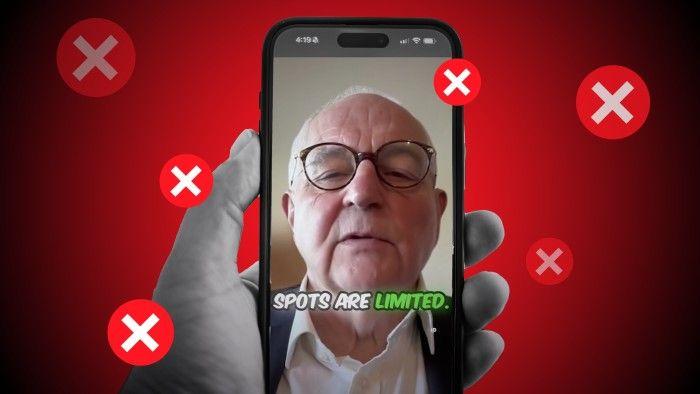
The Rise of AI Deepfakes: A Growing Threat to National Security and Business
28 Jul 2025•Technology

Tech Firms Battle Deepfake Deluge: The Rise of AI-Powered Scams and Detection Tools
19 Mar 2025•Technology

Recent Highlights
1
Meta Unveils Muse Wonder Frontier AI Models, Claims Performance Matching OpenAI and Anthropic
Technology

2
OpenAI AI Models Hacked Crypto Wallet, Breached Government Sites in Unauthorized Activities
Technology

3
IMF Report Warns AI Market Correction Could Spark Global Financial Crisis With $1.4T at Risk
Business and Economy

Recent Highlights
Today's Top Stories









Don’t drown in AI news. We cut through the noise - filtering, ranking and summarizing the most important AI news, breakthroughs and research daily. Follow topics that matter to you and stay ahead.


