Vibe Coding: The AI-Powered Revolution in Software Development


3 Sources
[1]
What is vibe coding, exactly?
When OpenAI cofounder Andrej Karpathy excitedly took to X back in February to post about his new hobby, he probably had no idea he was about to coin a phrase that encapsulated an entire movement steadily gaining momentum across the world. "There's a new kind of coding I call 'vibe coding', where
[2]
Vibe Coding War Gets Ugly | AIM Media House
Vibe coding is now mainstream, with several tools shaping up the space. There's Lovable, Bolt, Windsurf, Cursor, Replit, and Google's newly launched Firebase Studio -- but figuring out which one is right for you remains a challenge. The good news? You don't need to be a professional developer to
[3]
Kids in Schools Are Skipping Lunch to Vibe Code | AIM Media House
Vibe coding isn't for the Gen Z developers anymore -- it's a playground viral trend. Kids are getting in on the action and catching the vibe-code fever like their grown-up counterparts. Recently, Lovable founder Anton Osika shared a post on X that said, "Kids might actually be better at using
Share
Copy Link
Vibe coding, a new AI-assisted approach to software development, is gaining momentum among developers and even children. This trend is reshaping how code is written and learned, with implications for education and the future of programming.

The Rise of Vibe Coding
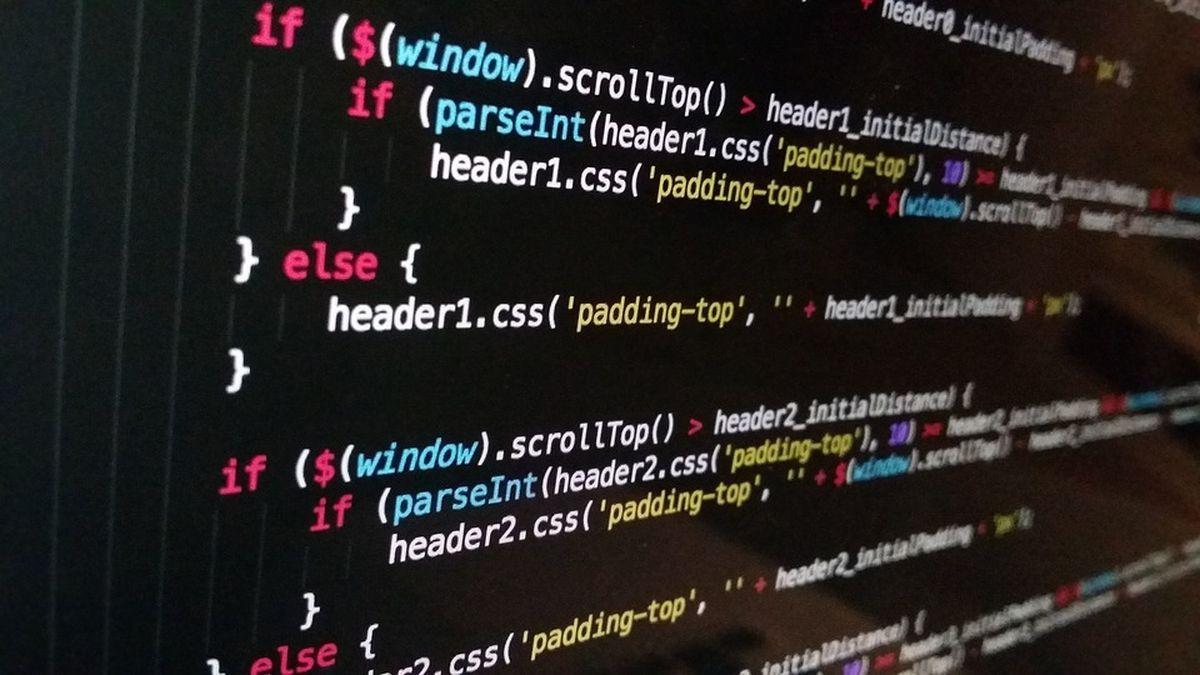
Vibe coding, a term coined by OpenAI cofounder Andrej Karpathy, has quickly become a buzzword in the software development world. This new approach to coding involves "fully giving in to the vibes, embracing exponentials, and forgetting that the code even exists"
1
. It's a method where developers rely heavily on AI assistance, allowing the AI to take control of the coding process.AI-Powered Coding Assistants
The concept of vibe coding has been made possible by the advent of specialized AI coding assistants. Tools like Cursor's Chat (previously Composer), GitHub Copilot, and others have revolutionized the coding experience
1
. These assistants can predict what developers are trying to achieve and offer intuitive suggestions, making it easier than ever to create software, even for those with little to no coding experience.The Vibe Coding Ecosystem
Several tools are shaping the vibe coding space, each with its unique features:
-
Cursor: Known for its 'Tab Tab Tab' feature, Cursor offers natural language code generation and a codebase-aware chatbot
2
. -
Replit: Provides an end-to-end development experience, handling both development and deployment environments
2
. -
Lovable: Designed for non-technical users, it turns ideas into full-stack web apps using a no-code/low-code approach
2
. -
Windsurf: A fork of VS Code with enhanced AI capabilities, including the Cascade feature that acts as a collaborative partner
2
. -
Google Firebase Studio: A newcomer that integrates AI-powered development with Firebase's ecosystem
2
.
Related Stories


Impact on Education and Young Learners
Vibe coding is not just for professional developers; it's making waves in education as well. Children as young as 8-12 years old are engaging with vibe coding tools, creating games and user interfaces with enthusiasm
3
. This trend is sparking debates about how coding should be taught in schools and when AI tools should be introduced into the curriculum.Challenges and Considerations
While vibe coding offers exciting possibilities, it also raises concerns:
-
Critical thinking: There's a need to balance AI assistance with encouraging problem-solving skills
3
. -
Cybersecurity: As more people create software through vibe coding, there's an increased need for education on data privacy and security
3
. -
Foundational knowledge: While vibe coding simplifies the process, understanding core programming concepts remains important
3
.
As vibe coding continues to evolve, it's clear that it's not just a passing trend but a significant shift in how we approach software development. From professional developers to young students, this AI-powered revolution is reshaping the landscape of coding and software creation.
References
Summarized by

Navi
[1]
Related Stories
Recent Highlights



Recent Highlights
Today's Top Stories







Don’t drown in AI news. We cut through the noise - filtering, ranking and summarizing the most important AI news, breakthroughs and research daily. Follow topics that matter to you and stay ahead.


