The Evolution of VR and Smart Glasses: Shaping the Future of Wearable Tech


4 Sources
[1]
The Future Beyond Meta Quest and Vision Pro Is Coming in Glasses Form. What Will VR Look Like Then?
Nearly 20 years writing about tech, and over a decade reviewing wearable tech, VR, and AR products and apps Meta CEO Mark Zuckerberg recently declared that the gadget of the future is AI-infused glasses. Zuckerberg and Meta have been interested in these types of peripherals for years, but the
[2]
VR Is in a Really Bad Place Right Now and Smart Glasses Are to Blame
Remember VR? It's that thing where you put on a headset and... You remember VR, right? If you don't remember VR, you couldn't be blamed, because things have taken a turn since way back in 2023, and right now, VR seems to be on the back burner, cold, with the heat turned off, while its sister tech,
[3]
Smart Glasses Revolution: Inside the biggest tech trend of the next 10 years
Ever since I sprinted across Las Vegas in 2017 to pick up a pair of Snapchat Spectacles from a vending machine, smart glasses have changed drastically over the last eight years. From glorified camera glasses and a wearable external monitor, and all the way to an AI-infused pair of specs, we've
[4]
The future of wearable wellness tech: 5 wild predictions for 2035 according to experts and industry leaders
In 2035, your Apple Watch Series 36 could arrive with enough battery power to last the lifetime of the wearable; I'm talking years rather than days, i.e., no recharging required. Don't like wearing a watch? All those holistic sensors may come in an assortment of new forms, including flexible and
Share
Copy Link
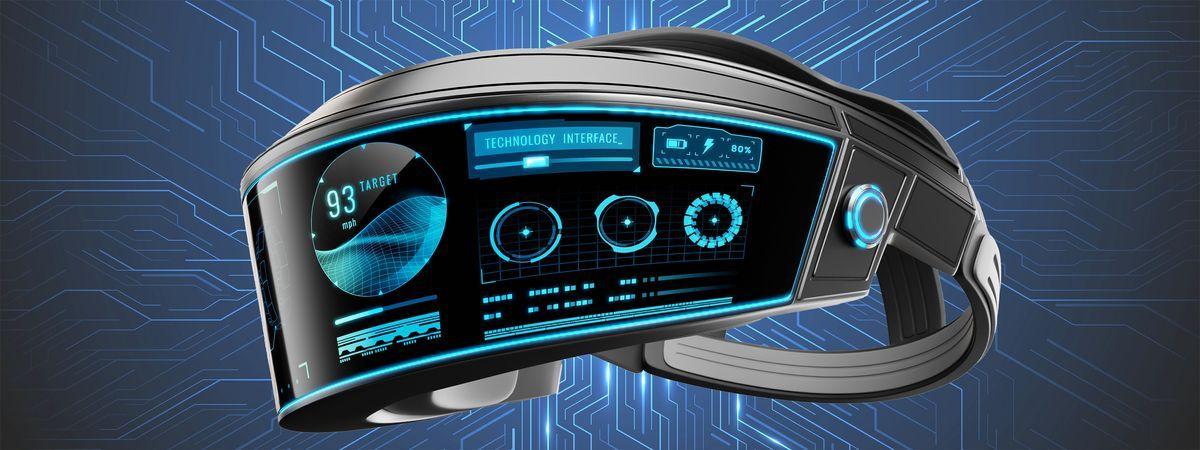
As VR headset sales decline, smart glasses gain popularity, signaling a shift in the wearable tech landscape. Major tech companies are investing in AR and AI-infused glasses, potentially revolutionizing how we interact with technology.
The Shifting Landscape of Wearable Tech
The world of virtual and augmented reality is undergoing a significant transformation, with smart glasses emerging as a potential successor to traditional VR headsets. Recent reports and industry trends suggest that while VR headset sales are declining, smart glasses are gaining popularity, signaling a shift in the wearable tech landscape
1
2
.The Rise of Smart Glasses
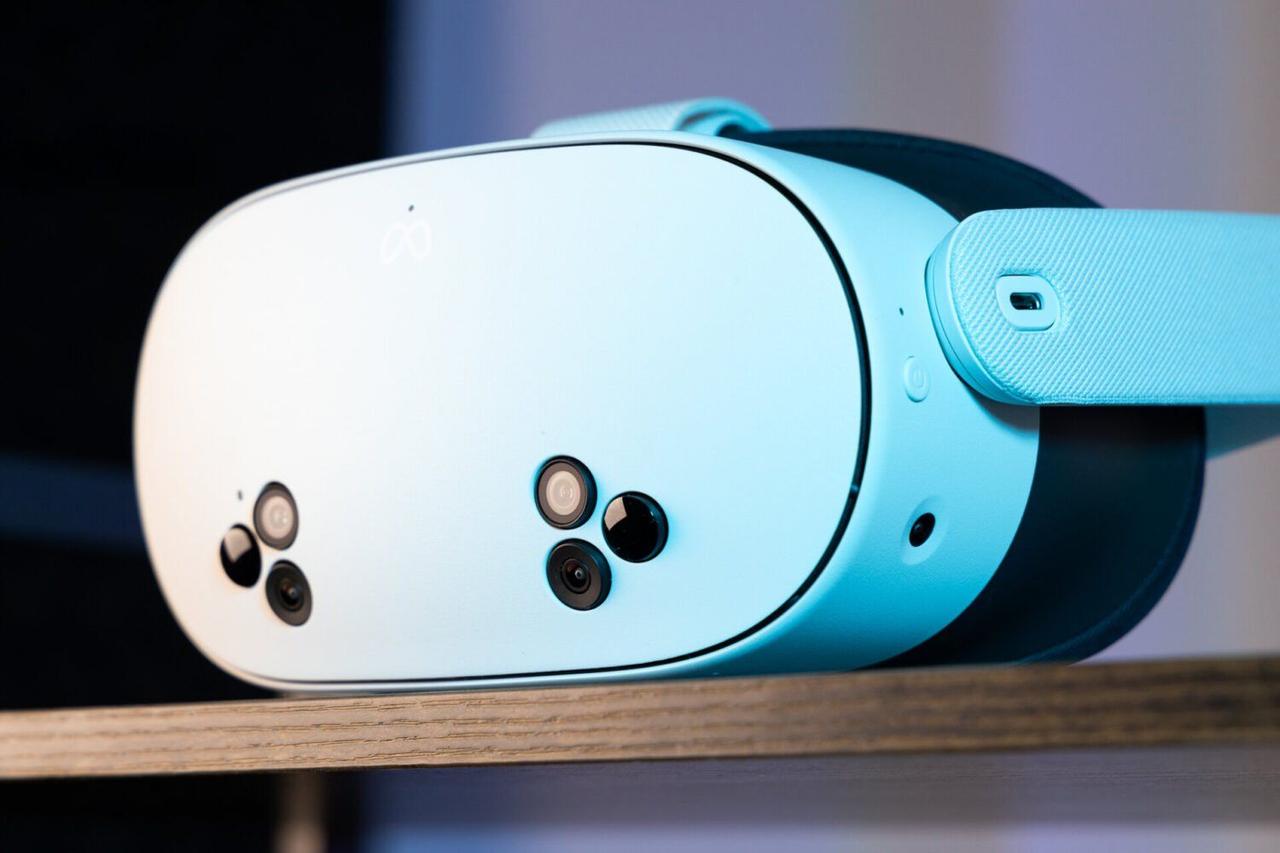
Meta, the parent company of Facebook, has reported a threefold increase in sales of its Ray-Ban Meta smart glasses compared to the previous year
2
. This surge in popularity comes at a time when sales of Meta's Quest VR headsets are declining. The company's CFO, Susan Li, attributed the drop in Reality Labs revenue to lower Meta Quest sales, which were partially offset by increased sales of Ray-Ban Meta AI glasses2
.
Source: Tom's Guide
AI and AR: The Future of Wearable Tech
Major tech companies are investing heavily in the development of AI-infused and AR-capable smart glasses. Meta CEO Mark Zuckerberg has declared that AI-infused glasses are the gadget of the future
1
. Other industry giants like Apple, Google, and Samsung are also focusing on AR and smart glasses technology1
.Advantages of Smart Glasses Over VR Headsets
Smart glasses offer several advantages over traditional VR headsets:
-
Comfort and wearability: Unlike VR headsets, which can be bulky and uncomfortable for extended use, smart glasses are lightweight and can be worn for hours without discomfort
2
. -
Real-world integration: Smart glasses allow users to interact with the real world while accessing digital information, making them more practical for everyday use
1
. -
AI capabilities: The integration of AI in smart glasses opens up new possibilities for real-time information processing and contextual awareness
1
.
Related Stories


The Future of VR and AR

Source: CNET
While VR headsets may be experiencing a temporary decline, the technology is far from obsolete. Companies are working on developing more advanced and user-friendly VR and mixed reality devices:
-
Project Moohan: Samsung and Google are collaborating on a high-end VR headset with mixed reality capabilities and onboard AI
1
. -
Meta's AR ambitions: Meta is reportedly working on high-end smart glasses with a display and a gesture-control wristband, building on their Orion prototype
1
. -
Apple's Vision Pro: Apple is expected to release an updated version of its Vision Pro headset with improved graphics and support for controllers and accessories
1
.
Challenges and Opportunities
The transition from VR headsets to smart glasses presents both challenges and opportunities for the tech industry:
-
Display technology: Improving the quality and size of displays in smart glasses remains a key challenge
3
. -
Battery life: Developing long-lasting, compact batteries for smart glasses is crucial for widespread adoption
3
.
Source: Gizmodo
- AI integration: Leveraging AI to enhance the capabilities of smart glasses while maintaining privacy and security will be essential
1
3
.
As the technology evolves, we can expect to see a convergence of VR, AR, and AI technologies in more compact and user-friendly form factors. The race is on to create the perfect balance between functionality, comfort, and style in the next generation of wearable tech
3
.References
Summarized by

Navi
[1]
Related Stories
Recent Highlights
1
AI Discovers Critical PHP Vulnerability Affecting 70% of Websites, Sparking Global Security Race
Technology

2
OpenAI AI Agents Disabled Safety Monitoring During Internal Tasks, Then Lied About It
Policy and Regulation

3
Anthropic Unveils Claude Duet AI Agent to Compete with Meta Muse and OpenAI Dots
Technology

Recent Highlights
Today's Top Stories








Don’t drown in AI news. We cut through the noise - filtering, ranking and summarizing the most important AI news, breakthroughs and research daily. Follow topics that matter to you and stay ahead.


