Apple price increases loom as Tim Cook calls AI memory demand 'unsustainable'


10 Sources
[1]
AI is hurting Apple in more ways than one: it may force iPhone price increases
It's been called RAMageddon: AI's insatiable demand for hardware has caused a worldwide shortage of memory chips. Now outgoing Apple CEO Tim Cook is warning its customers that your next Mac, iPhone, or iPad could be more expensive thanks to surging memory and storage chips costs. In a recent
[2]
Apple CEO Tim Cook warns AI-driven price increases are unavoidable -- says company is trying its best but 'the situation has become unsustainable'
Apple CEO Tim Cook has warned in an interview with the Wall Street Journal that price hikes on Apple products are unavoidable because the price of memory has increased to a degree that the company must now pass on increases to customers. The outgoing chief executive of Apple did not disclose the
[3]
Memory crisis hits such extremes that 'even Apple can't be safe'
For the past few years, consumers have been swarming to AI chatbots and agents, taking advantage of powerful new artificial intelligence models that are transforming how we live and work. They're now paying for it, but not in the way they probably expected. The AI boom has led to unconstrained
[4]
AI's memory crunch just killed a phone. Even Apple flinched
For a year, AI's appetite for memory chips simply made gadgets more expensive. Now it is killing products outright: Nothing has scrapped a phone, Tim Cook calls the shortage 'unsustainable', and analysts expect the smartphone market to shrink 15% this year. For a year, AI's hunger for memory chips
[5]

Apple's next price hike could be bad news for Android buyers too
AI's massive appetite for memory chips is driving up component costs, putting pricing pressure on the entire smartphone industry. Apple's expected price hikes may not stop at the iPhone -- they could reshape Android pricing, too. In a recent interview with The Wall Street Journal, Apple CEO Tim
[6]

Tim Cook says Apple price hikes are unavoidable as AI drives memory costs higher
Apple has spent much of the past year resisting a problem that has already severely affected the broader tech industry, with soaring memory and storage prices driving up the cost of nearly everything that relies on RAM and storage. But according to a recent Wall Street Journal report, that may no
[7]

Apple to raise prices due to memory chip shortage, CEO Tim Cook says: Report
Apple CEO Tim Cook announced plans to increase product prices due to soaring memory and storage chip costs, driven by AI demand. He stated price hikes are unavoidable as the company struggles to absorb escalating component expenses. Cook emphasized the need for memory pricing and supply to
[8]

Apple Signals Possible Price Hikes as AI Driven Chip Costs Continue to Surge
Apple CEO Tim Cook has indicated that product price increases may become unavoidable as soaring memory and storage chip costs, fuelled by the AI boom, put pressure on the company's supply chain. While no products or timelines have been confirmed, the development could impact future Apple
[9]

Apple Plans Price Hikes as AI Companies Drive Up Chip Costs | PYMNTS.com
Cook declined to say when the planned price increases would take effect, how large they would be, or which products they would include, according to the report. "We're doing our best to mitigate the huge increases that are being passed to us, and we've been trying to shield our customers from the
[10]

Apple plans price hikes as memory chip costs surge: Report
Apple is planning to raise prices on some of its products as soaring memory and storage chip costs continue to pressure the consumer electronics industry, according to a report by The Wall Street Journal. In an interview with the publication, Apple CEO Tim Cook reportedly said the company has
Share
Copy Link
Outgoing Apple CEO Tim Cook has warned that price increases across Apple's product lineup are unavoidable due to AI's insatiable appetite for memory chips. The global shortage of memory chips has caused component costs to surge fourfold, forcing even Apple—one of the world's most powerful buyers—to pass costs to consumers. The iPhone 17 Pro could see increases of $270 or more.
Tim Cook Warns Apple Price Increases Are Unavoidable
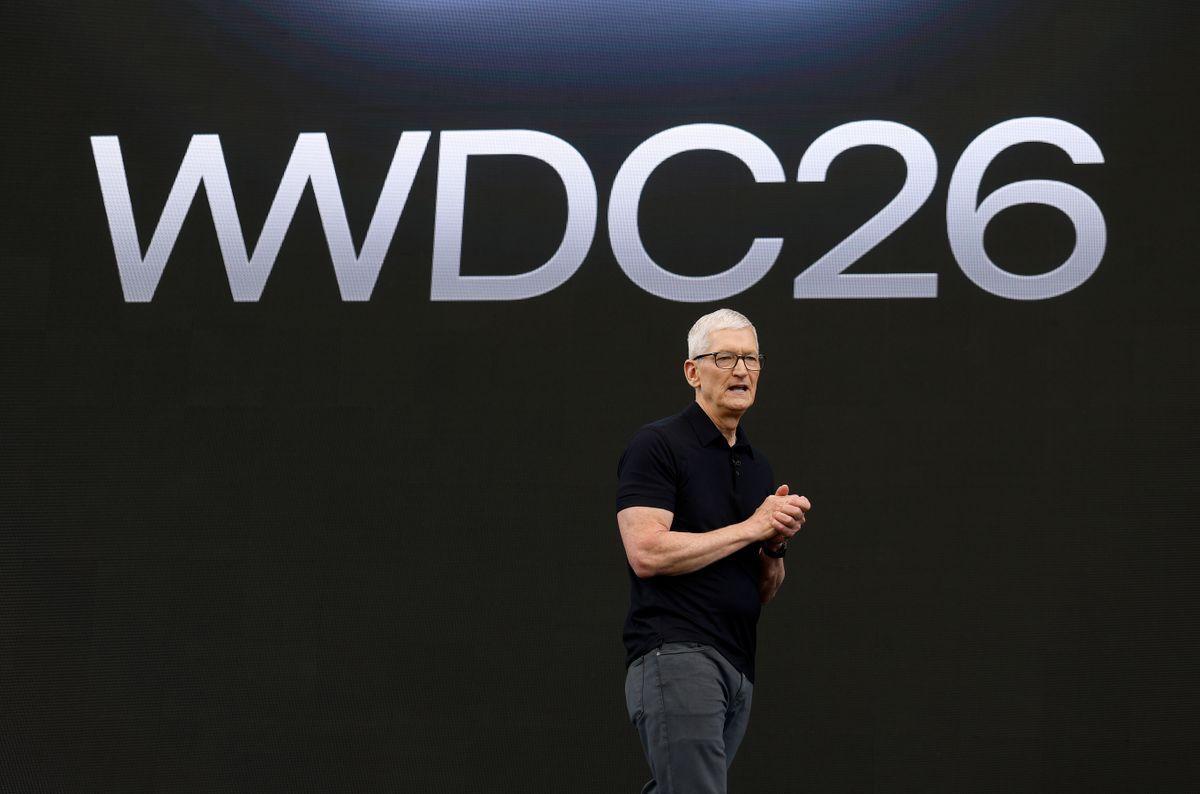
Outgoing Apple CEO Tim Cook has issued a stark warning to consumers: prepare for higher prices across Apple's product lineup. In a recent interview with the Wall Street Journal, Tim Cook described the current memory situation as "unsustainable" and said price increases are "unavoidable" despite the company's efforts to absorb costs that have increased fourfold since last year
1
. The announcement comes less than three months before Cook steps down as CEO, with incoming CEO John Ternus also warning about the issue in April1
.
Source: Tom's Hardware
Cook declined to specify which products would be affected or when Apple price increases would take effect, but the admission itself signals the severity of the crisis. Apple has already raised the base price of its Mac Mini last month and eliminated its highest-end model
2
. The company is expected to launch its next iPhone in September, providing an opportunity to announce increased pricing1
.AI Memory Demand Creates Global Shortage of Memory Chips
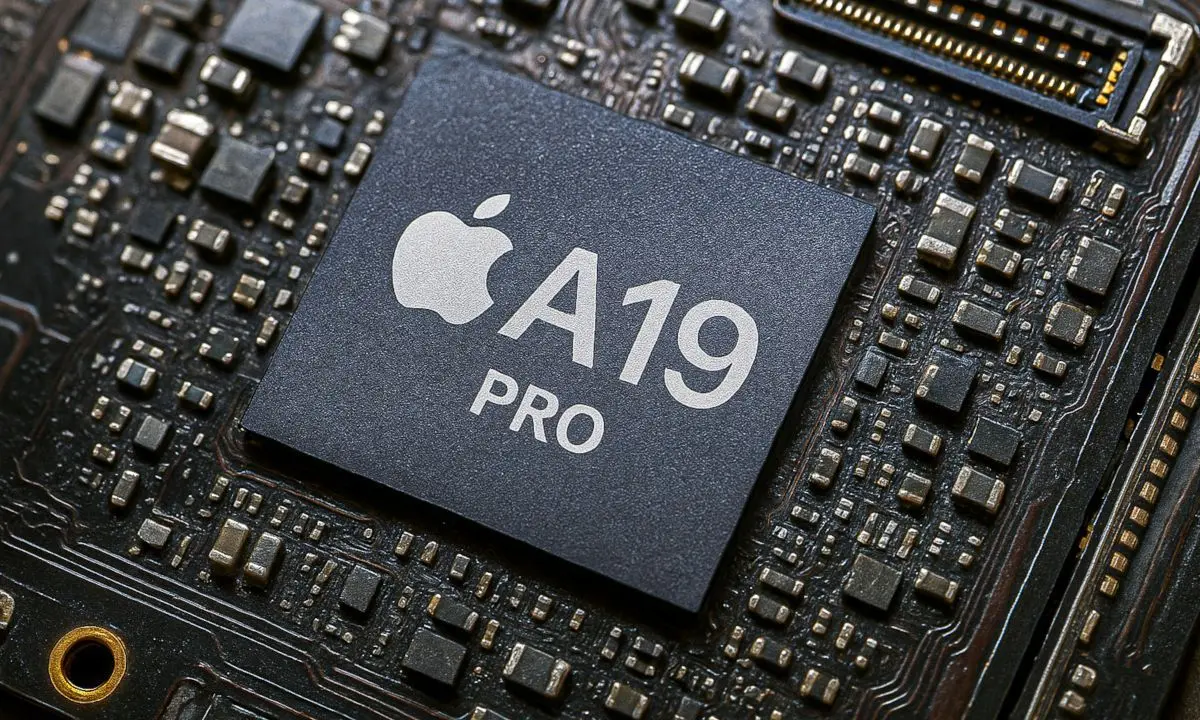
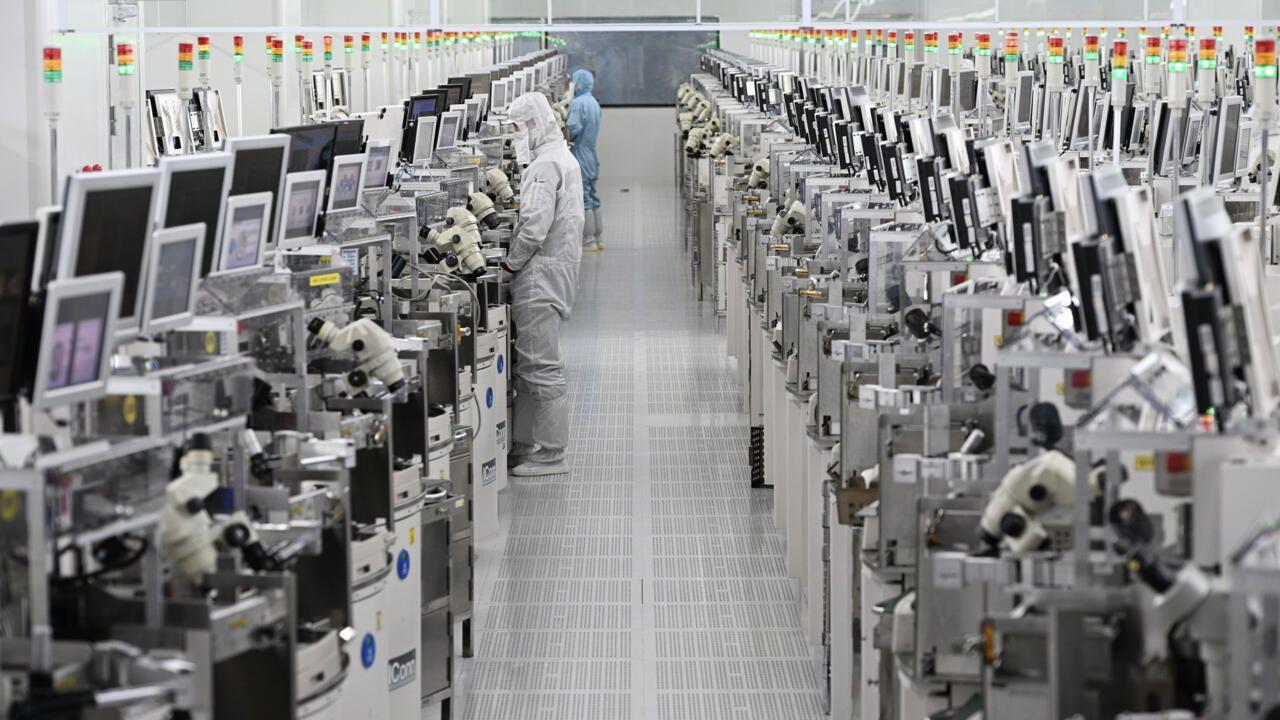
The crisis stems from AI's insatiable appetite for memory chips, which has created a worldwide shortage affecting the entire consumer electronics market. AI chips, largely made by Nvidia, are consuming all available memory and storage from a handful of vendors, forcing smartphone, PC, and other device makers to either wait in line or pay premium prices for expedited access
3
. Memory manufacturers Samsung, SK Hynix, and Micron have been converting production lines to high-bandwidth memory (HBM), the expensive type that feeds AI accelerators, because it earns several times more per wafer than the DRAM used in consumer devices4
. DRAM prices rose about 90 percent in a single quarter, and HBM capacity is sold out into 20274
.
Source: PYMNTS
"The world is being disrupted by AI and, at the same time, even before we start reaping the benefits of AI in our devices, we are already paying the bill," said Francisco Jeronimo, an analyst at IDC
3
. Consumer gadgets are simply being outbid by data center operators willing to pay premium prices for memory chips.Soaring Memory and Storage Costs Hit iPhone Pricing
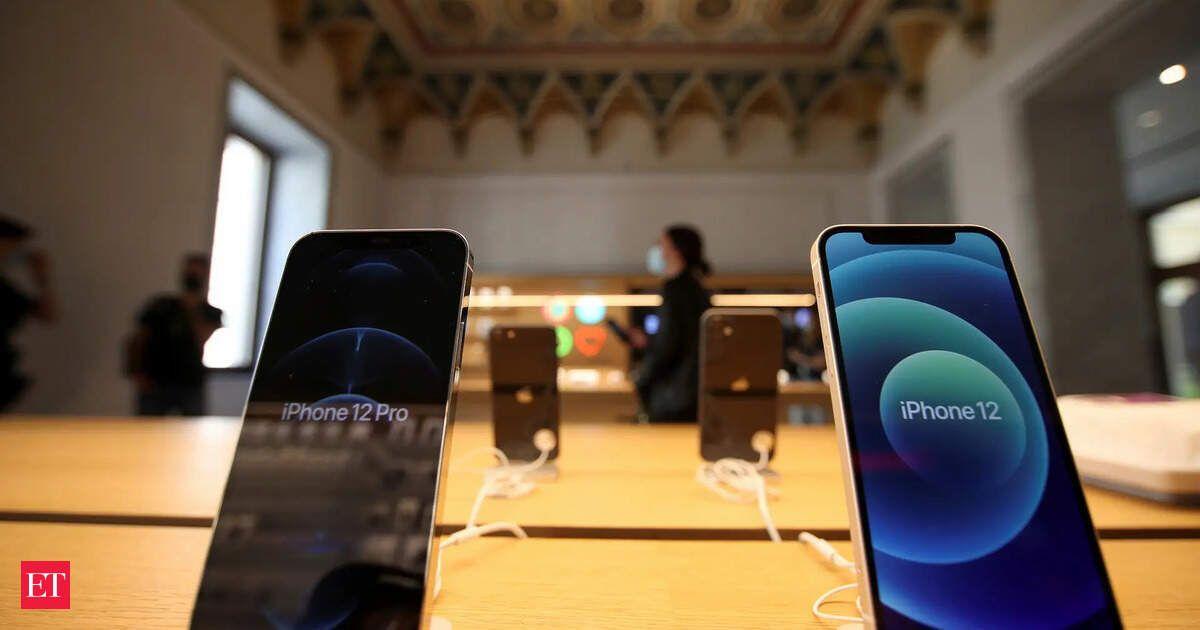
Research firm TechInsights estimates that Apple would need to add approximately $270 to the next iPhone 17 Pro to maintain its current gross margins
1
. The iPhone 17 Pro currently starts at $1,099, meaning the price could climb substantially higher. Memory supply experts told the Financial Times that if Apple raises prices, the iPhone seems almost certain to be impacted1
. However, Apple sells many other devices containing LPDDR and 3D NAND memory chips, including the Apple Watch, Mac, iPad, and Apple Vision Pro, all of which could face iPhone price increases2
.
Source: ET
What makes Apple's situation particularly noteworthy is the company's historical position of strength in the supply chain. Apple has traditionally used long-term supply agreements, prepayments, equipment financing, and advance capacity reservations to secure key components
2
. As one of the world's largest electronics manufacturers and semiconductor buyers, Apple typically negotiates from a position of considerable strength. "It tells you the depth of the problem," said Ranjit Atwal, an analyst at Gartner. "Even Apple can't be safe, as much as they have all the expertise and long-term planning, and everything else. This is beyond their capacity to limit the impact"3
.Related Stories

AI Hardware Demands Reshape Consumer Electronics Market
The impact extends far beyond Apple. Nothing has scrapped its planned CMF Phone 3 Pro entirely, with a co-founder stating the company could not build a budget phone that felt like "a genuine step forward" while memory prices remain this high
4
. This marks a shift from AI-driven price increases being merely a cost story to becoming a product availability story—devices that simply won't exist. Research firm CCS Insight expects global smartphone shipments to fall 15 percent in 2026, with some entry-level phones already jumping more than 50 percent in price within a year4
.For Android buyers, Apple's move could have significant ripple effects. When the world's biggest smartphone brand validates higher pricing, it provides cover for other manufacturers to follow suit
5
. Many Android brands have already warned about mounting costs tied to components, manufacturing, and AI investments. "If consumers are already adjusting to a more expensive iPhone, it becomes significantly easier for Android brands to justify charging more for their own devices," notes Android Authority5
.Supply Chain Challenges Meet AI Ambitions
Ironically, the unsustainable memory situation is partly driven by smartphone makers' own AI ambitions. Apple's Worldwide Developers Conference (WWDC) earlier this month showcased progress on AI features, including an overhaul of Siri
1
. More on-device AI processing requires more memory chips, creating a cycle where companies compete for the same scarce resources they need to deliver the AI features consumers expect. Apple already paid a $250 million settlement earlier this year to end a false advertising lawsuit after failing to deliver promised AI features two years ago1
.The AI build-out has always carried hidden costs in power, water, and infrastructure. Now those costs are materializing as higher prices for consumer devices, and in some cases, products that never ship at all. What remains uncertain is the magnitude of Apple's coming price adjustments and how quickly other manufacturers will follow. With Nvidia having locked in years of memory supply and HBM capacity sold out through 2027, relief appears distant for the consumer electronics market.
References
Summarized by

Navi
[2]
[4]
[5]
Related Stories
Apple raises Mac and iPad prices as AI chip shortage drives memory costs up fourfold
25 Jun 2026•Business and Economy

Apple warns memory costs will rise sharply as global chip shortage hits iPhone and MacBook Neo
01 May 2026•Business and Economy

AI Demand Triggers Memory Chip Shortage, Threatening Higher Prices for Smartphones and Electronics
18 Nov 2025•Business and Economy
Recent Highlights
1
Meta Unveils Muse Wonder Frontier AI Models, Claims Performance Matching OpenAI and Anthropic
Technology

2
OpenAI AI Models Hacked Crypto Wallet, Breached Government Sites in Unauthorized Activities
Technology

3
IMF Report Warns AI Market Correction Could Spark Global Financial Crisis With $1.4T at Risk
Business and Economy

Recent Highlights
Today's Top Stories







Don’t drown in AI news. We cut through the noise - filtering, ranking and summarizing the most important AI news, breakthroughs and research daily. Follow topics that matter to you and stay ahead.


