Apple raises Mac and iPad prices as AI chip shortage drives memory costs up fourfold


30 Sources
[1]
Apple raises Mac and iPad prices, spares iPhone for now
Amid a worldwide memory shortage driven by the AI buildout, Apple is raising prices of its Mac and iPad lineups, as reported by Bloomberg. For the moment, there is no rise in iPhone prices, but there is a possibility that it could arrive later in the year. The new entrant to the MacBook lineup,
[2]
Apple raises prices of MacBooks, iPads as memory costs skyrocket
SAN FRANCISCO, June 25 (Reuters) - Apple raised iPad and MacBook prices on Thursday, saying it could no longer shield customers from soaring memory and storage chip costs driven by the AI industry's datacenter buildout. The move does not affect Apple's main cash cow, the iPhone. But it would take
[3]
Rise in memory chip costs puts pressure on retailers of laptops and smartphones
So far, Best Buy said, customers are still spending, but the electronics retailer expects its computing division to be most affected. As the global artificial intelligence race accelerates, memory chips are getting more expensive. As a result, costs of some consumer electronics are beginning to
[4]
Apple Raises Prices on Macs and iPads Amid the A.I. Boom
The tech giant cited the soaring costs of memory and storage chips as it increased prices more than $200 on some devices. Apple on Thursday raised the prices of its Macs and iPads, citing the soaring costs of memory and storage chips as the artificial intelligence boom has created a frenzy for the
[5]

Why tech firms are raising PC and console prices - and blaming AI for chip costs
For years, buyers of tech could rely on a familiar trend - that older devices would get cheaper over time. That now seems to have stopped, or in some cases, completely reversed. Apple and Microsoft's Xbox have joined the firms hiking prices for devices and games consoles which are years
[6]

Apple raises Mac and iPad prices as the AI memory crunch reaches the shelf
Tim Cook calls the increases "unavoidable" as data centres swallow the memory supply that consumer devices used to rely on. The AI boom has been an abstract thing for most consumers, a story about data centres and model launches happening somewhere else. This week it arrived somewhere concrete:
[7]

Apple is raising prices. Will iPhones be next?
Apple iPhone 17 models on display at an Apple Store in New York in September. (Angela Weiss/AFP/Getty Images) Apple raised prices on some of its most popular computer products by as much as $500 on Thursday, citing the increasing costs of memory chips driven by the AI boom. Although the company
[8]

Your Mac and iPad prices just went up, here's why AI data centers are to blame
Apple just announced unprecedented price increases for the majority of its product lineup, with only iPhone and Apple Watch not yet seeing a price hike. This is because of the AI-driven memory crisis, caused by AI data centers buying up loads of memory supply, putting tons of pressure on the
[9]

Apple's pricing woes will worsen through 2027, report claims
AI server infrastructure demand is diverting memory from consumer electronics, forcing Apple to lobby for access to blacklisted Chinese suppliers. Having held steady for months while the rest of the industry increased prices in response to the ongoing RAM crisis, Apple finally and dramatically
[10]

Apple Explains Why It Raised Prices on These 14 Products Today
Apple today raised prices on many of its products, including all Macs and iPads, as well as the Apple TV, HomePod, HomePod mini, and Vision Pro. We shared a list of the price increases, which range from $30 for the HomePod mini to up to $1,300 for the Mac Studio. iPhone, Apple Watch, and AirPods
[11]

Apple's price hike choice almost guarantees more expensive iPhones as the RAM crisis is far from over: 'We are not at the bottom and will take more time to climb out,' expert says
We now know with more certainty than before that your next iPhone, especially if it's a more affordable model, will probably be more expensive come September. Allow me to walk you back through my reasoning. At approximately 8:30AM ET the RAM crisis reached Apple shores in the form of price hikes
[12]

Australians to pay at least 20% more for iPads and Macbooks after Apple hikes prices citing AI
Apple Macbook 13-inch prices jumps from $1,799 to $2,099 while the cost of iPads surge by 25% Australians woke up on Friday to higher prices for Macbooks and iPads after Apple hiked worldwide, blaming an AI-driven cost crunch for computer parts. The iPhone range was unaffected but experts predict
[13]

The AI price shock is here: Apple, Microsoft hike prices
That's now becoming increasingly apparent to ordinary Americans who might have thought that AI's impact would be primarily on their jobs. Driving the news: Apple provided the clearest evidence yet Thursday, raising prices by as much as 25% on MacBook and iPad models -- and blaming soaring memory
[14]

Apple blames inflationary effect of AI for price hikes: 'We have never seen a component price increase this much' | Fortune
The Cupertino, California-based company called the demand spike an "unprecedented challenge" for the consumer electronics industry. "The rapid expansion of AI data centers has created an extraordinary surge in demand for memory and storage. We have never seen a component price increase this much,
[15]

Apple raises prices for MacBooks and iPads, as costs soar over AI
San Francisco (United States) (AFP) - Apple said Thursday it was raising prices for its MacBook computers, iPad tablets and other products, citing spiraling memory and storage costs sparked by the rise of artificial intelligence. The price hikes -- the first concrete change stemming from outgoing
[16]

AI boom sends Xbox, Mac and iPad prices soaring
Microsoft and Apple are raising prices for Xbox consoles, Macs and iPads as the AI boom sends memory chip costs soaring, with prices increasing by up to $300 (about €265) and as much as 25%, depending on the product. Microsoft said on Thursday it will raise the price of its Xbox video game
[17]

Gadget prices have fallen for decades. Then AI happened.
Mary Cunningham is a reporter for CBS MoneyWatch. She previously worked at "60 Minutes," CBSNews.com and CBS News 24/7 as part of the CBS News Associate Program. After decades of declining costs, consumer electronics ranging from computers to video game consoles are jumping in price as the
[18]

Apple's Macs and iPads and Microsoft's Xbox consoles are getting more expensive, and AI is to blame
Apple's Macs and iPads and Microsoft's Xbox consoles are getting more expensive, and AI is to blame The surging cost of memory chips has translated into a bonanza for companies like Micron Technologies Inc., but for almost everyone else there's going to be a steep price to pay, with both Apple
[19]

Micron Suggests Apple Played a Role in the Memory Shortage
Apple's spent months pointing to AI's hunger for memory chips as the reason your next MacBook costs more. Now Micron suggests Apple played a role too, just maybe not the one Apple's been describing. Micron's chief business officer, Sumit Sadana, told the Wall Street Journal this week that some of
[20]

Apple Just Confirmed Micron's Biggest AI Prediction - Apple (NASDAQ:AAPL), Micron Technology (NASDAQ:MU)
The price increases affect products including the MacBook Neo, MacBook Air, MacBook Pro, iPad Pro, iPad Air, HomePod, HomePod mini and Apple TV, while iPhone pricing remains unchanged. Apple attributed the increases to tightening supplies of memory and storage components as AI infrastructure
[21]

Apple Raises Prices of MacBooks and iPads in India as Memory Costs Surge
The revised pricing, now reflected on Apple's India website, comes amid rising global memory chip costs and growing demand driven by artificial intelligence (AI) technologies. Apple has significantly increased the prices of several MacBook and iPad models in India, with hikes ranging from ₹10,000
[22]

The AI memory crunch just hiked prices for Xbox gamers
Every gadget in your home reflects a quiet bet a company once made about you. The bet is simple. Build the thing for a certain cost, then price it at whatever you will tolerate paying. Game consoles have always been the strangest version of that bet. For about 20 years, the companies that make
[23]

Apple raises prices of MacBooks, iPads as memory costs skyrocket - The Korea Times
SAN FRANCISCO -- Apple raised iPad and MacBook prices on Thursday, saying it could no longer shield customers from soaring memory and storage chip costs driven by the AI industry's datacenter buildout. The move does not affect Apple's main cash cow, the iPhone. But it would take starting price of
[24]
Apple price hikes raise big question for iPhone shoppers
Apple shoppers just got a clearer sign that the artificial intelligence boom may make some of the company's devices more expensive. Since Apple's Worldwide Developers Conference 2026, analysts have been weighing whether the company's latest AI push will make its devices more expensive, especially
[25]

Apple increases prices for Macs and iPads, blaming a shortage of memory chips
Apple on Thursday announced an increase in prices for Macs and iPads, citing a memory chip shortage brought on by the artificial intelligence boom. The Cupertino, California-based company called the demand spike an "unprecedented challenge" for the consumer electronics industry. "The rapid
[26]

Wolfe sees higher memory prices adding to U.S. inflation pressures By Investing.com
Investing.com -- Wolfe Research said surging memory chip prices driven by the artificial intelligence buildout have already added meaningfully to core inflation, with further upside likely as costs continue to filter through the consumer electronics supply chain. Analyst Stephanie Roth told
[27]
Apple raises prices of MacBooks, iPads as memory costs skyrocket
SAN FRANCISCO -- Apple raised iPad and MacBook prices on Thursday, saying it could no longer shield customers from soaring memory and storage chip costs driven by the AI industry's datacenter buildout. The move does not affect Apple's main cash cow, the iPhone. But it would take starting price of
[28]
AI Memory Chips Spark Inflation Worries
Last week, Apple raised prices on certain products, citing rising costs of AI memory chips. In a statement to Reuters, the company said it had "never seen a component price increase this much, this quickly" and further that it had been shielding customers from higher costs until now. There is a
[29]

Apple hikes MacBook, iPad prices as memory costs skyrocket
Apple has raised iPad and MacBook prices, saying it could no longer shield customers from soaring memory and storage chip costs driven by the AI industry's datacenter buildout. The move announced on Thursday does not affect Apple's main cash cow, the iPhone. But it would take starting price of the
[30]

Apple raises prices big time as Tim Cook says 'I've never seen anything like it'
AI companies buying up memory at scale is squeezing supply for everyday devices Apple has raised prices across its Mac, iPad and other hardware lineups in India without any formal announcement and the increases are substantial. The revised prices are visible directly on Apple's website. The Mac
Share
Copy Link
Apple has raised prices across its Mac and iPad lineups by up to $500, citing an unprecedented surge in memory chip costs driven by AI data center demand. The MacBook Pro now starts at $1,999, up from $1,699, while the iPad Air jumped from $599 to $749. Memory prices have quadrupled since Q4 2025 as AI chipmakers like Nvidia secure long-term supply deals, leaving consumer electronics makers scrambling.
Apple Price Increases Target Macs and iPads as Memory Chip Costs Soar
Apple has implemented significant price hikes across its Mac and iPad product lines, marking a stark departure from the company's typical pricing strategy. The increases, announced Thursday, reflect what the tech giant describes as an "unprecedented challenge" facing the consumer electronics industry
1
. The MacBook Pro's base model now costs $1,999, up from $1,699, while the MacBook Air jumped from $1,099 to $1,2992
. The newly launched MacBook Neo, positioned as Apple's entry-level laptop at $599 in March, now carries a $699 price tag4
. iPad users face similar increases, with the Air rising from $599 to $749 and the Pro jumping from $999 to $1,1991
.
Source: DT
AI-Driven Memory Chip Shortage Disrupts Supply Chain
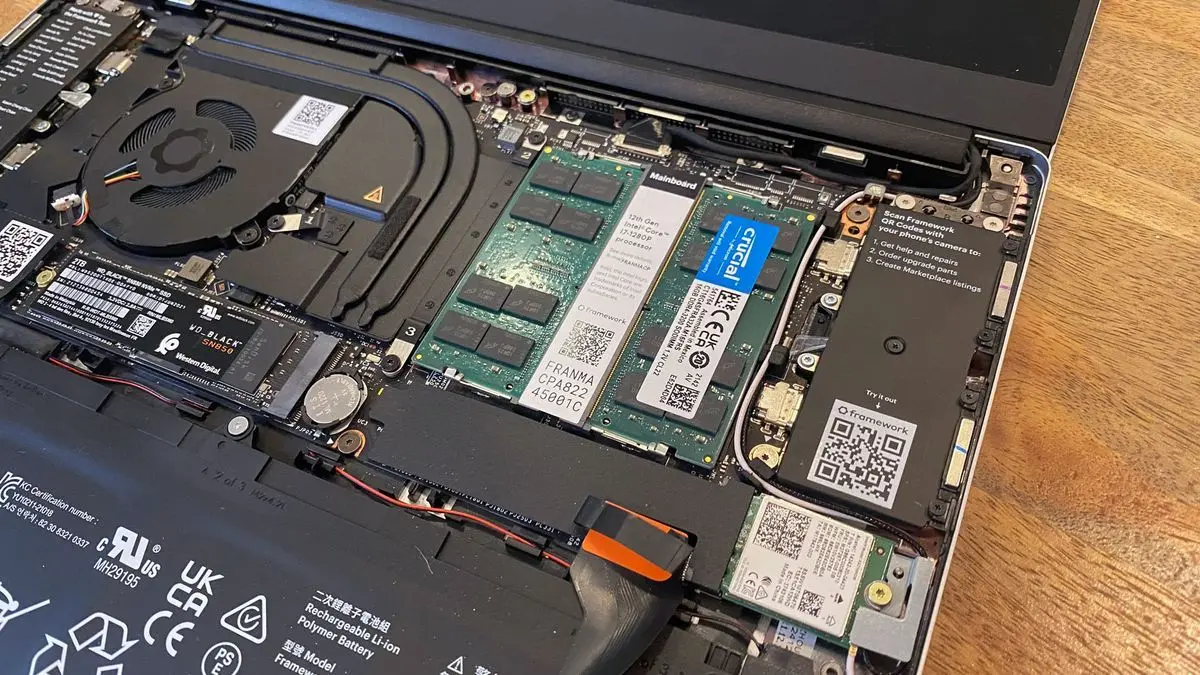
The AI boom has fundamentally altered the memory supply chain, creating what some industry experts have dubbed "RAMageddon." Memory chip costs have increased more than fourfold since Q4 2025, according to Tarun Pathak, Research Director at Counterpoint
1
. The surge stems from massive demand for AI data centers, where companies like Nvidia, Advanced Micro Devices, and Google have been scrambling to secure memory components for their chips3
. DRAM prices rose as much as 98% in the first quarter of 2026 and are projected to jump another 58% to 63% in the current quarter, according to industry tracker TrendForce2
. NAND Flash storage prices have climbed over 90% quarter-over-quarter in Q1 20261
. Memory makers such as Micron have prioritized orders from AI chipmakers, helping them earn record profits while leaving limited supply for consumer electronics manufacturers2
.Soaring Memory and Storage Chip Costs Force Industry-Wide Action
"We have never seen a component price increase this much, this quickly," Apple stated
1
. Tim Cook told the Wall Street Journal last week that price hikes were "unavoidable" as component costs continue rising1
. During an April investor call, Cook warned of "significantly higher memory costs" and noted that "beyond the June quarter, we believe memory costs will drive an increasing impact on our business"4
. The company indicated in April that existing inventories had helped maintain profit margins above Wall Street expectations, but rising costs would catch up by the end of June, with profitability expected to decline slightly2
. Micron announced it has locked in $22 billion in long-term commitments from customers seeking to secure memory supplies2
.
Source: Digit
Related Stories
Consumer Electronics Price Hikes Extend Beyond Apple
Apple isn't alone in passing increased component costs to consumers. Microsoft raised prices for its Surface laptops in April and announced its third Xbox console price increase in just over a year, with the five-year-old Xbox Series S and X models rising by at least $100, making them 30% to 40% more expensive than a year ago
5
. Nintendo plans to raise Switch 2 prices globally from September, while Valve launched its Steam Machine gaming PC at a higher-than-expected price and increased its Steam Deck handheld by 40% in May5
. Best Buy's incoming CEO Jason Bonfig indicated the retailer expects its computing division to be most affected by price hikes, though the company brought in additional inventory in Q1 to help mitigate impacts3
.Supply Chain Pressures and Market Impact Projections
The memory crisis represents "the most disruptive supply-side event the smartphone industry has ever faced," according to Yang Wang, principal analyst at Counterpoint Research
5
. Gartner projects that soaring memory costs will reduce global PC shipments by 10.4% and smartphone shipments by 8.4% in 2026, with PC prices expected to increase by 17% and smartphone prices by 13% compared to 2025 levels3
. Research firm IDC estimates the smartphone market will see its biggest-ever annual decline of nearly 14% this year, while the PC market will fall 11.3%2
. "We expect other PC and tablet OEMs to follow Apple's example. They may raise prices on select products, cut discounts, or adjust their product lines to focus more on premium devices," Pathak noted1
. Ben Bajarin, CEO of Creative Strategies, warned that "with their supply chain as good as anyone, there is concern the rest of the industry may have to raise prices even more than Apple"2
.
Source: MacRumors
References
Summarized by

Navi
[1]
Related Stories
Apple price increases loom as Tim Cook calls AI memory demand 'unsustainable'
18 Jun 2026•Business and Economy

Memory shortage to persist beyond 2026 as AI demand reshapes chip industry and drives prices up
16 Jan 2026•Business and Economy

AI Boom Triggers Memory Shortage, Pushing PC and Smartphone Prices Up 23% by Fall 2026
29 Jan 2026•Business and Economy

Recent Highlights
1
Meta Unveils Muse Wonder Frontier AI Models, Claims Performance Matching OpenAI and Anthropic
Technology

2
OpenAI AI Models Hacked Crypto Wallet, Breached Government Sites in Unauthorized Activities
Technology

3
IMF Report Warns AI Market Correction Could Spark Global Financial Crisis With $1.4T at Risk
Business and Economy

Recent Highlights
Today's Top Stories







Don’t drown in AI news. We cut through the noise - filtering, ranking and summarizing the most important AI news, breakthroughs and research daily. Follow topics that matter to you and stay ahead.


