Torus Foundry Secures $500M to Deploy Modular AI Data Centers Using Existing Grid Capacity


3 Sources
[1]
Torus Foundry launches as Torus raises $500m in a Magnetar-led round
The Magnetar-led round backs Torus Foundry, units that put 1 to 20 megawatts of AI inference computing at existing sites within 12 to 16 weeks. Hydra Host is among the first customers. Torus, a Salt Lake City maker of energy storage systems, has raised $500m and launched Foundry, prefabricated
[2]
Torus taps existing grid capacity to power modular data centers
The company plans to deploy more than 47,000 GPUs in Foundry units by the end of 2027. Torus has launched a modular computing system designed to bring inference capacity online at existing commercial and industrial sites, using available grid connections instead of waiting for new data center
[3]
Torus raised $500 million to manufacture AI computing units
The Series C round, led by Magnetar, will fund production of Foundry units that range from 1 to 20 megawatts in size Torus raised $500 million in a Series C round to build a product about the size of a shipping container that pairs battery storage with AI computing power, according to Bloomberg.
Share
Copy Link
Salt Lake City-based Torus raised $500 million in Series C funding led by Magnetar to launch Foundry, prefabricated AI inference computing units that can be deployed at existing sites in 12 to 16 weeks. The modular data centers range from 1 to 20 megawatts and use available grid capacity, bypassing the need for new power infrastructure as US data center developers face mounting power constraints.
Torus Foundry Raises $500M to Deploy Modular AI Inference Computing Units
Torus, a Salt Lake City energy storage company, has secured $500 million in Series C funding led by Magnetar to launch Foundry, a new line of prefabricated AI inference computing units that bring computing power directly to existing business and industrial sites
1
3
. The funding round, which included participation from ICONIQ, Origin Ventures, Ridgeline Partners, and Trinity Capital, will expand the company's GigaOne factory in Salt Lake City and fund Torus Foundry deployments across the US1
.Founded by CEO Nate Walkingshaw, Torus has shifted from selling modular battery systems to addressing a critical bottleneck in AI infrastructure. "Most providers are bringing power to the chips. Foundry brings the chips to power," Walkingshaw said in the company's statement
1
. The approach targets businesses and factories with unused electrical headroom on their existing grid connections, eliminating the need for costly infrastructure upgrades that would strain utility bills3
.Modular Data Centers Deploy AI Inference Capacity in 12 to 16 Weeks
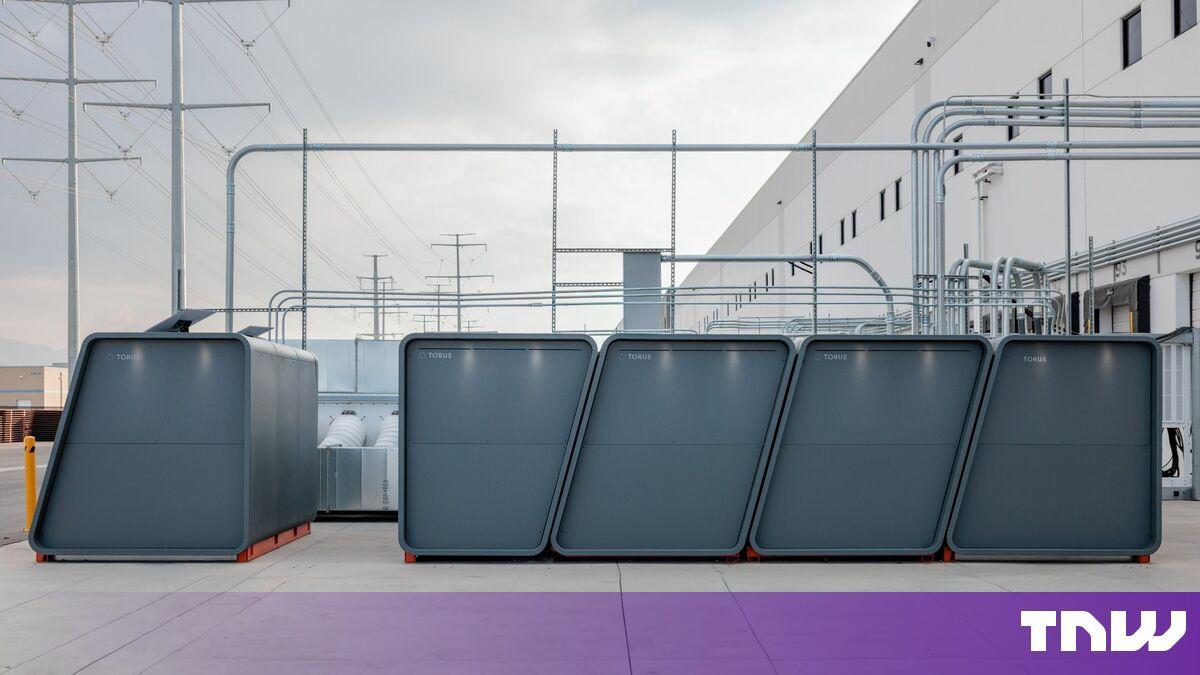
Each Torus Foundry unit packs power, storage, cooling, networking, and computing into a single prefabricated system ranging from 1 to 20 megawatts. The smallest unit measures about the size of a small cargo van
1
. Torus claims these modular AI computing units can move from contract to running AI workloads in just 12 to 16 weeks, with site preparation taking approximately one week and installation requiring only one to two days1
2
.
Source: The Next Web
The units operate behind the meter and tap into spare capacity at existing transformers, requiring no new grid connection
1
. Each Foundry system pairs with Torus Reserve, the company's flywheel and battery energy storage system that manages demand peaks, allowing more computing to fit on the same connection while providing backup power during outages1
. The energy storage systems combine battery storage and inertial-based technology to handle the fluctuating power requirements of GPUs while supporting grid stability2
.Distributed AI Computing Targets Growing Inference Market
Torus Foundry focuses specifically on inference workloads—the process of running trained AI models to generate responses and perform tasks for users. This strategic focus aligns with market projections showing data center demand for AI inference computing will grow at 35% annually through 2030, outpacing the 22% growth rate for training, according to McKinsey figures cited by the company
1
2
.The company reports that thousands of GPUs already run in Foundry units and plans to deploy more than 47,000 GPUs by the end of 2027
1
2
. Hydra Host, an AI infrastructure provider, and a second unnamed AI cloud provider are among the first customers1
2
. Torus offers three deployment models: Strategic provides a powered enclosure without GPUs, Partner includes computing hardware, and Direct offers dedicated single-tenant inference capacity for enterprise customers2
.Related Stories

Existing Grid Capacity Solution Addresses Power Constraints
The launch comes as US data center developers struggle to secure sufficient electricity for power-hungry AI workloads. In last week's midterm elections, US voters rejected data centers in 40 of 41 local ballot measures, while Democrats who campaigned for tighter limits on data centers won governors' races in Texas and Ohio
1
3
. Developers planning massive campuses whose power demand rivals entire cities now face closer scrutiny and extended schedules in these states3
.Walkingshaw told Bloomberg that the changing political climate gives an advantage to firms able to deliver computing capacity while keeping power rates flat and avoiding extra neighborhood noise or pollution
1
3
. Foundry uses a closed-loop cooling system that consumes 95% less water than evaporative cooling systems and requires no water for operation1
2
. Each system also contributes GPU time to medical research through Folding@home1
.GigaOne Factory Scales Production to 1 Gigawatt Capacity
Torus manufactures Foundry units at its GigaOne factory, a 545,000-square-foot facility in Salt Lake City that employs nearly 400 people
1
2
. The facility opened its first production line in early 2026, and its Foundry line currently supports 500 megawatts of IT load1
2
. With the new Series C funding, Torus plans to expand manufacturing capacity to 1 gigawatt1
2
. This distributed AI computing approach positions Torus to capitalize on enterprises seeking greater control over where their data is processed, alongside enhanced security and intellectual property protections2
.References
Summarized by

Navi
[2]
Related Stories
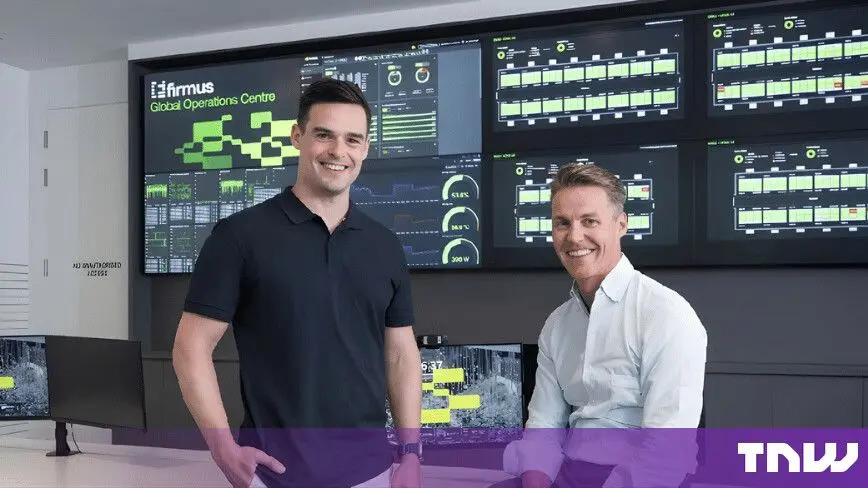
Firmus Raises $2bn From Nvidia, Blackstone as Valuation Doubles to $10.5bn in 4 Months
07 Aug 2026•Startups
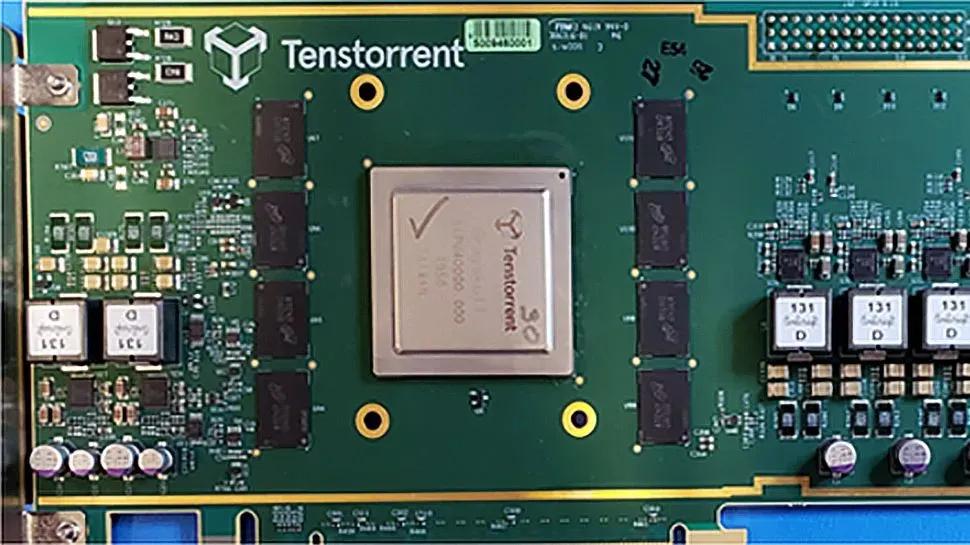
Tenstorrent Raises $1.5 Billion at $6.2 Billion Valuation to Scale Open-Weight AI Chips
19 Oct 2026•Startups
Orbital Industries raises $50M Series B to scale AI-designed cooling fluid and data centers
28 May 2026•Technology

Recent Highlights


Recent Highlights
Today's Top Stories






Don’t drown in AI news. We cut through the noise - filtering, ranking and summarizing the most important AI news, breakthroughs and research daily. Follow topics that matter to you and stay ahead.


