5 Sources
[1]
Kalanick raises $1.7B for Atoms, and Uber invests too
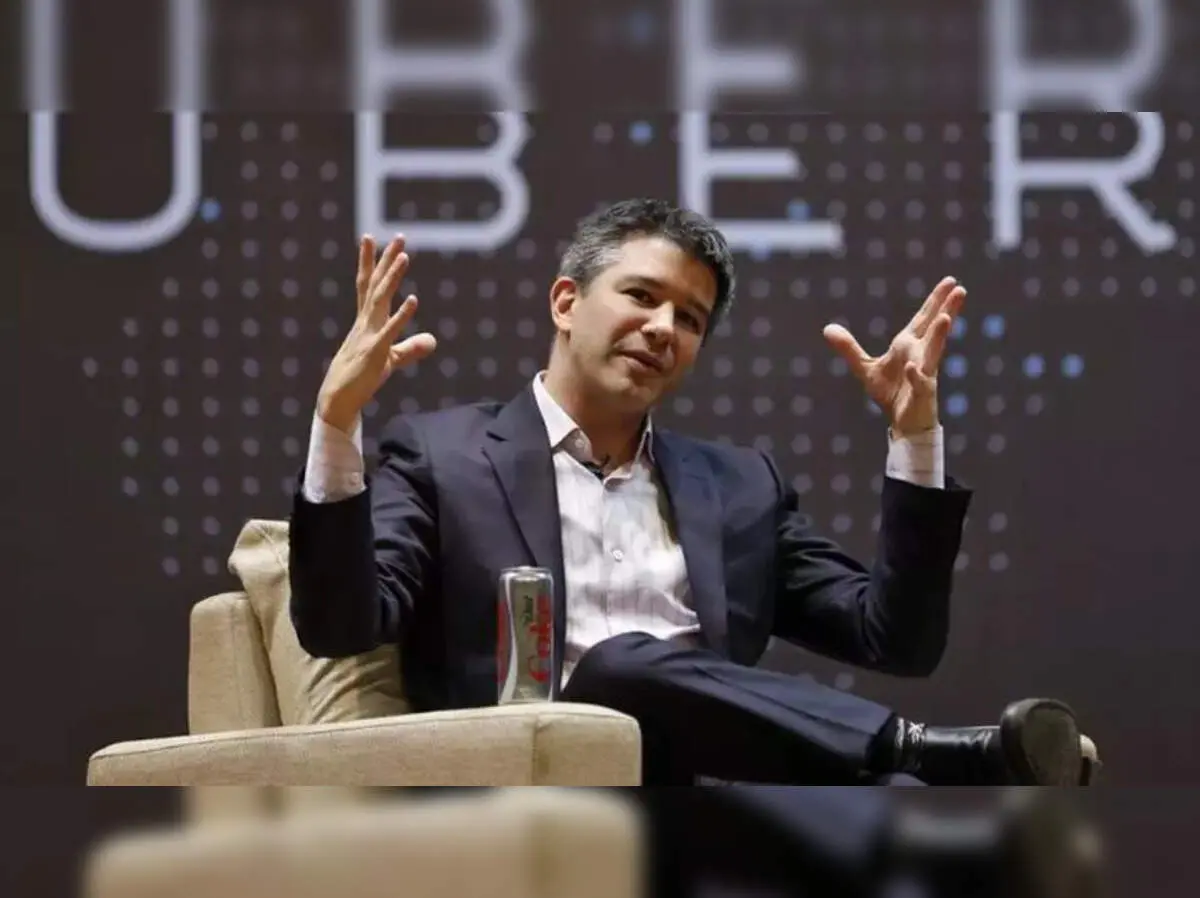
Travis Kalanick, the founder Uber pushed out in 2017, has raised $1.7bn for Atoms, his industrial-AI and robotics company. Andreessen Horowitz led the round, Ben Horowitz is joining the board, and, remarkably, Uber itself put money in. Kalanick calls it "unfinished business". Travis Kalanick is back, and Uber is helping to fund him. The founder Uber forced out in 2017 has raised $1.7 billion for Atoms, an industrial-AI and robotics company he has built in near-total stealth for years. Andreessen Horowitz led the round. Its co-founder Ben Horowitz is joining the board. And among the investors sits Uber, the company Kalanick started in 2009 and left under a cloud. That exit still shadows the story. Uber pushed Kalanick out as chief executive in 2017 after complaints of sexual harassment, discrimination and a toxic workplace. Nine years on, his old company is writing him a cheque. Kalanick, never one for understatement, calls the round "unfinished business". The equity comes with serious debt. Alongside a16z, Bain Capital, Fifth Wall and others, Atoms lined up credit facilities from JPMorgan, Goldman Sachs, Bank of America, Wells Fargo and Barclays. The company did not disclose a valuation. That is the kind of firepower needed to build heavy machines, not apps. Bits to atoms Kalanick's pitch is a single idea he has chased for 16 years: turning the physical world into something software can run. In his framing, manufacturing is the processor, real estate is the storage, and transport is the network. Uber digitised transport for the masses. CloudKitchens, his ghost-kitchen venture, did the same for food. Atoms is meant to do it for whole industrial sectors. He calls the result an "atoms-based computer." The target is the unglamorous heart of the economy: mining, construction, heavy transport and food. His term for the toolkit is Industrial AI, a mix of software, sensors, robotics and models aimed at automating entire sectors. He calls the wider shift the "Age of Atoms." Not a humanoid in sight Here Kalanick parts ways with much of the field. While rivals pour billions into general-purpose humanoid robots, Atoms builds specialised machines for specific jobs. Horowitz argues that purpose-built hardware copes with brutal industrial environments far better than a humanoid could. It is a pointed bet against the hottest trend in physical AI. Atoms is split into three parts, according to reports. Atoms Food folds in CloudKitchens and its cooking and delivery software. Atoms Mining puts autonomous machines to work at extraction sites, built on Atoms' acquisition of Pronto, a startup run by former Uber and Google engineer Anthony Levandowski. Atoms Transport is what Kalanick calls a "wheelbase for robots." Levandowski's presence adds intrigue. He sat at the centre of a self-driving trade-secrets case involving Google and Uber, and later received a presidential pardon. Kalanick has also flirted with buying the US arm of China's Pony AI, with Uber's help, though those talks ended earlier this year. Comeback, with caveats The mood around the deal is euphoric. One a16z partner called it the largest cheque the firm has ever written. Another investor predicted Atoms would be worth a trillion dollars within a decade. Horowitz put it more simply: "Travis is back." Some scepticism is warranted. Atoms has revealed a grand vision and a very large bank balance, but little in the way of deployed industrial robots at scale. The valuation is a mystery, the claims are sweeping, and Kalanick's Uber record is not easily forgotten. Yet the bet is coherent. He turned the movement of people into a software business once. Now, with $1.7 billion and his old adversary alongside him, he wants to do the same to the machines that grow, dig and haul the physical world.
[2]
Travis Kalanick's industrial automation startup Atoms raises $1.7B in funding
Atoms, a startup led by Uber Technologies Inc. co-founder Travis Kalanick, has closed a $1.7 billion investment. The company disclosed in its Wednesday funding announcement that Andreessen Horowitz led the raise. The venture capital firm was joined by more than a half-dozen others, including Uber. Additionally, Atoms has raised an unspecified amount of debt financing from a group of banks. Atoms develops technologies that automate manual work in the restaurant, mining and transportation sectors. The company comprises seven business units that operate under separate brands. Most of those subsidiaries were originally part of City Storage Systems Inc., a startup that Kalanick founded in 2016. It became part of Atoms earlier this year. City Storage Systems' flagship asset was a business unit called CloudKitchens. The business, which is now one of Atoms' seven subsidiaries, operates so-called ghost kitchens in dozens of U.S. cities. Restaurant operators use the facilities to process food delivery orders. Each CloudKitchens building contains more than 20 kitchens along with logistics infrastructure designed to expedite deliveries. A second Atoms unit called Lab37 sells a kitchen automation system dubbed the Bowl Builder. It uses 18 ingredient dispensers, sensors and a steam generator to prepare food bowls. The 19-foot-long machine can also automate some of the subsequent food packaging tasks. Like CloudKitchens, Lab37 was originally part of City Storage Systems. Another Atoms unit, ProFood, develops food production facilities. Two other subsidiaries called Otter and Picnic provide restaurant management software and office launch deliveries, respectively. In March, Atoms moved into the mining sector with the acquisition of a startup called Pronto AI Inc. The deal bought it an autonomous driving system that combines chips, sensors and a GPS module in a ruggedized case. The device enables trucks to navigate mines without human input. Atoms' website indicates that one of its business units is developing products for the broader transportation market. However, the company hasn't yet divulged information about the technology. One way Atoms could expand into other transportation segments is by bringing Pronto's truck autonomy system to more vehicle types. Kalanick hinted in a blog post that the company plans to broaden its focus to additional industrial sectors over time. "Uber was first. Network for the physical world. Digitized transportation for the masses. CloudKitchens was next," Kalanick wrote. "But what about an OEM that builds atoms-based computers for all the major industrial sectors? We just launched that company." Atoms didn't specify how it plans to use its funding round. Kalanick's blog post indicated that the company's automation products will use artificial intelligence, which means some of the capital could go towards model training.
[3]
Travis Kalanick's Atoms secures $1.7 billion from a16z, Uber, others to expand into industrial AI
Atoms, Travis Kalanick's robotics firm, has secured $1.7 billion in funding. This investment, led by Andreessen Horowitz, will fuel industrial AI development. The company focuses on automation for mining, transport, and food production sectors. Atoms also acquired self-driving startup Pronto to enhance its capabilities. This funding supports Atoms' next phase of growth and expansion. Atoms, the robotics and industrial artificial intelligence company founded by Uber founder and former CEO Travis Kalanick, has raised $1.7 billion in a funding round led by venture capital firm Andreessen Horowitz (a16z). The deal includes both equity and debt financing, with Uber among the companies backing Kalanick's latest venture. Ben Horowitz, co-founder of a16z, confirmed in a post on X that he will join Atoms' board as part of the investment. The funding will support Atoms' efforts to develop physical automation systems for large industrial sectors, including mining, construction, heavy transport and food production. The company is building what it calls "Industrial AI", a combination of software, sensors, robotics and artificial intelligence designed to automate operations across physical industries. In a LinkedIn post announcing the investment, Atoms said its operating businesses have been merged into a single Atoms equity structure. The company said its operations are organised around three areas; Atoms Food, which focuses on infrastructure for food production, Atoms Mining, aimed at improving productivity in mines, and Atoms Transport, which it described as a 'wheelbase for robots.' "Industrial AI is what will power the next industrial revolution," Atoms said in the post, adding that it has spent eight years building its technology. The company had stated that the latest funding will support the next phase of its development, including building more machines, increasing deployments and tackling multiple complex challenges in the physical world. Atoms has also expanded its autonomous technology capabilities through the acquisition of self-driving startup Pronto, founded by Anthony Levandowski, a former Uber engineer. Pronto developed autonomous driving technology for mining and industrial applications. The acquisition adds autonomous vehicle technology to Atoms' broader portfolio as it works on automation systems for industries that depend on physical operations. The company's approach is centred on applying AI and robotics to sectors where large-scale physical processes remain essential to production and logistics. Through its food, mining and transport businesses, Atoms is targeting operations that involve producing, extracting and moving the goods and resources that support industrial activity. The company said the latest funding will allow it to work on multiple industrial challenges simultaneously, with plans for more machines and deployments. Atoms is also looking to bring more people into the business as it enters this phase of expansion. In the same funding announcement on Linkedin, the company invited engineers and builders interested in working on complex industrial systems to join its team.
[4]
Andreessen Horowitz Declares 'Travis Is Back' With $1.7B Robotics Bet - Uber Technologies (NYSE:UBER)
Atoms is the rebranded umbrella company built around Kalanick's post-Uber venture CloudKitchens. The company has increasingly shifted its focus toward industrial automation and robotics, including its acquisition of mining automation company Pronto in March. Pronto is led by Anthony Levandowski, a former Uber colleague of Kalanick's who previously worked on autonomous vehicle technology. Kalanick has described Atoms as an effort to build the infrastructure for a new generation of robots, extending beyond Pronto's existing work with autonomous mining vehicles. The entrepreneur has said the company's goal is to create a "wheelbase" for robots -- a platform that can help automate parts of the physical economy. 'Bits-To-Atoms' The raise also marks a continuation of Kalanick's long-running ambition to connect software with the physical world. In a post on X, he described the funding as "unfinished business," saying the company aims to complete the "bits-to-atoms story arc" that began at Uber, continued through CloudKitchens and now moves forward with Atoms. "16 years ago, I started a journey to digitize the physical world," Kalanick wrote. "Understand, predict and control the physical world with software." He described Atoms' vision as creating "atoms-based computers," where manufacturing serves as the CPU, real estate functions as storage and transportation becomes the network layer. Horowitz framed the investment as a bet that AI and robotics could have a similar productivity impact on the physical economy that Uber had on transportation and computers had on digital industries. "I think the most valuable thing someone could do with AI and robotics is to repeat the same thing Uber did for transportation, or that computers did for the digital world: to make everything and everyone more productive," Horowitz wrote. Kalanick has not disclosed specific products Atoms plans to develop, but said the new capital could help expand hiring as the company builds toward its broader robotics ambitions. This content was partially produced with the help of AI tools and was reviewed and published by Benzinga editors. Market News and Data brought to you by Benzinga APIs To add Benzinga News as your preferred source on Google, click here.
[5]
Uber Co-Founder Kalanick's Atoms Secures $1.7 Billion to Build Physical AI | PYMNTS.com
"Mining, construction, heavy transport, food production are just a few examples of atoms-heavy industries awaiting massive digital transformation," Kalanick said in an announcement on the company's website. "Multiple trillion-dollar industries rapidly transforming over the next decade powering an engine of prosperity unparalleled in human history." Industrial AI, which encompasses software, sensors, robotics and AI used to automate operations, is set to power the next Industrial Revolution, Kalanick wrote. The equity investment was led by Andreessen Horowitz (a16z), and that company's co-founder and general partner, Ben Horowitz, will join Atom' board, according to the announcement. Horowitz wrote in a Wednesday blog post that just as computers transformed information, robots are set to do most of the menial work in the physical world. "I think the most valuable thing someone could do with AI and robotics is to repeat the same thing Uber did for transportation, or that computers did for the digital world: to make everything and everyone more productive," Horowitz said. "There are so many companies out there (and we've backed many of them!) working on various digital forms of this. But most of the jobs we do are still in the physical world, whereas the frontier of productivity means physical productivity: making things, moving things, storing things." Atoms continues Kalanick's journey to "digitize the physical world" that began with Uber, continued with CloudKitchens and now includes Atoms, Kalanick said in the announcement. Kalanick announced in an April post on LinkedIn that City Storage Systems, the company behind CloudKitchens, Otter, Lab37, Picnic and ProFood Properties, was transformed into Atoms. He said that the companies created under City Storage Systems would become the foundation of Atoms Food, and that from there, Atoms will expand into robotics, autonomous logistics, mining and transport infrastructure. "Food was just the beginning," Kalanick said in the post. "The deeper opportunity is building systems that digitize the physical world. A future where software, robotics and infrastructure work together to help mine the minerals, manufacture the goods, move them across cities, and deliver them to people everywhere." For all PYMNTS digital transformation coverage, subscribe to the daily Digital Transformation Newsletter.
Share
Copy Link
Travis Kalanick, forced out of Uber in 2017, has raised $1.7 billion for Atoms, his industrial AI and robotics company. Andreessen Horowitz led the round with Ben Horowitz joining the board. In a remarkable turn, Uber itself invested in Kalanick's comeback venture, which targets automation across mining, construction, heavy transport, and food production sectors.
Travis Kalanick has raised $1.7 billion for Atoms, his industrial automation startup focused on robotics and industrial automation across mining, transport, and food production
1
. The Atoms funding round was led by Andreessen Horowitz, with a16z co-founder Ben Horowitz joining the board2
. In a striking development, Uber invests in the venture despite pushing Kalanick out as chief executive in 2017 following complaints of sexual harassment, discrimination, and a toxic workplace1
. Kalanick calls the funding "unfinished business," framing it as the continuation of his 16-year journey of digitizing the physical world4
.
Source: ET
The deal includes both equity and debt financing, with credit facilities from JPMorgan, Goldman Sachs, Bank of America, Wells Fargo, and Barclays
1
. Bain Capital and Fifth Wall joined the equity round alongside more than a half-dozen other investors2
. One a16z partner called it the largest cheque the firm has ever written, while another investor predicted Atoms would be worth a trillion dollars within a decade1
.Atoms is developing what Kalanick describes as "atoms-based computers" for major industrial sectors, where manufacturing serves as the processor, real estate functions as storage, and transport becomes the network
4
. The company targets unglamorous but essential sectors including mining, construction, heavy transport, and food production1
. Kalanick positions industrial AI as a combination of software, sensors, robotics, and artificial intelligence designed to automate entire sectors, calling the broader shift the "Age of Atoms"3
.The company comprises seven business units organized around three core areas: Atoms Food, Atoms Mining, and Atoms Transport
3
. Most subsidiaries were originally part of City Storage Systems, the startup Kalanick founded in 2016, which became part of Atoms earlier this year2
.Atoms Food incorporates CloudKitchens, which operates ghost kitchens in dozens of U.S. cities where restaurant operators process food delivery orders
2
. Each CloudKitchens building contains more than 20 kitchens with logistics infrastructure designed to expedite deliveries2
. Another unit called Lab37 sells the Bowl Builder, a 19-foot-long kitchen automation system using 18 ingredient dispensers, sensors, and a steam generator to prepare food bowls2
. Additional subsidiaries include ProFood, which develops food production facilities, and Otter and Picnic, which provide restaurant management software and office lunch deliveries2
.Kalanick's approach diverges from competitors pouring billions into general-purpose humanoid robots. Atoms builds specialized machines for specific jobs, with Ben Horowitz arguing that purpose-built hardware handles brutal industrial environments far better than humanoids could
1
. This represents a pointed bet against the hottest trend in physical AI1
.Related Stories
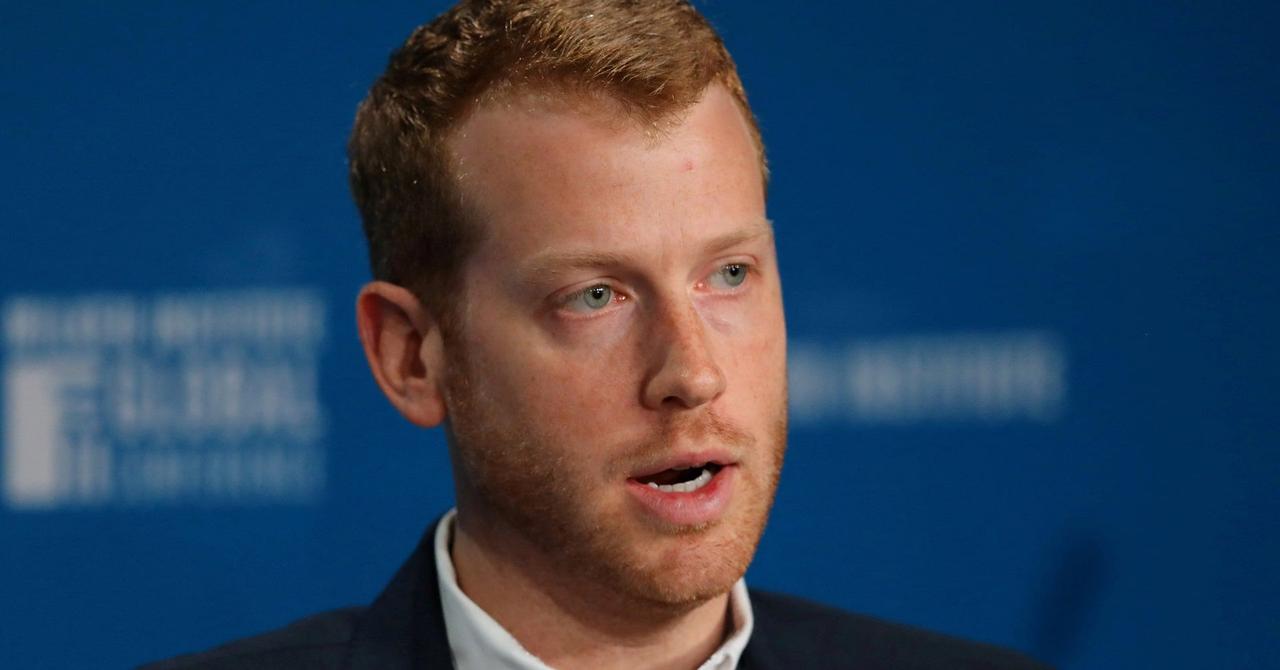
In March, Atoms expanded its autonomous technology capabilities through acquiring Pronto AI, a self-driving startup founded by Anthony Levandowski, a former Uber and Google engineer
3
. The deal brought an autonomous driving system combining chips, sensors, and a GPS module in a ruggedized case that enables trucks to navigate mines without human input2
. Levandowski sat at the center of a self-driving trade-secrets case involving Google and Uber and later received a presidential pardon1
.
Source: SiliconANGLE
Atoms Transport is described as a "wheelbase for robots," though the company hasn't divulged specific product information yet
3
. Kalanick also flirted with buying the U.S. arm of China's Pony AI with Uber's help, though those talks ended earlier this year1
.Horowitz framed the investment as a bet that AI and robotics could deliver productivity gains to the physical economy comparable to what Uber achieved in transportation or computers in digital industries
4
. "I think the most valuable thing someone could do with AI and robotics is to repeat the same thing Uber did for transportation, or that computers did for the digital world: to make everything and everyone more productive," Horowitz wrote5
.
Source: PYMNTS
Kalanick envisions multiple trillion-dollar industries rapidly transforming over the next decade, powering "an engine of prosperity unparalleled in human history"
5
. The company said the funding will support building more machines, increasing deployments, and tackling multiple complex challenges in the physical world3
. Atoms is also looking to expand hiring, inviting engineers and builders interested in working on complex industrial systems to join its team3
. Yet skepticism remains warranted, as Atoms has revealed grand vision and a large bank balance but little deployed industrial automation at scale, with valuation remaining undisclosed1
.Summarized by
Navi
[1]
[3]
[4]
14 Mar 2026•Technology

11 Feb 2026•Startups

22 Mar 2025•Technology

1
Technology

2
Technology

3
Science and Research