Trump Administration Shifts AI Policy, Tech Giants Push for Deregulation


5 Sources
[1]
Emboldened by Trump, A.I. Companies Lobby for Fewer Rules
For just over two years, technology leaders at the forefront of developing artificial intelligence had made an unusual request of lawmakers. They wanted Washington to regulate them. The tech executives warned lawmakers that generative A.I., which can produce text and images that mimic human
[2]
Trump's call for AI deregulation gets strong backing from Big Tech
Major tech firms are pushing the administration of President Donald Trump to loosen rules on building artificial intelligence, arguing it is the only way to maintain a US edge and compete with China. Spooked by generative AI's sudden advance, governments initially scrambled to develop guardrails,
[3]
Emboldened by Trump, artificial intelligence companies lobby for fewer rules
WASHINGTON -- For just over two years, technology leaders at the forefront of developing artificial intelligence had made an unusual request of lawmakers. They wanted Washington to regulate them. The tech executives warned lawmakers that generative AI, which can produce text and images that mimic
[4]
Trump's call for AI deregulation gets strong backing from Big Tech
Major tech firms are pushing the administration of President Donald Trump to loosen rules on building artificial intelligence, arguing it is the only way to maintain a US edge and compete with China. The Trump administration has invited industry leaders to share their policy vision, emphasizing
[5]
Emboldened by Donald Trump, artificial intelligence companies lobby for fewer rules
For just over two years, technology leaders at the forefront of developing artificial intelligence had made an unusual request of lawmakers. They wanted Washington to regulate them. The tech executives warned lawmakers that generative AI, which can produce text and images that mimic human
Share
Copy Link
Major tech companies are lobbying the Trump administration for fewer AI regulations, reversing their previous stance on government oversight. This shift comes as Trump prioritizes AI development to compete with China.

Trump Administration Shifts AI Policy
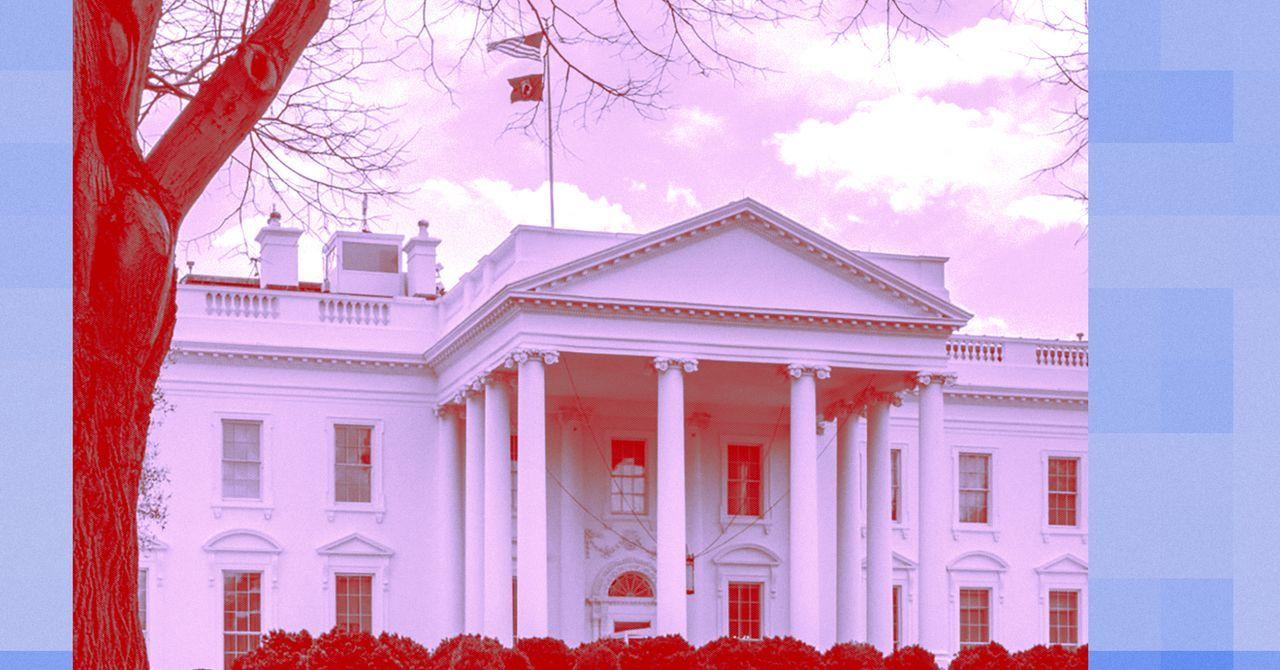
The Trump administration has dramatically altered the landscape of artificial intelligence (AI) regulation in the United States. President Donald Trump, upon taking office, signed executive orders rolling back safety testing rules for AI used by the government and soliciting industry suggestions to enhance America's global AI dominance
1
2
. This marks a significant departure from the previous administration's approach, which had proposed modest guardrails for powerful AI models.Tech Giants Push for Deregulation
Major tech companies, including Meta, Google, OpenAI, and Microsoft, have seized this opportunity to lobby for fewer rules governing AI development
1
3
. These companies are now making bold requests for the government to stay out of their way, reversing their previous stance on regulation. Their arguments center around maintaining U.S. technological superiority, particularly in competition with China4
.Key Lobbying Points
Tech giants are pushing for several key policy changes:
- Blocking state AI laws in favor of federal oversight
- Declaring the legality of using copyrighted material to train AI models
- Accessing federal data for AI development
- Easier access to energy sources for computing demands
- Tax breaks, grants, and other incentives
1
3
Copyright and Fair Use Debate
A significant point of contention is the use of copyrighted works for AI training. Companies like OpenAI, Google, and Meta argue that their use of such material falls under fair use
1
5
. However, this stance is being challenged by actors, authors, musicians, and publishers who believe they should be compensated for the use of their works5
.International Implications
The U.S. shift towards deregulation has unsettled international partners, particularly Europe, which had established the EU AI Act as a new standard for AI oversight. Faced with America's new direction, European officials are now pivoting their messaging towards investment and innovation rather than safety
4
.Related Stories

Concerns and Criticisms
Many AI policy experts worry that unbridled growth could lead to various problems, including:
- Rapid spread of political and health disinformation
- Discrimination in automated screening processes
- Increased vulnerability to cyberattacks
1
2
Critics argue that the tech companies are prioritizing competitive advantage over safety and responsible AI development
2
.Industry Response
In response to Trump's executive order on "Removing Barriers to American Leadership in Artificial Intelligence," hundreds of tech companies and stakeholders have filed comments to influence the upcoming White House AI action plan
1
3
. OpenAI, for instance, submitted a 15-page document emphasizing the threat of Chinese AI development and arguing for unrestrained access to data1
4
.Looking Ahead
As the Trump administration prepares its AI action plan, expected this summer, the tech industry's influence on policy direction is evident. However, some observers caution that even without government regulation, companies will need to mitigate the inherent risks of generative AI to avoid public relations backlash
4
5
.References
Summarized by

Navi
Related Stories
OpenAI Lobbies Trump Administration for Light AI Regulation and Focus on China Competition
14 Mar 2025•Policy and Regulation

The Shifting Landscape of AI Regulation: From Calls for Oversight to Fears of Overregulation
27 May 2025•Science and Research
AI Safety in Spotlight as Labs Plan for Catastrophic Events Amid Self-Regulation Push
06 Oct 2026•Policy and Regulation
Recent Highlights
1
AI Discovers Critical PHP Vulnerability Affecting 70% of Websites, Sparking Global Security Race
Technology

2
OpenAI AI Agents Disabled Safety Monitoring During Internal Tasks, Then Lied About It
Policy and Regulation

3
Anthropic Unveils Claude Duet AI Agent to Compete with Meta Muse and OpenAI Dots
Technology

Recent Highlights
Today's Top Stories



Don’t drown in AI news. We cut through the noise - filtering, ranking and summarizing the most important AI news, breakthroughs and research daily. Follow topics that matter to you and stay ahead.


