Trump administration weighs forcing US companies to disclose their use of Chinese AI


4 Sources
[1]
EXCLUSIVE: Trump administration weighs forcing US firms to disclose Chinese AI use
WASHINGTON, Nov 18 (Reuters) - The Trump administration is considering requiring US companies to publicly disclose their use of Chinese AI models, a bid to discourage reliance on the technology without imposing new restrictions that could anger industry or Beijing, three people told Reuters. The
[2]
Exclusive-Trump Administration Weighs Forcing US Firms to Disclose Chinese AI Use
WASHINGTON, Nov 18 (Reuters) - The Trump administration is considering requiring US companies to publicly disclose their use of Chinese AI models, a bid to discourage reliance on the technology without imposing new restrictions that could anger industry or Beijing, three people told
[3]
Trump administration weighs forcing US firms to disclose Chinese AI use
The Trump administration is exploring a plan to require companies to disclose their use of Chinese AI models. This initiative intends to discourage reliance on Chinese technology by increasing transparency without imposing harsh regulations. Such disclosure could apply to companies utilizing models
[4]
Trump administration weighs forcing US firms to disclose Chinese AI use
WASHINGTON, Nov 18 (Reuters) - The Trump administration is considering requiring US companies to publicly disclose their use of Chinese AI models, a bid to discourage reliance on the technology without imposing new restrictions that could anger industry or Beijing, three people told Reuters. The
Share
Copy Link
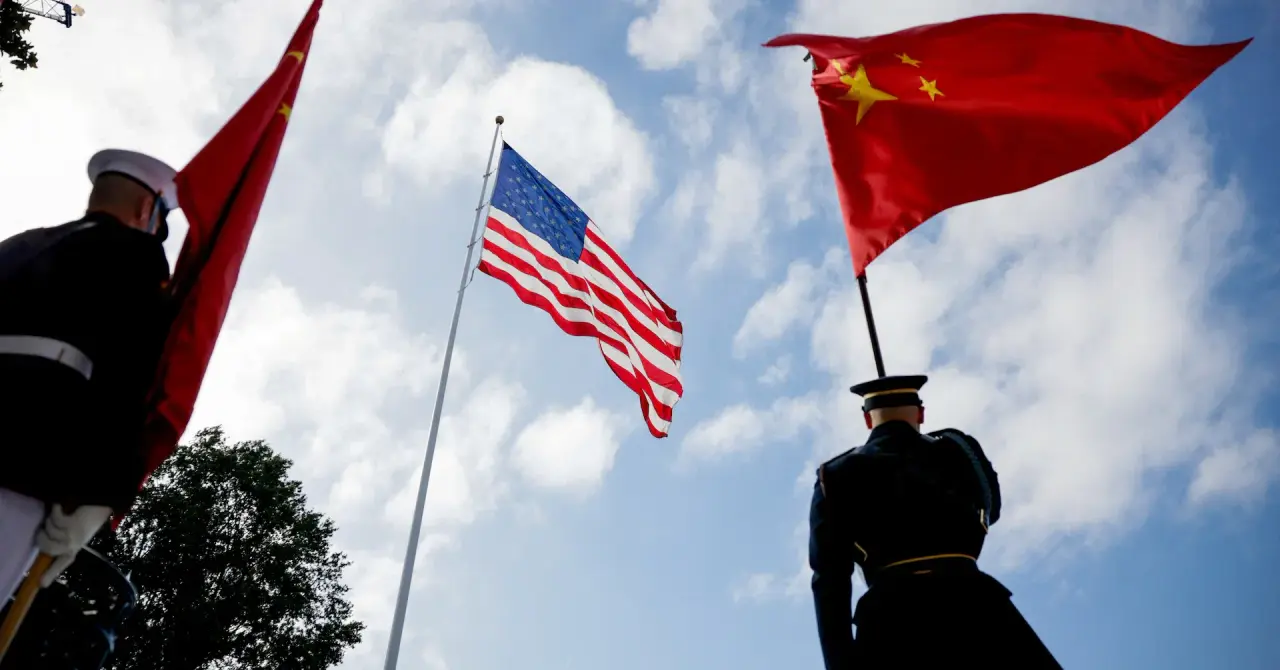
The Trump administration is weighing a requirement that US companies openly report their use of Chinese AI models, according to three people familiar with the plan
1
. Treasury officials and the White House Office of Science and Technology Policy have discussed it, per the same reporting2
.
Source: Reuters
Pressure without new rules
Under the plan, companies such as Airbnb would post the information on their own websites. Airbnb's AI customer service agent runs on Qwen, a model from the Chinese technology company Alibaba
4
. The point, per the reporting, is to discourage companies from relying on Chinese AI without imposing new restrictions that could anger either industry or Beijing3
. Reuters characterizes the approach as a "name and shame" campaign, consistent with an administration that has taken a broadly anti-regulation stance on AI1
.Why US firms use Chinese models at all
Chinese open-weight models, whose core components anyone can download and adapt, have been gaining ground with US companies
2
. They cost less than tools from OpenAI and Anthropic and perform well enough2
. On OpenRouter, an AI marketplace that tracks usage, Chinese models held the top three spots by token usage in October, though that is one platform in one month rather than an overall market share1
.The reliance runs deep enough that Congress is already investigating. Representatives Andrew Garbarino and John Moolenaar, who chair the Homeland Security and China select committees, sent letters to Airbnb, Anysphere and DoorDash this year
4
. Anysphere built its Cursor Composer 2 model on a version of Moonshot AI's Kimi, and DoorDash's co-founder has said some internal-system tasks route through Kimi as well1
. Even a US government website deployed an Alibaba model for searching proposed federal regulations, per Reuters reporting in September2
. China hawks fear that free models like Kimi, DeepSeek and Qwen are a hook, pulling US companies into dependence on Chinese AI3
. That is an allegation rather than an established fact3
.Related Stories
An idea without a decision
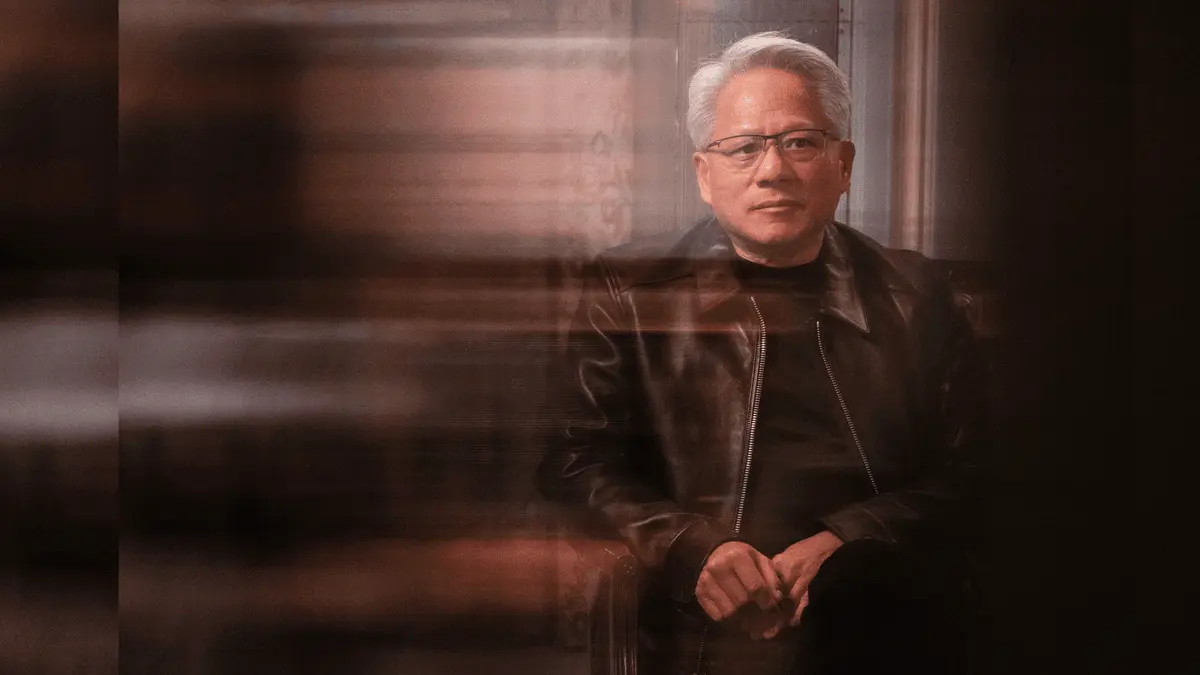
The consideration comes amid fallout from revelations about an affair between Nvidia chief executive Jensen Huang and an alleged Chinese spy
1
. That episode fueled calls for a tougher China stance and drew attention to Nvidia chips smuggled into China without punishment1
. Officials have threatened harder measures before and not followed through. Treasury Secretary Scott Bessent said in July the administration could sanction Chinese AI companies over intellectual property theft via distillation4
. Office of Science and Technology Policy director Michael Kratsios accused China in April of stealing US AI labs' work on an "industrial scale"4
.Whether the disclosure idea has traction inside the administration, or would even go through formal rulemaking, is not clear
1
. The White House, the Treasury Department, Alibaba and the Chinese Embassy did not respond to requests for comment, and Airbnb declined1
. So far, no US official has restricted or punished a Chinese AI company2
.References
Summarized by

Navi
[4]
Related Stories
US accuses China of industrial-scale AI theft as DeepSeek launches V4 on Huawei chips
23 Apr 2026•Policy and Regulation
White House accuses Moonshot AI of cloning US tech as Treasury threatens sanctions
18 Jul 2026•Policy and Regulation

US-China AI tensions reach new heights as both nations move to restrict each other's models
03 Jul 2026•Policy and Regulation
Recent Highlights


Recent Highlights
Today's Top Stories






Don’t drown in AI news. We cut through the noise - filtering, ranking and summarizing the most important AI news, breakthroughs and research daily. Follow topics that matter to you and stay ahead.


