US accuses China of industrial-scale AI theft as DeepSeek launches V4 on Huawei chips


32 Sources
[1]
US accuses China of "industrial-scale" AI theft. China says it's "slander."
The US is preparing to crack down on China's allegedly "industrial-scale theft of American artificial intelligence labs' intellectual property," the Financial Times reported Thursday. Since the launch of DeepSeek -- a Chinese model that OpenAI claimed was trained using outputs from its models --
[2]
DeepSeek launches 1.6 trillion parameter V4 on Huawei chips as U.S. escalates AI theft accusations -- U.S. gov't alleges IP theft by DeepSeek and other Chinese AI firms
U.S. State Department warns embassies worldwide about Chinese model distillation. DeepSeek on Friday released a preview of its V4 large language model, the Hangzhou-based startup's most powerful to date, with 1.6 trillion parameters and a 1 million token context window. The model is the first
[3]
US Seeks to Halt US AI Model 'Exploitation' by Chinese Rivals
The Trump administration unveiled measures aimed at preventing Chinese developers from improperly using leading American AI models to build a rival generation of chatbots, marking the first major US response to Silicon Valley companies' complaints that China is piggybacking on their success. In a
[4]
Exclusive: US State Dept orders global warning about alleged China AI thefts by DeepSeek, others
WASHINGTON, April 24 (Reuters) - The U.S. State Department has ordered a global push to bring attention to what it says are widespread efforts by Chinese companies, including AI startup DeepSeek, to steal intellectual property from U.S. artificial intelligence labs, according to a diplomatic cable
[5]

White House accuses China of 'industrial scale' theft of AI technology
The White House has accused China of undertaking industrial-scale theft of American artificial intelligence labs' intellectual property and warned that it would crack down on a practice that exploits US innovation. "The US government has information indicating that foreign entities, principally
[6]

U.S. State Department orders global warning about alleged China AI thefts by DeepSeek, others: Reuters
The U.S. State Department has ordered a global push to bring attention to what it says are widespread efforts by Chinese companies, including AI startup DeepSeek, to steal intellectual property from U.S. artificial intelligence labs, according to a diplomatic cable seen by Reuters. The cable said
[7]

Trump administration vows crackdown on Chinese companies 'exploiting' AI models made in US
WASHINGTON (AP) -- The Trump administration is vowing to crack down on foreign tech companies' exploitation of U.S. artificial intelligence models, singling out China at a time that country is narrowing the gap with the U.S. in the AI race. In a Thursday memo, Michael Kratsios, the president's
[8]

White House memo claims mass AI theft by Chinese firms
The White House has said it will work more closely with US artificial intelligence (AI) firms to combat "industrial-scale campaigns" by foreign actors to steal advances in the technology. Michael Kratsios, Director of Science and Technology Policy, wrote in an internal memo that the administration
[9]

The US just told China to stop copying its AI. Enforcing that is the hard part.
Summary: The White House OSTP released a policy memo accusing China of "industrial-scale" distillation of US AI models, committing to share intelligence with US AI companies and explore accountability measures. OpenAI accused DeepSeek of distilling its models in February; Anthropic named DeepSeek,
[10]

Trump Admin Accuses China of â€~Industrial-Scale’ Theft of AI Tech. What Does That Even Mean?
The Trump administration (which has argued that scraping an infinite amount of copyright-protected data for training AI models should be considered fair use) is accusing China of "industrial-scale" theft of intellectual property from American AI companies and is threatening to crack down on actors
[11]
White House accuses China of 'industrial scale' theft of AI technology, FT reports
April 23 (Reuters) - The White House has accused China of undertaking industrial-scale theft of U.S. artificial intelligence labs' intellectual property and warned it would crack down on a practice that exploits U.S. innovation, the Financial Times reported on Thursday. The report cited a memo
[12]

White House: China using proxies to copy US frontier AI models
The White House on Thursday accused China-based actors of targeting U.S. artificial intelligence labs in coordinated campaigns to extract intellectual property. The warning comes just weeks before U.S. President Donald Trump is expected to meet Chinese President Xi Jinping in Beijing, raising
[13]
White House warns of 'industrial-scale' efforts in China to rip off U.S. AI tech
White House accuses China of 'industrial-scale' campaigns to 'distill U.S. frontier AI systems' The Trump administration on Thursday accused Chinese entities of waging "industrial-scale campaigns" to rip off U.S. artificial intelligence systems, and said it will explore ways to hold the foreign
[14]

Trump administration vows crackdown on Chinese firms 'exploiting' U.S. AI models
WASHINGTON -- The Trump administration is vowing to crack down on foreign tech companies' exploitation of U.S. artificial intelligence models, singling out China at a time that country is narrowing the gap with the U.S. in the AI race. In a Thursday memo, Michael Kratsios, the president's chief
[15]

U.S. accuses China of "industrial-scale" campaigns to steal AI secrets
Why it matters: The accusation pushes the U.S.-China AI rivalry into more confrontational territory -- and could complicate President Trump's upcoming visit to Beijing. Driving the news: Michael Kratsios, director of the White House Office of Science and Technology Policy, sent a memo Thursday to
[16]

White House Accuses China of 'Industrial-Scale' Theft From American AI Models - Decrypt
The memo calls for federal agencies and private industry to develop defenses and hold foreign actors accountable. The White House warned Thursday that "foreign entities" are allegedly carrying out "industrial-scale" campaigns to copy the capabilities of American-based artificial intelligence
[17]

White House's claim that China is 'engaged in deliberate, industrial-scale campaigns to distil US frontier AI systems' called 'pure slander' by Chinese embassy
A memo seen by the Financial Times places the blame on "foreign entities, principally based in China." It looks like the US government might be getting a little more serious about tackling the growth and development of foreign AI companies, judging by a White House memo seen by the Financial
[18]

Trump administration vows crackdown on China's 'exploiting' of AI models made in the U.S.
Michael Kratsios, the president's technology adviser, accused Chinese companies of stealing leading AI models made in the U.S. The Trump administration is vowing to crack down on foreign tech companies' exploitation of U.S. artificial intelligence models, singling out China at a time that country
[19]

The White House has Flagged Distillation Threats from Foreign AI Firms
The White House's science office said that foreign entities are using proxy accounts and jailbreaking techniques to distill capabilities from American AI models. The Trump administration has unveiled plans to combat "industrial-scale campaigns" by Chinese-based entities to copy AI technology
[20]

Trump administration vows crackdown on Chinese companies 'exploiting' AI models made in US
WASHINGTON (AP) -- The Trump administration is vowing to crack down on foreign tech companies' exploitation of U.S. artificial intelligence models, singling out China at a time that country is narrowing the gap with the U.S. in the AI race. In a Thursday memo, Michael Kratsios, the president's
[21]

US accuses China of 'industrial-scale' AI model theft
Washington | The Trump administration unveiled measures aimed at preventing Chinese developers from improperly using leading American AI models to build a rival generation of chatbots, marking the first major US response to Silicon Valley companies' complaints that China is piggybacking on their
[22]

Trump Administration Vows Crackdown on Chinese Companies 'Exploiting' AI Models Made in US
WASHINGTON (AP) -- The Trump administration is vowing to crack down on foreign tech companies' exploitation of U.S. artificial intelligence models, singling out China at a time that country is narrowing the gap with the U.S. in the AI race. In a Thursday memo, Michael Kratsios, the president's
[23]

White House official accuses foreign entities of 'industrial-scale' theft of US AI
The White House on Thursday accused foreign entities, primarily China, of running "industrial-scale" campaigns to distill frontier artificial intelligence models from US companies. Michael Kratsios, director of the White House Office of Science and Technology, wrote in a memo Thursday that the
[24]

US State Dept orders global warning about alleged AI thefts by DeepSeek, other Chinese firms - The Economic Times
The US State Department has ordered a global push to bring attention to what it says are widespread efforts by Chinese companies, including AI startup DeepSeek, to steal intellectual property from U.S. artificial intelligence labs, according to a diplomatic cable seen by Reuters. The cable, dated
[25]

Trump Admin Accuses Beijing Of Industrial-Scale AI Theft From US Labs, Warns Of Crackdown On 'Distillatio
US Alleges Coordinated AI Model Copying Effort In a memo, Michael Kratsios, director of the White House Office of Science and Technology Policy, said the administration has intelligence indicating that foreign actors, primarily based in China, are running "industrial-scale campaigns" aimed at
[26]
Trump administration vows crackdown on Chinese companies 'exploiting' AI models made in US - The Economic Times
America is taking a strong stance against foreign tech firms, especially those in China, for allegedly stealing advanced artificial intelligence capabilities. The US government plans to work with domestic AI companies to identify and counter these activities.The Trump administration is vowing to
[27]

White House Accuses China of Far-Reaching Theft of AI Tech | PYMNTS.com
With that accusation comes the warning that the government will crack down on this practice, the Financial Times (FT) reported Thursday (April 23), citing a memo seen by the news outlet. "The US government has information indicating that foreign entities, principally based in China, are engaged in
[28]
Trump administration vows crackdown on Chinese companies 'exploiting' AI models made in US
WASHINGTON: The Trump administration is vowing to crack down on foreign tech companies' exploitation of U.S. artificial intelligence models, singling out China at a time that country is narrowing the gap with the U.S. in the AI race. In a Thursday memo, Michael Kratsios, the president's chief
[29]

Trump administration vows crackdown on Chinese companies 'exploiting' AI models made in U.S.
WASHINGTON -- The Trump administration is vowing to crack down on foreign tech companies' exploitation of U.S. artificial intelligence models, singling out China at a time that country is narrowing the gap with the U.S. in the AI race. In a Thursday memo, Michael Kratsios, the president's chief
[30]
China stealing U.S. AI technology: White House official
The White House on Thursday accused Chinese entities of a massive effort to steal U.S. artificial intelligence technology and vowed to take action to prevent the alleged theft. "The U.S. has evidence that foreign entities, primarily in China, are running industrial-scale distillation campaigns to
[31]

US State Dept orders global warning about alleged AI thefts by DeepSeek, other Chinese firms
WASHINGTON, April 24 (Reuters) - The U.S. State Department has ordered a global push to bring attention to what it says are widespread efforts by Chinese companies, including AI startup DeepSeek, to steal intellectual property from U.S. artificial intelligence labs, according to a diplomatic cable
[32]
US State Dept orders global warning about alleged China AI thefts by DeepSeek, others
WASHINGTON, April 24 (Reuters) - The U.S. State Department has ordered a global push to bring attention to what it says are widespread efforts by Chinese companies, including AI startup DeepSeek, to steal intellectual property from U.S. artificial intelligence labs, according to a diplomatic cable
Share
Copy Link
The White House has escalated tensions with China by accusing Chinese AI firms including DeepSeek of running deliberate campaigns to steal American AI intellectual property through model distillation. The allegations come as DeepSeek launches its most powerful model yet, trained on domestic Huawei chips rather than restricted Nvidia hardware, and just weeks before a planned summit between Presidents Trump and Xi Jinping.
US Government Intervention Targets Model Distillation Campaigns
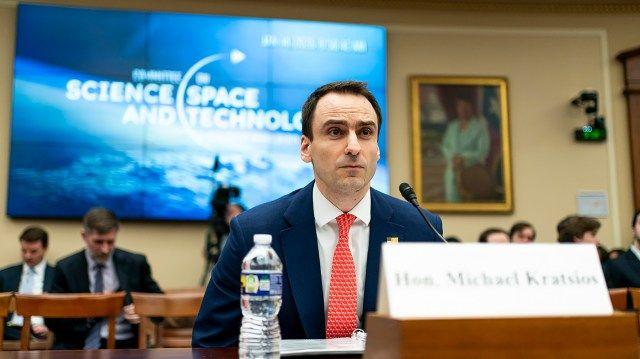
The Trump administration has unveiled its first major response to what it calls industrial-scale theft of AI technology by Chinese entities. In a memo released Thursday, Michael Kratsios, director of the White House Office of Science and Technology Policy, warned that foreign entities principally based in China are engaged in deliberate campaigns to distill US frontier AI systems
1
. The accusations center on model distillation, a process where AI developers train systems using outputs from parent AI models to create similar capabilities at far lower costs3
.
Source: The Hill
According to Kratsios, these Chinese AI firms are leveraging tens of thousands of proxy accounts to evade detection and using jailbreaking techniques to expose proprietary information
5
. The White House has promised to promote wider information sharing among US-based developers and help the industry detect unauthorized extraction of their artificial intelligence models3
.DeepSeek Launches V4 Amid Escalating Tech Rivalry
On the same day the U.S. State Department sent diplomatic cables to embassies worldwide warning about alleged intellectual property theft, DeepSeek released a preview of its V4 large language model
2
. The 1.6 trillion parameter model represents the first major frontier release optimized for Huawei's Ascend AI processors rather than Nvidia hardware2
. V4 comes in two variants: V4-Pro, which costs $3.48 per million output tokens, and V4-Flash at $0.28, dramatically undercutting OpenAI's $30 per million output tokens for GPT-5.4 and Anthropic's $25 for Claude Opus 4.62
. The timing underscores the escalating tech rivalry between the two superpowers as they compete for global supremacy in artificial intelligence.
Source: PC Gamer
Major AI Companies Report Unauthorized Model Extraction
Since DeepSeek's breakthrough launch that rocked global markets, multiple American AI labs have accused Chinese rivals of exploiting American AI models. In January, Google claimed that commercially motivated actors attempted to clone its Gemini AI chatbot by prompting the model more than 100,000 times
1
. The following month, Anthropic accused DeepSeek, Moonshot, and MiniMax of generating over 16 million exchanges with Claude through approximately 24,000 fraudulent accounts1
. OpenAI confirmed that most attacks it detected originated from China and has been investigating whether DeepSeek improperly extracted results from leading American models to develop its R1 chatbot3
. US officials estimate that illicit extraction of results is costing Silicon Valley labs billions of dollars in annual profit3
.Related Stories

National Security Risks and Export Controls Under Scrutiny
The White House clarified that while it supports a vibrant open-source ecosystem, distillation aimed at undermining US research and development investments is unacceptable
3
. American AI companies express concern that distilled models pose national security risks because they lack safeguards that prevent, for example, the development of bioweapons or malicious cyber attacks5
. The State Department cable warned that unauthorized distillation campaigns deliberately strip security protocols from resulting models and undo mechanisms that ensure AI models are ideologically neutral and truth-seeking4
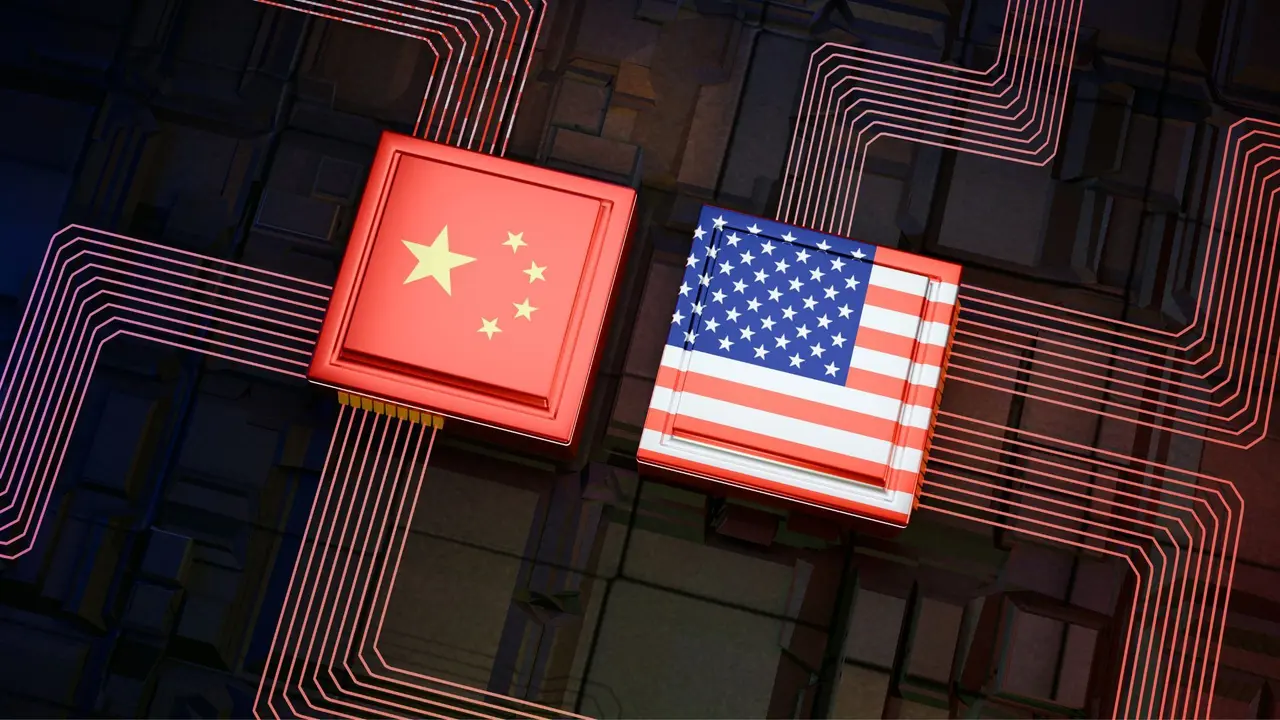
. Chris McGuire, a technology security expert at the Council on Foreign Relations, noted that Chinese AI firms are relying on distillation attacks to offset deficits in AI computing power and illicitly reproduce core capabilities of US models5
.
Source: Interesting Engineering
Congressional Action and Diplomatic Fallout Ahead of US China AI Summit
Congress has received marching orders to treat model extraction as industrial espionage. In an April report, the House's Select Committee on China advised that Congress should direct the Commerce Department's Bureau of Industry and Security and the Department of Justice to impose penalties severe enough to deter Beijing's theft of American innovation
1
. The House Foreign Affairs Committee passed bills designed to make it harder for China to catch up in the AI arms race, including one that requires the administration to consider adding groups employing distillation to an export blacklist5
. China's foreign ministry called the accusations groundless, and DeepSeek has previously said its V3 model relied on naturally occurring data collected through web crawling [2](https://www.tomshardware.com/tech-industry/artificial-intelligence/deepseek-l aunt-1-6-trillion-parameter-v4-on-huawei-chips-as-us-escalates-ai-theft-accusations). The diplomatic cable and accusations arrive just weeks before President Trump is scheduled to visit Chinese President Xi Jinping in Beijing for a summit expected to cover semiconductor export controls and intellectual property disputes2
.References
Summarized by

Navi
[4]
Related Stories
OpenAI accuses DeepSeek of using distillation to copy US AI models and train rival systems
13 Feb 2026•Policy and Regulation

DeepSeek allegedly trained V4 model on banned Nvidia Blackwell chips, denied US chipmakers access
24 Feb 2026•Policy and Regulation

OpenAI Calls for Ban on DeepSeek, Citing National Security Concerns
08 Mar 2025•Policy and Regulation

Recent Highlights



Recent Highlights
Today's Top Stories




Don’t drown in AI news. We cut through the noise - filtering, ranking and summarizing the most important AI news, breakthroughs and research daily. Follow topics that matter to you and stay ahead.


