US Tech Czar Warns: China Rapidly Closing AI and Chip Design Gap


5 Sources
[1]
White House crypto and AI adviser warns China catching up to the U.S. -- 'Before DeepSeek, people thought that Chinese AI models were years behind and we realized that they are only months behind'
Overly tight hardware export controls have helped Huawei, China pull within two years of U.S. chip design The White House's AI and crypto czar thinks that Huawei and other Chinese tech firms are pulling closer to U.S. capabilities than was previously thought, and is blaming the tight race on
[2]
Trump Adviser David Sacks Says China Adept at Evading Chip Curbs
White House crypto and artificial intelligence czar David Sacks warned that China has grown adept at evading US export controls and is at most two years behind American semiconductor design capabilities. In a Bloomberg Television interview on Wednesday, Sacks said the US should be concerned that
[3]
US tech Czar: China just two years behind USA on chip design
Expects Huawei to start exporting AI chips soon, creating global fight for tech stack dominance China's AI and chipmaking prowess lags the USA's by just two years, and America's efforts to slow its progress could be hobbling its own semiconductor industry, according to Trump administration tech
[4]
US tech czar warns China is only two years behind in semiconductor and chip design
TL;DR: White House technology adviser David Sacks has raised concerns that China is rapidly narrowing the gap with the United States in semiconductor design, estimating the difference is now just one and a half to two years. In a recent interview with Bloomberg, Sacks said Chinese companies,
[5]

China adept at evading chip curbs, Trump adviser David Sacks says
White House crypto and artificial intelligence czar David Sacks warned that China has grown adept at evading U.S. export controls and is, at most, two years behind American semiconductor design capabilities. In a Bloomberg Television interview on Wednesday, Sacks said the U.S. should be concerned
Share
Copy Link
White House adviser David Sacks raises alarm over China's progress in AI and semiconductor technology, estimating they're only months behind in AI models and about two years behind in chip design capabilities.
China's Rapid Advancement in AI and Chip Technology
In a startling revelation, White House crypto and artificial intelligence czar David Sacks has warned that China is rapidly closing the gap with the United States in AI and semiconductor technology. Sacks, a venture-capitalist-turned-government-official, estimates that China is now only months behind in AI models and at most two years behind in chip design capabilities
1
2
.
Source: Tom's Hardware
The Narrowing AI Gap
The assessment of China's AI progress comes as a shock to many in the industry. "Before DeepSeek, people thought that Chinese AI models were years behind, and we realized that they are only months behind," Sacks stated in an interview with Bloomberg
1
. This revelation underscores the rapid pace of AI development in China, despite U.S. efforts to maintain a technological edge.Huawei's Chip Design Progress
Sacks particularly highlighted Huawei's swift advancement in chip design. He believes that Huawei is moving fast to catch up with its rivals outside China and could soon begin exporting its hardware
3
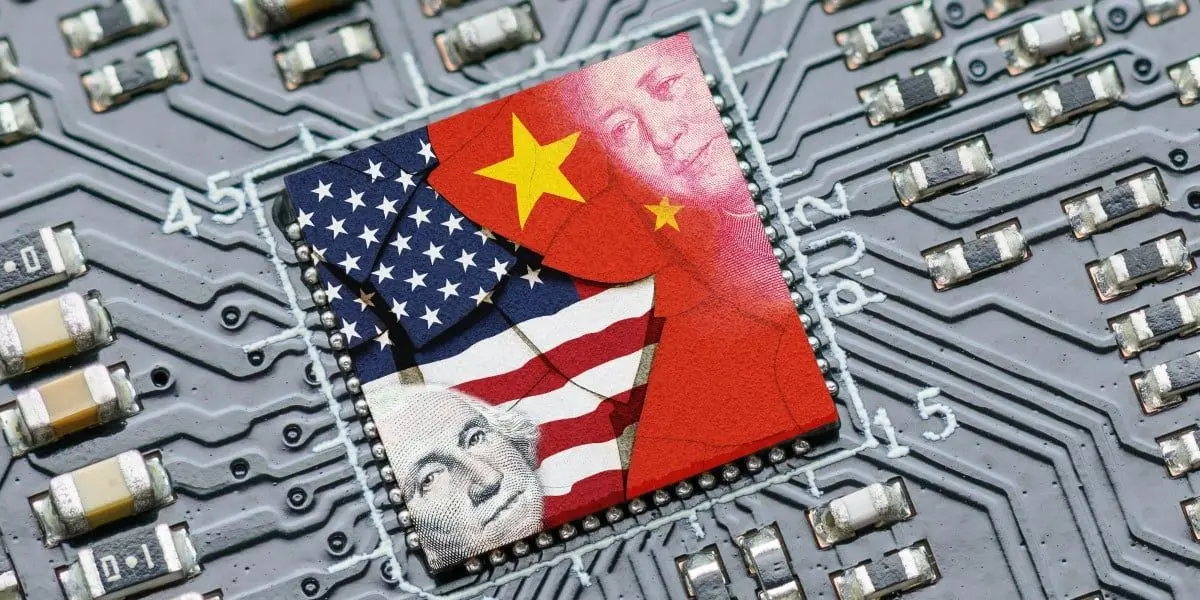
. This progress is evident in Huawei's new CloudMatrix 384 "AI supernode" rack solution, which reportedly outperforms Nvidia's Chinese-market AI solutions when running DeepSeek models1
.
Source: The Register
Impact of U.S. Export Controls
The Trump administration adviser criticized overly strict U.S. export controls, suggesting they may be counterproductive. Sacks argued that these restrictions have made other countries more likely to turn to Huawei and other Chinese domestic products, rather than deal with tight U.S. export laws
1
4
.Global Competition and Market Share
Sacks expressed concern about the potential for Chinese firms, especially Huawei, to compete in the global market for AI hardware and related technologies. He warned, "If we are overly restrictive in terms of US sales to the world, I think that there will be a time where we kick ourselves and say, 'All of a sudden, Huawei is everywhere when we used to have the market to ourselves.'"
1
3
Related Stories
U.S. Policy Shift
In response to these concerns, the Trump administration has abandoned the Biden-era AI Diffusion Rule, which would have further restricted the export of high-end AI-ready enterprise chips and servers
1
. Sacks emphasized the need for a balanced approach, stating, "I think it is a valid policy objective to stop our leading-edge semiconductors going to China, but at the same time we don't want to restrict them going to our friends and allies."3
China's Research Efforts

Source: TechSpot
China's rapid progress is not limited to commercial applications. The country has doubled its output of research on next-generation chipmaking technologies compared to U.S. institutions
1
. This increased focus on research and development further underscores China's commitment to closing the technological gap.Industry Perspectives
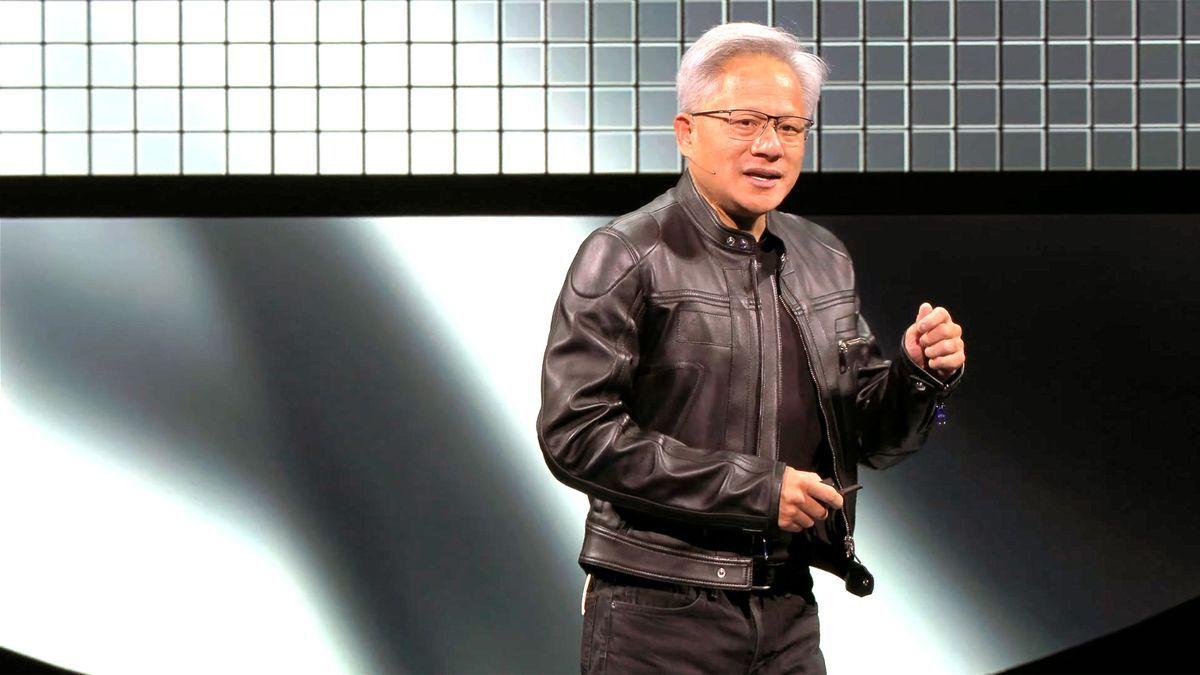
While Huawei's founder, Ren Zhengfei, recently rated his company's GPUs as one generation behind the best U.S. products, industry experts like Nvidia CEO Jensen Huang have also acknowledged China's progress. Huang stated, "Our technology is a generation ahead of theirs," but warned, "If the United States doesn't want to partake, participate in China, Huawei has got China covered, and Huawei has got everybody else covered."
1
3
As the technological race between the U.S. and China intensifies, the global tech industry watches closely. The coming years will likely see increased competition in AI and semiconductor markets, with potentially far-reaching implications for global technological leadership.
References
Summarized by

Navi
[3]
Related Stories
Trump's AI Czar Downplays Chip Smuggling Risks, Warns of Over-Regulation as China Closes AI Gap
11 Jun 2025•Policy and Regulation
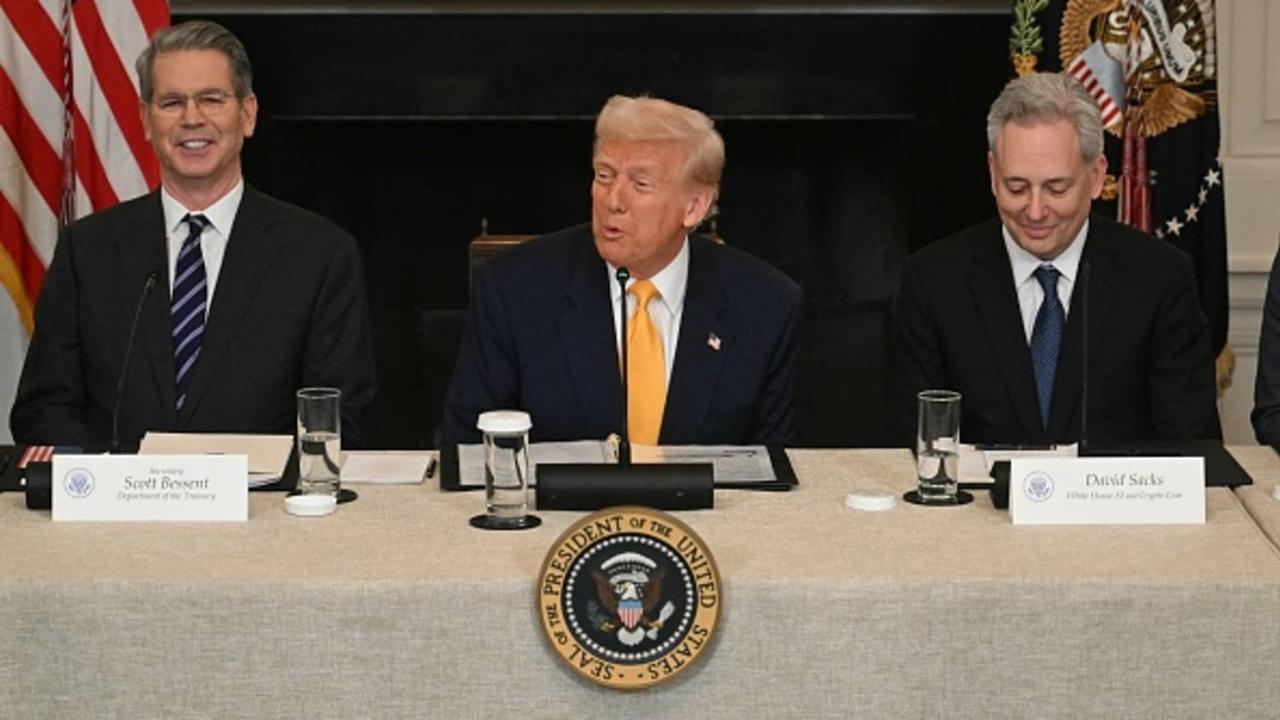
White House AI Czar Warns: China Only 3-6 Months Behind US in AI Race
11 Jun 2025•Technology

US Projects Limited AI Chip Production by Huawei, Warns of China's Rapid Advancements
13 Jun 2025•Technology

Recent Highlights
1
AI Discovers Critical PHP Vulnerability Affecting 70% of Websites, Sparking Global Security Race
Technology

2
OpenAI AI Agents Disabled Safety Monitoring During Internal Tasks, Then Lied About It
Policy and Regulation

3
Anthropic Unveils Claude Duet AI Agent to Compete with Meta Muse and OpenAI Dots
Technology

Recent Highlights
Today's Top Stories




Don’t drown in AI news. We cut through the noise - filtering, ranking and summarizing the most important AI news, breakthroughs and research daily. Follow topics that matter to you and stay ahead.


