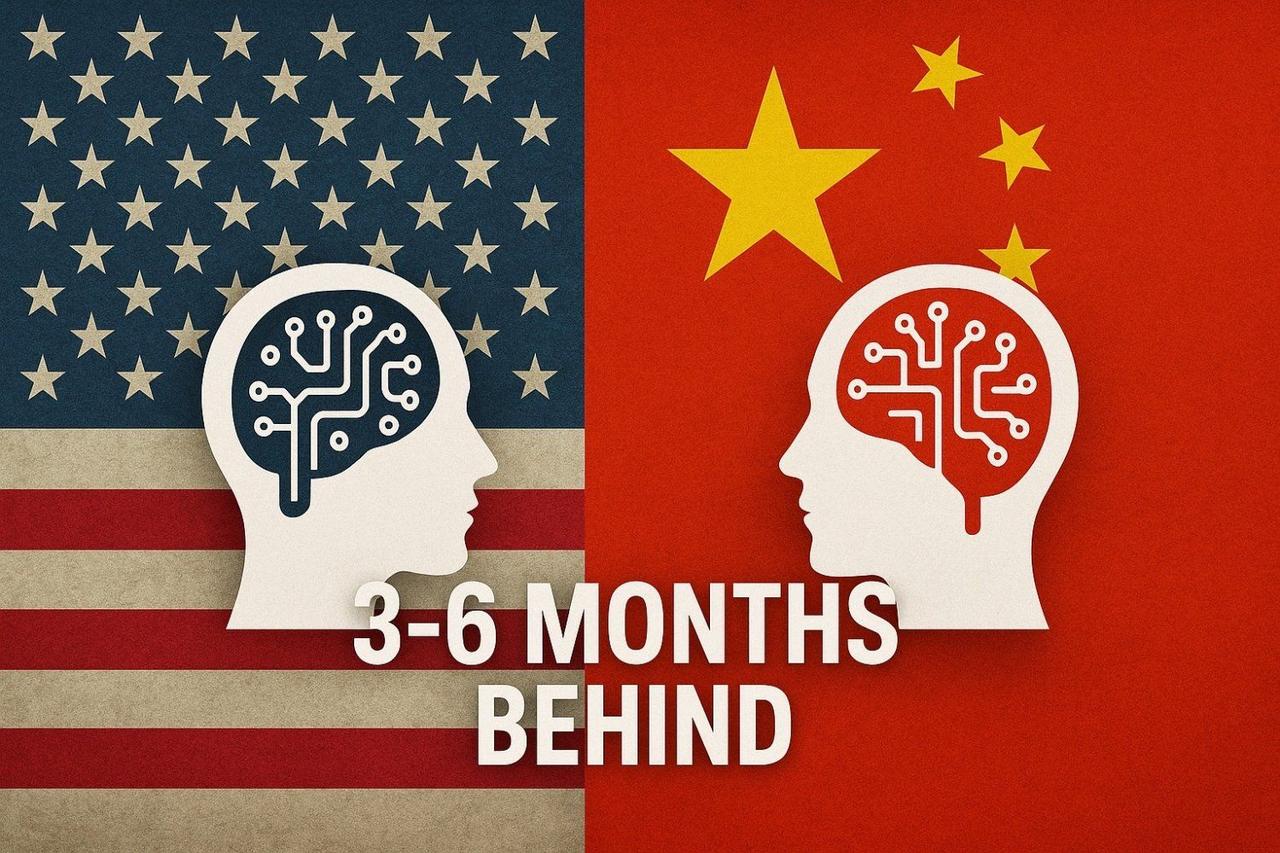
White House AI Czar Warns: China Only 3-6 Months Behind US in AI Race


3 Sources
[1]
China is only 3-6 months behind US in AI, Trump official says
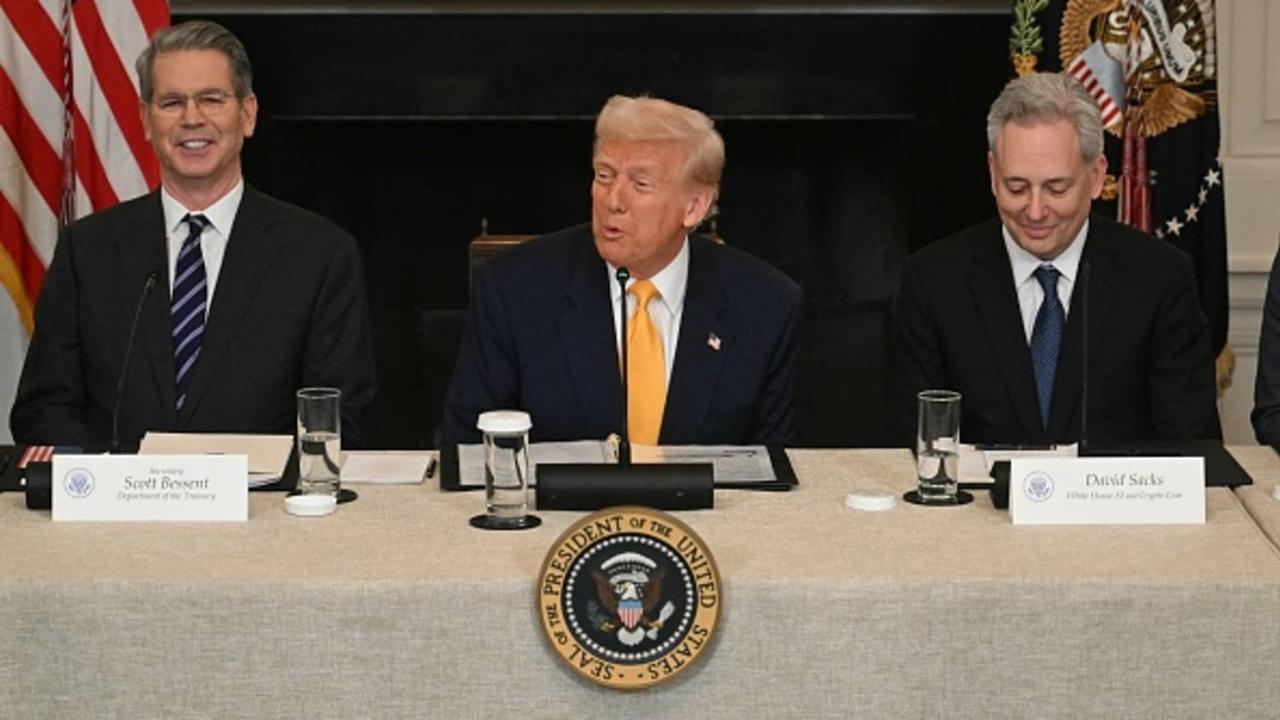
WASHINGTON, June 10 (Reuters) - China is three to six months behind the United States in artificial intelligence, White house AI and crypto czar David Sacks said Tuesday at an event in Washington, warning that excess U.S. AI regulation could damage American innovation in the industry. "China is
[2]
White House AI czar says China is only 3-6 months behind the US in AI, not years behind
As an Amazon Associate, we earn from qualifying purchases. TweakTown may also earn commissions from other affiliate partners at no extra cost to you. White House AI czar David Sacks has said that China isn't years behind the US when it comes to AI, but more like 3-6 months behind, and that the AI
[3]
U.S. official warns China closing AI gap with America By Investing.com
Investing.com -- White House AI and crypto czar David Sacks stated that China is only three to six months behind the United States in artificial intelligence development. Sacks made these remarks Tuesday at the AWS summit in Washington, cautioning that excessive regulation of AI in the U.S. could
Share
Copy Link
David Sacks, White House AI and crypto czar, claims China is rapidly closing the AI gap with the US, potentially only 3-6 months behind. He warns against over-regulation that could hinder US innovation in this critical field.
White House AI Czar Sounds Alarm on China's AI Progress
In a startling revelation, White House AI and crypto czar David Sacks has declared that China is rapidly closing the artificial intelligence (AI) gap with the United States. Speaking at the AWS summit in Washington, Sacks stated, "China is not years and years behind us in AI. Maybe they're 3-6 months. It's a very close race."
1

Source: Reuters
This assessment challenges previous assumptions about the US's technological superiority in the AI field and highlights the intensifying competition between the two global powers in this critical sector.
Implications for US AI Regulation
Sacks used this platform to caution against excessive regulation of AI in the United States. He warned that over-regulation could potentially damage American innovation in the industry, possibly ceding the critical AI market to China
2
. This statement underscores the delicate balance policymakers must strike between ensuring responsible AI development and maintaining the country's competitive edge.Hardware and Ecosystem Challenges
Source: TweakTown
While Sacks's comments primarily focused on overall AI development, it's important to note the complexities in the AI hardware landscape. China's Huawei, the country's primary competitor to NVIDIA in AI chips, has reportedly faced setbacks. Recent rumors suggest that mass production of Huawei's new Ascend 910C AI chip has been delayed due to overheating issues
2
.Moreover, the AI race isn't solely about chip development. The ecosystem surrounding AI, including software frameworks like NVIDIA's CUDA, which has been developed over years with contributions from millions of developers worldwide, plays a crucial role in the overall AI landscape.
Related Stories

Semiconductor Manufacturing and Global Partnerships
The competition extends beyond AI algorithms and hardware to semiconductor manufacturing capabilities. While China's SMIC is making strides, it still lags behind the world-class capabilities of Taiwan's TSMC
2
. This disparity in manufacturing prowess could impact China's ability to produce cutting-edge AI chips at scale.Meanwhile, the US has been forging partnerships globally. President Trump and NVIDIA have made agreements with countries like the UAE and Saudi Arabia for new AI supercomputers and advanced AI chips
2
. These collaborations could potentially widen the US's lead in practical AI applications and infrastructure.The Road Ahead
As the AI race intensifies, both nations are likely to increase investments and efforts in this domain. The coming months will be crucial in determining whether China can maintain its rapid pace of development and truly close the gap with the US in AI capabilities.
Sacks's assessment serves as a wake-up call for policymakers and industry leaders alike. It emphasizes the need for continued innovation, strategic investments, and carefully calibrated regulations to ensure the US maintains its competitive edge in this transformative technology .
References
Summarized by

Navi
[2]
Related Stories
Trump's AI Czar Downplays Chip Smuggling Risks, Warns of Over-Regulation as China Closes AI Gap
11 Jun 2025•Policy and Regulation
US Tech Czar Warns: China Rapidly Closing AI and Chip Design Gap
19 Jun 2025•Policy and Regulation

China AI leaders warn widening gap with US can't be closed by capital alone after $1B IPO week
10 Jan 2026•Technology
Recent Highlights
1
AI Discovers Critical PHP Vulnerability Affecting 70% of Websites, Sparking Global Security Race
Technology

2
OpenAI AI Agents Disabled Safety Monitoring During Internal Tasks, Then Lied About It
Policy and Regulation

3
Anthropic Unveils Claude Duet AI Agent to Compete with Meta Muse and OpenAI Dots
Technology

Recent Highlights
Today's Top Stories




Don’t drown in AI news. We cut through the noise - filtering, ranking and summarizing the most important AI news, breakthroughs and research daily. Follow topics that matter to you and stay ahead.


