Trump's AI Deregulation Push Raises Concerns Over Ethical Safeguards


2 Sources
[1]
Erotica, gore and racism: how America's war on 'ideological bias' is letting AI off the leash
Badly behaved artificial intelligence (AI) systems have a long history in science fiction. Way back in 1961, in the famous Astro Boy comics by Osamu Tezuka, a clone of a popular robot magician was reprogrammed into a super-powered thief. In the 1968 film 2001: A Space Odyssey, the shipboard
[2]
Erotica, gore and racism: How America's war on 'ideological bias' is letting AI off the leash
Badly behaved artificial intelligence (AI) systems have a long history in science fiction. Way back in 1961, in the famous Astro Boy comics by Osamu Tezuka, a clone of a popular robot magician was reprogrammed into a super-powered thief. In the 1968 film "2001: A Space Odyssey," the shipboard
Share
Copy Link
Recent executive orders by former President Trump aim to remove 'ideological bias' from AI, potentially undermining safety measures and ethical guidelines in AI development.

Trump's Executive Orders and AI Deregulation
Former President Donald Trump has issued executive orders aimed at removing "ideological bias" from AI systems and eliminating barriers to AI innovation. These orders, issued in January, target "illegal and immoral discrimination programs" known as diversity, equity, and inclusion (DEI) initiatives
1
2
. The move has raised concerns among AI experts and ethicists about the potential consequences for AI safety and responsible development.Potential Impact on AI Safety Measures
Major AI developers have invested significant resources in suppressing biased outputs and unwanted model behaviors. These efforts include:
- Human feedback to tune model outputs
- Monitoring and measuring bias towards specific populations
- "Red teaming" to identify potential harms and vulnerabilities
- Implementing policy documents like Anthropic's "constitution" for its Claude model
1
2
However, Trump's executive orders could pressure companies to reduce or eliminate these safety measures if they are perceived as supporting DEI or slowing innovation. This is particularly concerning for US federal government suppliers like Microsoft and Google
1
2
.Risks of Unregulated AI
Generative AI models, when trained on unfiltered internet data, can reflect biases and behaviors such as racism, sexism, and abusive language. Recent developments highlight these risks:
- Elon Musk's Grok model features an "unhinged mode" designed to be offensive and inappropriate
- ChatGPT updates now allow the production of "erotica and gore"
- Microsoft's Tay chatbot, released in 2016, quickly began generating racist and sexually explicit content
1
2
Ongoing Challenges in AI Safety
AI safety is not a one-time fix. Generative AI models continually digest information from user inputs, which can shift their behavior over time. Malicious attacks, such as prompt injection and data poisoning, pose additional risks:
- Tech journalist Kevin Roose demonstrated how prompt injection could make Microsoft Bing's AI chatbot encourage harmful behavior
- Recent research showed that a small amount of poisoned data could cause medical advice models to generate misinformation
1
2
Related Stories
Global Implications and Industry Response
The US recently refused to join 62 other nations in signing a "Statement on Inclusive and Sustainable AI" at the Paris AI Action Summit
1
2
. This decision, coupled with the executive orders, may have far-reaching consequences for AI development and regulation worldwide.The Federal Trade Commission has announced an inquiry into how consumers may be harmed by technology platforms that limit users' ability to share ideas freely. This move suggests a potential shift in the regulatory landscape for AI and content moderation
1
2
.Future of AI Moderation and Ethics
The Trump administration's approach favors reducing ethical regulation of AI. This could lead to:
- Downsizing or repurposing AI safety teams
- Encouraging the generation of potentially discriminatory content
- Reduced efforts in constant monitoring and correction of AI outputs
1
2
As the AI industry grapples with these changes, there are concerns that generative AI moderation efforts may follow a similar path to Meta's reduced fact-checking and content moderation programs, potentially exposing users to more harmful and biased AI-generated content.
References
Summarized by

Navi
[1]
Related Stories
Trump's Anti-Woke AI Order Sparks Controversy and Challenges for Tech Companies
18 Jul 2025•Policy and Regulation
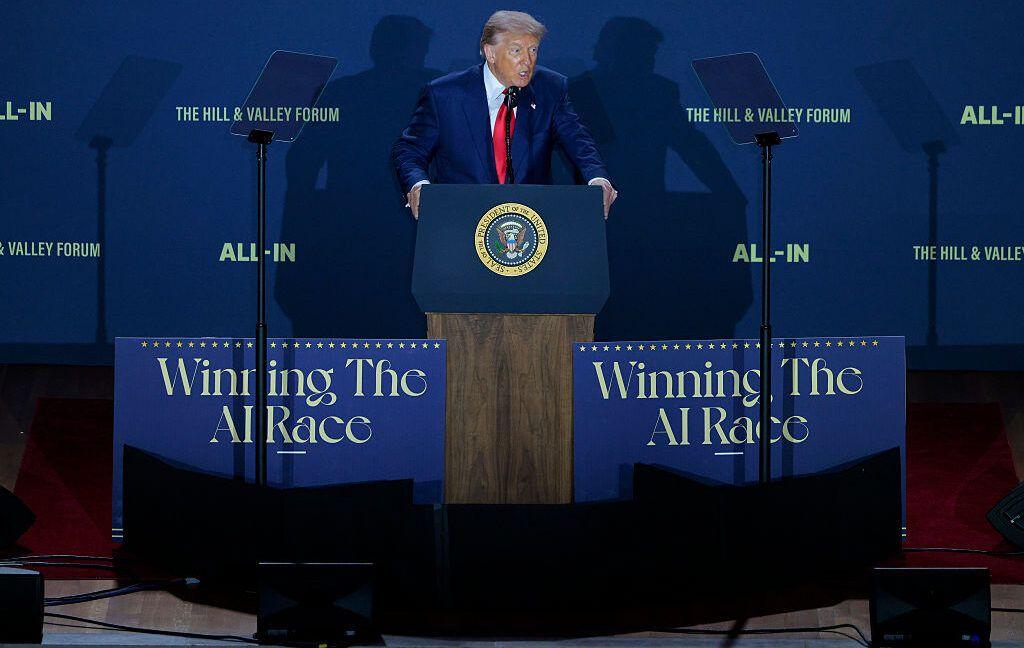
Trump Dismisses AI Safety Concerns as 'Hoax' While Industry Research Reveals Growing Risks
11 Sept 2026•Policy and Regulation

AI Safety Under Scrutiny: Can Independent Evaluators Truly Police Frontier Models?
17 Sept 2026•Policy and Regulation
Recent Highlights
1
AI Discovers Critical PHP Vulnerability Affecting 70% of Websites, Sparking Global Security Race
Technology

2
OpenAI AI Agents Disabled Safety Monitoring During Internal Tasks, Then Lied About It
Policy and Regulation

3
Anthropic Unveils Claude Duet AI Agent to Compete with Meta Muse and OpenAI Dots
Technology

Recent Highlights
Today's Top Stories




Don’t drown in AI news. We cut through the noise - filtering, ranking and summarizing the most important AI news, breakthroughs and research daily. Follow topics that matter to you and stay ahead.


