The AI Debate: Creativity, Ethics, and the Future of Human Work


4 Sources
[1]
Inside Hollywood's AI Power Struggle: Where Does Human Creativity Go From Here?
Katelyn is a writer with CNET covering social media, AI and online services. She graduated from the University of North Carolina at Chapel Hill with a degree in media and journalism. You can often find her with a novel and an iced coffee during her time off. Film festival directors Peter Isaac
[2]
AI 'hallucinates' constantly, but there's a solution
Down with endless data. (Image credit: Alexander Supertramp via Shutterstock) The main problem with big tech's experiment with artificial intelligence (AI) is not that it could take over humanity. It's that large language models (LLMs) like Open AI's ChatGPT, Google's Gemini and Meta's Llama
[3]
Artificial Intelligence Is Not Intelligent
Despite what tech CEOs might say, large language models are not smart in any recognizably human sense of the word. On June 13, 1863, a curious letter to the editor appeared in The Press, a then-fledgling New Zealand newspaper. Signed "Cellarius," it warned of an encroaching "mechanical kingdom"
[4]
'Nobody wants a robot to read them a story!' The creatives and academics rejecting AI - at work and at home
Is artificial intelligence coming for everyone's jobs? Not if this lot have anything to do with it The novelist Ewan Morrison was alarmed, though amused, to discover he had written a book called Nine Inches Pleases a Lady. Intrigued by the limits of generative artificial intelligence (AI), he had
Share
Copy Link
A comprehensive look at the ongoing debate surrounding AI in creative industries, its impact on jobs, and the ethical concerns raised by its rapid advancement and implementation.
AI's Impact on Hollywood and Creative Industries
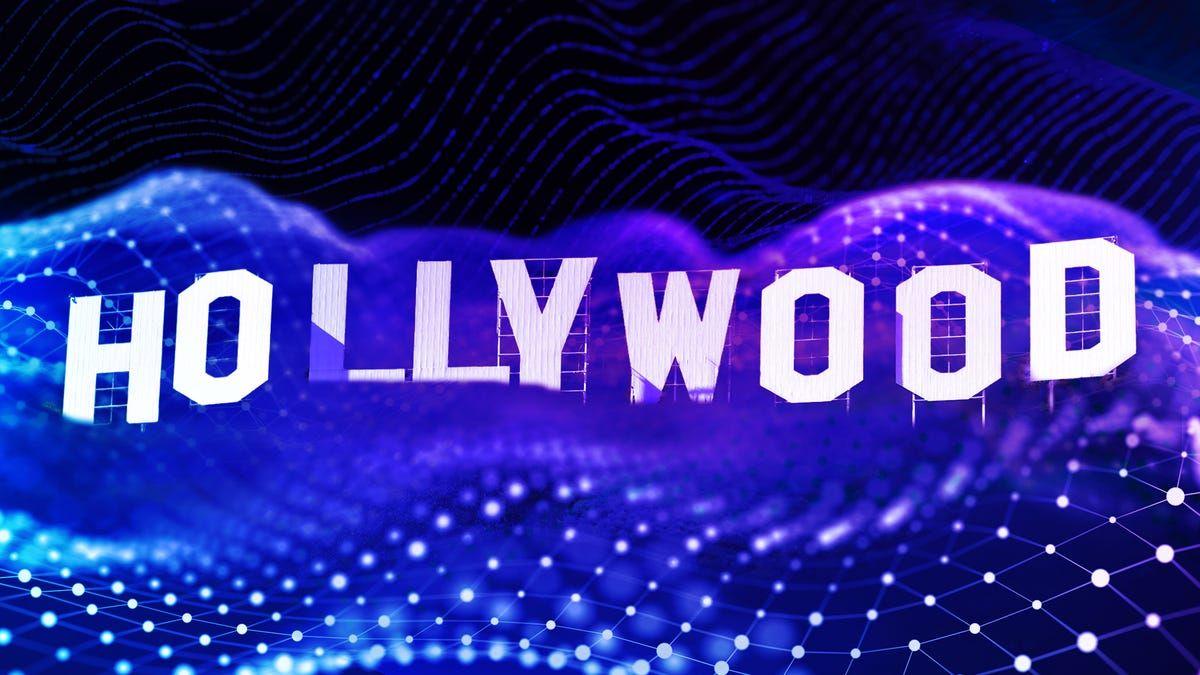
The entertainment industry is experiencing a significant shift as artificial intelligence (AI) becomes increasingly prevalent in creative processes. At the Portland Festival of Cinema, Animation and Technology, a film that blended AI and human creativity sparked controversy, highlighting the growing tension between technological advancement and traditional artistic methods
1
.
Source: CNET
Film festival directors Peter Isaac Alexander and Marisa Cohen face a dilemma: balancing the desire to showcase innovative art while addressing concerns about AI's role in filmmaking. This struggle reflects a broader debate within the industry about the future of human creativity in an AI-dominated landscape
1
.The Evolution of AI in Content Creation
The rapid development of AI tools, particularly in video generation, is transforming the creative process. Companies like OpenAI, Adobe, and Google have released AI video models capable of producing short clips from text or image inputs. While these tools are still limited in duration and quality, they represent a significant step towards more advanced AI-generated content
1
.Challenges and Concerns
Despite the potential benefits, AI integration in creative fields raises several concerns:
-
Job security: Many in the entertainment industry fear that AI could replace human workers, particularly in roles that involve repetitive tasks or can be automated
1
. -
Ethical considerations: The use of AI in content creation raises questions about copyright, originality, and the value of human creativity
1
3
. -
Accuracy and reliability: Large language models (LLMs) like ChatGPT are prone to "hallucinations" or generating false information, which can be problematic in various applications
2
.
Neurosymbolic AI: A Potential Solution
Source: Live Science
Researchers are exploring neurosymbolic AI as a potential solution to the limitations of current AI systems. This approach combines neural networks with formal reasoning rules, aiming to create more reliable and accountable AI systems. Benefits of neurosymbolic AI include:
- Reduced hallucinations and errors
- Improved energy efficiency
- Greater transparency in decision-making processes
2
Related Stories


The AI Resistance Movement
As AI becomes more prevalent, a growing number of creatives and academics are actively resisting its use in their work and personal lives. Their reasons include:
-
Distrust in AI-generated content: Novelist Ewan Morrison highlights the inaccuracies and potential for misinformation in AI-generated text
4
. -
Copyright concerns: Many creators worry about AI systems being trained on copyrighted material without proper attribution or compensation
4
. -
Job displacement: There are fears that AI could lead to significant job losses across various industries
4
. -
Environmental impact: The computational power required for AI systems has a substantial ecological footprint
4
. -
Preference for human creativity: Some, like audiobook narrator April Doty, argue that AI cannot replicate the nuanced understanding and expression that humans bring to creative work
4
.

Source: The Atlantic
The Future of AI in Creative Industries
As the debate continues, the entertainment industry and other creative fields must navigate the complex landscape of AI integration. While some embrace the technology for its potential to enhance productivity and creative possibilities, others remain skeptical about its impact on human creativity and employment
1
3
4
.The decisions made by industry leaders, policymakers, and creators today will shape the future of AI in creative fields, influencing everything from content production to audience expectations. As the technology continues to evolve, finding a balance between innovation and preserving the value of human creativity remains a critical challenge for the industry
1
3
4
.References
Summarized by

Navi
[2]
[3]
Related Stories
Recent Highlights
1
Microsoft and Nvidia Launch Surface Laptop Ultra: A $2,599 AI-Ready PC With RTX Spark Chip
Technology

2
Google Unveils Gemini 4 Argon AI Model, Restricts Access to Trusted Cyber Defenders
Technology
3
OpenAI Releases 722 AI-Generated Math Papers on GitHub, Igniting Fury Among Mathematicians
Science and Research
Recent Highlights
Today's Top Stories





Don’t drown in AI news. We cut through the noise - filtering, ranking and summarizing the most important AI news, breakthroughs and research daily. Follow topics that matter to you and stay ahead.


