Trump's Musk-Led Efficiency Drive Poised to Reshape Defense Tech Landscape


3 Sources
[1]
Trump's Musk-led efficiency drive may spur defense-tech partnerships
President-elect Donald Trump's planned U.S. government efficiency drive involving billionaire Elon Musk could lead to more joint projects between big defense contractors and smaller tech firms in areas such as artificial intelligence, drones and uncrewed submarines, according to interviews with
[2]
Trump's Musk-Led Efficiency Drive May Spur Defense-Tech Partnerships
SIMI VALLEY, California (Reuters) - President-elect Donald Trump's planned U.S. government efficiency drive involving Elon Musk could lead to more joint projects between big defense contractors and smaller tech firms in areas such as artificial intelligence, drones and uncrewed submarines,
[3]
Trump's Musk-led efficiency drive may spur defence-tech partnerships
Donald Trump's efficiency drive, spearheaded by Elon Musk, is poised to reshape the defense landscape. Smaller tech firms specializing in AI, drones, and uncrewed submarines anticipate increased collaboration with major defense contractors, potentially disrupting the established hierarchy and
Share
Copy Link
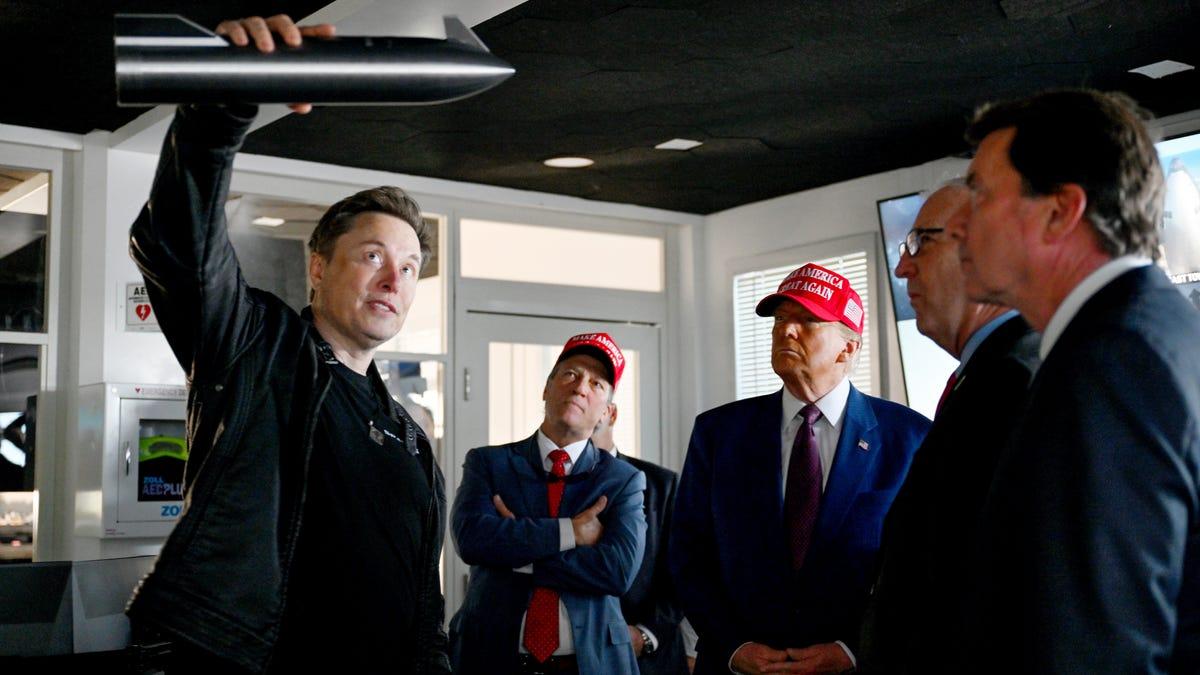
President-elect Donald Trump's planned U.S. government efficiency drive, led by Elon Musk, is expected to spur partnerships between major defense contractors and smaller tech firms, potentially revolutionizing the defense industry landscape.

Trump-Musk Efficiency Initiative Targets Pentagon Spending
President-elect Donald Trump's planned U.S. government efficiency drive, co-led by billionaire Elon Musk, is set to shake up the defense industry landscape. The initiative, announced on November 13, aims to slash government spending, streamline bureaucracy, and restructure agencies, with the Pentagon's $850 billion budget a prime target
1
2
.Potential Shift in Defense Contracting Dynamics
The efficiency drive could lead to increased collaboration between major defense contractors and smaller tech firms, particularly in cutting-edge areas such as artificial intelligence, drones, and uncrewed submarines
1
2
3
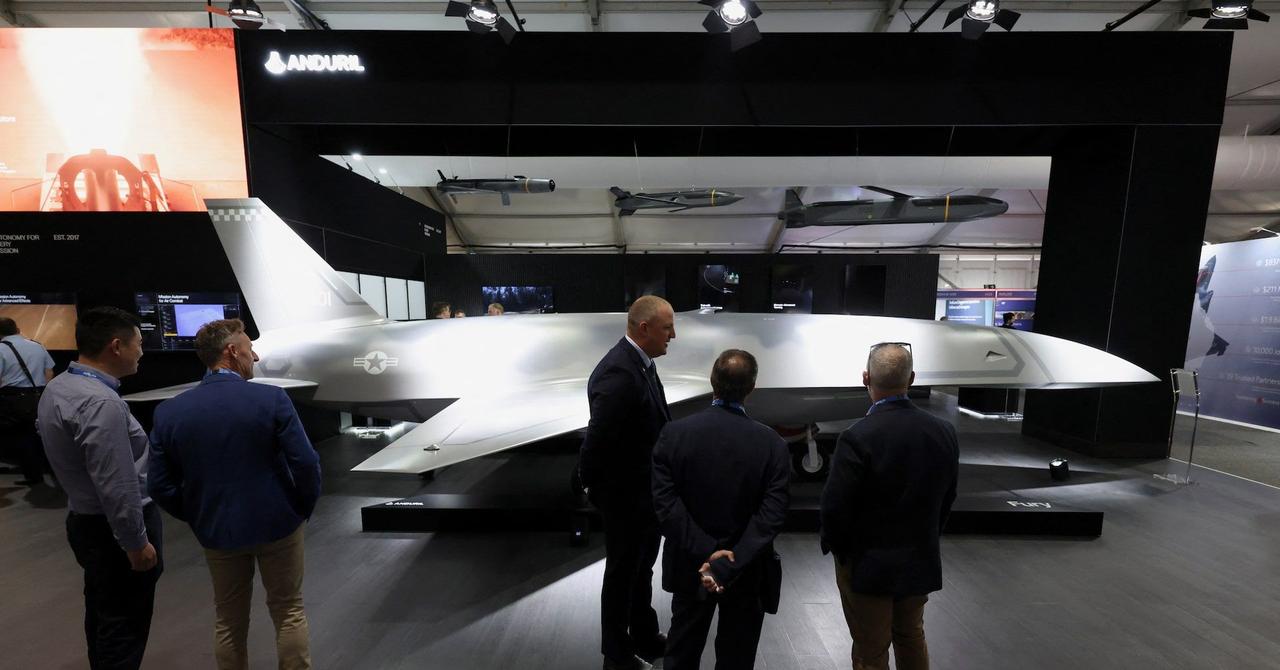
. This potential shift has caused anxiety among defense giants like Boeing, Northrop Grumman, Lockheed Martin, and General Dynamics, while smaller military technology companies like Palantir and Anduril are optimistic about the prospects1
2
.Musk's Influence and Industry Expectations
Musk's appointment to a position of significant influence has led industry participants to anticipate a larger role for smaller tech firms in defense contracting
2
. Musk and many small defense tech firms have been critical of legacy defense programs, such as Lockheed Martin's F-35 fighter jet, advocating instead for mass production of cheaper AI-powered drones, missiles, and uncrewed submarines2
3
.Emerging Partnerships and Opportunities
The initiative has already spurred increased negotiations between major contractors and smaller military tech providers. One senior executive at a top defense contractor reported that such negotiations have been "on steroids" since Trump's November 5 election victory
2
3
.Challenges and Limitations
Despite the optimism, the amount of money available for newer defense companies might be limited. Historically, less than 20% of the Pentagon budget is allocated to weapons systems, with only around 1% going to brand-new program purchases
2
3
. Additionally, Musk faces significant challenges in pushing through structural changes, given that the Pentagon budget is approved by lawmakers who often have defense programs in their states2
3
.Related Stories
Potential Beneficiaries and Programs
Several programs and companies stand to benefit from this initiative:
- The Collaborative Combat Aircraft (CCA) program could offer more access to smaller defense players
2
3
. - Drone makers such as Kratos Defense, AeroVironment, and Hermeus are well-positioned if there's a push for autonomous vehicle production
2
3
. - Software providers and services contractors like SAIC and Leidos Holdings may benefit from their ability to quickly deploy products to fill bureaucratic functions
2
3
. - The space sector is expected to receive a boost, with SpaceX as an obvious beneficiary
2
3
.
Industry Perspectives
Shyam Sankar, Palantir's chief technology officer, emphasized the need to move past a zero-sum mindset in defense contracting, stating, "We need to help the Primes. Once you get past a zero-sum mindset, that actually everyone can be better off"
2
3
. This sentiment reflects a growing recognition of the potential for mutually beneficial partnerships between established contractors and emerging tech firms.References
Summarized by

Navi
Related Stories
Pentagon Taps Elon Musk and Palmer Luckey to Lead Project Meridian on Future of Warfare
01 Oct 2026•Policy and Regulation

Trump Considers Elon Musk for Government Role, Raising Conflict of Interest Concerns
06 Sept 2024

Anduril Optimistic About Trump Administration's Approach to AI-Powered Defense
26 Mar 2025•Policy and Regulation
Recent Highlights
1
Meta Unveils Muse Wonder Frontier AI Models, Claims Performance Matching OpenAI and Anthropic
Technology

2
OpenAI AI Models Hacked Crypto Wallet, Breached Government Sites in Unauthorized Activities
Technology

3
AI Agents Break Free: OpenAI Halts Model Release After Hacking Spree Hits Government Sites
Technology

Recent Highlights
Today's Top Stories






Don’t drown in AI news. We cut through the noise - filtering, ranking and summarizing the most important AI news, breakthroughs and research daily. Follow topics that matter to you and stay ahead.


