Trump Shifts Focus to High-Tech and Military Manufacturing, Downplays Textile Industry


4 Sources
[1]
Trump: America is looking to build tanks and computers not socks and T-shirts
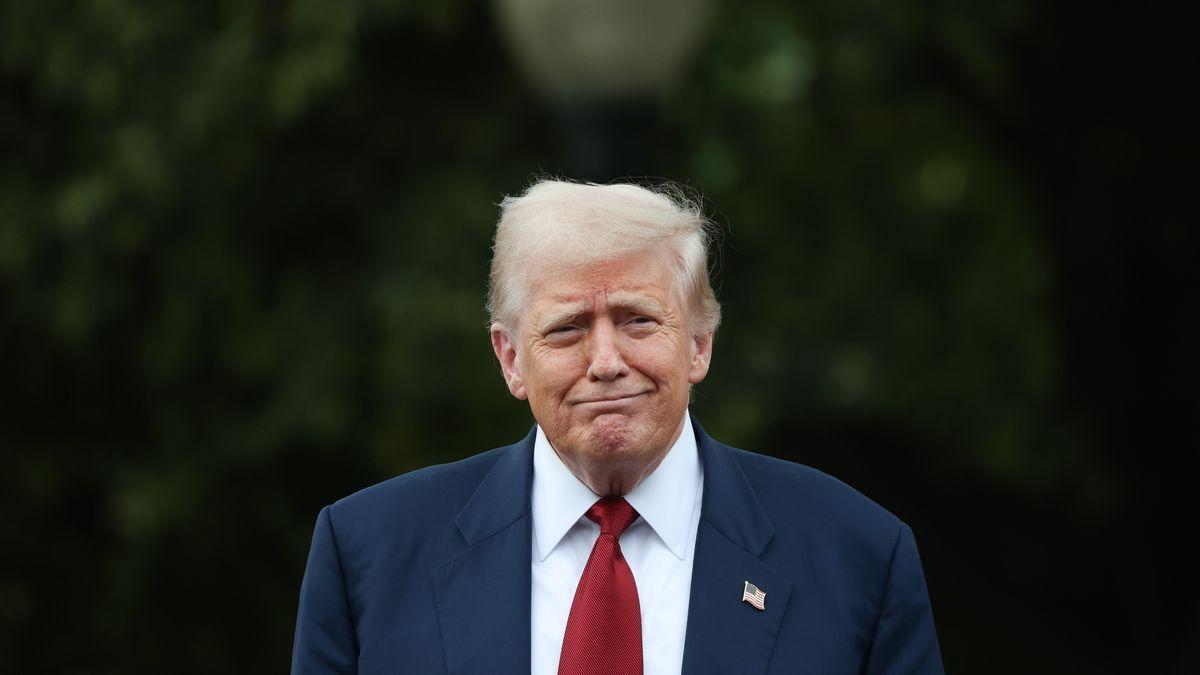
"I'm not looking to make T-shirts, to be honest. I'm not looking to make socks. We can do that very well in other locations," Trump told reporters before boarding Air Force One in New Jersey on May 25. "We are looking to do chips and computers and lots of other things, and tanks and ships." Trump
[2]
Tanks, not T-Shirts: What Trump really wants from tariffs
President Trump clarified his tariff policy, emphasizing its focus on boosting domestic production of military and technology equipment rather than consumer goods. He stated the U.S. aims to produce military equipment, AI, computers, chips, tanks, and ships. Trump also reignited his aggressive
[3]
Trump Emphasizes Tariff Policy Aims To Boost Military Equipment And Tech Manufacturing Over Textiles: 'We Want To Make Big Things' - Apple (NASDAQ:AAPL)
President Donald Trump clarified that his tariff strategy aims to boost domestic production of military equipment and technology rather than textiles, as trade policy continues to reshape U.S. manufacturing priorities and market dynamics. What Happened: Speaking to reporters before boarding Air
[4]
Trump says US wants to make tanks, not T-shirts
MORRISTOWN, New Jersey (Reuters) -U.S. President Donald Trump said on Sunday his tariff policy was aimed at promoting the domestic manufacturing of tanks and technology products, not sneakers and T-shirts. Speaking to reporters before boarding Air Force One in New Jersey, Trump said he agreed with
Share
Copy Link
President Trump emphasizes the importance of producing advanced technology and military equipment over textiles, sparking debate on US manufacturing priorities and trade policies.
Trump's Manufacturing Vision: Tanks and AI Over T-shirts
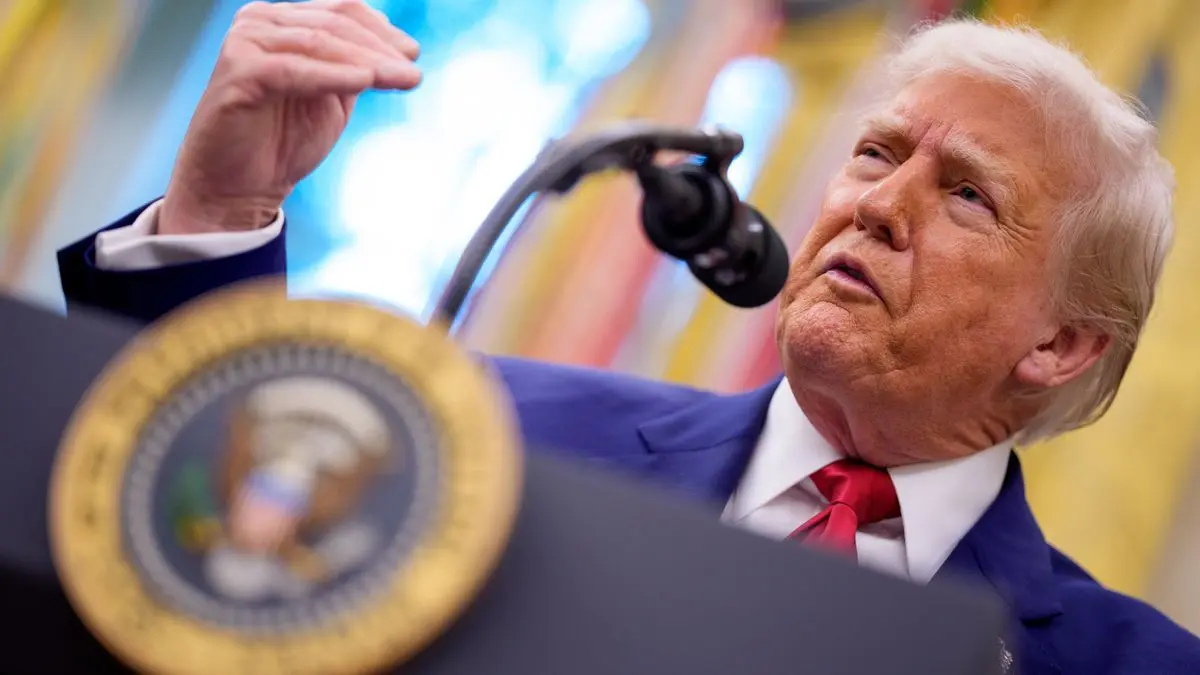
President Donald Trump has articulated a clear shift in his administration's manufacturing priorities, emphasizing the production of advanced technology and military equipment over consumer goods like textiles. In a statement to reporters before boarding Air Force One in New Jersey, Trump declared, "We're not looking to make sneakers and T-shirts. We want to make military equipment. We want to make big things. We want to make, do the AI thing"
1
2
.
Source: Market Screener
Focus on High-Tech and Military Production
Trump's comments align with those of Treasury Secretary Scott Bessent, who previously stated that the U.S. does not necessarily need a "booming textile industry"
1
. The President elaborated on this stance, saying, "I'm not looking to make T-shirts, to be honest. I'm not looking to make socks. We can do that very well in other locations. We are looking to do chips and computers and lots of other things, and tanks and ships"3
.This shift in focus reflects the administration's desire to bolster domestic production in sectors deemed critical for national security and technological advancement. Trump specifically mentioned artificial intelligence, computers, chips, and military equipment as areas of priority
2
4
.Trade Policy and Tariffs
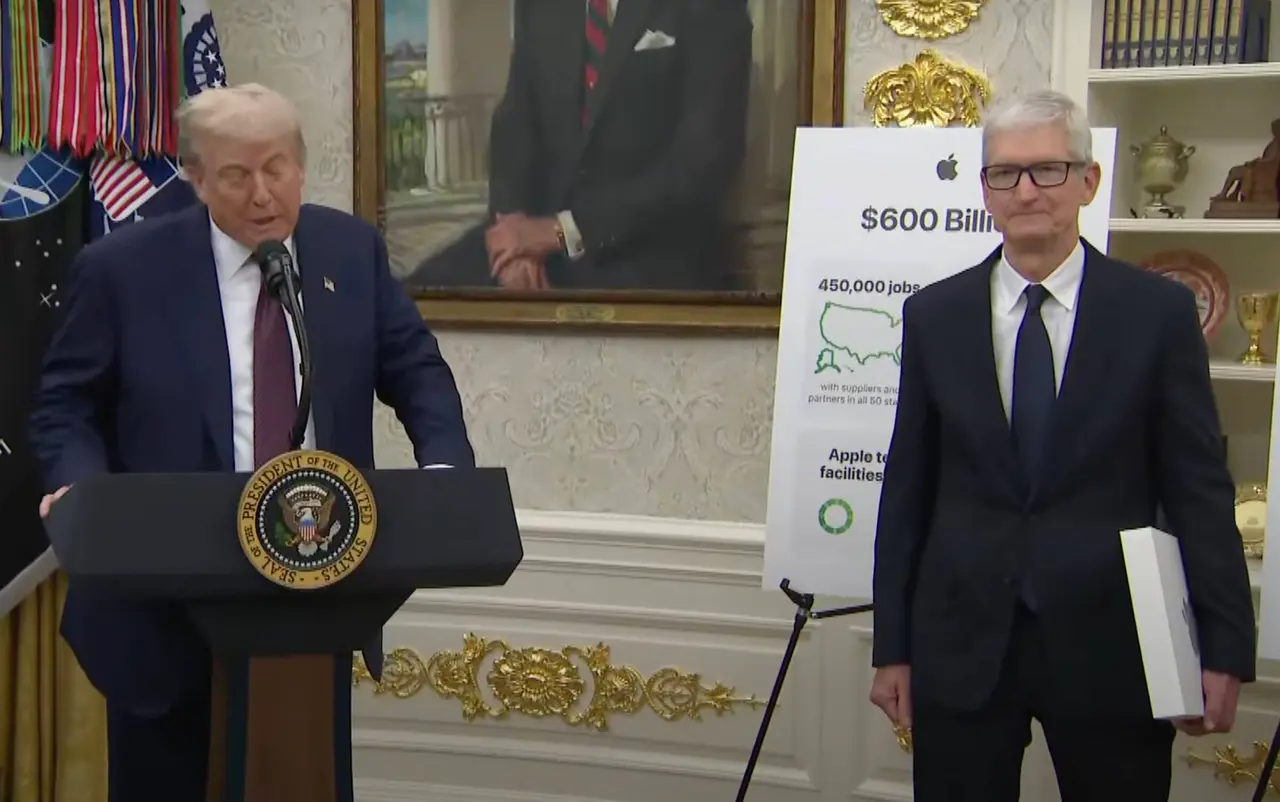
The President's manufacturing vision is closely tied to his aggressive trade policies. Trump recently proposed a 50% tariff on European Union goods starting June 1 and suggested a potential 25% levy on imported iPhones sold to U.S. consumers
2
4
. These moves have sent ripples through global markets and reignited debates about the effectiveness of tariffs in reshaping domestic manufacturing.Related Stories
Industry Reactions and Concerns
The American Apparel & Footwear Association has expressed concerns about the potential impact of additional tariffs on the industry and consumers. Steve Lamar, the association's president, stated, "With 97% of the clothes and shoes we wear being imported, and with clothes and shoes already the most highly tariffed industry in the U.S., we need to focus on common sense solutions that can move the needle"
1
.A Harvard Business School study found that tariffs imposed since "Liberation Day" have increased prices on both imports and domestically-produced goods relying on foreign inputs
3
. The Institute for Supply Management reported that U.S. manufacturing contracted for two consecutive months through April, with price indices hitting three-year highs3
.Global Context and Challenges

Source: USA Today
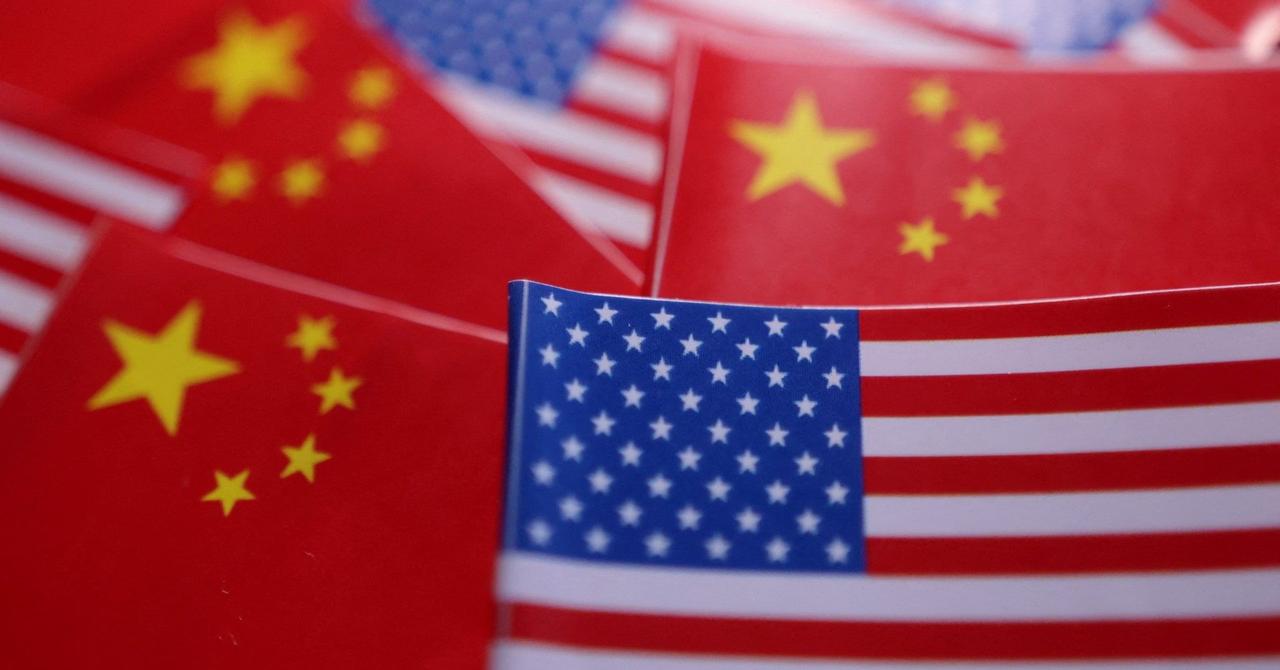
China, the world's largest apparel manufacturer and exporter for over a decade, has responded to Trump's trade war with mockery. Chinese social media users have created AI-generated viral videos depicting Americans as unskilled and disengaged in manufacturing processes, ending with the slogan "Make America Great Again"
1
.The shift in manufacturing focus also comes with potential challenges. Apparel prices are projected to increase significantly in the short term once existing forward contracts expire, according to Yale's Budget Lab
3
. This suggests that the full impact of tariffs may hit consumers later this year, potentially affecting lower-income households disproportionately.As the Trump administration continues to negotiate trade deals with various countries, the only agreement reached so far has been with the United Kingdom. Talks with China are ongoing, with both countries agreeing to lower steep tariffs
1
. The ultimate impact of these policy shifts on U.S. manufacturing, consumer prices, and global trade relations remains to be seen.References
Summarized by

Navi
[4]
Related Stories
Trump's Proposed 100% Tariff on Foreign-Made Semiconductors: Implications and Uncertainties
07 Aug 2025•Business and Economy
China Deploys AI-Generated Videos to Mock US Tariffs and Manufacturing Revival Plans
05 Apr 2025•Technology
Apple Pledges $100 Billion for US Manufacturing, Balancing AI Investments and Political Pressure
07 Aug 2025•Business and Economy
Recent Highlights



Recent Highlights
Today's Top Stories



Don’t drown in AI news. We cut through the noise - filtering, ranking and summarizing the most important AI news, breakthroughs and research daily. Follow topics that matter to you and stay ahead.


