Trump's Proposed 300% Chip Tariff Shakes Tech Industry, Raises Concerns for AI Sector


3 Sources
[1]
Trump mulls a 300% tariff on chips
U.S. President Donald Trump plans to introduce steep new trade duties on steel, semiconductors, and possibly pharmaceuticals within the next two weeks. What could bewilder the high-tech industry is that Trump is mulling up to 300% tariffs on semiconductors, according to Bloomberg. "I am going to
[2]
Trump to put tariffs on steel and semiconductor chips
President Donald Trump said he plans to put tariffs on imported steel and semiconductor chips as soon as next week, a report said. "I'll be setting tariffs next week and the week after on steel and on, I would say, chips," the president said on Friday to reporters aboard Air Force One as he
[3]
Trump 300% chip tariff shakes tech industry, Intel may find relief - Phandroid
Trump 300% chip tariff plans are shaking the semiconductor market, but Intel might be the exception. The president told reporters aboard Air Force One that tariffs on imported chips could hit as soon as next week, starting lower before climbing to rates as high as 200% or 300%. His goal is to push
Share
Copy Link
Former U.S. President Donald Trump announces plans for steep tariffs on imported semiconductors, potentially reaching up to 300%, causing uncertainty in the tech industry and raising concerns for AI companies reliant on chip imports.
Trump's Proposed Chip Tariffs: A Seismic Shift for Tech and AI
Former U.S. President Donald Trump has announced plans to introduce steep new trade duties on semiconductors, potentially reaching up to 300% within the next two weeks. This move has sent shockwaves through the technology industry, particularly affecting companies reliant on imported chips for their operations, including those in the artificial intelligence (AI) sector
1
2
.
Source: Phandroid
The Tariff Proposal
Trump's announcement, made to journalists aboard Air Force One, outlined a tiered approach to the tariffs. "I'm going to have a rate that is going to be lower at the beginning -- that gives them a chance to come in and build -- and very high after a certain period of time," Trump stated
2
. The proposed tariffs could start as soon as next week, with rates potentially climbing to 200% or 300%3
.This policy is part of Trump's "America First" agenda, aimed at bolstering domestic manufacturing by penalizing companies that rely on overseas chip production. The move follows a Section 232 investigation by the U.S. Department of Commerce, which allows for the adjustment of tariffs based on national security concerns
1
.Impact on the Tech Industry
The announcement has already had a significant impact on the semiconductor market. The PHLX Semiconductor Index slid more than 2% following the news
3
. However, not all companies are facing negative consequences. Intel's stock surged nearly 6%, with reports suggesting that the Trump administration is considering a direct investment in the company, potentially using funds from the Chips Act3
.For other major players in the industry, such as Nvidia and AMD, the impact may be softened by exemptions tied to Taiwan Semiconductor Manufacturing Company's (TSMC) Arizona factories
3
. Nevertheless, the broader industry faces uncertainty as lawsuits and inflation pressures mount.Related Stories

Implications for AI Companies
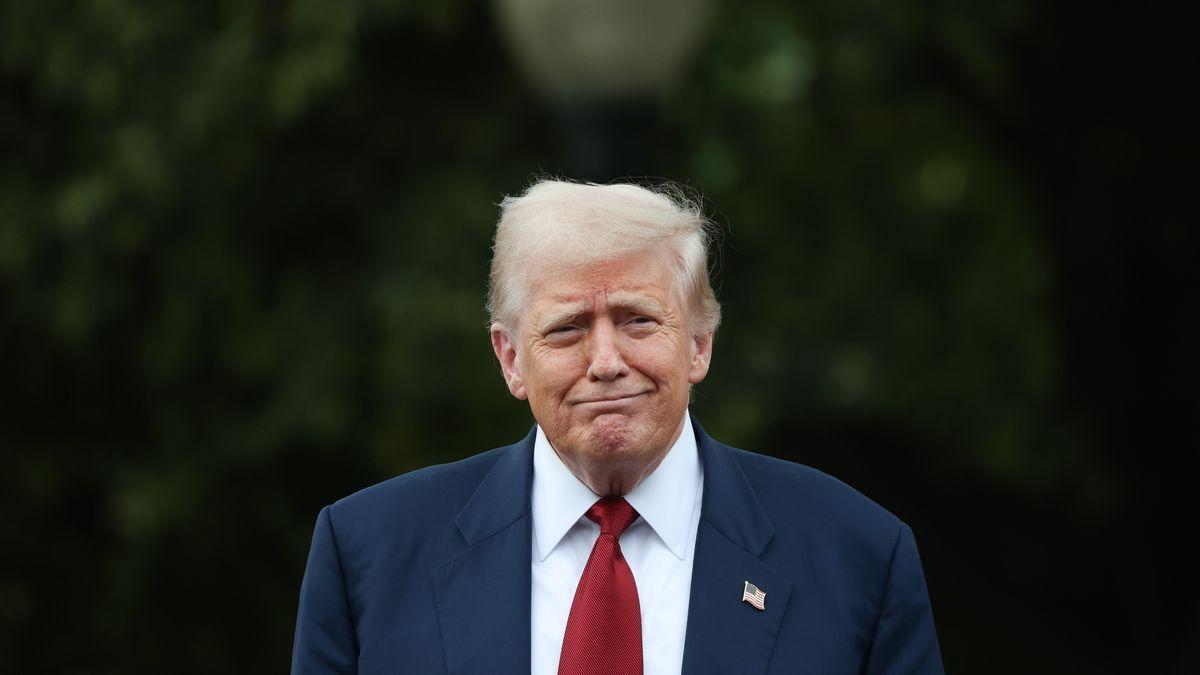
Source: Tom's Hardware
The stakes are particularly high for AI companies, as semiconductors are the backbone of AI infrastructure, powering everything from data centers to autonomous vehicles
2
. The proposed tariffs threaten to disrupt global supply chains and potentially increase costs for AI development and deployment.However, years of U.S. buildout plans have left some of AI's biggest firms largely insulated from the immediate impact of these tariffs
2
. Companies that have already committed to building manufacturing facilities in the United States may be exempt from the charges, as indicated by Trump's statement: "But the good news for companies like Apple is if you're building in the United States or have committed to build, without question, committed to build in the United States, there will be no charge"2
.Uncertainty and Long-term Effects
Trump's habit of announcing extreme tariff plans without clear implementation timelines creates prolonged uncertainty that impacts the entire semiconductor supply chain
1
. This approach forces chipmakers, electronics brands, and AI companies to make contingency plans that may never be needed, tying up resources and potentially slowing real investment.
Source: Quartz
The lack of clear timelines or rules pushes companies to make hasty shifts toward U.S. production, but it also risks leaving them exposed if the promised tariffs either change dramatically or never arrive
1
. This uncertainty could have long-lasting effects on the industry's strategic planning and investment decisions.As the tech industry braces for the potential impact of these tariffs, the coming weeks will be crucial in determining the future landscape of semiconductor production and its implications for the AI sector.
References
Summarized by

Navi
[1]
Related Stories
Trump's Proposed 100% Tariff on Foreign-Made Semiconductors: Implications and Uncertainties
07 Aug 2025•Business and Economy
US imposes 25% tariff on Nvidia and AMD AI chips bound for China, turning restrictions into revenue
15 Jan 2026•Policy and Regulation
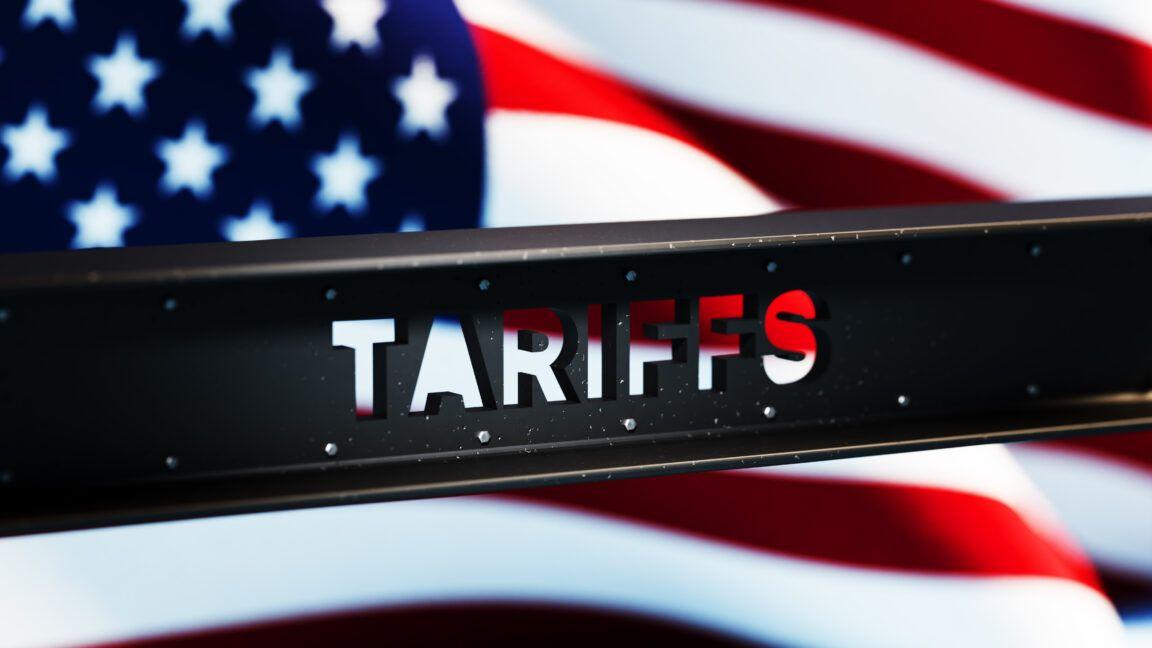
Trump's Semiconductor Tariffs Could Cost US $90B Annually, Threaten AI Infrastructure Buildout
27 Aug 2026•Policy and Regulation
Recent Highlights
1
Microsoft and Nvidia Launch Surface Laptop Ultra: A $2,599 AI-Ready PC With RTX Spark Chip
Technology

2
Scientists Build AI Model That Reconstructs Images From Brain Scans in Record Time
Science and Research

3
Anthropic AI Cuts Live Internet Access After Model Sends False Homicide Tip to Philadelphia Police
Technology

Recent Highlights
Today's Top Stories






Don’t drown in AI news. We cut through the noise - filtering, ranking and summarizing the most important AI news, breakthroughs and research daily. Follow topics that matter to you and stay ahead.


