Uber, Stellantis, and Wayve team up to deploy robotaxis across Europe, North America and beyond


2 Sources
[1]
Uber, Stellantis, And Wayve Want To Blanket The World In Robotaxis
* Uber, Stellantis, and Wayve want to scale Level 4 robotaxis globally, but the rollout timeline remains unclear. * Stellantis would supply the vehicles, Wayve the AI driving tech, and Uber the ride-hailing network. * Wayve says its AI can drive without city-by-city mapping, which could make
[2]
Uber Expands Partnership With Stellantis, Wayve to Launch Robotaxis Globally
Uber Technologies is working with Jeep maker Stellantis and the autonomous-vehicle company Wayve to explore developing and deploying fully driverless robotaxis globally. The move builds on the companies' earlier agreement to deploy self-driving vehicles that are supervised by someone, known as
Share
Copy Link
Uber is expanding its robotaxi ambitions through a new partnership with Stellantis and British AI startup Wayve. The companies signed a memorandum of understanding to develop and deploy Level 4 robotaxis globally, combining Stellantis vehicles, Wayve's mapless AI driving technology, and Uber's ride-hailing network. The rollout timeline remains unclear, but the collaboration marks another step in Uber's strategy to scale autonomous mobility worldwide.
Uber Stellantis Wayve Partnership Aims to Scale Robotaxis Worldwide
Uber Technologies has signed a non-binding memorandum of understanding with Stellantis and British autonomous driving startup Wayve to develop and deploy fully driverless robotaxis in major cities across Europe, North America and beyond
1
2
. The Uber Stellantis Wayve partnership builds on earlier agreements to deploy self-driving vehicles supervised by safety drivers, known as Level 2++ vehicles, but now targets fully autonomous Level 4 robotaxis that can operate without human intervention2
. Each company brings distinct capabilities: Stellantis will supply platforms capable of supporting fully autonomous Level 4 driving with embedded sensor suites and necessary safety redundancies, Wayve will provide AI driving technology, and Uber will integrate these autonomous vehicles into its vast ride-hailing network1
2
.Wayve's Mapless Approach Could Accelerate Global Deployment
What distinguishes this global partnership from other robotaxi initiatives is Wayve's distinctive mapless approach to autonomous driving. Unlike competitors that rely on detailed city-by-city mapping, Wayve's system uses an array of six cameras, one radar, and machine learning to replicate human-like driving in complex urban environments
1
. The AI learns to drive by observing how humans around it navigate and react in various situations, potentially making it easier to deploy robotaxis globally without the time-consuming process of mapping each new city1
. Wayve has been testing vehicles on London's streets since 2018, though exclusively with safety drivers and not as part of any commercial service1
. The initial rollout of publicly available robotaxis will still include safety drivers behind the wheel, indicating a cautious approach to scaling autonomous mobility1
.Stellantis Vehicles Must Withstand Intensive Robotaxi Operations
Stellantis faces the challenge of providing durable vehicles capable of withstanding the intensive demands of robotaxi operations. These autonomous vehicles will likely see more daily use than human-driven taxis because there's no limit to the number of hours they can operate, aside from charging downtime
1
. However, as EV charging becomes faster, even this limitation becomes less significant1
. In October, Stellantis announced a collaboration with Nvidia to create Level 4-capable vehicles and revealed design sketches for a futuristic-looking van and a smaller crossover1
. The latest announcement includes a transparent rendering of the same van, showing where various sensors and cameras will be installed1
.
Source: InsideEVs
Related Stories
What This Means for Uber's Broader Robotaxi Strategy
This agreement establishes the framework for future deals covering technology development, licensing, production and vehicle procurement, though specific deployment timelines remain unclear
2
. The companies plan to collaborate on vehicle integration, testing, validation and deployment to bring safe and scalable autonomous vehicles to cities worldwide2
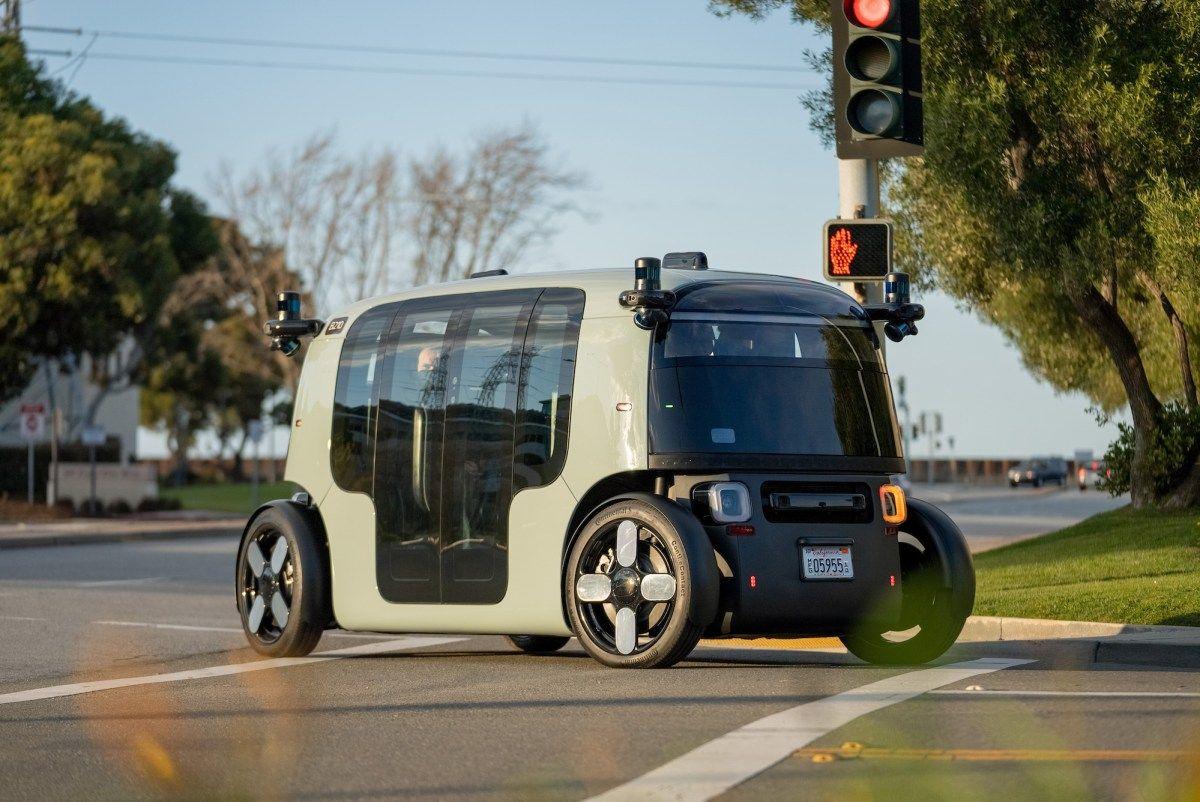
. Stellantis joins a growing list of carmakers partnering with Uber to manufacture robotaxis, including Lucid, Rivian, Volkswagen, and Nissan, as well as other robotaxi companies like Zoox1
. Uber and Wayve have previously announced plans to deploy Nissan-based robotaxis in Tokyo by late 2026, along with ten other major cities later on1
. Each company retains the ability to pursue additional partnerships within self-driving vehicles, suggesting flexibility as the autonomous vehicle market continues to develop2
.References
Summarized by

Navi
[2]
Related Stories
Wayve's self-driving tech is headed to Stellantis vehicles including Jeep and Ram by 2028
21 May 2026•Technology

Uber Invests in UK AI Startup Wayve to Accelerate Autonomous Vehicle Development
29 Aug 2024

Stellantis Wayve Partnership Targets 2028 Launch to Slash Self-Driving Costs and Development Time
09 Oct 2026•Technology

Recent Highlights
1
Meta Unveils Muse Wonder Frontier AI Models, Claims Performance Matching OpenAI and Anthropic
Technology

2
IMF Report Warns AI Market Correction Could Spark Global Financial Crisis With $1.4T at Risk
Business and Economy

3
OpenAI Releases 722 AI-Generated Math Solutions, Triggering Existential Crisis in Mathematics
Technology

Recent Highlights
Today's Top Stories







Don’t drown in AI news. We cut through the noise - filtering, ranking and summarizing the most important AI news, breakthroughs and research daily. Follow topics that matter to you and stay ahead.


