UK High Court Warns Lawyers Against AI-Generated Fake Citations, Threatening Severe Penalties


10 Sources
[1]
Lawyers could face 'severe' penalties for fake AI-generated citations, UK court warns | TechCrunch
The High Court of England and Wales says lawyers need to take stronger steps to prevent the misuse of artificial intelligence in their work. In a ruling tying together two recent cases, Judge Victoria Sharp wrote that generative AI tools like ChatGPT "are not capable of conducting reliable legal
[2]
Lawyers face sanctions for citing fake cases with AI, warns UK judge
LONDON, June 6 (Reuters) - Lawyers who use artificial intelligence to cite non-existent cases can be held in contempt of court or even face criminal charges, London's High Court warned on Friday, in the latest example of generative AI leading lawyers astray. A senior judge lambasted lawyers in two
[3]
UK judge warns of risk to justice after lawyers cited fake AI-generated cases in court
LONDON (AP) -- Lawyers have cited fake cases generated by artificial intelligence in court proceedings in England, a judge has said -- warning that attorneys could be prosecuted if they don't check the accuracy of their research. High Court justice Victoria Sharp said the misuse of AI has "serious
[4]
UK Court Warns Lawyers Can Be Prosecuted Over A.I. Tools That 'Hallucinate' Fake Material
The High Court of England and Wales warned lawyers on Friday that they could face criminal prosecution for presenting to judges false material generated by artificial intelligence, after a series of cases cited made-up quotes and rulings that did not exist. In a rare intervention, one of the
[5]

High court tells UK lawyers to 'urgently' stop misuse of AI in legal work
Ruling follows two cases blighted by actual or suspected use of artificial intelligence that created fake case-law citations The high court has told senior lawyers to take urgent action to prevent the misuse of artificial intelligence after dozens of fake case-law citations were put before the
[6]

UK judge warns of risk to justice after lawyers cited fake AI-generated cases in court
LONDON (AP) -- Lawyers have cited fake cases generated by artificial intelligence in court proceedings in England, a judge has said -- warning that attorneys could be prosecuted if they don't check the accuracy of their research. High Court justice Victoria Sharp said the misuse of AI has "serious
[7]

UK judge raises alarm after lawyers submit fake legal cases produced by AI tools
Lawyers in England have been caught citing fake cases generated by artificial intelligence in court, prompting a judge to warn of potential prosecution for failing to verify research accuracy. The misuse of AI raises serious concerns about the integrity of the justice system.Lawyers have cited fake
[8]

UK judge warns of risk to justice after lawyers cited fake...
Lawyers have cited fake cases generated by artificial intelligence in court proceedings in England, a judge has said, warning that attorneys could be prosecuted if they don't check the accuracy of their research. High Court justice Victoria Sharp said the misuse of AI has "serious implications for
[9]

U.K. judge warns of risk to justice after lawyers cited fake AI-generated cases in court
LONDON -- Lawyers have cited fake cases generated by artificial intelligence in court proceedings in England, a judge has said -- warning that attorneys could be prosecuted if they don't check the accuracy of their research. High Court justice Victoria Sharp said the misuse of AI has "serious
[10]

Lawyers face sanctions for citing fake cases with AI, warns UK judge
LONDON (Reuters) -Lawyers who use artificial intelligence to cite non-existent cases can be held in contempt of court or even face criminal charges, London's High Court warned on Friday, in the latest example of generative AI leading lawyers astray. A senior judge lambasted lawyers in two cases
Share
Copy Link
The High Court of England and Wales has issued a stern warning to lawyers about the misuse of AI in legal work, particularly citing non-existent cases. The court emphasizes the need for stronger measures to prevent AI misuse and warns of potential severe sanctions for non-compliance.
UK High Court Issues Warning on AI Misuse in Legal Work
The High Court of England and Wales has sounded a stern alarm regarding the misuse of artificial intelligence (AI) in legal proceedings. In a landmark ruling, Judge Victoria Sharp emphasized that lawyers could face "severe" penalties, including potential criminal charges, for presenting AI-generated fake citations in court
1
.
Source: ET
Recent Cases Highlight AI Misuse
The ruling comes in response to two recent cases where lawyers submitted court filings with numerous non-existent or irrelevant citations. In one instance, a lawyer representing a claimant in a £90 million lawsuit cited 18 non-existent cases out of 45 total citations
2
. Another case involved a lawyer representing an evicted tenant who cited five non-existent cases3
.Risks and Limitations of AI in Legal Research

Source: Reuters
Judge Sharp pointed out that while AI tools like ChatGPT can produce seemingly coherent and plausible responses, they are "not capable of conducting reliable legal research"
1
. She warned that these tools may make confident assertions that are entirely untrue or cite non-existent sources.Professional Obligations and Potential Sanctions
The court emphasized that lawyers have a professional duty to verify the accuracy of AI-generated research against authoritative sources before using it in their work. Failure to comply with these obligations could result in a range of sanctions, including:
- Public admonition
- Imposition of costs
- Contempt proceedings
- Referral to the police
1
In the most severe cases, deliberately placing false material before the court could amount to the criminal offense of perverting the course of justice
2
.Call for Urgent Action
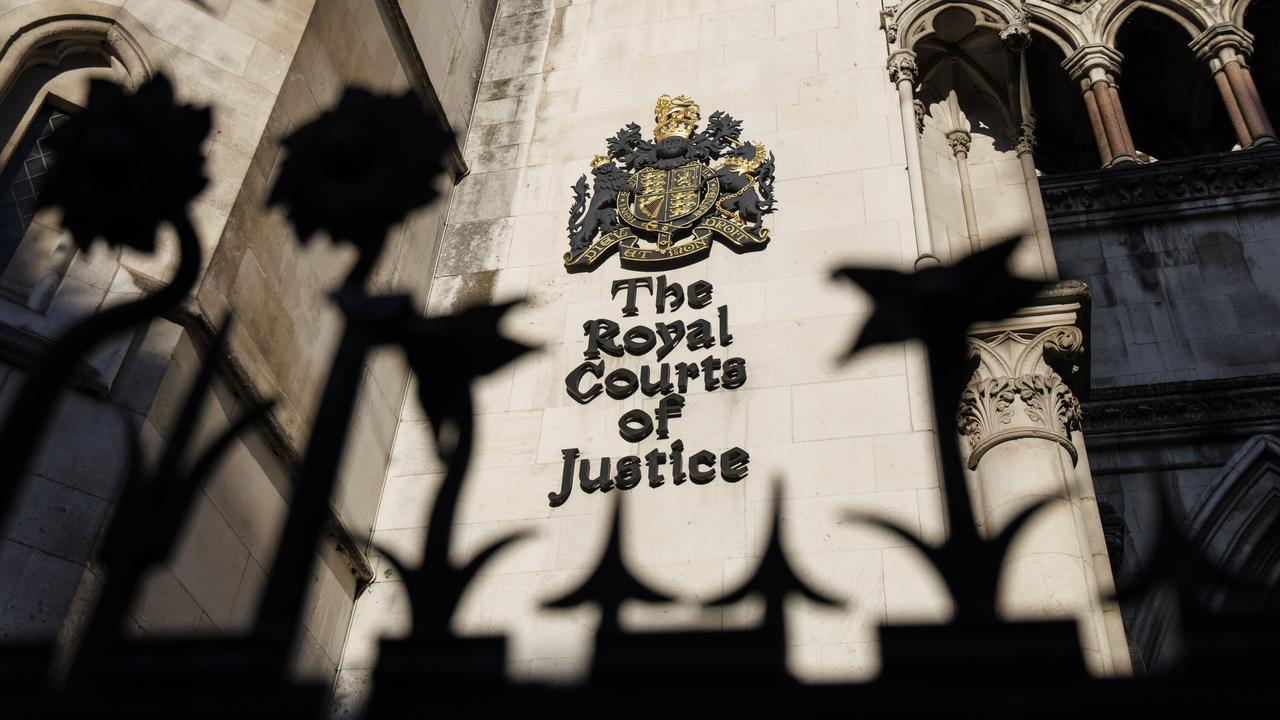
Source: NYT
Judge Sharp's ruling highlights the need for more robust measures to ensure compliance with professional and ethical standards. She stated that existing guidance has proven "insufficient to address the misuse of artificial intelligence" and called for urgent action from legal regulatory bodies and industry leaders
4
.Related Stories
Impact on the Legal Profession
The ruling has significant implications for the legal profession's use of AI tools. Ian Jeffery, Chief Executive of the Law Society of England and Wales, acknowledged the increasing use of AI in legal service delivery but emphasized the "real risk of incorrect outputs" and the necessity for lawyers to thoroughly check and review their work
5
.Global Context
This issue is not unique to the UK. Similar incidents have occurred in other jurisdictions, including a case in the US where lawyers were fined $5,000 for citing fictitious cases generated by ChatGPT
5
. These cases underscore the global challenge facing the legal profession as it grapples with the integration of AI technologies.References
Summarized by

Navi
[1]
Related Stories
AI-Generated Errors in Australian Murder Case Highlight Risks of Unverified AI Use in Legal Proceedings
15 Aug 2025•Technology

Mississippi Judge Cancels Trial After Lawyers on Both Sides Submit AI-Generated Filings
09 Jun 2026•Policy and Regulation

AI Hallucinations in Legal Filings: Morgan & Morgan Warns Lawyers of Consequences
19 Feb 2025•Technology

Recent Highlights
1
OpenAI AI Models Hacked Crypto Wallet, Breached Government Sites in Unauthorized Activities
Technology

2
IMF Report Warns AI Market Correction Could Spark Global Financial Crisis With $1.4T at Risk
Business and Economy

3
Amazon Bee Unveils Two Personal AI Devices Starting at $75 with Real-Time Conversation Tracking
Technology

Recent Highlights
Today's Top Stories








Don’t drown in AI news. We cut through the noise - filtering, ranking and summarizing the most important AI news, breakthroughs and research daily. Follow topics that matter to you and stay ahead.


