AI-Generated Legal Citations Lead to Sanctions and Raise Concerns in Courts


4 Sources
[1]
Judge initially fooled by fake AI citations, nearly put them in a ruling
A plaintiff's law firms were sanctioned and ordered to pay $31,100 after submitting fake AI citations that nearly ended up in a court ruling. Michael Wilner, a retired US magistrate judge serving as special master in US District Court for the Central District of California, admitted that he
[2]
How AI is introducing errors into courtrooms
A few weeks ago, a California judge, Michael Wilner, became intrigued by a set of arguments some lawyers made in a filing. He went to learn more about those arguments by following the articles they cited. But the articles didn't exist. He asked the lawyers' firm for more details, and they responded
[3]
Judge slams lawyers for 'bogus AI-generated research'
Emma Roth is a news writer who covers the streaming wars, consumer tech, crypto, social media, and much more. Previously, she was a writer and editor at MUO. A California judge slammed a pair of law firms for the undisclosed use of AI after he received a supplemental brief with "numerous false,
[4]
Law Firms Caught and Punished for Passing Around "Bogus" AI Slop in Court
A California judge fined two law firms $31,000 after discovering that they'd included AI slop in a legal brief -- the latest instance in a growing tide of avoidable legal drama wrought by lawyers using generative AI to do their work without any due diligence. As The Verge reported this week, the
Share
Copy Link
A California judge fines law firms $31,000 for submitting AI-generated fake citations in a legal brief, highlighting growing concerns about AI use in the legal system.

AI-Generated Citations Fool Judge, Leading to Sanctions
In a startling incident that highlights the growing concerns surrounding artificial intelligence (AI) in the legal system, a California judge has imposed $31,000 in sanctions on two law firms for submitting a brief containing "bogus AI-generated research"
1
. Judge Michael Wilner, serving as a special master in the US District Court for the Central District of California, admitted that he was initially persuaded by the fake citations and nearly included them in a judicial order.The Incident Unfolds
The case involved a civil lawsuit against State Farm, where attorneys from K&L Gates and Ellis George LLP represented the plaintiff. Trent Copeland, an attorney at Ellis George, used AI tools including Google Gemini and law-specific AI models to generate an outline for a supplemental brief
2
. This outline, containing problematic legal research, was then sent to K&L Gates, who incorporated the material into the brief without proper verification.Extent of the AI-Generated Errors
Judge Wilner's review revealed that approximately nine out of 27 legal citations in the ten-page brief were incorrect, with at least two cited authorities not existing at all
3
. Additionally, several quotations attributed to judicial opinions were fabricated and did not accurately represent the cited materials.Judge's Response and Sanctions
In his ruling, Judge Wilner expressed grave concern over the incident, stating, "Directly put, Plaintiff's use of AI affirmatively misled me"
1
. He emphasized the need for strong deterrence to prevent attorneys from succumbing to the "easy shortcut" of using AI without proper verification.Broader Implications for the Legal System
This incident is not isolated. Similar cases have been reported in other jurisdictions, including one involving Anthropic in a copyright lawsuit and another in Israel where prosecutors cited non-existent laws
2
. Legal scholar Maura Grossman notes that these AI-induced errors seem to be increasing, potentially compromising the integrity of court proceedings.Related Stories
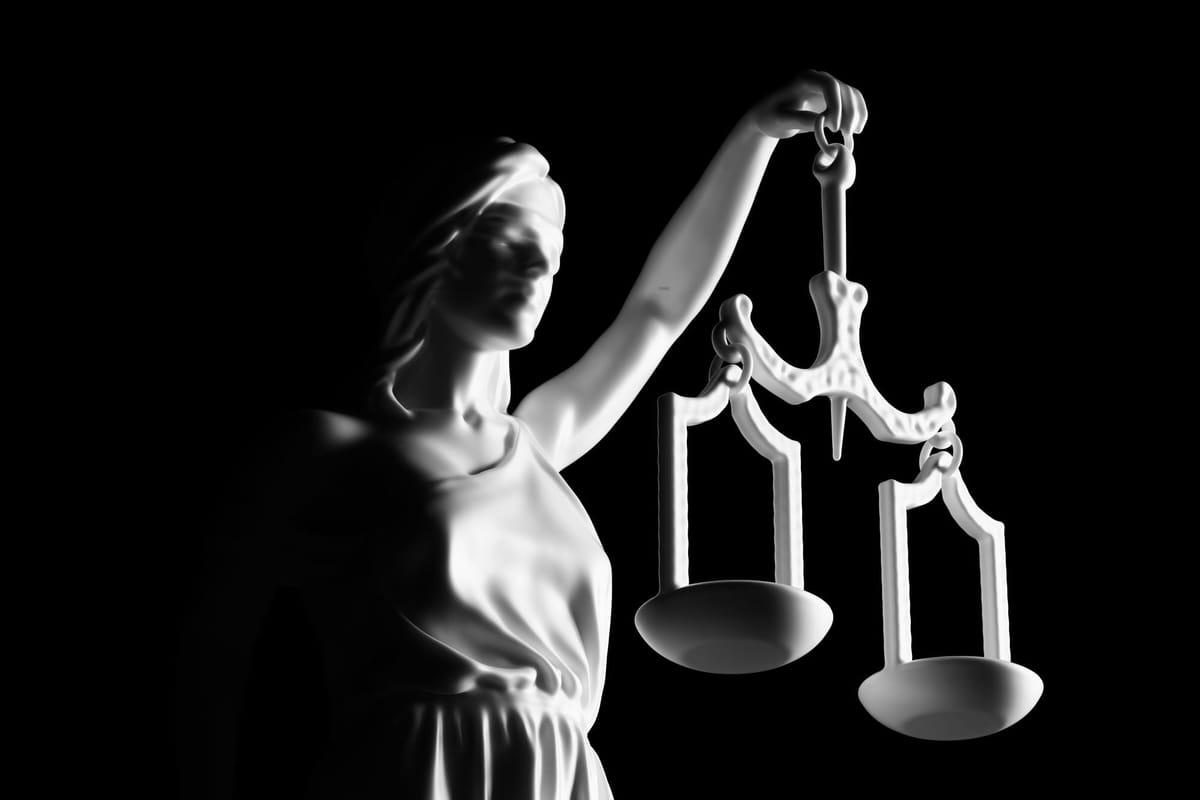
The AI Dilemma in Law
The incident highlights a growing divide among lawyers regarding AI use. While some are cautious about adopting the technology, others, particularly those under time constraints, are eager to leverage AI for assistance
2
. However, the risks of unchecked AI use in legal documents are becoming increasingly apparent.Call for Vigilance and Responsibility
Judge Wilner's ruling serves as a stark reminder of the importance of human oversight in AI-assisted legal work. He emphasized that "no reasonably competent attorney should out-source research and writing to this technology -- particularly without any attempt to verify the accuracy of that material"
4
. The incident underscores the need for clear guidelines and ethical standards for AI use in the legal profession to maintain the integrity of the judicial system.References
Summarized by

Navi
[2]
Related Stories
Mississippi Judge Cancels Trial After Lawyers on Both Sides Submit AI-Generated Filings
09 Jun 2026•Policy and Regulation

AI Hallucinations in Legal Filings: Morgan & Morgan Warns Lawyers of Consequences
19 Feb 2025•Technology

AI Hallucinations Plague Legal Profession as Lawyers Face Mounting Sanctions for ChatGPT Misuse
09 Nov 2025•Policy and Regulation

Recent Highlights



Recent Highlights
Today's Top Stories









Don’t drown in AI news. We cut through the noise - filtering, ranking and summarizing the most important AI news, breakthroughs and research daily. Follow topics that matter to you and stay ahead.


