2 Sources
[1]
Data from drones in Ukraine is fueling a new Wild West marketplace
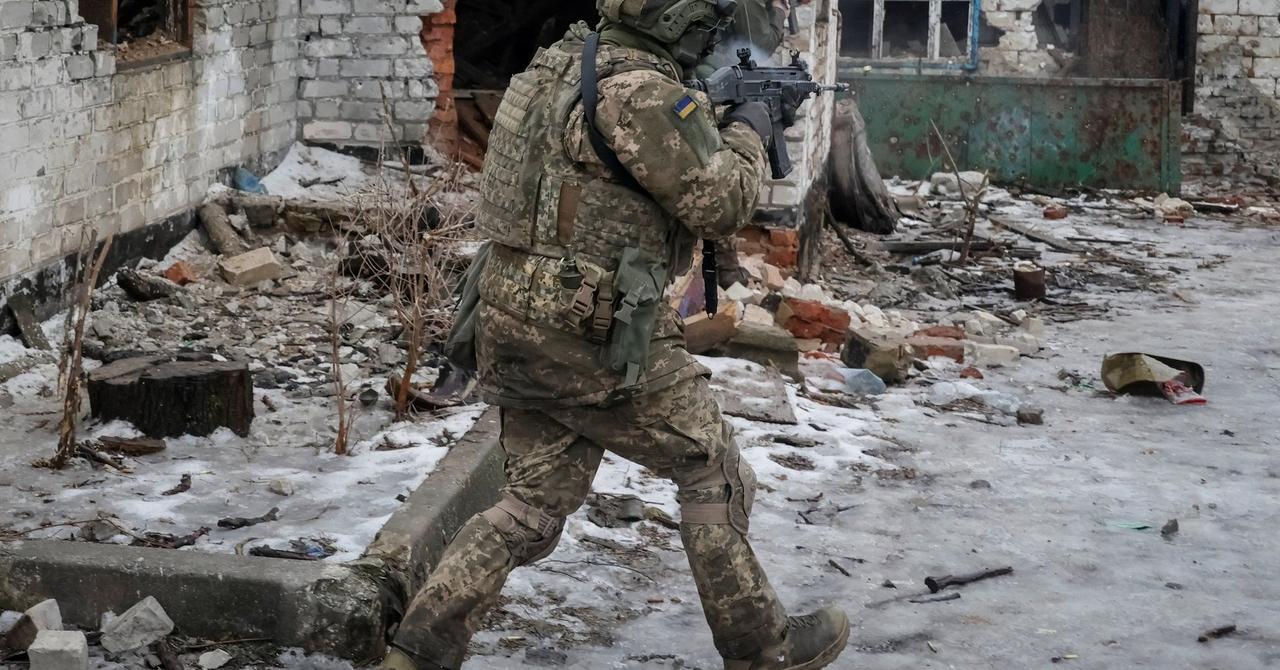
The front line is being turned into a place to train AI models, and right now it's effectively a regulation-free zone. Battlefields in Ukraine are littered with the remnants of drones, which are now firmly established as a critical weapon of modern warfare. But behind all that wreckage, there's a new gold mine for the defense sector. The data drones generate will far outlast the wars in which they are used to fight, increasingly becoming part of the AI architecture that shapes even civilian life. For every flight, unmanned systems collect thousands of points of data, from images and video to controller inputs. Together, those records show how a machine and a person responded to constantly shifting circumstances. Ukraine has now begun converting that experience into a resource. Its Ministry of Defense announced in January that it would make millions of data points gathered during tens of thousands of drone flights available to both military contractors and commercial companies, and since then more than 100 companies and the UK government have gained access. For a country at war, it's a quick way to attract funding and partnerships. But this step turns the front line into an active site of model training, taking advantage of how the chaos of war creates conditions that AI companies struggle to reproduce on their own. Other countries and battlefields are likely to follow Ukraine's lead, but the responsibility for governing this new industry cannot fall solely on a country fighting for its survival. That legal vacuum has to be filled together by the countries and companies involved in this industry's development. Explosive growth Ukraine's battlefields are not the first to produce records used to train and develop models: American drones over Syria and Yemen collected data that informed the first generation of semiautonomous military hardware in the late 2010s. The difference now is that access to that data is being used to develop a wider ecosystem. And the financial value to defense firms is immense: Battlefield data offers large volumes of machine experience gathered under conditions that no laboratory can produce. That's because the data that's most valuable for training AI models comes from exceptions: the moment visibility disappears, a signal jams, or a human operator improvises. AI companies spend years and enormous sums trying to capture enough of these moments to make their models more robust. But war produces them at a frequency controlled testing cannot match. This constantly changing terrain is what makes drone data valuable far beyond the battlefield. A commercial drone used for delivery or remote sensing may never encounter artillery fire, but it must still operate with incomplete information in a world where people behave unpredictably. The same problem is compressed by war into a much shorter timeline. Processed and matched against records of what its operator was doing, that data turns operational records into training sets. Combat becomes a commercial asset. Many conflicts have already seen this training loop happen as drone footage feeds subsequent generations of military technology, and the market is set to grow. Enabled Intelligence, an American company that specializes in processing data to become usable in AI training, says it has already made more than half a million hours of Ukrainian drone footage available to feed into the next round of models, advertising possible uses in both military and commercial systems. Closing the data loop Many of the drones that now define our modern age of warfare began as civilian technology. But they've recently been turbocharged by new, commercially available AI systems, which allow cheap machines to operate autonomously -- either individually or as a flock -- as the environment changes around them. Each flight then creates a record of what the system encountered. The resulting data is critical. The controlled lab environments usually developed to train these autonomous systems can approximate failure but are no match for the live conditions of a battlefield with very real risks. Military intelligence programs have held data generated by sensor-heavy systems like Predator and Reaper drones for nearly a decade through programs like Project Maven, but access remained entirely within the defense world. The data generated was available only through restricted, classified channels for the sole purpose of developing new weapons systems that would feed back into the same military that produced the data in the first place. That experience is now being shared to a much broader development network. The loop now closes. Commercial technologies adapted for the battlefield are generating data that can flow back into the industries from which they came, becoming part of the data infrastructure relied on by governments and the private sector alike. Drones that were trained in the signal-jammed airspace over Ukraine are now being deployed in the agricultural sector to help farmers map and survey their fields in places lacking the cell signal necessary for previous generations of technology. Other countries are likely to follow Ukraine in selling their battlefield data, and we are not ready for the new marketplace this will create. Bad actors could acquire the data, but purchase controls already mitigate that risk. Intelligence operatives scrutinize potential customers' infrastructure for ways that data could reach enemies or nefarious actors. Training data creates a new tracing problem, though. Whereas the movement of commercial datasets can be followed when planted contact details appear two steps from the original buyer, the provenance of AI training data vanishes in a manner embedded in the technology itself. Another risk is that this use of the data creates an extractive economy in which wealthier countries far from danger benefit from the mortal threat borne by frontline states, potentially creating a market incentive for war to continue as an unending mine for digital gold. A fraught new frontier Existing laws regulate how militaries may conduct war. But they say almost nothing about what happens when records created in combat are stripped of their operational context, packaged as data, and licensed to companies whose products circulate far beyond where they were made. The responsibilities of the companies that design these systems remain unsettled. Ukraine is building access controls, which are mentioned in the newly signed UK-Ukraine AI agreement, but no governments are actively working on regulating what happens when data has been absorbed into a model and crosses back into civilian markets. Those records contain human lives. The soldiers and civilians visible in them did not agree to become training material for products that might be sold years later. But sensor data, camera footage, and coordinates from civilians fleeing a drone strike now constitute the sorts of data that inform how future machines will make decisions. That is a problem of consent. Individuals featured in the data -- be they targets, controllers, or civilians standing by -- become part of the training material. The autonomous capabilities based on that data do not stop at the edge of the battlefield. Such capabilities move into other military or commercial systems like delivery vehicles or agricultural machinery. Errors and assumptions embedded in the data travel with the model even once it enters civilian life. Battlefield data should not be treated as ordinary commercial material. But there is currently no agency or regulator that has jurisdiction over this issue. In the meantime, governments that provide access to defense data should treat it as they would a controlled weapons transfer, recording its origin, licensing its users, and restricting onward sharing. Ukraine has begun to grapple with this. Its Avengers Labs program allows companies to train models on battlefield data without giving them direct access to sensitive databases. Yet that mitigates only one part of the problem. Governments should require disclosure when models trained on wartime material are later incorporated into civilian products. The goal of such regulation should be to make the path from combat to commerce visible. What these companies are really mining is experience. And soldiers cannot consent to having their experience used in this way -- as training data that produces model advantage and ultimately supports a product used far from where the war was fought. The question is no longer only what the technology companies can sell for use in war. It is what they can extract from it. To protect ourselves from the excesses of this new industry, we need a regulatory system that follows battlefield data wherever it goes, from combat to model to commercial product. Cory Alpert is a researcher at the University of Melbourne, looking at the impact of AI on democracy. He previously served in the Biden White House.
[2]
Nations and big tech to train AI using 'gold dust' data from Ukraine | New Scientist
Global superpowers and giant technology firms are scrambling for real-world data from the war in Ukraine to build next-generation AI models that will empower militaries in future conflicts. Videos of drone strikes and other sensor data are like "gold dust" for training AI, say experts. Last month, Ukraine signed a deal with the UK to share a vast treasure trove of data collected from drones, cameras and sensors since Russia staged its full-scale invasion. It is claimed that the deal will make the UK the first foreign state to have access to Ukraine's so-called "Avengers AI" model, which is already being used to identify adversaries and their equipment in real time and slash the time taken to stage attacks. The UK claims that the first fruits of this deal are about to be tested through a project that is turning buried fibre-optic cables into sensors to detect hostile intrusions at an unnamed UK defence site. Peter Lee at the University of Portsmouth, UK, says the varied data will be immensely valuable in creating a wide range of defence and military tools, which will make both the UK and Ukraine more secure. "This is the gold dust that allows the UK to enter the autonomous age of drones," he says. "You can't really put a price on the data they're going to get access to. Add up everything that the UK has given to Ukraine over the last several years - this data is worth all of that and more." Ukraine flies thousands of drones a day, both in the war zone and penetrating deep into Russia, and has a vast array of sensors on the front line. This data has long been fed into a government department known as Brave1, which analyses it with AI to find strategic weaknesses and opportunities. It feeds that information back to troops on the front line and defence contractors. AI models can be used to autonomously steer drones to their targets, monitor thousands of video feeds and other sensors for tell-tale signs of adversaries' movements, or analyse footage of attacks to spot design flaws in military hardware. The models can even plan strikes and pick targets. Numerous efforts are under way in Ukraine to use AI to eke out an advantage in all sorts of areas, including at the defence ministry's "A1" organisation - which the Ukrainian government launched with UK government support in March, long before this latest announcement. Lee says the possibilities are so compelling that it is almost certain that China is doing the same with Russian data, taken from the opposite side of the front line - and they probably had a head start. He thinks that, in the earliest stage of negotiations between Russia and China about military and intelligence support for the invasion, China will have raised the issue of data sharing. "China understands that data is king when it comes to AI, and that the more data you have, the more powerful your systems are likely to be," says Lee. "It would be a strategic oversight of grotesque proportions [if China hadn't sought data]." Joe Burton at Lancaster University in the UK says that despite the UK's support of Ukraine with weapons, training and intelligence since the full-scale invasion, it is unlikely that raw data has been shared on a wide scale until recently. But a deterioration in relations with the US may be an incentive for Ukraine to create stronger ties with other allies. "The Trump presidency has been very volatile in its approach to Ukraine and, if you're in [Kyiv], it makes sense to have a broader set of partnerships around AI data, which can help support you in what will probably still be a long-term war," says Burton. "I would not be surprised if Ukraine are hedging their bets." Big technology firms are also getting involved. Ukraine has long worked with AI company Palantir, and signed a data-sharing deal with the firm months before the agreement with the UK was announced. US company Clearview AI's face-recognition technology has been used to find Russian spies operating in Ukraine, while another US firm, Scale AI, has used satellite data to identify Russian troop movements and detect building damage across Ukraine. "All these companies are competing for data. If you have access to actual, real, credible battlefield data from Ukraine instead of simulated data that you're generating in a lab, that's a big commercial advantage," says Burton. In short, if you are pitching your product to states looking for AI tools to protect national security or support their militaries, then having a battle-tested product is a strong selling point. But despite the vast expansion of data collection, AI analysis and high-tech weapons systems, the day-to-day reality for troops in Ukraine remains a muddy trench, not dissimilar to those dug in the first world war. "It's still attritional. It's still horribly violent. This idea that you can deploy a load of robots to the battlefield and you don't need to send soldiers into harm's way, it's not [happening] in Ukraine," says Burton.
Share
Copy Link
Ukraine's Ministry of Defense is sharing millions of drone data points with over 100 companies and the UK government, transforming battlefield footage into valuable training sets for AI models. The move creates a largely unregulated marketplace where combat data feeds both military contractors and commercial firms developing next-generation autonomous systems.
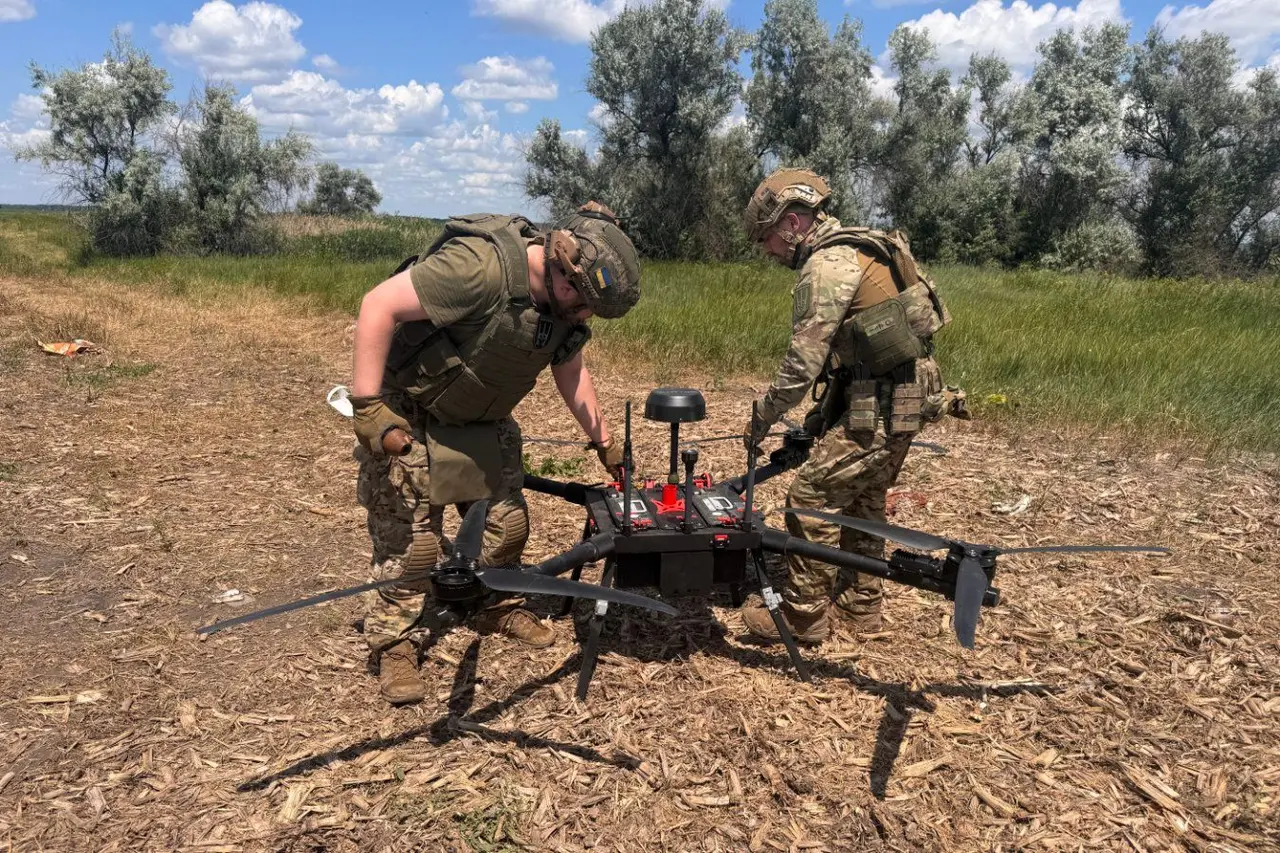
Ukraine's Ministry of Defense announced in January that it would share millions of data points from tens of thousands of drone flights with military contractors and commercial companies
1
. More than 100 companies and the UK government have already gained access to this Ukraine war data, marking an unprecedented shift in how battlefield intelligence fuels AI development1
.Last month, Ukraine signed a data-sharing agreement with the UK government, making Britain the first foreign state to access Ukraine's Avengers AI model
2
. This system identifies adversaries and their equipment in real time, dramatically reducing attack response times. The UK is already testing applications from this deal, including a project converting buried fiber-optic cables into sensors to detect hostile intrusions at a defense site2
.Peter Lee at the University of Portsmouth describes the data from drones in Ukraine as "gold dust" for training AI models
2
. He notes that the value of this battlefield data exceeds everything the UK has given Ukraine over several years combined. The reason lies in what makes AI models robust: exceptions and edge cases that laboratories struggle to replicate.For every flight, unmanned systems collect thousands of data points including images, video, and controller inputs
1
. War produces critical moments at unprecedented frequency—when visibility disappears, signal jams occur, or human operators improvise under pressure. AI companies typically spend years and enormous sums capturing enough of these exceptions to strengthen their models, but combat compresses this timeline dramatically1
.
Source: New Scientist
Enabled Intelligence, an American company specializing in processing data for AI training, has already made more than half a million hours of Ukrainian drone footage available for next-generation AI models, advertising applications in both military and commercial systems
1
.The battlefield data extends far beyond AI-driven military applications. A commercial drone used for delivery or remote sensing may never encounter artillery fire, but must still operate with incomplete information in unpredictable environments
1
. The same challenges compressed by war into shorter timelines make this data valuable across industries.Many drones defining modern warfare began as civilian technology, recently turbocharged by commercially available AI systems that allow cheap machines to operate autonomously
1
. Now the loop closes: commercial technologies adapted for the battlefield generate data flowing back into the industries from which they came, becoming part of the data infrastructure relied upon by governments and the private sector alike1
.Related Stories
Big technology firms are competing aggressively for access. Ukraine has long worked with Palantir, signing a data-sharing deal with the firm months before the UK agreement
2
. Clearview AI's face-recognition technology has identified Russian spies operating in Ukraine, while Scale AI has used satellite data to identify Russian troop movements and detect building damage2
.Joe Burton at Lancaster University explains that having actual battlefield data instead of simulated laboratory data provides a significant commercial advantage
2
. For companies pitching autonomous military tools to states seeking AI solutions for national security, battle-tested products offer a compelling selling point.Ukraine flies thousands of drones daily, both in the war zone and deep into Russia, with a vast sensor array on the front line
2
. This data feeds into Brave1, a government department that analyzes it with AI to identify strategic weaknesses and opportunities, then shares insights with troops and military contractors2
.
Source: MIT Tech Review
Lee suggests it's almost certain that China is accessing Russian data from the opposite side of the front line, likely with a head start
2
. He believes China understands that data is king for AI development, and failing to secure such access would represent a strategic oversight of grotesque proportions.Burton notes that deteriorating relations with the US may incentivize Ukraine to strengthen ties with other allies through these data-sharing agreements
2
. The volatile Trump presidency approach to Ukraine makes broader partnerships around AI data strategically sensible for a country facing a long-term war.This new Wild West marketplace raises urgent questions about international governance. The front line has become an active site of model training, taking advantage of how war's chaos creates conditions AI companies cannot reproduce independently
1
. Other countries and battlefields are likely to follow Ukraine's lead, but the responsibility for governing this industry cannot fall solely on a country fighting for survival. That legal vacuum must be filled collectively by the countries and companies involved in this industry's development1
.Summarized by
Navi
[1]
20 Dec 2024•Technology

28 Aug 2025•Technology
12 Mar 2026•Technology