UN Tech Chief Calls for Urgent Global Approach to AI Regulation


3 Sources
[1]
Urgent need for 'global approach' on AI regulation: UN tech chief
The world urgently needs to find a global approach on regulating artificial intelligence, the United Nations' top tech chief said this week, warning that fragmentation could deepen risks and inequalities. Doreen Bogdan-Martin, head of the UN's International Telecommunications Union (ITU) agency,
[2]
Urgent need for 'global approach' on AI regulation: UN tech chief
Geneva (AFP) - The world urgently needs to find a global approach on regulating artificial intelligence, the United Nations' top tech chief said this week, warning that fragmentation could deepen risks and inequalities. Doreen Bogdan-Martin, head of the UN's International Telecommunications Union
[3]
Urgent need for 'global approach' on AI regulation: UN tech chief - The Economic Times
The UN's top tech official, Doreen Bogdan-Martin, says the world urgently needs a global approach to AI regulation. Without it, risks and inequalities could grow. She warns that fragmented strategies and lack of access in poorer regions could deepen divides, stressing the need for inclusive,
Share
Copy Link
Doreen Bogdan-Martin, head of the UN's International Telecommunications Union, emphasizes the need for a global framework to regulate AI, warning of potential risks and inequalities if a fragmented approach persists.
UN Tech Chief Urges Global Approach to AI Regulation
Doreen Bogdan-Martin, the head of the UN's International Telecommunications Union (ITU), has called for an urgent global approach to regulating artificial intelligence. In a recent interview, she emphasized the critical need for a unified framework to address the challenges posed by rapidly advancing AI technologies
1
.Concerns Over Fragmented Approaches

Source: ET
Bogdan-Martin expressed concern about the potential risks of fragmented regulatory approaches. She highlighted the existence of different strategies, including those from the EU, China, and the recently unveiled US plan. The UN tech chief stressed the importance of dialogue between these approaches to create a cohesive global strategy
2
.Current State of AI Policies Worldwide
A striking statistic revealed by Bogdan-Martin is that 85% of countries currently lack AI policies or strategies. Among those that do have strategies in place, there is a consistent focus on innovation, capacity building, and infrastructure investments. However, she emphasized the need for a global-level debate to determine the appropriate balance of regulation
1
.Potential Benefits and Risks of AI
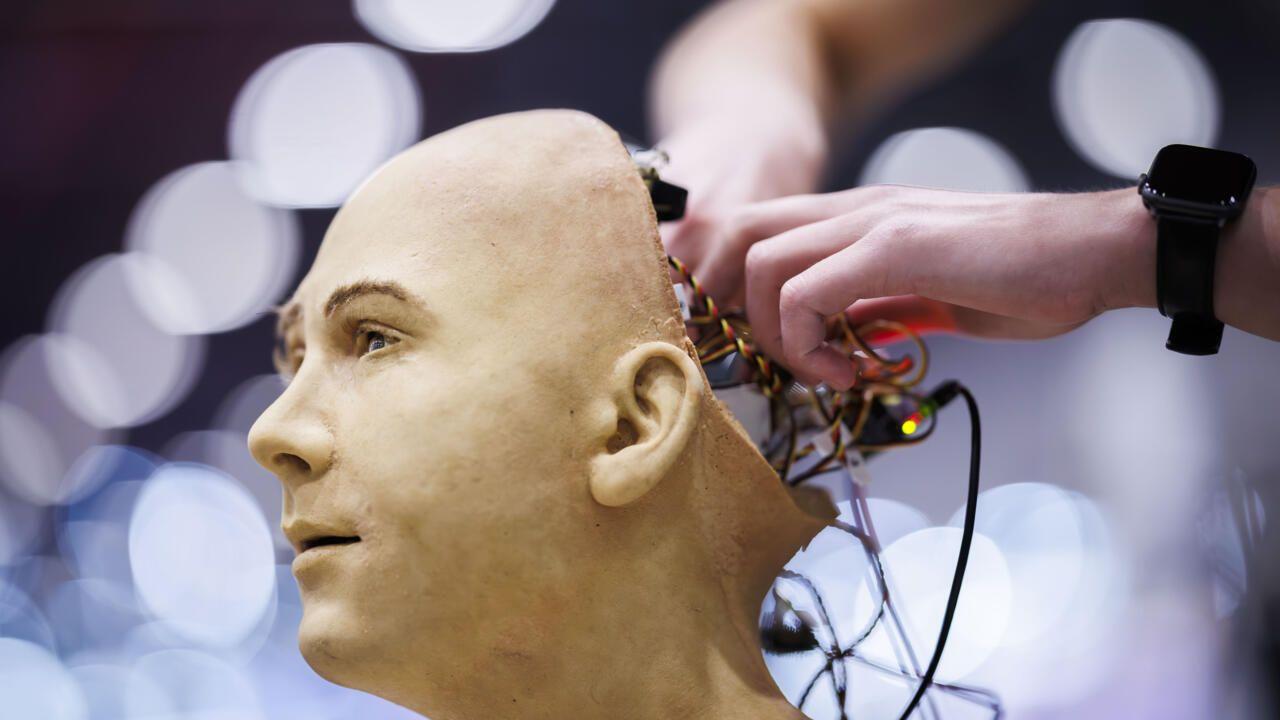
Source: France 24
While acknowledging the "mind-blowing" advances in AI and its potential to improve various sectors such as education, agriculture, and healthcare, Bogdan-Martin also warned of the risks. These include fears of mass job losses, the spread of deepfakes and disinformation, and the potential fraying of society's fabric
3
.Addressing the Digital Divide
A key concern highlighted by the ITU chief is the digital divide and its implications for AI access. Bogdan-Martin pointed out that 2.6 billion people lack internet access, effectively excluding them from the benefits of AI. She warned that without concerted efforts, AI could end up "advancing inequalities" rather than benefiting all of humanity
2
.Related Stories

Gender Gap in AI and Technology
As the first woman to serve as ITU secretary-general in the organization's 160-year history, Bogdan-Martin also emphasized the need to address the gender gap in the digital space, particularly in AI. She described the current situation as a "huge gap" and stressed the importance of increasing female participation in the field
3
.The Role of ITU in Facilitating Dialogue
Bogdan-Martin believes that the Geneva-based ITU, with its role in setting standards for new technologies, is well-positioned to facilitate the necessary global dialogue on AI regulation. She emphasized that fragmented approaches would not serve or reach all stakeholders effectively
1
.As the AI sector continues to boom and countries race to establish dominance, Bogdan-Martin's call for a balanced, inclusive, and fair approach to AI development and regulation becomes increasingly crucial. The challenge lies in creating a framework that fosters innovation while addressing the potential risks and ensuring equitable access to AI benefits across the globe.
References
Summarized by

Navi
Related Stories
UN Experts Call for Global Governance Framework on Artificial Intelligence
19 Sept 2024

UN Rights Chief Warns AI Poses Existential Risk, Demands Urgent Global Action to Regulate Unchecked Power
08 Sept 2026•Policy and Regulation

UN Takes Center Stage in Global AI Governance Debate
24 Sept 2025•Policy and Regulation

Recent Highlights



Recent Highlights
Today's Top Stories



Don’t drown in AI news. We cut through the noise - filtering, ranking and summarizing the most important AI news, breakthroughs and research daily. Follow topics that matter to you and stay ahead.


