Union Cabinet Approves Rs 1,789 Crore AI-Powered Traffic System to Tackle Delhi's Congestion Crisis


2 Sources
[1]
Delhi's New AI Cameras: How Phone Use, Wrong-Way Driving Will Be Caught
* The ITMS project will be implemented in three phases * ITMS will prioritise the movement of emergency vehicles * The ITMS project will cover 1,029 enforcement locations The Union Cabinet approved the Intelligent Traffic Management System (ITMS) project on Wednesday. The new ITMS project was
[2]
Delhi ITMS explained: How Centre's Rs 1,789 crore plan aims to cut congestion across Delhi, Noida, Gurgaon & other neighbouring regions
Delhi will get a technology-driven traffic management overhaul after the Cabinet approved Rs 1,789.52 crore for an Intelligent Traffic Management System. The project will cover 42 corridors and use AI-enabled adaptive signals, automated enforcement, real-time congestion alerts and emergency vehicle
Share
Copy Link
The Union Cabinet has approved a Rs 1,789.52 crore Intelligent Traffic Management System for Delhi, deploying AI-powered adaptive traffic signals across 42 corridors. The system will dynamically adjust signal timings, prioritize emergency vehicles, and automate enforcement for violations including wrong-way driving and mobile phone use while driving.
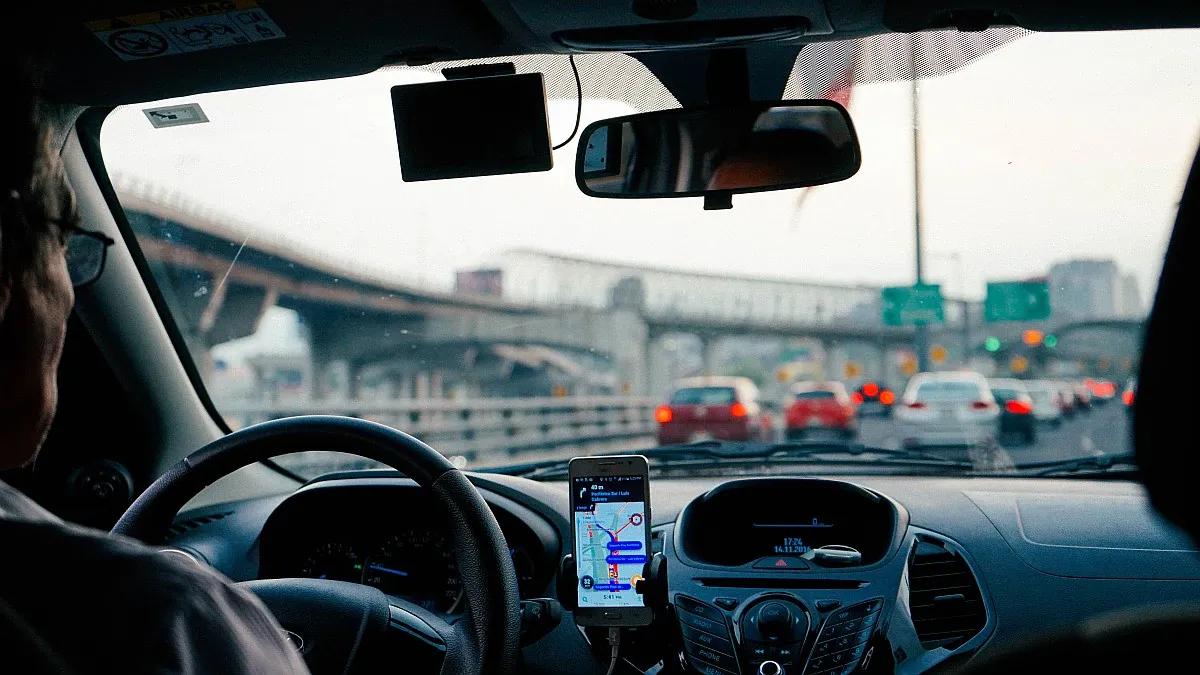
Union Cabinet Greenlights Ambitious ITMS Project for Delhi
The Union Cabinet approved the Intelligent Traffic Management System project on Wednesday, allocating Rs 1,789.52 crore to transform how Delhi traffic is managed
1
2
. The Cabinet Committee on Economic Affairs, chaired by Prime Minister Narendra Modi, sanctioned this technology-driven overhaul proposed by Delhi Police to address mounting pressure on the capital's road network. With approximately 71 lakh active registered vehicles in Delhi and additional traffic from neighboring states, the current infrastructure struggles to maintain smooth flow1
2
. The ITMS project will deploy 1,092 Adaptive Traffic Control Systems across 1,029 enforcement locations, covering 42 identified traffic corridors throughout the Union Territory1
2
.AI-Powered Adaptive Traffic Signals Transform Signal Management
The heart of the ITMS project lies in AI-enabled adaptive traffic signals that will fundamentally change how traffic corridors operate. Unlike traditional fixed-timing signals, these AI-powered adaptive traffic signals will dynamically adjust their timings based on current traffic conditions, responding to actual volumes rather than predetermined schedules
1
2
. The system will coordinate signals along identified corridors to reduce unnecessary stops and delays, making better use of available road capacity. Real-time traffic management capabilities will enable Delhi Police to identify congestion, accidents, and disruptions more quickly, allowing faster response through traffic diversion or other operational measures2
. This technology-based approach marks a shift from manual intervention to data-driven decision-making, helping authorities respond dynamically to actual conditions on the roads1
.Emergency Vehicle Movement Gets Priority Through Green Corridors
A critical feature of the Intelligent Traffic Management System focuses on emergency vehicle movement, creating green corridors for ambulances and other emergency services. The system will prioritize their passage through congested stretches, helping reduce response times when emergency services need to reach incidents across the city
1
2
. This capability addresses a significant road safety concern where delayed emergency response can prove critical. The adaptive signals will automatically adjust to facilitate faster movement of ambulances and other priority vehicles, potentially saving lives by cutting down precious minutes during medical emergencies.Automated Enforcement for Violations Strengthens Road Safety
The ITMS project will deploy comprehensive automated enforcement for violations, using AI-based analytics to detect multiple types of traffic infractions. The system will monitor red-light violations, stop-line violations, overspeeding, wrong-way driving, riding without helmets, driving without seat belts, illegal parking, and use of mobile phones while driving
2
. Beyond basic violation detection, the AI analytics will identify stolen, hot-listed, and blacklisted vehicles, track repeat offenders, and flag vehicles linked to hit-and-run incidents2
. Electronic monitoring through cameras and automatic number plate recognition will enable consistent enforcement across all 1,029 enforcement locations.Related Stories

Real-Time Information Reaches Commuters Through Multiple Channels
Variable Message Sign boards and digital platforms will provide commuters with real-time information about congestion, diversions, parking availability, and prevailing traffic conditions
1
2
. Delhi Police is considering sharing this data with navigation service providers like Google Maps, allowing motorists to factor real-time road conditions into their route planning1
2
. This integration could help reduce congestion by distributing traffic more evenly across available routes as drivers make informed decisions based on current conditions.Implementation Timeline and Technical Infrastructure
The ITMS project will roll out in three phases over 24 months, with each subsequent phase beginning only after the previous phase meets prescribed testing, commissioning, acceptance, and performance requirements
1
2
. Following implementation, the system will be operated and maintained for five years. A Master System Integrator will execute the project, with technical support from the Centre for Development of Advanced Computing under the Ministry of Electronics and Information Technology1
. Traffic Command and Control Centres will bring together traffic regulation, enforcement, and information dissemination, supported by secure Data Centre and Disaster Recovery infrastructure1
2
. The system will follow open standards and APIs to enable future integration and scalability, allowing expansion as Delhi's traffic management needs evolve1
.References
Summarized by

Navi
Related Stories
AI-Powered Intelligent Traffic Management System to be Implemented on Mumbai-Pune Expressway
19 Jul 2024

India Proposes AI Integration for Enhanced Road Safety and Traffic Management
25 Oct 2024•Policy and Regulation

AI Technology Revolutionizes Road Safety: Reducing Car Accidents Through Advanced Systems
27 Aug 2024

Recent Highlights



Recent Highlights
Today's Top Stories







Don’t drown in AI news. We cut through the noise - filtering, ranking and summarizing the most important AI news, breakthroughs and research daily. Follow topics that matter to you and stay ahead.


