Universal Pictures Takes Stand Against AI Training with New Legal Warning in Movie Credits


7 Sources
[1]
Universal Adds 'No AI Training' Warning to Movies
AI is not invited to movie night. According to The Hollywood Reporter, Universal Pictures has started including a message in the credits of its films that indicates the movie "may not be used to train AI" in part of an ongoing effort by major intellectual property holders to keep their content from
[2]
Universal Pictures Adds 'May Not Be Used to Train AI' to the End of its Movies
Universal Pictures has made a move in the ongoing AI dispute by adding a legal warning to its films at the end of the credits. Movies such as How To Train Your Dragon, Jurassic World Rebirth, and The Bad Guys 2, all released this summer, have had "may not be used to train AI" attached to the end
[3]
Universal Adds 'No AI Training' Warnings to Films as Midjourney Claims 'Fair Use' - Decrypt
AI firm Midjourney filed a response Wednesday to a lawsuit defending against Disney and Universal's copyright infringement claims. American film studio Universal Pictures has begun warning AI companies not to use its movies for training by adding legal notices to film credits stating that the
[4]
Universal Pictures Just Added an Anti-AI Legal Warning to the End of Its Movies, Including 'How to Train Your Dragon'
Universal and Disney are involved in ongoing litigation against an AI company, alleging copyright infringement. Take a closer look at "How to Train Your Dragon," the live-action movie released in June. Embedded in the end credits of the movie is a warning: Universal Pictures, the major American
[5]

Jurassic World Rebirth studio Universal Pictures is cracking down on AI in a big way with a warning threatening legal action at the end of all its new movies
Universal Pictures is continuing its crackdown on generative AI with new messaging, threatening legal action against anyone who uses its movies to train AI systems, at the end of all its new movies. The legal warning says Universal's movies "may not be used to train AI" and appears during the end
[6]

Universal to become more aggressive in suing companies training AI with their movies
As AI creeps closer to Hollywood, some companies are beginning to accept the new technology, while others are pushing back against it. Universal appears to be one of the latter studios, as it has revealed it is going to be taking harsh measures against companies using its films for training AI
[7]

Universal Pictures to Big Tech: We'll Sue If You Steal Our Movies For AI
Justin Baldoni Sues 'It Ends With Us' Insurers to Cover Legal Fees Universal Pictures is taking a new approach to combat mass theft of its movies to teach artificial intelligence systems. Starting in June with How to Train Your Dragon, the studio has attached a legal warning at the end credits of
Share
Copy Link
Universal Pictures has added a legal warning to its movie credits, stating that its films "may not be used to train AI," in an effort to protect its intellectual property from unauthorized use by AI companies.
Universal Pictures Takes a Stand Against AI Training
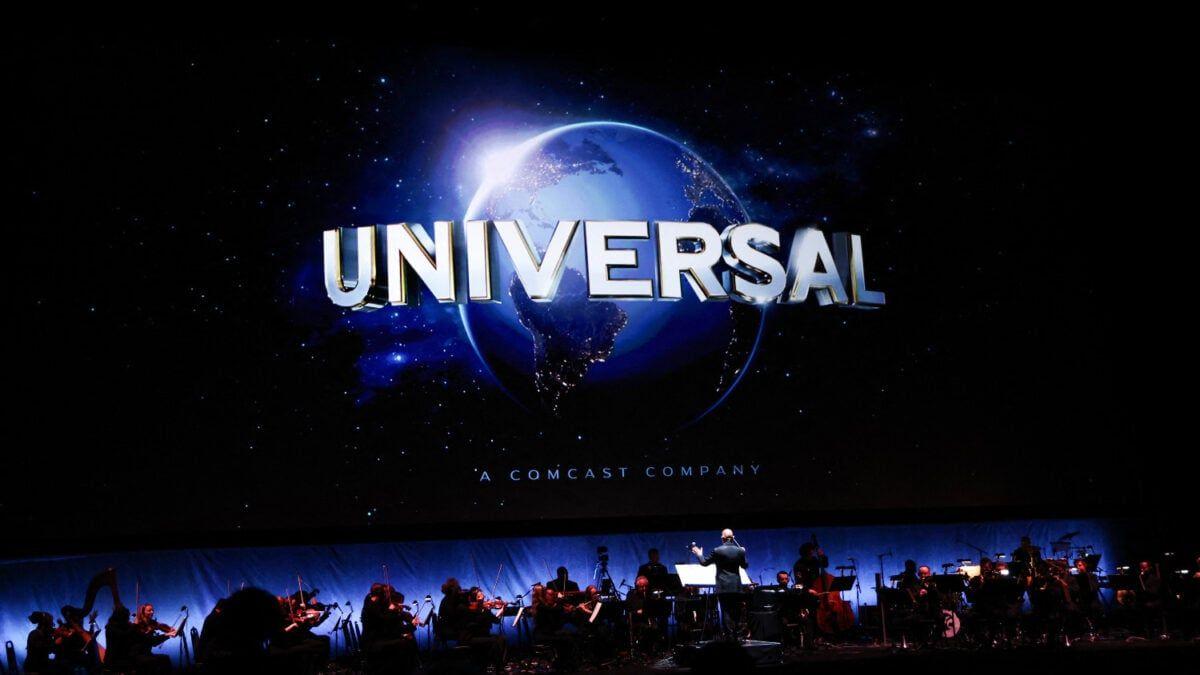
Universal Pictures has taken a significant step in the ongoing battle between Hollywood and artificial intelligence (AI) companies. The studio has begun adding a legal warning to the end credits of its films, stating that the content "may not be used to train AI"
1
. This move is part of a broader effort by major intellectual property holders to protect their content from being used without permission or compensation in AI training.The New Warning and Its Implications
Source: Gizmodo
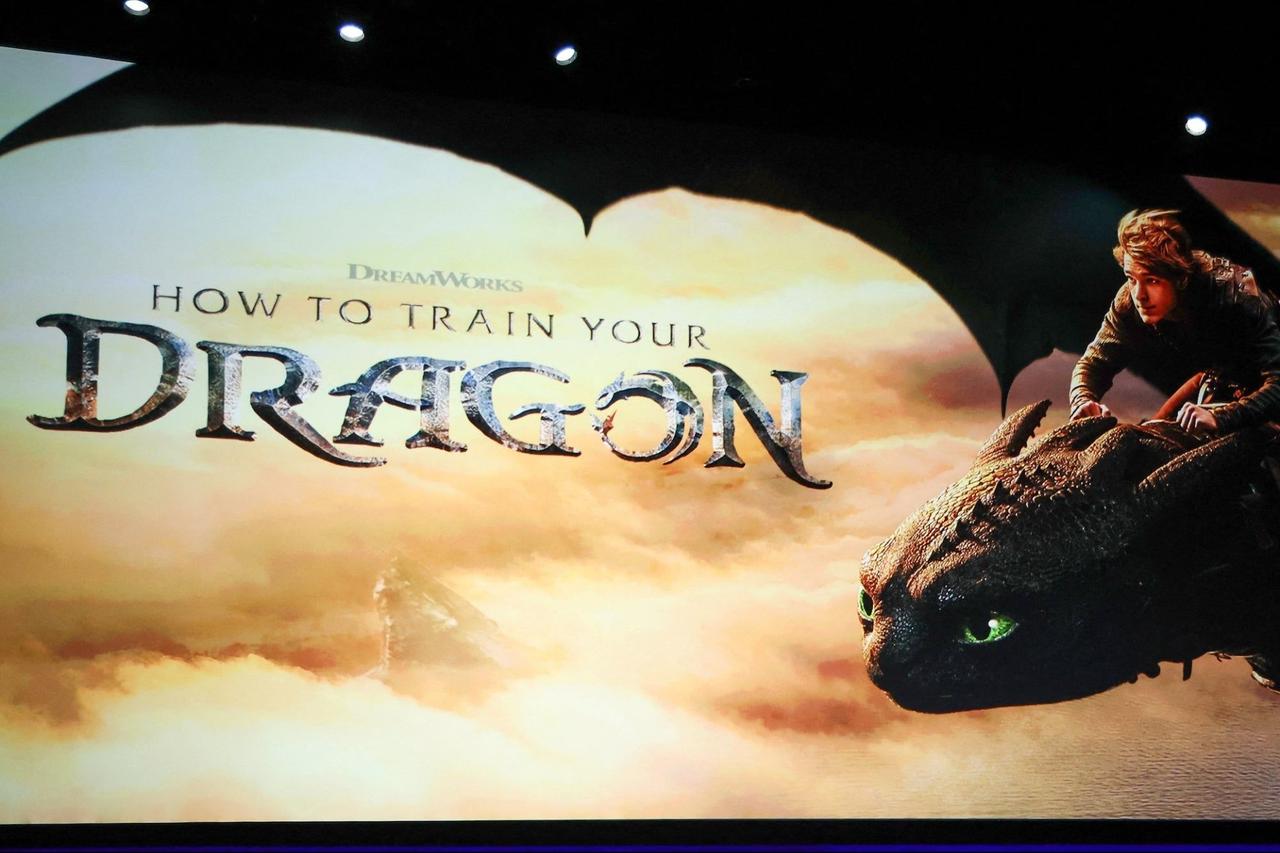
The warning, which first appeared in the live-action "How to Train Your Dragon" in June, has since been included in other Universal releases such as "Jurassic World Rebirth" and "The Bad Guys 2"
2
. The message is accompanied by a standard copyright notice, threatening civil liability and criminal prosecution for unauthorized use. In some countries, the warning cites a 2019 European Union copyright law that allows creators to opt out of having their content used for research1
.Universal believes that by making this explicit statement against AI use, it will be more challenging for tech firms to use the company's content for data-extraction purposes
2
. This move reflects growing concerns in the entertainment industry about AI's potential to replicate copyrighted material without permission or compensation.Legal Battle with AI Companies
The warning comes in the context of an ongoing legal dispute between major Hollywood studios and AI companies. Universal, along with Disney, has filed a lawsuit against Midjourney, an AI image generator, accusing it of "vast, intentional, and unrelenting copyright infringement"
3
. The lawsuit alleges that Midjourney has enabled users to create unauthorized reproductions of iconic characters from franchises like Star Wars, Marvel, and Disney animations.Midjourney's Response and Fair Use Argument
Source: Entrepreneur
Midjourney has responded to the lawsuit, challenging the studios on multiple fronts. The AI company argues that copyright law does not confer absolute control over copyrighted works and that fair use must be considered
3
. Midjourney cites recent federal court rulings that support AI training as "transformative fair use" and points out that many studio employees and visual effects companies working for the plaintiffs actively use their service.Related Stories

Broader Implications for the Entertainment Industry
This legal battle raises important questions about the future of AI in the entertainment industry. While some studios are taking a defensive stance, others are beginning to incorporate AI into their production processes. For instance, Netflix recently disclosed that it used AI to generate footage for a scene in one of its shows, completing it "10 times faster" than with standard tools
4
.The Road Ahead

Source: GameReactor
As the entertainment industry grapples with the rapid expansion of AI technology, the outcome of this legal dispute could have far-reaching consequences. It may set precedents for how AI can be used in content creation and what constitutes fair use in the age of machine learning. The industry will need to find a balance between protecting intellectual property and harnessing the potential benefits of AI technology
5
.References
Summarized by

Navi
[3]
[4]
Related Stories
DreamWorks Takes Stand Against AI: 'The Bad Guys 2' Credits Include Legal Warning
31 Jul 2025•Technology
Disney and Universal Sue Midjourney for AI-Generated Character Copyright Infringement
12 Jun 2025•Technology

Hollywood Giants Sue Chinese AI Startup MiniMax for Copyright Infringement
17 Sept 2025•Technology

Recent Highlights



Recent Highlights
Today's Top Stories



Don’t drown in AI news. We cut through the noise - filtering, ranking and summarizing the most important AI news, breakthroughs and research daily. Follow topics that matter to you and stay ahead.


