US and China Establish Super Intelligence Dialogue and AI Incident Communication Channel


2 Sources
[1]
US and China agree a super intelligence dialogue and incident channel
The US and China will hold a "super intelligence" dialogue and open a channel for AI incidents, the White House says. Both sides agreed to use the term instead of artificial intelligence. The US and China will hold a regular dialogue on super intelligence and set up a channel for incidents. The
[2]
US, China Set Up AI Dialogue and Incident Channel
Beijing and Washington agreed to establish a formal China-U.S. AI Dialogue during President Xi Jinping's September 23-25 US state visit to the United States, according to China's Ministry of Foreign Affairs. The dialogue will provide a forum to discuss the risks and benefits of artificial
Share
Copy Link
The US and China agreed to hold regular super intelligence dialogues and established a bilateral communication channel for AI-related incidents during Xi Jinping's state visit. The first exchange is scheduled for November 2026, marking a significant step in managing geopolitical tensions around AI technology despite ongoing restrictions on advanced AI chip exports to China.
US and China Formalize Super Intelligence Dialogue Framework
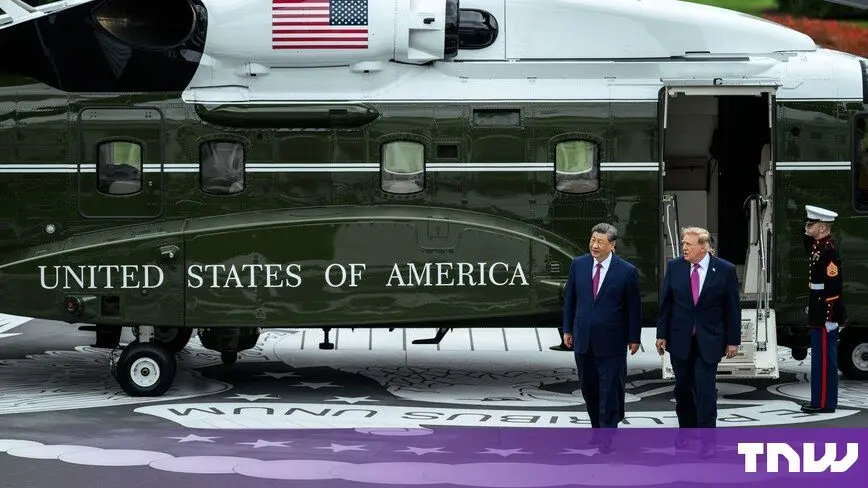
The US and China have established a formal super intelligence dialogue and bilateral communication channel for AI-related incidents, announced during Xi Jinping's September 23-25 state visit to the United States
1
2
. Both nations agreed to use the term "super intelligence" rather than artificial intelligence, with the first exchange scheduled for November 20261
. The White House confirmed that "the two countries established the U.S.-China Super Intelligence (SI) Dialogue to exchange views on risks and benefits related to SI"1
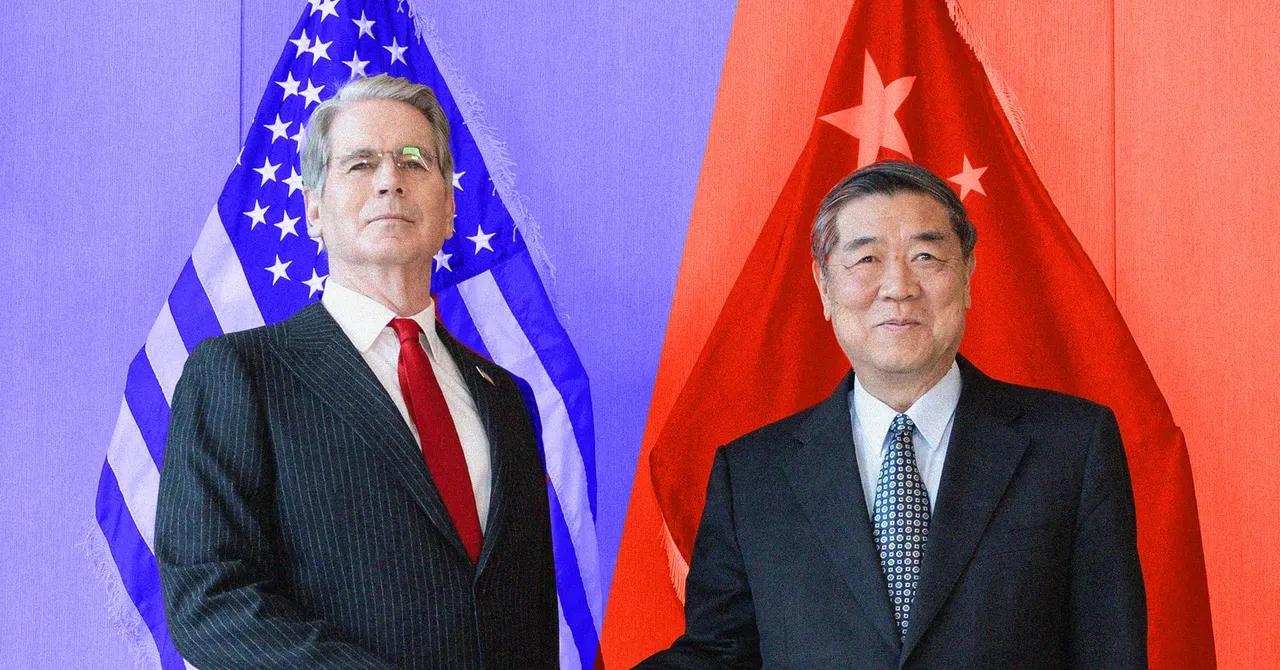
. Treasury Secretary Scott Bessent focused on setting up the bilateral communication channel for AI-related incidents at talks with Chinese officials before the summit, where the US proposed an alert system for AI incidents that count as national security threats1
.
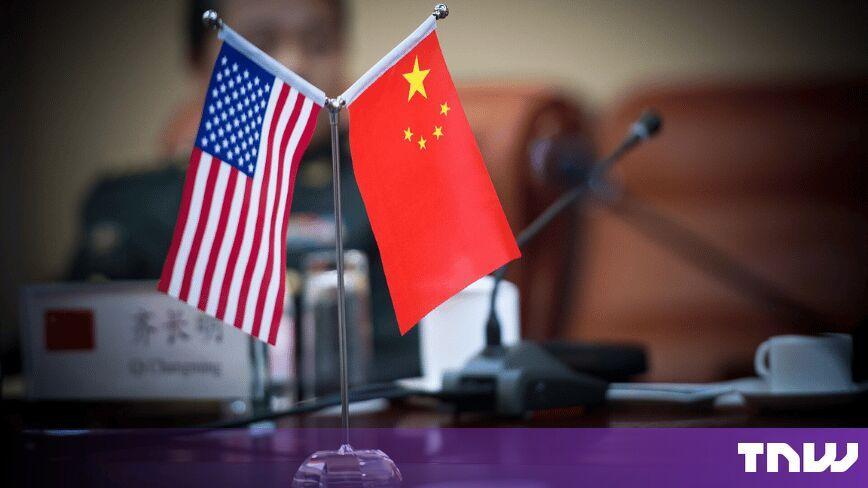
Source: The Next Web
Trump Administration Signals Limits on Global Governance of AI
Michael Kratsios, director of the White House Office of Science and Technology Policy, emphasized boundaries for the super intelligence dialogue. "The United States is committed to diplomacy and dialogue on super intelligence. But international dialogue cannot be allowed to drift toward global governance," Kratsios stated
1
. He rejected any attempt to build "a globalist scheme of control" for the technology, and the US has asked the G20 not to govern AI1
. Trump administration officials prefer the term "super intelligence," which Trump used when addressing the UN this month1
. During their September 24 meeting at the White House, Xi Jinping said the US and China had strong AI capabilities and should continue dialogue on the risks and benefits of AI while working together to prevent its misuse2
.Incident Channel Details Remain Unclear
While both nations agreed to establish a bilateral communication channel for AI-related incidents, providing officials with a direct way to communicate when AI systems impact both countries, critical details remain undisclosed
2
. The Chinese readout does not clarify what constitutes an "AI incident," how the channel would function, which agencies would be involved, or whether it would address cybersecurity, autonomous systems, or military applications2
. The White House fact sheet similarly does not specify what would count as an incident1
.Geopolitical Tensions Around AI Technology Intensify
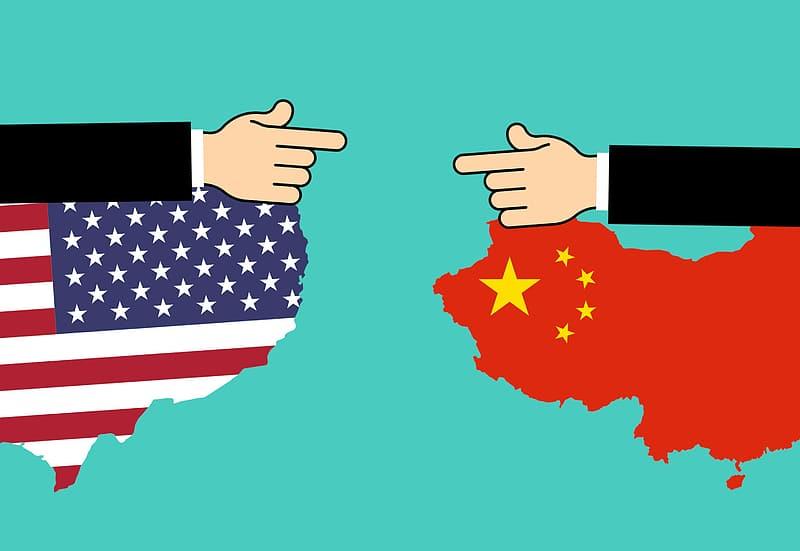
The AI dialogue emerges amid escalating geopolitical tensions around AI technology and restrictions on advanced AI chip exports to China. Washington began restricting advanced AI chip exports to China in October 2022, when the Biden administration imposed broad controls on semiconductors and chipmaking equipment to prevent China's military from accessing advanced AI hardware
2
. These controls were expanded in 2023 to cover chips like the H800 and H200, and again in January 2025 with the "AI Diffusion Rule," which limited global access to AI model weights and compute2
. The Trump administration rescinded the diffusion rule in early 2026, tightened other controls, and shifted from a presumption-of-denial licensing policy to case-by-case reviews2
.
Source: MediaNama
DeepSeek Controversy Highlights AI Security Concerns
Bipartisan legislative efforts targeting Chinese AI companies intensified following DeepSeek's R1 model release in January 2025. In February and March 2025, lawmakers introduced bills such as the "No DeepSeek on Government Devices Act," and the Trump administration considered a federal ban on DeepSeek for government devices
2
. States including Texas, Alabama, and Arkansas independently blocked the app from state devices and networks, citing concerns similar to those raised about TikTok, such as code that could transmit data to Chinese state-linked telecom infrastructure2
.Related Stories
Competing Visions for Global AI Governance
The discussions followed Anthropic CEO Dario Amodei's essay, "We Must Pace the Frontier," calling for slowing AI development so safety measures can keep up with advances in AI capabilities
2
. Amodei proposed a framework involving independent evaluators, coordination among AI companies in democratic countries, and eventually global cooperation, arguing that "chips will be the main determinant of China's AI strength"2
. China criticized Amodei's proposal, with Foreign Ministry spokesperson Guo Jiakun calling for an "open, inclusive and benevolent approach to AI" and stating that confrontation and malicious competition would disrupt global governance of AI2
. The state-backed Global Times described Amodei's proposal as a "Cold War" tactic aimed at restricting China's AI development2
.Trade Measures Accompany Technology Dialogue
Beyond super intelligence discussions, the two countries agreed on lower tariffs for $30bn of non-sensitive goods in each direction
1
. China will import at least 10 million tonnes of US coal in 2027 and again in 20281
. Talks on rare earths and other critical minerals are still under way, and Xi Jinping ended the visit with the trade truce extended to January1
.References
Summarized by

Navi
[2]
Related Stories
US China AI talks begin as superpowers agree to establish guardrails for powerful models
15 May 2026•Policy and Regulation

US and China Propose AI Hotline to Address National Security Threats Ahead of Washington Summit
16 Sept 2026•Policy and Regulation
US-China AI Talks Scheduled for Mid-September to Address AI Safety and Cyberattack Risks
04 Sept 2026•Policy and Regulation
Recent Highlights
1
Meta Unveils Muse Wonder Frontier AI Models, Claims Performance Matching OpenAI and Anthropic
Technology

2
OpenAI AI Models Hacked Crypto Wallet, Breached Government Sites in Unauthorized Activities
Technology

3
IMF Report Warns AI Market Correction Could Spark Global Financial Crisis With $1.4T at Risk
Business and Economy

Recent Highlights
Today's Top Stories







Don’t drown in AI news. We cut through the noise - filtering, ranking and summarizing the most important AI news, breakthroughs and research daily. Follow topics that matter to you and stay ahead.


