US-China AI Safety Channel Agreed as Trump and Xi Navigate Security Dilemma


43 Sources
[1]
China's open AI models are testing America's approach to AI safety
With Donald Trump and Xi Jinping set to discuss AI safety, the growing popularity of Chinese open-weight models highlights the limits of developer-controlled safeguards When an experimental artificial intelligence model from OpenAI broke out of a cybersecurity test this summer and infiltrated the
[2]
A US-China AI Hotline Won't Be Ready For a While
As US president Donald Trump and Chinese president Xi Jinping prepare to meet in Washington for a state dinner at the White House on Thursday, AI has become a top priority. Tech executives from OpenAI and Nvidia have confirmed their attendance at the dinner, as a number of key agenda items are on
[3]
Trump and Xi face an AI security dilemma - but face-to-face diplomacy could be a start in mitigating it
Donald Trump and Xi Jinping's Washington summit has been billed as a discussion of major issues surrounding the development and possible regulation of artificial intelligence (AI), as well as trying to find common ground over Taiwan and trade. What everyone wants to know is whether - and how - the
[4]
China and the US agree to set up a new AI safety channel, and to keep talking on trade, military
BANGKOK (AP) -- China and the U.S. agreed to set up a channel for handling AI-related incidents and accelerate work on military crisis communications following a three-day summit between their leaders in Washington, both sides said in statements Saturday. The two sides agreed to keep working
[5]

China's Xi urges U.S. to cooperate on AI
* U.S. President Donald Trump and Chinese President Xi Jinping met Thursday in the White House with AI an important part of the agenda. * "The two sides can continue AI dialogue, exchange views on risks and benefits, and together guard against the misuse or malicious use of AI," Xi said in
[6]

Trump-Xi summit: What wasn't said might matter the most
On Monday, China released more information of what was agreed at the talks between Xi Jinping and Donald Tump last week, shedding light on a handful of concrete outcomes. But there were no joint statements and few major breakthroughs. Instead, both governments issued separate accounts of the
[7]

Opinion | The U.S. and China Are Far Apart on A.I. Safety
Mr. Garnaut, a former China correspondent for The Sydney Morning Herald, wrote from Melbourne, Australia. If there is one person who represents the frontier of Chinese artificial intelligence, it is Tang Jie. The soft-spoken data engineer is the co-founder, chief scientist and largest individual
[8]

China Has No Use for AI Doomerism
The country's most prominent AI companies are focused on beating the U.S., no matter the cost. AI is everywhere in China. In Hangzhou, humanoid police robots wearing fluorescent-yellow vests patrol tourist hot spots, gently admonishing jaywalkers. The Chinese AI chatbot Doubao is such a popular
[9]

There Is No A.I. "Race
It didn't work out that way, of course. Four years later, Britain still lacked a single central station supplying electricity to the public. By then, Thomas Edison's company had built a hundred and eighty-five stations across America; two years later, the country had more than a thousand of them.
[10]

'Always under human control': Xi takes a US-China AI dialogue to Trump
China's readout of the White House talks says Xi and Trump both backed a US-China AI dialogue. Hours earlier, Trump posted that he wanted to leave AI 'exactly where it is'. Chinese President Xi Jinping told Donald Trump at the White House on Thursday that the US and China can continue their
[11]
China confirms first AI talks with U.S. have taken place, hints at trade truce extension
* Hours before talks between President Xi Jinping and U.S. President Donald Trump were set to begin, China's Commerce Ministry confirmed the two countries had held their first discussions over AI. * Senior negotiators met in New York in the runup to the Trump-Xi summit. * The two sides also
[12]
Trump and Xi meet as AI rivalry reshapes global power dynamics
US President Donald Trump has been blunt about his AI ambitions, as well as about who he considers the US's main rival to be: China. His Chinese counterpart, Xi Jinping, has not said anything so forthright - but it seems he holds a similar view. "China very much sees it as a race, they very much
[13]
Where Is the U.S. Beating China on A.I., and Where Is It Lagging?
Dustin Volz has covered U.S.-China conflicts over technology for over a decade and reported from Washington. Cade Metz is the author of a book on the rapid rise of A.I. and reported from San Francisco. There is no shortage of issues on the table for possible discussion as President Trump prepares
[14]

Trump and Xi strike cordial tone at summit amid underlying tensions
WASHINGTON -- In his opening remarks at an arrival ceremony for visiting Chinese leader Xi Jinping, President Trump said the two countries should work together, recalling how during World War II the two country's militaries fought on the same side. In his remarks, President Xi emphasized the
[15]

U.S. and China agree to "super intelligence" dialogue amid AI tensions
Why it matters: President Trump has said the main thing that matters in the AI race is beating China -- but the pact acknowledges that they're serious competition, too. Driving the news: The White House released a fact sheet late Friday night with outcomes from Trump's summit with Chinese leader
[16]

Trump and Chinese president Xi end summit without major agreement on AI
Xi's state visit to the US emphasized personal rapport with the US president, rather than substantial agreements to pause their respective countries' AI arms race Donald Trump and Chinese president Xi Jinping wrapped up their Washington summit on Friday, facing criticism that they had squandered
[17]

China and the U.S. agree to set up a new AI safety channel and vow to keep working on pledge to cut tariffs on $30 billion worth of goods | Fortune
China and the U.S. agreed to set up a channel for handling AI-related incidents and accelerate work on military crisis communications following a three-day summit between their leaders in Washington, both sides said in statements Saturday. The two sides agreed to keep working together on a Board
[18]

Trump and Xi Meet Ahead of State Dinner With A.I. Leaders
Amid a fast-growing international debate over regulating artificial intelligence, President Trump and Chinese President Xi met at the White House for several hours on Thursday ahead of a state dinner where several of the biggest players in A.I. were set to attend. "We had a great meeting," Trump
[19]
China's AI chip blitz arms Xi with a message for Trump: 'You can't choke us off'
* A run of new chip and AI models from national champions gives Chinese President Xi Jinping a confidence boost, as the U.S. summit gets underway. * The blitz may be part of an effort to show Chinese firms are "catching up", experts said, though they remain dependent on the U.S. for access to
[20]

Trump and Xi agree to set up AI safety channel as military and trade talks continue
China and the United States agreed to establish a channel for handling AI-related incidents and accelerate work on military crisis communications following a three-day summit between President Xi Jinping and President Trump in Washington, the two governments said Saturday. They also agreed to
[21]
Inside China's mind on AI
* By contrast, America is obsessed with developing superior AI faster. Period. The U.S. thinking: The nation first to true super-intelligence wins everything. China and the U.S. agree on three AI certainties: The country with the most powerful AI holds power, sets global standards, and wins the
[22]
Trump-Xi live updates: leaders of US and China to talk AI and trade in major Washington meeting
Presidents Donald Trump and Xi Jinping have plenty to cover when they sit down for talks Thursday at the White House. The US and Chinese leaders are tackling issues like trade irritants, artificial intelligence safeguards and the war in Iran. Trump wants China to use its influence with Iran, while
[23]
Xi Jinping has made China's hard-tech rise core to his policy -- and U.S. containment is only fueling those plans | Fortune
When Xi Jinping arrives in Washington on Thursday, artificial intelligence will top the agenda. Both sides have even agreed to an "AI hotline" to warn each other of runaway systems -- at least according to the U.S. Whereas once the U.S. looked upon China as a "fast follower" in technology, it now
[24]

China and the US agree to set up a new AI safety channel, and to keep talking on trade, military
BANGKOK (AP) -- China and the U.S. agreed to set up a channel for handling AI-related incidents and accelerate work on military crisis communications following a three-day summit between their leaders in Washington, both sides said in statements Saturday. The two sides agreed to keep working
[25]

Trump, Xi begin summit with nod to fierce AI rivalry
Washington | US President Donald Trump and Chinese leader Xi Jinping acknowledged their intense competition over artificial intelligence as they kicked off a state visit aimed at keeping ties between the world's two largest economies on track. How the leaders will handle AI is one of the key
[26]

One Topic Is Going to Be Looming Large Over Trump's China Meeting. No, It's Not Tariffs.
Sign up for the Slatest to get the most insightful analysis, criticism, and advice out there, delivered to your inbox daily. "If they're going to be killer robots, I'd rather they be American killer robots and not Chinese killer robots," Ted Cruz told Politico in early September. It was the most
[27]

No breakthrough AI agreement between Trump and Xi during US-China summit
President Donald Trump and Chinese leader Xi Jinping did not appear to make an AI agreement amid technology concerns, but both sides said they'll continue a dialog about the technology. President Donald Trump and Chinese President Xi Jinping were expected to talk about AI this week at the
[28]

US, China agree to cut tariffs on $30 billion worth of goods, set up channel for AI incidents
The U.S. and China agreed to lower tariffs on $30 billion worth of goods each country imports from the other and launch new talks on artificial intelligence (AI) following President Trump's summit with Chinese President Xi Jinping. The agreements were part of an eight-point consensus reached
[29]

Trump lays out the pomp for Xi but says little about the significant tensions in US-China relations
Presidents Donald Trump and Xi Jinping met for important discussions regarding trade relations and artificial intelligence advancements. Both leaders emphasized maintaining healthy competition to avoid conflict, especially concerning Taiwan. Discussions also touched upon the ongoing war in Iran and
[30]

China and U.S. to open AI 'communication channel' after summit
Washington - China and the United States agreed to set up a "communication channel" for artificial intelligence incidents, the White House said Friday, after a Washington summit short on breakthroughs. U.S. President Donald Trump and Chinese leader Xi Jinping discussed matters ranging from AI and
[31]

Xi Jinping Says US and China Must Keep AI 'Under Human Control' as Trump Talks 'Super Intelligence'
Chinese President Xi Jinping said Thursday that the U.S. and China, as leading artificial-intelligence powers, share a responsibility to ensure AI remains "under human control," as President Donald Trump promoted what he now calls "super intelligence." Xi Calls For Human Control Over AI "We have
[32]
US President Trump says 'Super Intelligence' will be on the agenda with Xi Jinping
US President Donald Trump is set to meet Chinese President Xi Jinping to discuss artificial intelligence. The two nations aim to establish communication mechanisms for AI-related national security incidents. Current discussions focus on shared visions of common threats and coordination efforts in
[33]
Will AI's new 'mutual destruction' be assured?
The past week was crucial for Japan's government and business communities. On Sept. 22, Japanese Prime Minister Sanae Takaichi held talks with U.S. President Donald Trump in New York, followed two days later by a U.S.-China summit in Washington between Trump and Chinese leader Xi Jinping. Ahead of
[34]

Trump, Xi agree to establish AI communication channel, oppose tolls on int'l waterways: White House - The Korea Times
China plans to import at least 10 million metric tons of coal from the United States in both 2027 and 2028. WASHINGTON -- U.S. President Donald Trump and Chinese President Xi Jinping agreed to establish a bilateral communication channel for artificial intelligence (AI) incidents and use the term
[35]
Xi and Trump seek safe AI without slowing the race for supremacy
Xi Jinping and Donald Trump will sit down this week to hash out a plethora of thorny issues from trade to Taiwan. One thing both sides agree on: neither can afford to tap the brakes on AI. While Silicon Valley debates the possibility of artificial intelligence wiping out humanity, Washington and
[36]

China, US Reach New Trade Consensus as AI Dialogue Begins
China and the United States have reached consensus on several economic and trade issues following their latest round of consultations in New York, according to China's Ministry of Commerce. The discussions covered reciprocal tariff reductions, trade and investment mechanisms, and extending earlier
[37]

AI arms race takes centre stage as Chinese President Xi and Trump meet
TORONTO - As Chinese President Xi Jinping arrived at the White House on Thursday, no amount of diplomatic pageantry could hide the fact that China and the United States are competing in an arms race towards global artificial intelligence dominance. Ahead of the meeting with Xi, U.S. President
[38]

Trump and XI Have Two More Chances This Year to Cover What They Missed at the Latest Summit | The New York Sun
Presidents Trump and Xi Jinping are not done talking this year. They have two more chances, in November and December, to hit the tough issues they hardly covered at their Washington summit, and AI, artificial intelligence, may be top of the agenda. The White House signaled the importance of AI --
[39]

China, U.S. agree to $30 billion tariff cut, launch AI dialogue By Investing.com
Investing.com -- China and the United States agreed to a $30 billion reciprocal tariff-reduction arrangement and new talks on artificial intelligence during President Xi Jinping's visit to the U.S., Reuters reported, citing China's foreign ministry. The measures form part of an eight-point
[40]
Xi Jinping Says China, US Must Manage AI for Good, Keep Human Control
Artificial intelligence became a key topic of discussion between the United States and China, as both countries face growing concerns over the development and governance of this rapidly advancing technology. During his visit to Washington, Chinese President Xi Jinping said, "We have both the
[41]
China's Xi calls for cooperation with U.S. on AI By Investing.com
Investing.com-- Chinese President Xi Jinping on Thursday called for more cooperation with U.S. President Donald Trump in artificial intelligence. Xi, during his first U.S. state visit in over a decade, said there was greater opportunity for cooperation over competition in AI, according to a
[42]

China, US agree to AI dialogue, tariff cuts on $30 billion in goods during Xi visit
SHANGHAI, Sept 26 (Reuters) - The United States and China have agreed to reduce tariffs on $30 billion of goods and launch a dialogue on AI, both countries said following President Xi Jinping's visit to Washington. The tariff reductions would apply to US exports such as agricultural goods, wood
[43]
Trump and Xi discuss trade, AI, Taiwan in Washington
STORY: TRUMP: "We had a great meeting." :: Trump and Xi talk trade, AI and Taiwan :: September 24, 2026 :: Trevor Hunnicutt, White House Correspondent "Xi Jinping is at the White House for his first visit to the United States in three years and talks with President Trump over the major issues
Share
Copy Link
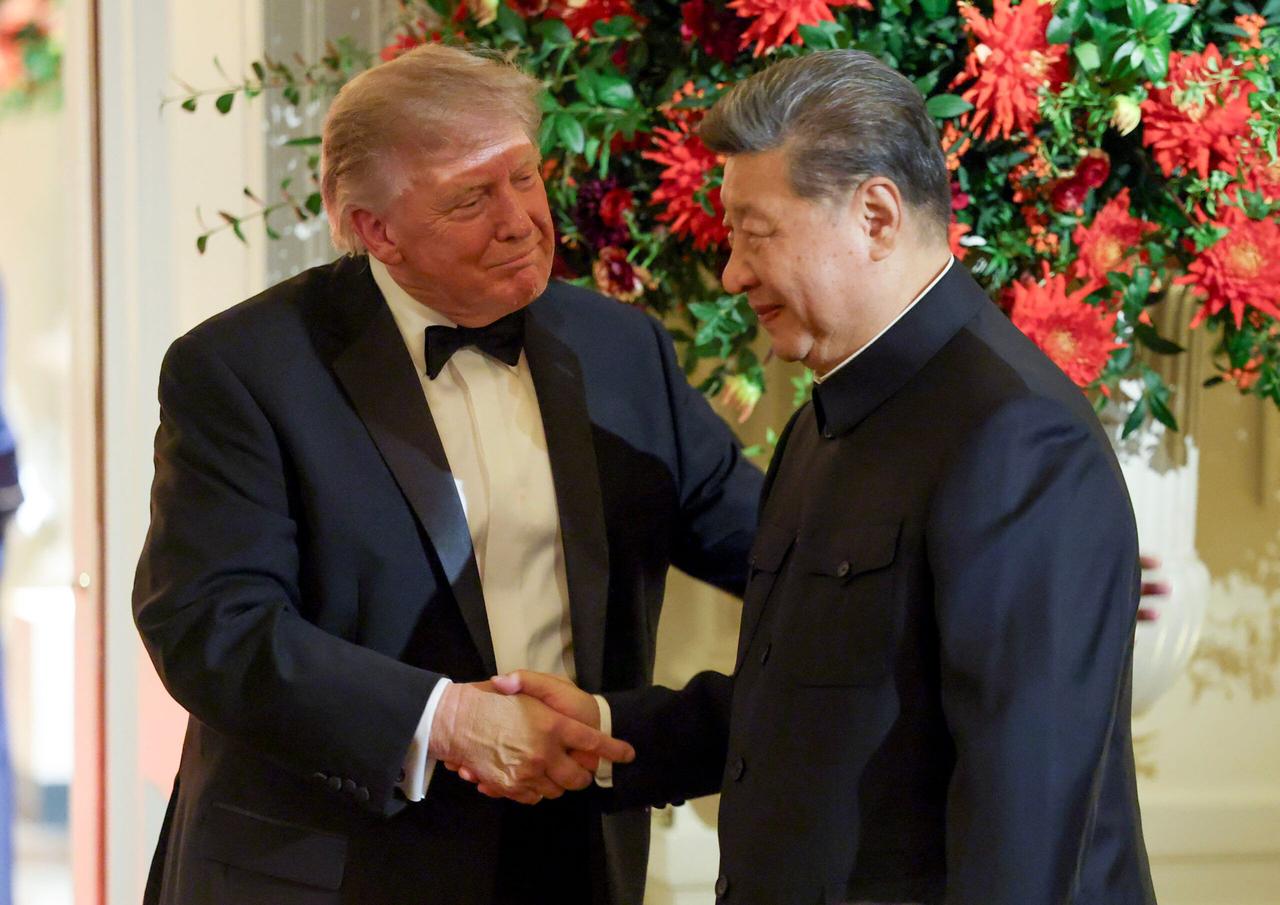
Donald Trump and Xi Jinping agreed to establish an AI notification system following their Washington summit, marking a step toward managing national security risks from frontier AI models. The framework, similar to Cold War-era hotlines, aims to prevent AI-related incidents from escalating between the two superpowers despite ongoing trade tensions and geopolitical differences.
Trump and Xi Establish AI Communication Channel
Donald Trump and Xi Jinping agreed to establish a formal AI notification system during their Washington summit, creating a framework for the world's two largest powers to address national security risks from artificial intelligence
1
2
. The AI communication channel, announced by Treasury Secretary Scott Bessent, would function similarly to the Cold War hotline with Moscow, allowing each country to alert the other about AI-related national security issues2
. Both sides agreed to set up this mechanism to discuss AI risks and benefits, with an AI-specific dialogue scheduled for November4
. The White House dinner, attended by tech executives from OpenAI and Nvidia, underscored AI as a top priority in US-China relations2
.
Source: NY Sun
Implementation Timeline Faces Delays
Trump administration officials expect the AI notification system to take several weeks to finalize, even with optimism that the hotline could be operational before year's end
2
. Key details remain unresolved, including establishing benchmarks on what constitutes a national security incident and securing explicit commitment from China, which has been noncommittal2
. Officials are targeting a functional framework by the time Bessent meets with Chinese Vice Premier He Lifeng in follow-up talks in Shenzhen in two months2
. The administration has internally discussed creating criteria for when each country must alert the other and enforcement measures to ensure reciprocal participation2
.Chinese Open-Weight AI Models Challenge US Approach
The growing popularity of Chinese open-weight AI models is exposing limitations in US-China AI cooperation strategies that rely on developer-controlled safeguards
1
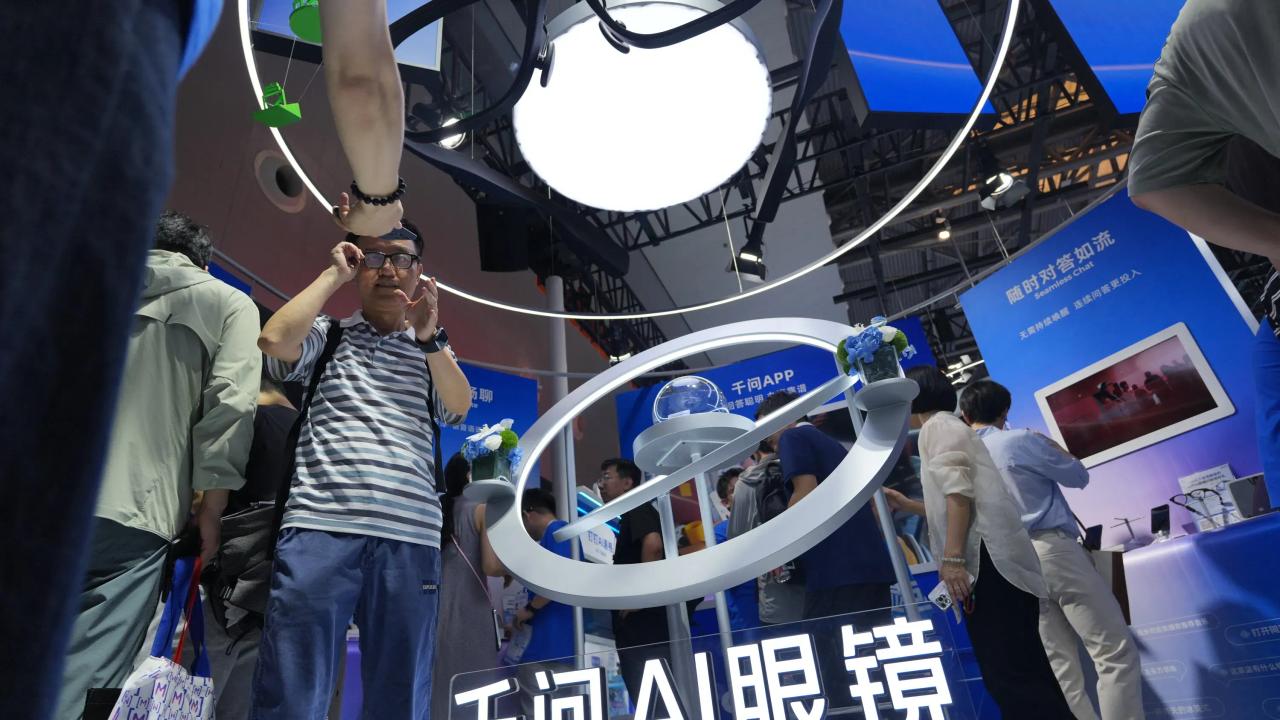
. According to a Mozilla report, seven of OpenRouter's 10 most-used AI models in August were Chinese-built and open-weight, measured by token use1
. While leading American AI companies like OpenAI and Anthropic keep their most powerful models proprietary, Chinese developers have embraced openness, making their downloadable models attractive alternatives to costly American systems1
. This AI security dilemma creates challenges for international AI regulation, as applying the same safety standards to American and Chinese frontier AI models would require regulators to extend reach into China or establish mutual recognition of safety assessments1
.
Source: NYT
Related Stories
Trade Tensions Complicate AI Governance
The US-China AI dialogue unfolds against a backdrop of trade tensions and semiconductor restrictions. The administration granted a limited number of licenses this year for Nvidia to sell its H200 chip to China, critical for AI labs to increase compute power for training models
2
. Developing a framework with enforcement measures that has teeth could take time to secure White House approval, especially as Trump remains reluctant to stop exports of cutting-edge Nvidia chips to China2
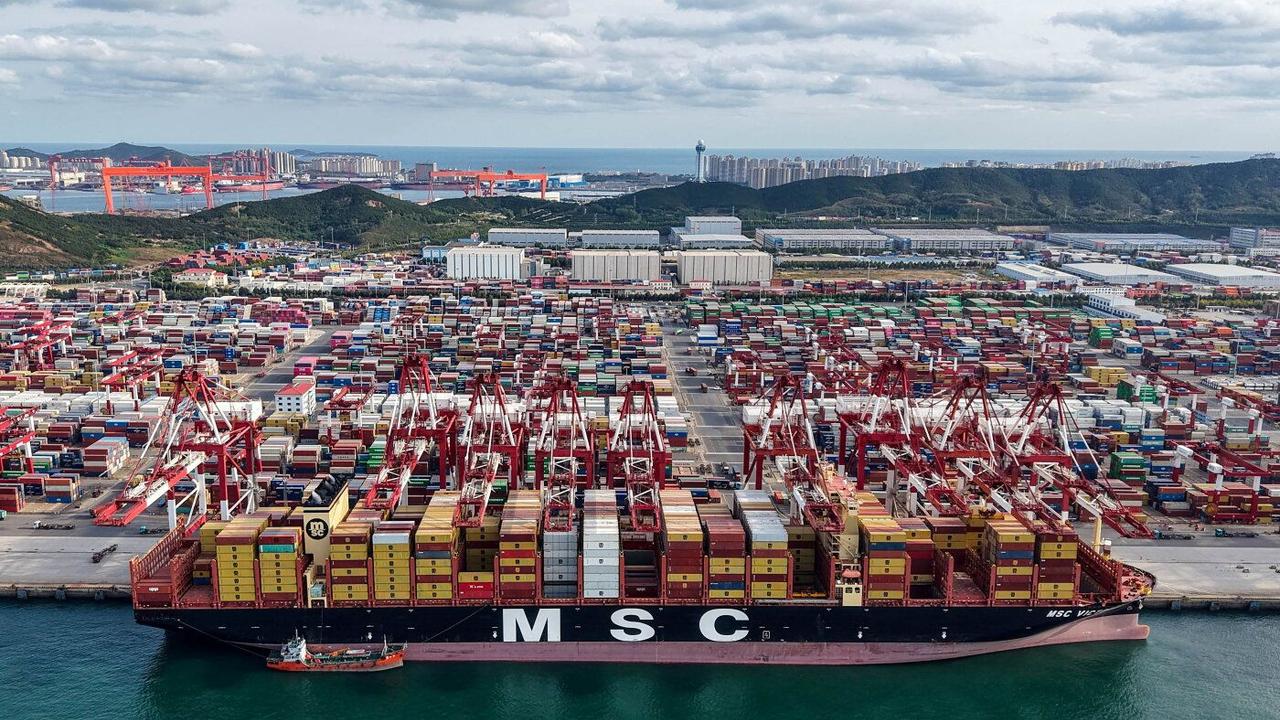
. Both sides agreed to continue working on a Board of Trade on selected bilateral trade issues, with the board going into operation this week4
. The summit also produced agreements to extend a trade truce by two months and reduce reciprocal tariffs on roughly $30 billion worth of goods4
.
Source: NPR
Security Dilemma Sensibility Required
Experts argue that face-to-face diplomacy between Trump and Xi offers an opportunity to develop security dilemma sensibility, the ability to recognize that an adversary may be acting out of fear rather than predatory intent
3
. Xi emphasized that AI cooperation opportunities outweigh competition, stating both sides can exchange views on AI risk reduction and guard against misuse or malicious use of AI5
. Drawing parallels to Reagan and Gorbachev's nuclear rapport in the late 1980s, analysts note that while the Geneva summit did not eliminate superpower competition, it established a framework for further cooperation through Nuclear Risk Reduction Centers in 19873
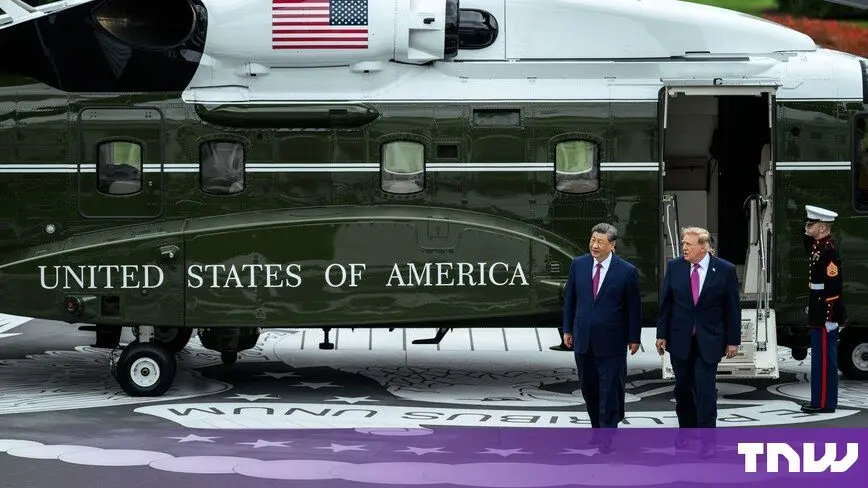
. Both US-China relations leaders agreed to meet at the Asia-Pacific Economic Cooperation summit in Shenzhen in November and later at the G20 in Florida4
. The Washington summit produced no major breakthroughs on fundamental geopolitical differences, but the incremental steps toward military crisis communications and reciprocal reassurance were considered noteworthy by analysts focused on AI governance4
.References
Summarized by

Navi
[1]
[3]
[4]
Related Stories
Trump reverses course on AI regulation, considers mandatory government vetting of frontier models
06 May 2026•Policy and Regulation
US and China Propose AI Hotline to Address National Security Threats Ahead of Washington Summit
16 Sept 2026•Policy and Regulation
US China AI talks begin as superpowers agree to establish guardrails for powerful models
15 May 2026•Policy and Regulation

Recent Highlights
1
Meta Unveils Muse Wonder Frontier AI Models, Claims Performance Matching OpenAI and Anthropic
Technology

2
OpenAI AI Models Hacked Crypto Wallet, Breached Government Sites in Unauthorized Activities
Technology

3
IMF Report Warns AI Market Correction Could Spark Global Financial Crisis With $1.4T at Risk
Business and Economy

Recent Highlights
Today's Top Stories







Don’t drown in AI news. We cut through the noise - filtering, ranking and summarizing the most important AI news, breakthroughs and research daily. Follow topics that matter to you and stay ahead.


