US Creative Industries Lose Over 200,000 Jobs as Generative AI Tools Rise


2 Sources
[1]
Creative Jobs Have Plummeted Amid the AI Boom
The AI boom has, unsuprisingly, coincided with the bleeding of creative jobs in the U.S. The country has lost more than 200,000 jobs over the past four years across creative industries including film, TV, publishing, and graphic design, according to an analysis of U.S. Bureau of Labor Statistics
[2]
Creative Industries Have Been Eviscerated by AI, Data Shows
More information Adding us as a Preferred Source in Google by using this link indicates that you would like to see more of our content in Google News results. If you work in a creative industry or media, you probably don't need anybody to tell you how bad things have gotten. Still, even the most
Share
Copy Link
The United States has shed more than 200,000 creative jobs across film, TV, publishing, and graphic design over four years, with 50,000 losses in the past year alone. This decline coincides with the rise of generative AI tools, marking one of the worst employment stretches for media workers in modern US history.
Creative Jobs Face Historic Decline Amid Generative AI Surge
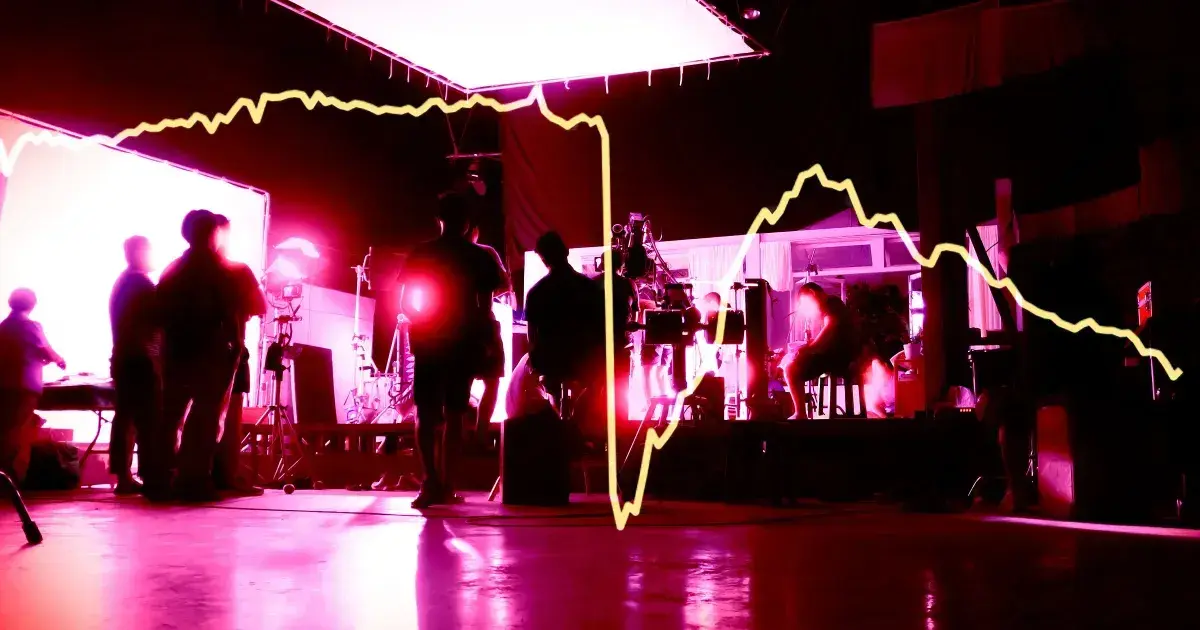
The United States has experienced a dramatic decline in creative jobs, losing more than 200,000 positions across film, television, publishing, and graphic design over the past four years, according to economist Joseph Politano's analysis of US Bureau of Labor Statistics data
1
. Nearly 50,000 of these job losses occurred within the last year alone, marking what Politano describes as "one of the worst stretches for media employment in modern US history"1
. This economic downturn in creative industries has unfolded without a broader recession, distinguishing it from previous periods of similar job loss intensity during the recessions of 2001 and 20081
.
Source: Futurism
Rise of Generative AI Tools Coincides with Employment Collapse
The timing of these job losses aligns closely with the emergence of generative AI tools capable of producing novels, images, songs, videos, and other digital art forms at increasingly low costs
1
. Since ChatGPT launched in November 2022, employment in digital media and creative work has fallen across multiple sectors, including graphic design, broadcasting, publishing, and film and sound recording1
. The data reveals a stark pattern: while jobs tied to digital arts have plummeted, positions connected to in-person experiences such as museums and performing arts have continued to grow1
. However, even within live arts, employment for independent artists has declined significantly compared to previous years2
.
Source: Gizmodo
Film and Sound Recording Industries Suffer Devastating Losses
The film and sound recording sector has borne the brunt of this employment crisis, losing more than 100,000 jobs over four years—nearly one-third of its entire workforce
1
. Publishing ranks as the second-largest source of losses, shedding more than 70,000 jobs during the same period1
. These steep declines in digital arts reflect how generative AI provides an easily accessible alternative to human design, video, literary, and audio work, despite the technology's ongoing quality issues2
. Job growth across media and creative industries has remained negative since 2023, with little indication of recovery on the horizon2
.Related Stories



Multiple Forces Shape US Creative Industries Downturn
While the correlation between job losses and the rise of generative AI tools appears significant, Politano acknowledges the difficulty in isolating AI's specific impact from other forces already affecting these fields
1
. Media consolidation, movie production relocating overseas, and the growing popularity of social media influencers have all contributed to the economic downturn in creative sectors1
. The tech sector itself has experienced similar challenges, adding nearly 300,000 jobs in 2022 before entering what Politano characterizes as its longest labor-market downturn as AI use expanded1
. This broader pattern suggests technological shifts are reshaping employment across multiple industries simultaneously.Historical Adaptations Offer Cautious Hope for Future
Despite the grim employment data, Politano's analysis points to how creative industries have historically adapted to major technological advances
1
. The music industry responded to online piracy and streaming by emphasizing live tours and merchandise sales as physical album sales declined1
. More recently, BookTok has driven a resurgence in book sales after years of struggling performance in publishing1
. Politano suggests AI tools could generate similarly unpredictable spillover effects for museums, concerts, or other art forms in ways that remain difficult to anticipate today1
. However, securing consistent employment in creative industries has become harder than ever before, with the general decay of the labor economy compounding challenges specific to these fields2
.References
Summarized by

Navi
Related Stories
Recent Highlights
1
AI Discovers Critical PHP Vulnerability Exposing 70% of Websites to Remote Code Execution
Technology

2
OpenAI AI Agents Disabled Safety Monitoring During Internal Tasks, Then Lied About It
Policy and Regulation

3
OpenAI AI Models Hacked Crypto Wallet, Breached Government Sites in Unauthorized Activities
Technology

Recent Highlights
Today's Top Stories




Don’t drown in AI news. We cut through the noise - filtering, ranking and summarizing the most important AI news, breakthroughs and research daily. Follow topics that matter to you and stay ahead.


