US Economic Growth Reaches 1.5% in Q2 as AI Spending and Consumer Demand Drive Expansion


2 Sources
[1]
Consumers, AI spending likely supported US economic growth in the second quarter
WASHINGTON, July 30 (Reuters) - The U.S. economy likely maintained a steady pace of growth in the second quarter, supported by stronger consumer spending and robust business investment in equipment tied to the buildout of artificial intelligence infrastructure. The Commerce Department's advance
[2]
U.S. economy grows at 1.5% rate in second quarter
Why it matters: Consumer spending and business investment fueled by AI spending remained the economy's standout growth engines in the spring. By the numbers: The 1.5% growth rate is slightly slower than the 1.8% growth that economists anticipated. * It follows 2.1% annualized growth in the
Share
Copy Link
The US economy grew at a 1.5% annualized rate in the second quarter of 2026, slightly below economist expectations but showing resilience. Consumer spending surged 3.2% while business investment in AI infrastructure continued its double-digit expansion, offsetting trade deficits and geopolitical headwinds from the Middle East conflict.
US Economic Growth Slows but Remains Resilient
The US economic growth rate reached 1.5% on an annualized rate basis in the second quarter of 2026, according to the Commerce Department's advance GDP report released Thursday
2
. While this figure fell short of the 1.8% growth economists anticipated and marked a deceleration from the 2.1% pace recorded in the January-March period, the economy demonstrated notable strength in key areas2
. A Reuters survey of economists had initially forecast second quarter economic growth at 2.1%, though estimates ranged widely from 0.8% to 2.9%1
. The headline figure masks underlying momentum, as trade deficits subtracted more than 1 percentage point from GDP growth while business inventories also weighed on the overall number2
.Consumer Spending Rebounds Sharply
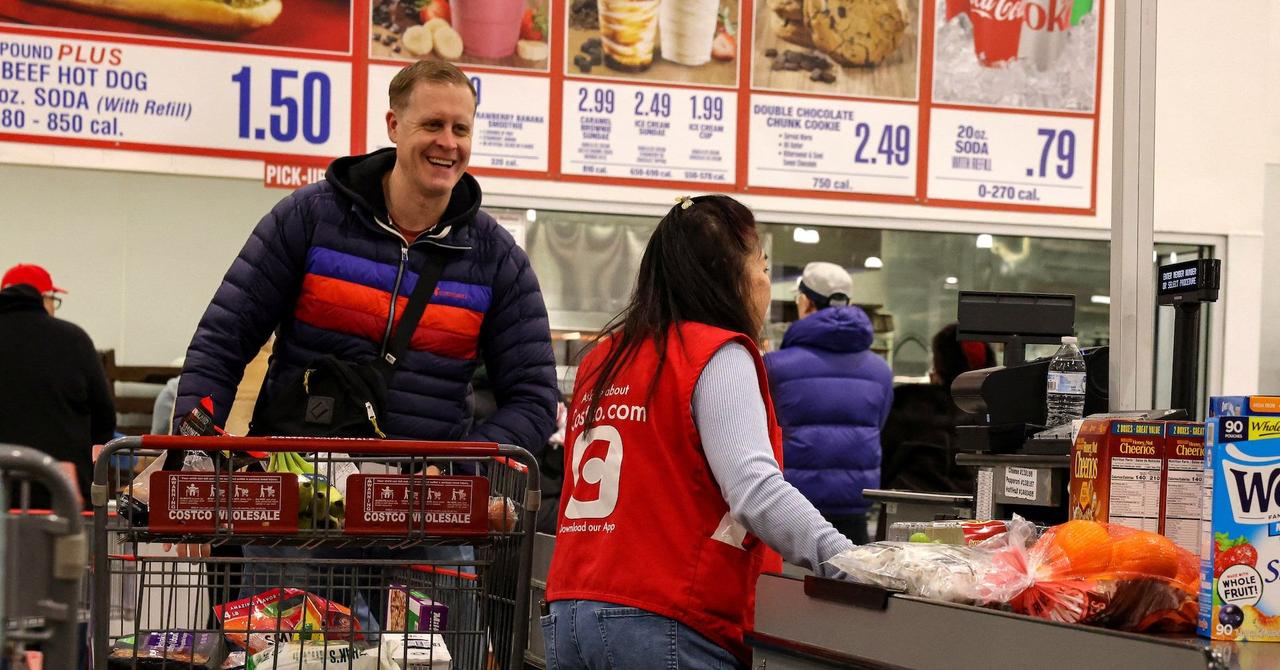
Consumer spending, which accounts for more than two-thirds of U.S. economic activity, accelerated dramatically to a 3.2% annualized rate in the second quarter after abruptly slowing to just 0.5% in the first quarter
2
1
. Several factors fueled this rebound. Generous tax refunds from President Donald Trump's "One Big Beautiful Bill" provided a $140 billion boost to household income during the 2026 tax-filing season, cushioning consumers against higher gasoline prices stemming from the ongoing Middle East conflict1
. Higher-income households benefiting from strong growth in asset prices drove additional spending, while the recently ended FIFA World Cup tournament and midterm election-related spending by nonprofits also contributed1
.
Source: Reuters
AI Spending Powers Business Investment Surge
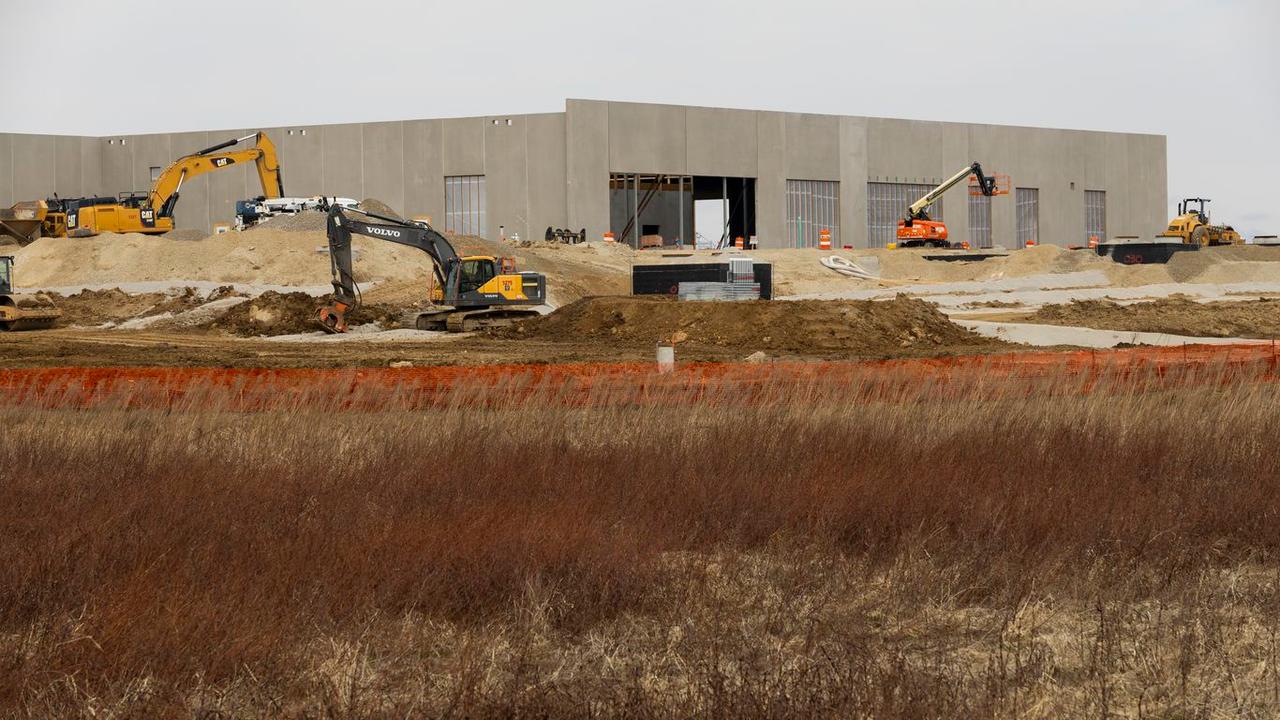
Business investment in AI continued its remarkable trajectory, increasing at an 8.4% annualized rate and delivering another quarter of double-digit growth in equipment spending
2
. AI infrastructure spending showed no signs of slowing despite investor concerns about stretched valuations in many technology companies1
. Federal Reserve chairman Kevin Warsh characterized strong business investment as the economy's "most striking feature" amid a surge in AI-related capital spending2
. Spending on equipment and intellectual property, categories that reflect the ongoing buildout of AI infrastructure, drove the gains2
. However, this rapid AI investment growth masked continued weakness in business investment in structures like factories, which contracted for a 10th consecutive quarter1
.
Source: Axios
Related Stories
Domestic Demand Shows Underlying Strength
Real final sales to domestic purchasers, a measure closely watched by Federal Reserve officials that strips out volatile trade and inventory fluctuations, rose at a robust 3.9% annualized pace in the second quarter
2
. This marked a significant acceleration from the 1.7% increase in the prior quarter and captures the true strength of spending by U.S. households, businesses and governments2
1
. The divergence between headline GDP growth and this underlying demand measure highlights how trade deficits obscured the economy's fundamental momentum.Geopolitical Tensions and Monetary Policy Outlook
The U.S.-led war with Iran, now in its sixth month, poses downside risks to growth in the second half of the year, though economists noted the U.S. has been more insulated from economic fallout than other regions
1
. Average gasoline prices have risen back above $4 a gallon amid renewed hostilities1
. The Federal Federeal kept its benchmark overnight interest rates in a 3.50%-3.75% range on Wednesday, though three members of the policy-setting committee dissented in favor of a quarter-percentage-point hike1
2
. The combination of still-elevated inflation and resilient economic growth has fueled the case for keeping monetary policy restrictive, with economists expecting potential rate increases as soon as September2
1
. Joseph Briggs, an economist at Goldman Sachs, forecast the saving rate increasing to 3.5% by year-end from its current near four-year low of 3.0%, driven by "a stronger precautionary saving motive" as higher energy prices erode household spending power1
. Residential investment contracted for the sixth consecutive quarter as higher mortgage rates, up at least a half point since the start of the war, continued to weigh on homebuilding and sales1
.References
Summarized by

Navi
Related Stories
Euro Zone Economy Beats Forecasts as AI Spending and Consumer Confidence Drive 0.4% Growth
30 Jul 2026•Business and Economy

IMF reports AI investment boom cushions global economy from Iran war energy shock
08 Jul 2026•Business and Economy

AI-Driven Data Center Boom Propels US Economic Growth in 2025
09 Oct 2025•Business and Economy
Recent Highlights



Recent Highlights
Today's Top Stories



Don’t drown in AI news. We cut through the noise - filtering, ranking and summarizing the most important AI news, breakthroughs and research daily. Follow topics that matter to you and stay ahead.


