US trade deficit surges 42% as AI investment boom drives capital goods imports to record $128B


3 Sources
[1]
US trade deficit widens sharply in May as capital goods imports hit record high
WASHINGTON, July 7 (Reuters) - The U.S. trade deficit widened sharply in May as an artificial intelligence investment boom helped to drive imports of capital goods to a record high, suggesting that trade remained a drag on gross domestic product in the second quarter. The trade gap jumped 42.2% to
[2]
US trade deficit widens sharply in May as capital goods imports hit record high
The United States trade deficit significantly widened in May. Imports of capital goods reached a record high, driven by artificial intelligence investments. Exports experienced a decline, though petroleum shipments were strong. Trade has now subtracted from gross domestic product for two
[3]
U.S. trade deficit expands in May amid jump in capital goods imports By Investing.com
Investing.com - The U.S. trade deficit widened in May, as soaring expenditures on artificial intelligence fueled a jump in capital goods imports to record levels, raising questions over the outlook for second-quarter growth. Imports increased by 3.3% to $395.3 billion, as the U.S. brought in more
Share
Copy Link
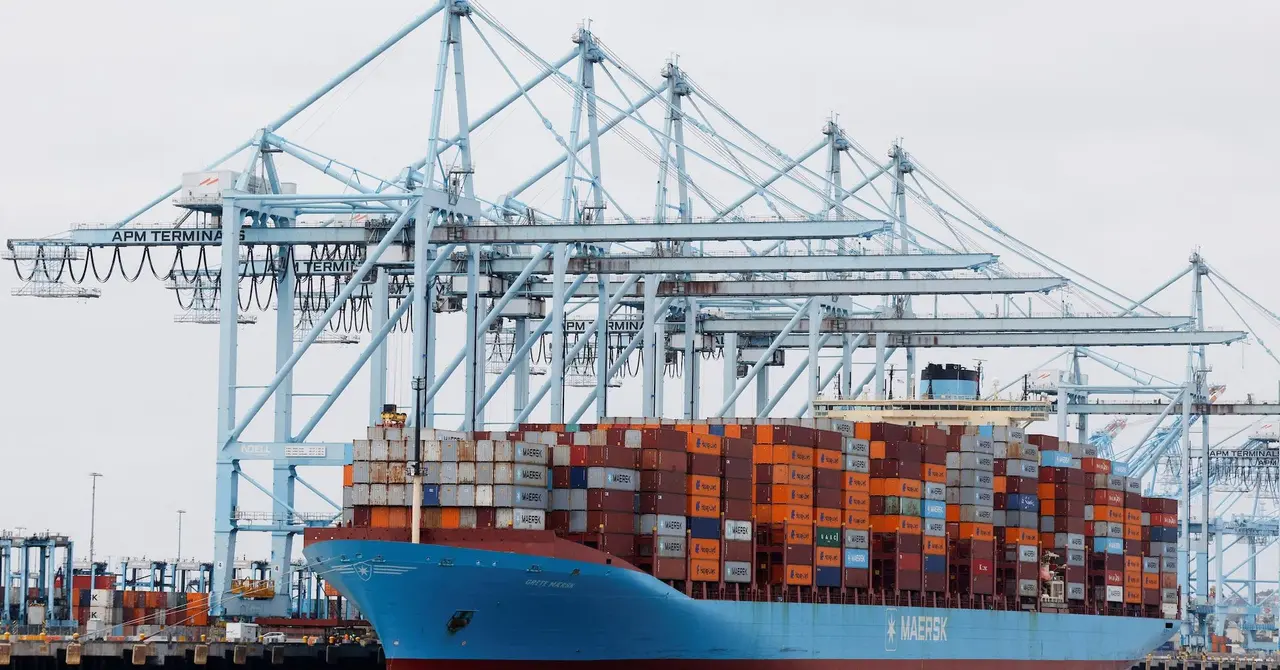
The US trade deficit expanded sharply to $77.6 billion in May, marking a 42.2% jump as artificial intelligence investments pushed capital goods imports to an unprecedented $128 billion. With businesses spending heavily on AI infrastructure including semiconductors and data centers, trade continues to drag on GDP for the second consecutive quarter.
US Trade Deficit Expands Sharply Amid Record Capital Goods Imports
The US trade deficit widened dramatically in May, jumping 42.2% to $77.6 billion as an artificial intelligence investment boom drove imports to new heights, according to data released by the Commerce Department's Bureau of Economic Analysis and Census Bureau
1
. The trade gap came in slightly better than economists polled by Reuters had forecast, who predicted a deficit of $78.5 billion1
.Imports increased 3.3% to $395.3 billion in May, with capital goods imports soaring to a record high of $128.0 billion
2
. This AI-driven demand for capital goods reflects heavy business spending on AI infrastructure as companies race to build out AI-optimized data centers and acquire high-end semiconductors and computer accessories needed to support the technology's rapid expansion3
.
Source: Reuters
AI Investment Boom Reshapes Trade Imbalance
Businesses are spending heavily on artificial intelligence, whose buildup is heavily reliant on imports
1
. The U.S. brought in more items like semiconductors and computer accessories to underpin the infrastructure needed for the AI boom, with companies filling data centers with cutting-edge technology3
. Meanwhile, exports of computers and other electronic equipment declined in May3
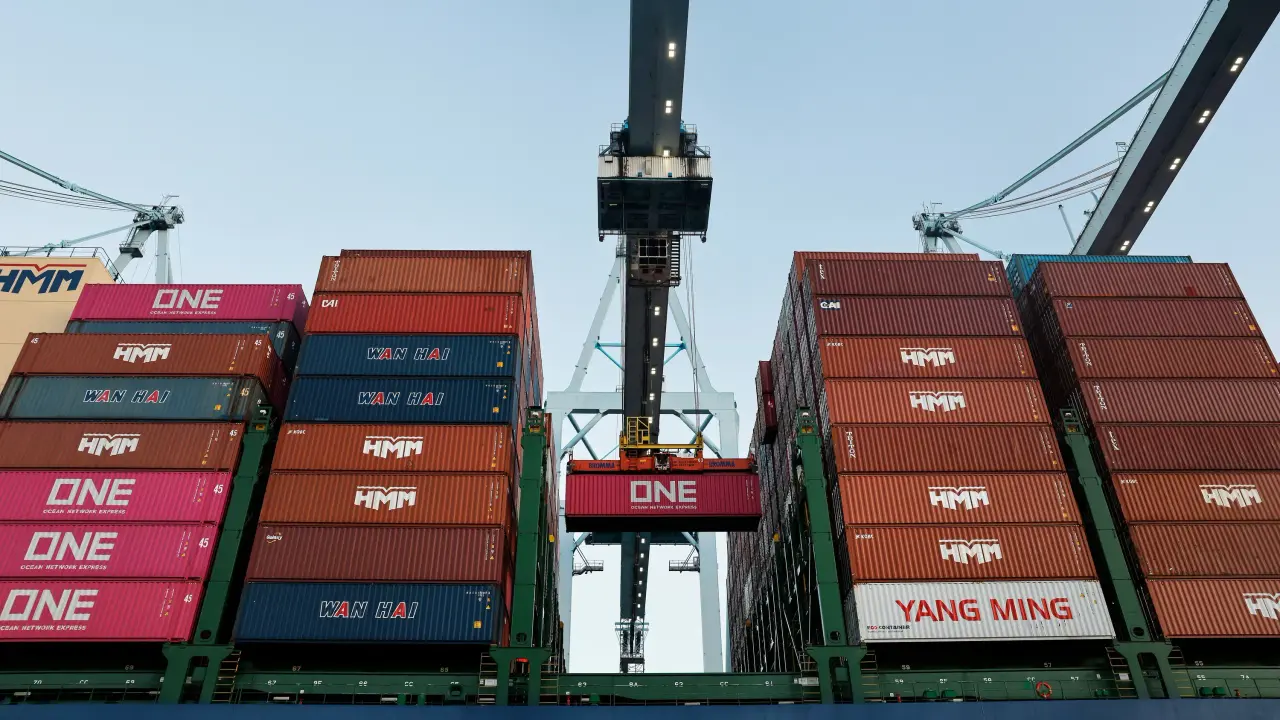
.Overall exports dropped 3.2% to $317.7 billion, though petroleum shipments were the highest on record amid the Middle East conflict
1
. The closure of the Strait of Hormuz following a joint U.S.-Israeli assault on Iran has bolstered demand for U.S. oil exports, with crimped supply chains from the region pushing up prices and benefiting oil exporters like the United States3
.Related Stories
Drag on GDP Growth Continues for Second Quarter
Trade has subtracted from GDP for two straight quarters, and the record high capital goods imports suggest this trend will persist
1
. The Atlanta Federal Reserve's model is currently forecasting GDP increasing at a 1.2% annualized rate in the second quarter, down from the 2.1% pace recorded in the January-March quarter2
.Bradly Saunders, North America Economist at Capital Economics, noted that "the sharp widening in the trade deficit in May is not quite as bad as it looks in terms of its implication for GDP but still points to net trade providing a significant drag in the second quarter"
3
. These macroeconomic trade dynamics raise questions about the outlook for economic forecasts in the coming months, particularly as businesses continue investing heavily in AI technology that requires substantial imports to support domestic infrastructure development.References
Summarized by

Navi
Related Stories
US Trade Deficit Surges to $88.6 Billion in July Driven by AI Boom and Semiconductor Imports
03 Sept 2026•Business and Economy
China exports jump 27% in June as AI boom fuels semiconductor demand amid domestic struggles
14 Jul 2026•Business and Economy
US Economic Growth Reaches 1.5% in Q2 as AI Spending and Consumer Demand Drive Expansion
31 Jul 2026•Business and Economy

Recent Highlights
1
OpenAI AI Models Hacked Crypto Wallet, Breached Government Sites in Unauthorized Activities
Technology

2
IMF Report Warns AI Market Correction Could Spark Global Financial Crisis With $1.4T at Risk
Business and Economy

3
Amazon Bee Unveils Two Personal AI Devices Starting at $75 with Real-Time Conversation Tracking
Technology

Recent Highlights
Today's Top Stories









Don’t drown in AI news. We cut through the noise - filtering, ranking and summarizing the most important AI news, breakthroughs and research daily. Follow topics that matter to you and stay ahead.


