US Treasury Proposes Expanded Rule to Restrict High-Tech Investments in Countries of Concern


8 Sources
[1]
US Treasury proposes a rule to crack down on high-tech investments in China, other adversaries
WASHINGTON (AP) -- The U.S. Treasury Department proposed a rule Thursday to crack down on American high-tech investments such as supercomputing and artificial intelligence in China, Russia, North Korea and other "countries of concern.'' The U.S. government has been working for years to deny China
[2]
Outbound investment rule widens US curbs on China AI and chip deals
Treasury's draft outbound investment rule adds biotech, Russia and Iran to US curbs on tech deals, and swaps 'AI' for 'super intelligence'. Comments close on 7 December. "The proposed regulations would strengthen the existing Outbound Investment Security Program to prevent our adversaries from
[3]
Treasury proposes rule to crack down on AI, biotech, investments greater than $50,000 in China, Russia and other 'countries of concern' | Fortune
The U.S. Treasury Department proposed a rule Thursday to crack down on American high-tech investments such as supercomputing and artificial intelligence in China, Russia, North Korea and other "countries of concern." The U.S. government has been working for years to deny China and other
[4]
The U.S. Treasury wants expanded restrictions on high-tech investments to these 'countries of concern'
The U.S. is seeking measures to further curb tech investments to adversaries. The U.S. Treasury Department proposed a rule Thursday to crack down on American high-tech investments such as supercomputing and artificial intelligence in China, Russia, North Korea and other "countries of
[5]

US Treasury Proposes a Rule to Crack Down on High-Tech Investments in China, Other Adversaries
The U.S. Treasury Department has proposed a rule to crack down on American high-tech investments in China, Russia, North Korea and other "countries of concern WASHINGTON (AP) -- The U.S. Treasury Department proposed a rule Thursday to crack down on American high-tech investments such as
[6]

Treasury proposes curbs on high-tech investments in China, Russia, North Korea
The Treasury Department on Thursday proposed a rule to curb American high-tech investments, including AI, outbound to U.S. adversaries like China, Russia, North Korea and other "countries of concern." The rule expands restrictions in the Outbound Investment Security Program (OISP) on hypersonic
[7]

US Treasury proposes a rule to crack down on high-tech investments in China, other adversaries
The U.S. Treasury Department plans to enforce a rule limiting high-tech investments in China and Russia. This initiative aims to curb investments that may boost military capabilities in identified countries. The proposed restrictions will apply specifically to investments exceeding $50,000 and
[8]

U.S. propses tighter rules on investments in Chinese tech sectors By Investing.com
Investing.com -- The U.S. Treasury Department published new regulations on Thursday that would restrict U.S. companies and investors from investing in certain technology sectors in China, including artificial intelligence, hypersonic weapons, and biotechnology. The regulations implement the
Share
Copy Link
The US Treasury has proposed sweeping new restrictions on American high-tech investments in China, Russia, and other adversaries. The outbound investment rule targets AI, biotechnology, and supercomputing deals exceeding $50,000, expanding the Outbound Investment Security Program to prevent U.S. capital from accelerating military capabilities in countries of concern.
US Treasury Expands Investment Restrictions Targeting Countries of Concern
The US Treasury Department unveiled a proposed outbound investment rule Thursday that significantly widens restrictions on American high-tech investments in China, Russia, North Korea, and other countries of concern
1
2
. The draft regulation implements the Comprehensive Outbound Investment National Security Act passed by Congress in December 2025, marking a substantial escalation in Washington's effort to prevent adversaries from leveraging U.S. capital to develop military-relevant technologies3
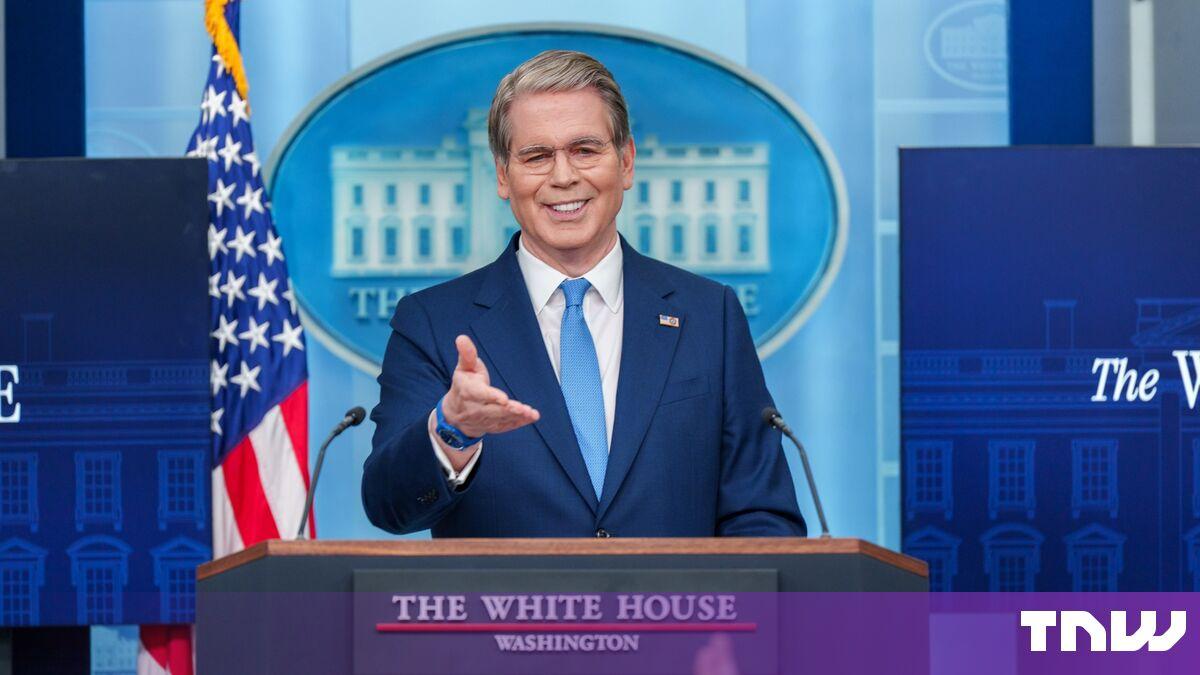
. Treasury Secretary Scott Bessent stated the proposed regulations would strengthen the existing Outbound Investment Security Program to prevent adversaries from using U.S. investment to develop critical technologies that threaten national security2
.
Source: The Next Web
From Executive Order to Congressional Mandate
This initiative builds on groundwork laid in 2023 when then-President Joe Biden signed an executive order restricting outbound U.S. investments in Chinese semiconductors, quantum computing, and artificial intelligence
1
. Treasury subsequently established the Outbound Investment Security Program to operationalize these controls. The December 2025 congressional law codified and expanded this framework, targeting additional technologies and broadening the list of restricted nations beyond China to include Cuba, Iran, North Korea, and Russia4
. Notably, the inclusion of Russia comes just days after President Donald Trump waived sanctions on Russia following a diesel deal with President Vladimir Putin5
.Expanded Technology Coverage and Superintelligence Terminology
The proposed rule expands investment restrictions to cover hypersonic systems capable of traveling at five times the speed of sound, supercomputing, biotechnology, and artificial intelligence
1
. In a notable linguistic shift, Treasury adopted Trump's preferred terminology, replacing "AI systems" with "superintelligence" or SI throughout the regulation2
3
. Treasury exercised its authority under the act to add biotechnology to the restricted sectors, despite it not being explicitly named in the original congressional mandate2
. The draft also eliminates the current option for investors to simply report certain superintelligence deals, instead imposing an outright ban on such investments2
.Investment Thresholds and Compliance Requirements
The restrictions on high-tech investments would apply only to deals exceeding $50,000 and would exclude many financial investments, including stock purchases
3
5
. U.S. investors would be required to notify Treasury about certain transactions, while others would be prohibited entirely2
. Jason Chipman, a former Justice Department lawyer specializing in cybersecurity and investment rules at WilmerHale, noted the new rule "will require more substantial compliance programs to manage risk"1
. Violations could trigger civil penalties up to the maximum allowed under the International Emergency Economic Powers Act, and Treasury could force investors to divest2
.Related Stories

Geopolitical Context and US-China Tech Rivalry
Since Trump's first term, the United States and China have been locked in an intensifying economic and tech rivalry
3
. Both nations have restricted exports of sensitive technology and critical products—China's rare earth minerals and America's advanced computer chips—while imposing tariffs on each other's goods4
. Trump and Chinese President Xi Jinping agreed last year to ease tensions during talks, extending a temporary truce into January, yet the sparring continues5
. In July, Treasury issued a $200,000 fine against a U.S.-based company for failing to report a $92,500 investment in a Chinese artificial intelligence and robotics company1
. China's Foreign Ministry responded to the proposal by stating the U.S. should abide by market economy principles and stop interfering in normal business cooperation, with spokesperson Mao Ning warning that "overstretching the concept of national security" serves no one's interests3
.
Source: The Hill
Strategic Implications and Timeline
Craig Singleton, a senior fellow at the Foundation for Defense of Democracies, emphasized that the proposed rule "sends an important signal to markets that Washington is tracking where U.S. capital is flowing and what capabilities it is helping build"
1
. The screening of outbound investments "recognizes that capital can accelerate military-relevant capabilities just as surely as technology transfer can," Singleton noted4
. Former U.S. trade official Ryan Majerus, now a partner at King & Spalding, characterized the announcement as "just the first step in a fairly long process" toward more enforcement-minded changes that will "put more teeth behind the outbound investment program"1
. The Federal Register will publish the draft on October 26, with written comments due by December 7 before Treasury issues final rules and sets an implementation date2
.References
Summarized by

Navi
[1]
[4]
Related Stories
US Finalizes Rules to Curb AI Investments in China, Citing National Security Concerns
22 Oct 2024•Policy and Regulation

U.S. Finalizes Rules to Restrict Investment in Chinese AI and Advanced Technologies
30 Oct 2024•Policy and Regulation

China to restrict US investment in tech companies as AI rivalry intensifies with new controls
24 Apr 2026•Policy and Regulation

Recent Highlights


Recent Highlights
Today's Top Stories






Don’t drown in AI news. We cut through the noise - filtering, ranking and summarizing the most important AI news, breakthroughs and research daily. Follow topics that matter to you and stay ahead.


