Vinod Khosla Warns: US Immigration Policies Threaten AI and Climate Tech Innovation


2 Sources
[1]
'Talent drives everything': Vinod Khosla's contrarian take on America's AI and climate challenges
The biggest threat to America's competitiveness in artificial intelligence and climate tech isn't the Trump administration's cuts to renewable power tax breaks or electricity shortages for data centers, says Vinod Khosla, founder of Khosla Ventures. It's immigration policy. "Talent drives
[2]
Trump policies may drive skilled workers out of US climate tech, warns billionaire Vinod Khosla - The Economic Times
Tech investor Vinod Khosla cautioned that restrictive immigration policies in the U.S. are hindering the nation's climate technology advancements. He highlighted that the reduced influx of skilled workers is impacting innovation, as other countries like Canada and Germany actively recruit talent
Share
Copy Link
Billionaire investor Vinod Khosla argues that restrictive US immigration policies are hindering progress in AI and climate technology by limiting the influx of skilled talent, potentially causing the country to lose its competitive edge.
Immigration Policies Threaten US Innovation in AI and Climate Tech
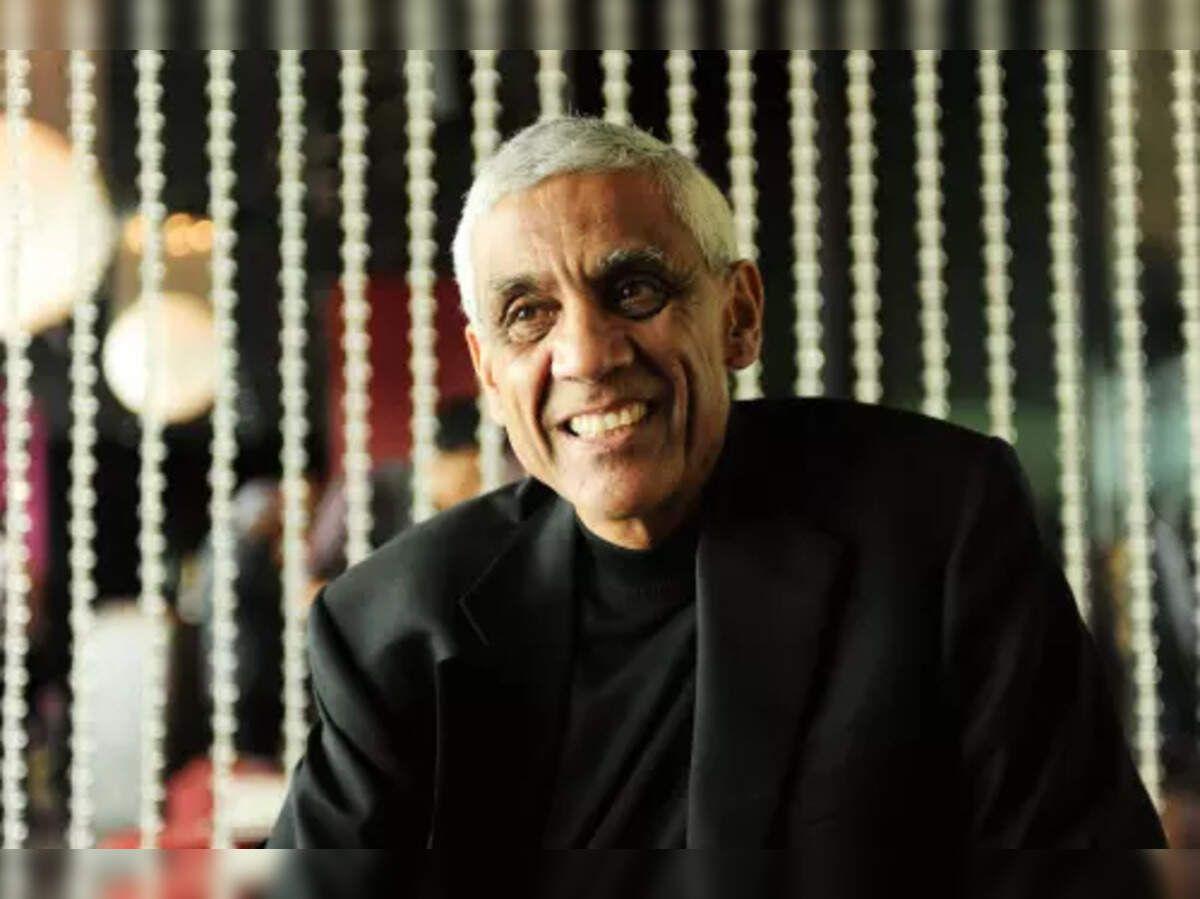
Vinod Khosla, founder of Khosla Ventures and a prominent figure in the tech industry, has raised concerns about the impact of restrictive US immigration policies on the country's competitiveness in artificial intelligence (AI) and climate technology. Speaking at the Bloomberg Green Seattle conference, Khosla emphasized that "talent drives everything" and warned that current policies are discouraging skilled workers from coming to the United States
1
.
Source: ET
The billionaire technologist argued that the hostile environment created by aggressive immigration actions is reducing the influx of highly educated innovators who could contribute to solving climate and other technological challenges. This sentiment is echoed in his statement that "the biggest damage is the slowdown in the import of talent," which he believes is already affecting innovation
2
.Global Competition for Talent
Khosla pointed out that other countries are capitalizing on the US's restrictive policies. Nations such as Canada, Germany, and France are actively recruiting talent by offering relocation support and incentives to affected researchers. This global competition for skilled professionals is not limited to foreign nationals; even US-born climate researchers are looking abroad as funding for clean energy projects declines and federal climate grants are reduced
2
.The AI Factor
Adding to the challenge is the growing global demand in the field of artificial intelligence. Khosla noted that "talent everywhere is being repurposed into this AI domain," creating a dual pressure on the climate tech sector. The competition for skilled professionals is intensifying as both immigration policy and the AI race are drawing talent away from climate technology
2
.Related Stories

Khosla's Vision for Climate Solutions
Despite these challenges, Khosla remains optimistic about certain technological advancements in the climate sector:
-
Fusion Power: Khosla predicts that within five years, fusion will become the dominant topic in discussions about power sources for the planet. His fund has invested in companies like Commonwealth Fusion Systems and Realta Fusion, reflecting his confidence in this technology
1
. -
Risk-Taking for Breakthroughs: Khosla advocates for taking big risks to achieve significant breakthroughs in developing cost-competitive, scalable, low-carbon technologies. He cites his fund's pursuit of green steel as an example of this approach
1
.

Source: GeekWire
- Long-Term Focus: Contrary to some climate experts, Khosla argues for focusing on long-term goals rather than short-term deployments. He suggests concentrating efforts on achieving zero emissions by 2050 instead of fixating on 2030 targets
1
.
Policy Implications and Debates
The debate over immigration policy and its impact on innovation has drawn responses from various quarters. While Khosla and others in the tech industry argue for more open policies to attract global talent, the current administration maintains a different stance. White House spokesperson Abigail Jackson stated, "There is no shortage of American minds and hands to grow our labor force. President Trump's mass deportation campaign means higher wages and more opportunity for American workers"
2
.As the discussion continues, the intersection of immigration policy, technological innovation, and climate change mitigation remains a critical issue for the United States' future competitiveness in the global arena.
References
Summarized by

Navi
[1]
Related Stories
Trump's MAGA Coalition Divided Over H-1B Visas and AI Talent Acquisition
23 Dec 2024•Policy and Regulation

Trump's Renewable Energy Crackdown Threatens US AI Dominance, Data Center Industry Warns
07 May 2025•Policy and Regulation
Trump's $100,000 H-1B Fee Reshapes Global AI Talent Landscape
22 Sept 2025•Business and Economy
Recent Highlights



Recent Highlights
Today's Top Stories



Don’t drown in AI news. We cut through the noise - filtering, ranking and summarizing the most important AI news, breakthroughs and research daily. Follow topics that matter to you and stay ahead.


