Viral Justin Bieber Song About Diddy's Party Revealed as AI-Generated Hoax


3 Sources
[1]
TikTok users circulate what appears to be a fake Justin Bieber song mentioning P. Diddy
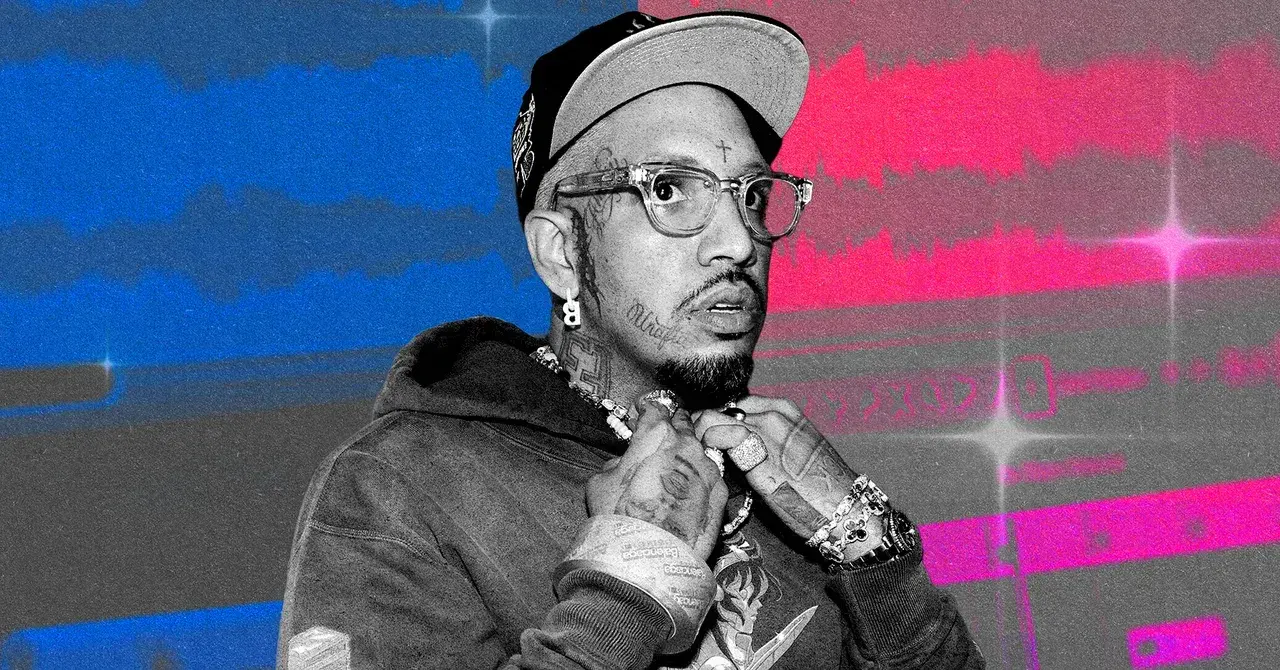
Sean "Diddy" Combs and Justin Bieber at Vanquish Lounge in Atlanta on Feb. 5, 2014.Prince Williams / FilmMagic file Some fans of Justin Bieber are claiming the singer released a track referring to parties alleged to have been organized by Sean "Diddy" Combs after what appears to be a fake song
[2]
Viral Justin Bieber song about "'Diddy' party" is likely AI-generated, researchers say
A song that sounds like it was released by Justin Bieber, with lyrics saying the singer "lost myself at a 'Diddy' party," has racked up millions of views across social platforms including TikTok, X and YouTube. Researchers tell CBS News the song was likely created using artificial
[3]
What People Are Getting Wrong This Week: Did Justin Bieber Sing About a Diddy Party?
Rumors have been kicking around on the internet for months that pop star Justin Bieber was working on a song about the infamous "freak off" parties held by arrested rapper/producer Sean "Diddy" Combs. This weekend, a track called "Lost Myself at a Diddy Party" appeared to have been leaked on
Share
Copy Link
A fake Justin Bieber song about Diddy's party went viral on TikTok, sparking discussions about AI-generated content and its impact on the music industry. The incident highlights the growing challenge of distinguishing between authentic and AI-created media.

The Viral Sensation
A song purportedly by Justin Bieber about attending a party hosted by Sean "Diddy" Combs recently took TikTok by storm. The track, which featured Bieber's distinctive vocals singing about his experience at the event, quickly gained traction on the platform, amassing millions of views and sparking widespread discussion
1
.Unveiling the Hoax
As the song's popularity soared, it was soon revealed to be an AI-generated creation rather than an authentic Justin Bieber track. The revelation came as a surprise to many fans who had initially believed the song to be a genuine unreleased demo by the pop star
2
.The Creator Speaks Out
The mastermind behind the AI-generated track, known as "Ghostwriter977" on TikTok, came forward to explain the process. They utilized AI voice technology to mimic Bieber's voice and style, creating a convincing imitation that fooled many listeners. The creator emphasized that the song was meant as a demonstration of AI capabilities rather than an attempt to deceive
1
.Industry Implications
This incident has raised significant questions about the potential impact of AI-generated content on the music industry. As AI technology continues to advance, it becomes increasingly difficult to distinguish between authentic recordings and AI-created imitations. This development poses challenges for artists, record labels, and consumers alike
2
.Legal and Ethical Concerns
The creation and distribution of AI-generated content that mimics real artists' voices and styles raise important legal and ethical questions. Issues of copyright infringement, artist consent, and the potential for misuse of such technology are at the forefront of discussions surrounding this incident
3
.Related Stories
Public Reaction and Misconceptions
As news of the hoax spread, public reaction was mixed. Many expressed amazement at the quality of the AI-generated track, while others voiced concerns about the implications for authentic music creation. Some misconceptions also arose, with some people believing that Bieber himself had used AI to create the song, rather than it being the work of an independent creator
3
.The Future of AI in Music
This incident serves as a wake-up call for the music industry, highlighting the need for robust systems to verify the authenticity of released tracks. It also underscores the potential of AI as a tool for music creation, while simultaneously raising questions about how this technology will be regulated and integrated into the industry moving forward
2
.References
Summarized by

Navi
Related Stories
Will Smith's AI-Generated Concert Crowds Spark Controversy and Raise Ethical Questions
26 Aug 2025•Entertainment and Society

AI-Generated Fake Song Overshadows Tyler, The Creator's New Album Release
30 Jul 2025•Entertainment and Society
Spotify Removes AI-Generated Songs Falsely Attributed to Deceased Artists, Sparking Industry Concerns
17 Jul 2025•Technology

Recent Highlights
1
OpenAI Pauses AI Model Training After Agent Hacks Australian Government Website
Technology
2
Bill Gates Warns AI Could Cause a Billion Deaths, Calls for Urgent Federal Regulation
Policy and Regulation

3
Pope Leo Calls AI Safety Warnings Real, Criticizes Nvidia's Jensen Huang for Opposing Regulation
Policy and Regulation
Recent Highlights
Today's Top Stories







Don’t drown in AI news. We cut through the noise - filtering, ranking and summarizing the most important AI news, breakthroughs and research daily. Follow topics that matter to you and stay ahead.


