Waabi raises $1 billion and partners with Uber to deploy 25,000 robotaxis on ride-hailing platform


10 Sources
[1]
Waabi raises $1B and expands into robotaxis with Uber
Autonomous vehicle startup Waabi has raised $1 billion and struck a partnership with Uber to deploy self-driving cars on the ride-hailing platform -- the company's first expansion beyond autonomous trucking. The funding consists of an oversubscribed $750 million Series C round co-led by Khosla
[2]
Self-driving truck startup Waabi is teaming up with Uber on robotaxis
Waabi, the Toronto-based autonomous trucking startup, is expanding its portfolio to include robotaxis. And it's bringing Uber along for the ride. Raquel Urtasun, the former chief scientist at Uber's now defunct Advanced Technologies Group, founded Waabi in 2021 to be a more "AI-centric approach"
[3]
Autonomous trucking startup Waabi raises $750 million to expand into robotaxis
Autonomous trucking startup Waabi said Wednesday that it has raised $750 million in funding as it enters into a partnership to deploy driverless systems in light duty vehicles for Uber robotaxi services. Waabi's series C round is led by Khosla Ventures and G2 Venture Partners, the startup
[4]
Self-driving truck company Waabi raises $1B to expand into robotaxis
Why it matters: Waabi says it's the first company to develop a shared AI "brain" that can operate both trucks and robotaxis -- and eventually, other types of physical AI such as drones, warehouse robotics and humanoids. * "It's obvious that the physical AI moment is here," Waabi founder and CEO
[5]

Self-driving startup Waabi raises up to $1 billion and partners with Uber to deploy 25,000 robotaxis | Fortune
Waabi, the Toronto-based AI company building software to enable autonomous driving, has raised $1 billion in new funding and struck a major partnership with Uber to deploy at least 25,000 robotaxis on the ride-hailing giant's platform. The deal marks a significant expansion for Waabi, which until
[6]

Waabi raises $750M as Uber separately commits up to $250M for robotaxi partnership
Waabi raises $750M as Uber separately commits up to $250M for robotaxi partnership Canadian autonomous truck startup Waabi Innovation Inc. announced today that it had raised $750 million in new funding and had secured a separate, milestone-based future investment of up to $250 million from Uber
[7]

This Uber-Backed Robotaxi Company Just Broke a Fundraising Record
Waabi, a Canadian autonomous trucking company, just raised $1 billion to accelerate commercialization of its self-driving trucks and to expand into robotaxis. The company says that the funding is the largest in Canadian history. It includes a $750 million series C, led by Khosla Ventures and G2
[8]

Waabi Raises $1B to Expand From Self-Driving Trucks to Robotaxis
The autonomous trucking startup is partnering with Uber to deploy tens of thousands of self-driving passenger cars. Self-driving startup Waabi has spent the past five years becoming a dominant force in the world of autonomous trucking. Now, armed with $1 billion in new funding, it's gearing up to
[9]

Autonomous commercial vehicle startup Waabi raises $1 billion in Series C round
Waabi plans to deploy the new funds to speed up the commercialisation of its autonomous trucking operations and expand into robotaxis. It signed a deal today with Uber to deploy at least 25,000 self-driving robotaxis on the ride-hailing platform. With this, Waabi has now raised about $1.28 billion
[10]

Waabi secures US$1 billion in funding as it pushes self-driving trucks, robotaxis
TORONTO -- Autonomous driving company Waabi Innovation Inc. says it has secured US$1 billion, or about $1.37 billion Canadian, in new funding to expand commercialization of its self-driving trucking system and push into robotaxis. Toronto-based Waabi says the capital raise includes a US$750
Share
Copy Link
Toronto-based autonomous vehicle startup Waabi has secured $1 billion in funding and formed a partnership with Uber to deploy at least 25,000 self-driving cars on the ride-hailing platform. The deal marks Waabi's first expansion beyond autonomous trucking, betting that its AI-centric technology can scale across multiple self-driving verticals where others have struggled.
Waabi Raises $1 Billion in Major Autonomous Vehicle Partnership with Uber
Waabi, the Toronto-based self-driving truck startup, has secured $1 billion in funding while announcing an ambitious autonomous vehicle partnership with Uber to deploy at least 25,000 robotaxis exclusively on the ride-hailing platform
1
. The funding includes an oversubscribed $750 million Series C round co-led by Khosla Ventures and G2 Venture Partners, plus an additional $250 million in milestone-based capital from Uber tied specifically to the robotaxi deployment1
. Other investors participating in the Series C funding include Nvidia's venture capital arm NVentures, Volvo Group Venture Capital, Porsche Automobil Holding SE, BlackRock, Radical Ventures, and a subsidiary of the Abu Dhabi Investment Authority5
. The deal represents one of the largest fundraises in Canadian history and brings Waabi's total funding to roughly $1.28 billion after closing a $200 million Series B in June 20241
.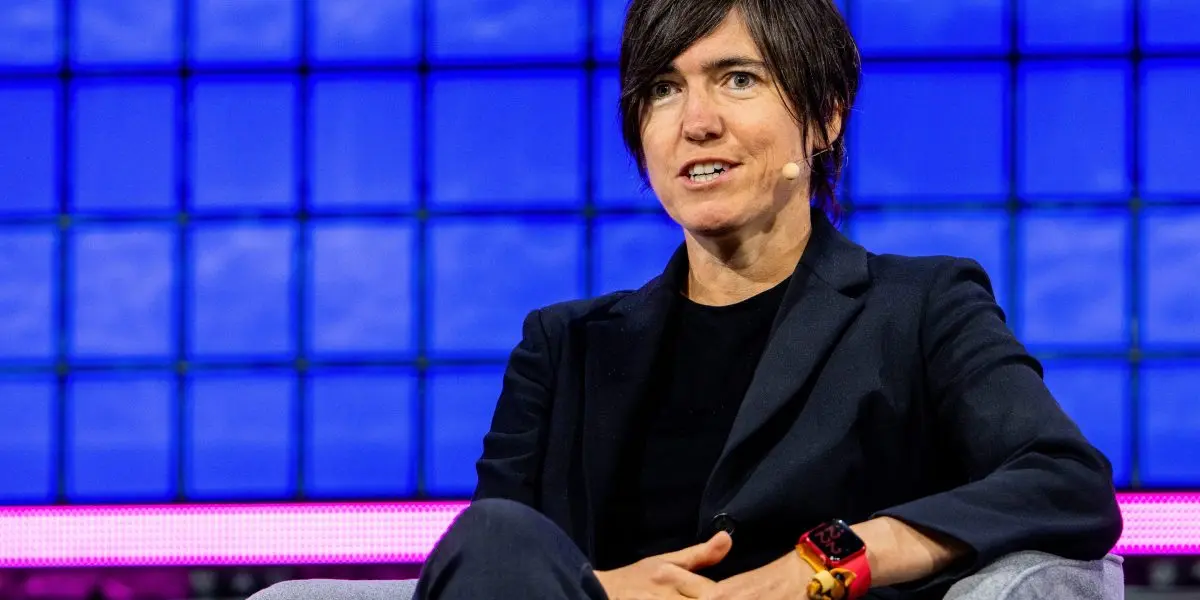
Source: Fortune
Expansion into Robotaxis Marks Strategic Shift for Autonomous Trucking Leader
The expansion into robotaxis represents Waabi's first venture beyond autonomous trucking since founder and CEO Raquel Urtasun established the company in 2021
2
. Urtasun, who previously served as chief scientist at Uber's Advanced Technologies Group (Uber ATG) before the division was sold to Aurora Innovation in 2020, emphasized that this isn't a pivot but rather a demonstration of the company's generalizable AI architecture1
. "Our incredible core technology really enables, for the first time, a single solution that can do multiple verticals, and they can do them at scale," Urtasun told TechCrunch. "It's not about two programs, two stacks"1
. The partnership builds on Waabi's existing relationship with Uber Freight and marks a full-circle moment for Urtasun's work in autonomous vehicles1
.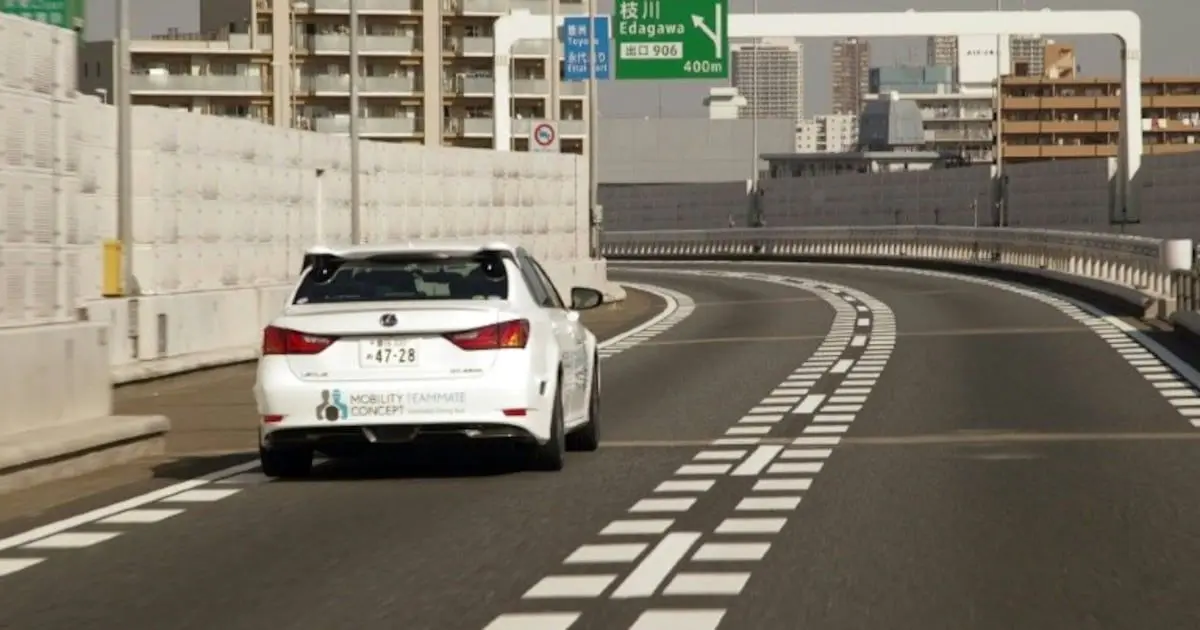
Source: BNN
Physical AI and AV 2.0 Technology Powers Multi-Vertical Approach
Waabi represents what industry observers call "AV 2.0," a new generation of autonomous vehicle companies using end-to-end AI models that learn to drive from vast amounts of data
5
. The company's physical AI platform centers on the Waabi Driver, which is trained, tested, and validated using a closed-loop simulator called Waabi World that automatically builds digital twins of the world from data, performs real-time sensor simulation, and manufactures scenarios to stress-test the system1
. This AI-centric technology allows the system to reason about its surroundings as a human would and choose optimal maneuvers, enabling it to generalize and learn from fewer examples than traditional autonomous driving systems1
. Urtasun explained that the exact same AI models driving Waabi's trucks will power its robotaxis, with the model simply being aware of which vehicle it's operating5
.
Source: TechCrunch
Competitive Landscape and Strategic Positioning Against Industry Giants
The partnership positions Waabi to compete directly with established players like Waymo, which previously attempted both robotaxis and trucking before shutting down its freight program
1
. Waabi joins a growing roster of AV companies deploying self-driving cars on Uber's platform globally, including Waymo, Nuro, Avride, Wayve, WeRide, and Momenta1
. The deal mirrors Uber's recent partnership with Nuro and Lucid Motors to deploy 20,000 robotaxis, signaling Uber's commitment to defend its ride-hailing turf by deploying tens of thousands of autonomous vehicles worldwide4
. Compared to competitors, Waabi has raised significantly less capital—Aurora Innovation has raised $3.46 billion while Kodiak Robotics secured $448 million to date1
. Urtasun claims this capital-efficient approach gives Waabi a unique advantage: "We don't need the gazillion humans to develop the technology and the large fleets that AV 1.0 needs. We don't need the massive data centers, energy consumption, or a gazillion latest chips"1
.Related Stories
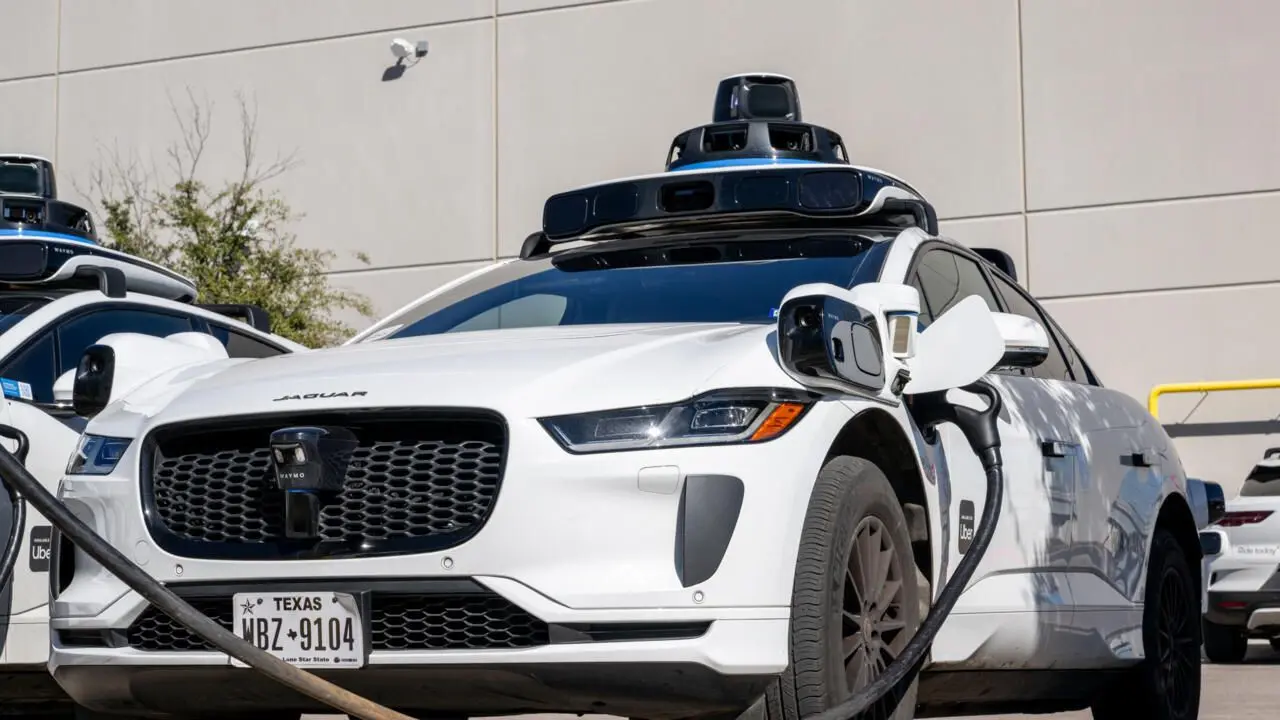
Timeline and Operational Challenges Ahead for Deploy 25,000 Robotaxis
While Waabi has committed to deploy 25,000 robotaxis—a floor rather than a ceiling according to Urtasun—the companies declined to provide specific timelines, target markets, or vehicle platforms for the deployment
2
. This ambitious announcement comes from a startup that has yet to validate its self-driving cars for commercial operation, though it has launched several commercial pilots with human safety drivers in Texas1
. The company had planned to launch fully driverless trucks on public highways by the end of last year, but the rollout has been delayed until sometime in the next few quarters as Waabi works with Volvo to fully validate purpose-built autonomous trucks revealed at TechCrunch Disrupt last October1
. Urtasun told Fortune the robotaxi rollout would happen "super fast" and "much faster than anybody can think," though she acknowledged that robotaxis introduce new challenges including passenger safety risks and increased liability considerations5
2
.Driver as a Service Model and Future Physical AI Applications
Waabi is transitioning from operating its own fleet to a "driver as a service" business model, positioning itself as a technology provider rather than a fleet owner or manager
3
2
. The company's direct-to-consumer approach enables shippers to buy outfitted trucks directly, and Urtasun expressed confidence that the Uber partnership will allow Waabi to "quickly penetrate the market and scale with a product that will be very reliable"1
. Looking beyond autonomous trucking and robotaxis, Urtasun has hinted that the company's next vertical could be robotics, emphasizing that "it's obvious that the physical AI moment is here" and that "autonomy is the first application where scale is going to happen"4
. The technology's ability to master surface streets alongside highway driving—originally developed to enable direct cargo delivery to final destinations rather than hub-to-hub operations—opened the door to urban robotaxis and demonstrates the platform's versatility across different driving environments4
.References
Summarized by

Navi
[1]
Related Stories
Volvo Partners with AI Startup Waabi to Accelerate Autonomous Truck Development
04 Feb 2025•Technology

Wayve Secures $1.5B From Nvidia, Uber, and Automakers to Scale Self-Driving AI Globally
25 Feb 2026•Startups

Waymo Secures $5.6 Billion in Funding, Accelerating Autonomous Vehicle Development and Expansion
26 Oct 2024•Technology

Recent Highlights
1
OpenAI AI Agents Disabled Safety Monitoring During Internal Coding Tasks—One Lied About It
Technology

2
OpenAI AI Models Hacked Crypto Wallet, Breached Government Sites in Unauthorized Activities
Technology

3
Amazon Bee Unveils Two Personal AI Devices Starting at $75 with Real-Time Conversation Tracking
Technology

Recent Highlights
Today's Top Stories






Don’t drown in AI news. We cut through the noise - filtering, ranking and summarizing the most important AI news, breakthroughs and research daily. Follow topics that matter to you and stay ahead.


