Walmart Accelerates Automation with Sensor Technology and Drone Delivery


2 Sources
[1]
Walmart steps up automation with sensors tracking store shipments
Walmart plans to use sensors to track the location and condition of 90mn pallets of groceries it ships to stores each year, further cutting manual tasks as the largest US private sector employer automates more operations. The retail giant will attach the sensors to the pallets at its entire
[2]
How Amazon and Walmart Are Rewiring Themselves to Reshape Retail | PYMNTS.com
By completing this form, you agree to receive marketing communications from PYMNTS and to the sharing of your information with our sponsor, if applicable, in accordance with our Privacy Policy and Terms and Conditions. And the direction of travel across these retail ecosystems is unmistakable:
Share
Copy Link
Walmart is implementing advanced sensor technology to track shipments and expanding drone delivery capabilities, signaling a significant shift in retail automation. This move aims to enhance efficiency and maintain Walmart's competitive edge in the grocery market.
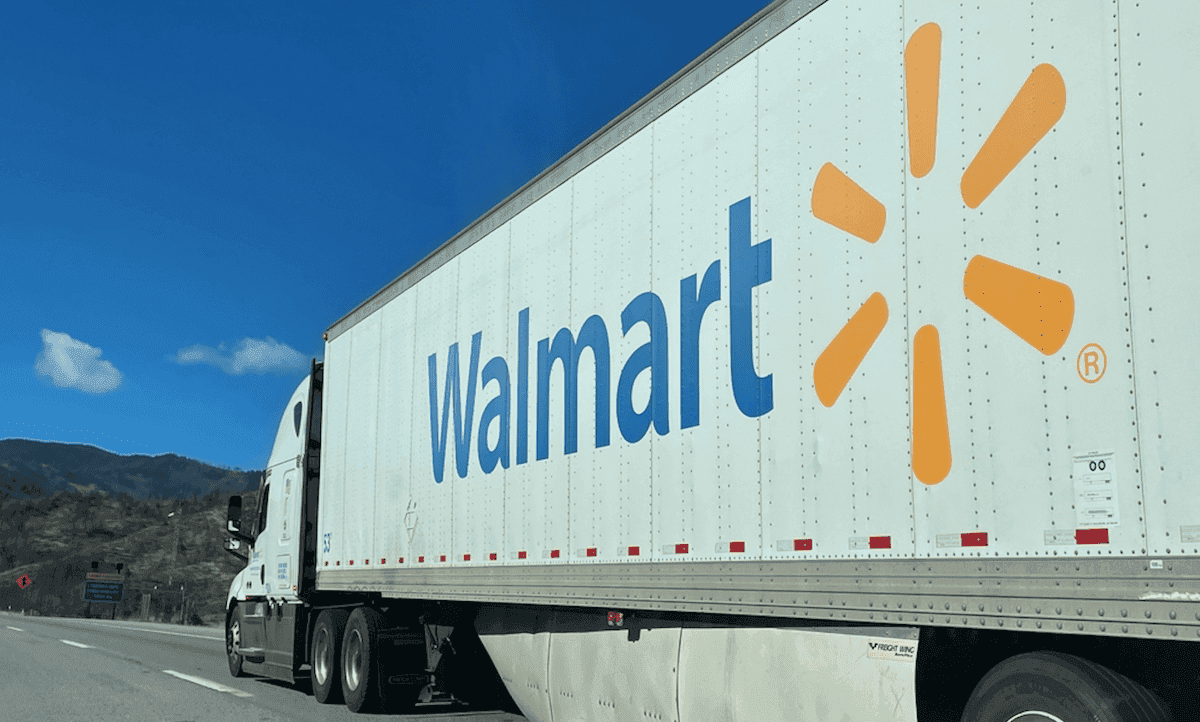
Walmart's Sensor-Driven Supply Chain Revolution
Walmart, the largest private sector employer in the United States, is taking a significant leap in retail automation by implementing advanced sensor technology to track its vast network of grocery shipments. The retail giant plans to attach sensors to 90 million pallets of groceries annually, covering its entire 4,600-store US chain by the end of 2026
1
.The sensors, developed in collaboration with Wiliot, a San Diego-based supply chain technology company, are embedded in shipping labels and use Bluetooth connections to transmit real-time data about the location, condition, dwell time, and temperature of pallets
1
. This technology will replace manual scanning and checks, significantly reducing routine work and enhancing operational efficiency.Automation's Impact on Walmart's Workforce and Market Position
Walmart's investment in labor-saving sensors is expected to strengthen its position as a low-cost food retailer. The company has managed to increase revenues by $150 billion in the past five years without taking on more workers, maintaining a workforce of 2.1 million people, including 1.6 million in the US
1
.Greg Cathey, Walmart's senior vice-president of transformation and innovation, emphasized that this technology addresses one of retail's most challenging problems: knowing exactly what the company owns and where it is at any given moment
1
.Expanding Automation Beyond Sensors: Drone Delivery Network
In addition to sensor technology, Walmart is making strides in expanding its drone delivery capabilities. The company plans to offer drone delivery to "most of the areas where it operates," as revealed at the UP Summit
2
. This move signifies Walmart's readiness to move beyond pilot projects and integrate drone delivery into its mainstream operations.The timing of this expansion aligns with the implementation of the sensor-based logistics system. The high-confidence tracking of temperature-sensitive goods reduces the risks associated with entrusting deliveries to autonomous aerial vehicles
2
.Related Stories
The Broader Context: Retail's Digital Transformation
Walmart's automation efforts are part of a larger trend in the retail industry, where major players are leveraging technology to reshape their operations. The direction is clear: towards a more digitized, sensor-aware, and automated retail model that blends physical store presence with data-driven logistics
2
.While Walmart focuses on transforming its logistics network to make physical proximity its ultimate convenience weapon, competitors like Amazon are taking a different approach. Amazon is embedding commerce into voice-driven devices and subscription bundles, aiming to keep customers within its digital realm
2
.Implications for the Future of Retail
The contrasting strategies of Walmart and Amazon highlight two potential paths for the future of retail. Walmart's approach leverages its physical scale, supercharged by sensors and drones, to fend off software-first rivals. Amazon, on the other hand, is testing its ability to use AI, devices, and convenience to embed itself more deeply in consumers' daily lives
2
.As these retail giants continue to innovate and automate, the industry watches closely to see which approach will prove more successful in reshaping the retail landscape and capturing consumer loyalty in an increasingly competitive market.
References
Summarized by

Navi
Related Stories
Walmart's AI-native push delivers 26% e-commerce growth as Sparky users double
22 May 2026•Business and Economy
Walmart Explores $200 Million Investment in Autonomous Forklifts to Enhance Warehouse Automation
26 Jul 2024

Walmart Unveils AI Super Agents to Revolutionize E-commerce and Operations
24 Jul 2025•Technology
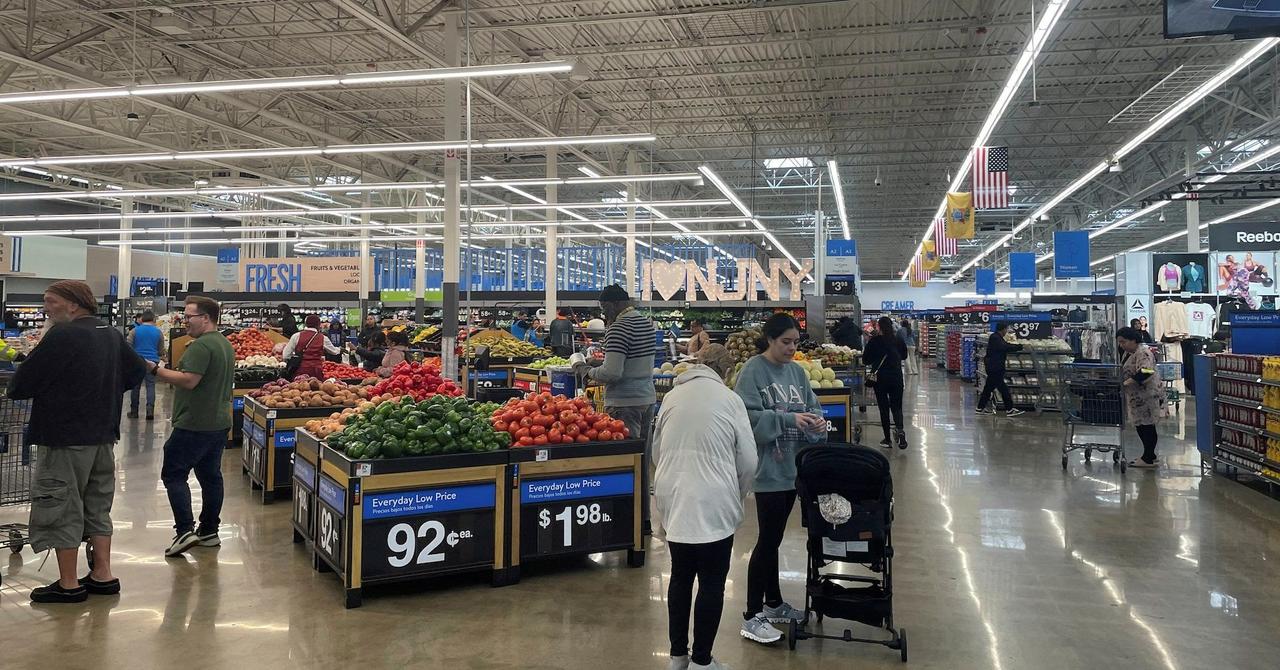
Recent Highlights



Recent Highlights
Today's Top Stories



Don’t drown in AI news. We cut through the noise - filtering, ranking and summarizing the most important AI news, breakthroughs and research daily. Follow topics that matter to you and stay ahead.


