12 Sources
[1]
Xbox will soon be Copilot-free
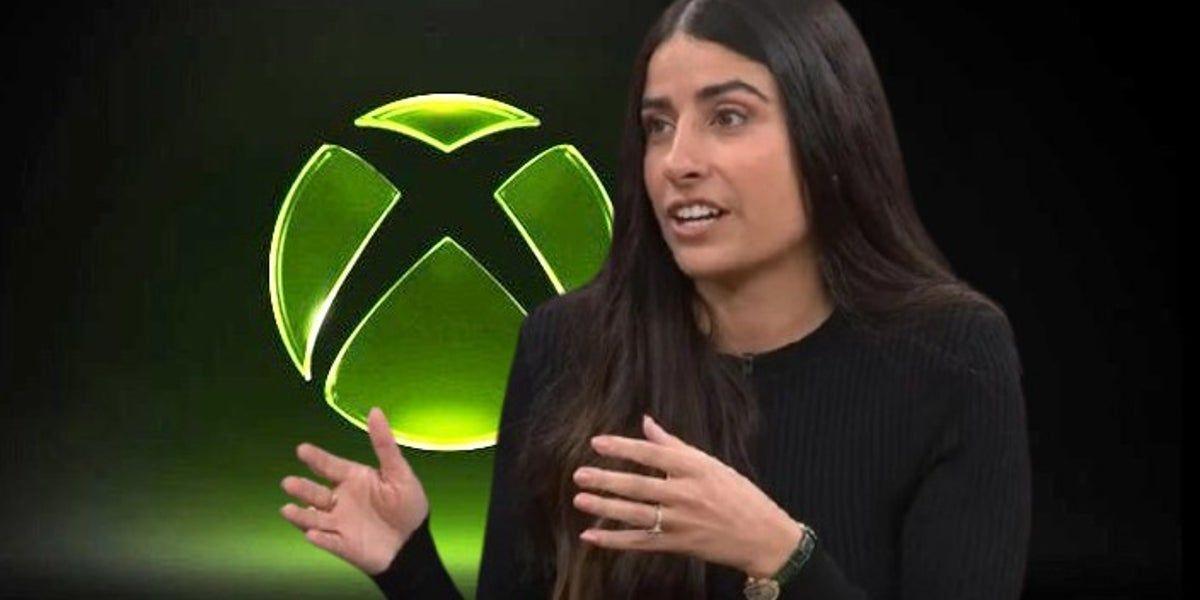
* Xbox will wind down Copilot on mobile and stop Copilot development for console. * New leadership aims to move Xbox faster, deepen community ties, and fix player/dev friction. * Copilot scale-back echoes Windows changes as Xbox preps Project Helix and a green logo refresh. If you're an Xbox fan, this is definitely good news. Following reports that Microsoft's new Xbox head, Asha Sharma, has hired new Xbox leaders, the leader of all things Xbox at Microsoft has released a brief statement on social media, revealing that, as far as Copilot and AI are concerned, the brand is changing directions. Below is Sharma's full statement posted to X (formerly Twitter): Xbox needs to move faster, deepen our connection with the community, and address friction for both players and developers. Today, we promoted leaders who helped build Xbox, while also bringing in new voices to help push us forward. This balance is important as we get the business back on track. As part of this shift, you'll see us begin to retire features that don't align with where we're headed. We will begin winding down Copilot on mobile and will stop development of Copilot on console. Microsoft seems to be backing up its promise to dial back Copilot's integration Sharma is making sweeping changes to Xbox The key takeaway from the statement above is that Copilot is being removed from the Xbox mobile app and that, as far as the brand is concerned, development is ceasing. While Sharma doesn't state it explicitly, it sounds like this also applies to the ROG Xbox Ally X. Back in March, Microsoft revealed that Copilot would run on the Xbox Series X and S, showing how players could use the AI to help them in games. While this sounds like a somewhat novel feature, it likely wouldn't have been integrated into the Xbox Dashboard and the ROG Xbox Ally X's Xbox Mode in an intrusive way, so the fact that work on Copilot's gaming efforts is ending feels like good news, especially as Microsoft gears up to reveal more about Project Helix, its PC-like next-gen console. Given that Sharma shifted to Xbox from being the president of Microsoft's CoreAI product, this is an unexpected move by the recently appointed executive. A few weeks ago, Microsoft confirmed plans to scale back Windows 11's Copilot integration as part of a broader effort to improve the operating system. The tech giant moved uncharacteristically fast to push this plan into action, with minor Copilot features like icons in Windows 11's snipping tool being removed. In other Xbox related news, Microsoft recently launched a minor brand refresh that marks a return to the brand's iconic green logo. Former Xbox leader Phil Spencer retired from the company in February. Microsoft confirms 'Project Helix,' its next-gen Xbox that can also play PC games After months of rumors, it's now clear the tech giant plans to blur the lines between console and PC. Posts By Patrick O'Rourke
[2]
Xbox is ditching Microsoft's Copilot AI - Engadget
Microsoft announced plans to start stripping Copilot out of select Windows apps in March after criticism of the company's mishandling of its operating system reached a fever pitch. As it turns out though, Windows isn't the only place where you'll see less Copilot: Xbox CEO Asha Sharma has announced that the AI assistant will also be removed from the gaming brand's mobile app and Xbox consoles. Under previous Xbox leadership, Copilot was introduced as a sort of in-game assistant that would be aware of what you're playing and able to offer contextual advice based on what's on your screen. Microsoft launched a beta version of the experience by adding Copilot to the Xbox mobile app in May 2025, but based on a GDC presentation the company gave in March, the plan was to also bring Copilot to Xbox consoles later this year. Those plans apparently "don't align" with where Xbox is headed, Sharma said in a post announcing new hires to the Xbox division. "Xbox needs to move faster, deepen our connection with the community, and address friction for both players and developers," Sharma said. "Today, we promoted leaders who helped build Xbox, while also bringing in new voices to help push us forward. This balance is important as we get the business back on track. As part of this shift, you'll see us begin to retire features that don't align with where we're headed. We will begin winding down Copilot on mobile and will stop development of Copilot on console." Before she was tapped to lead Xbox, Sharma was the President of Microsoft's CoreAI division, and several of her new hires are coming from her former team, CNBC reports. That includes Jared Palmer, CoreAI's vice president of product, who's joining Xbox to work on engineering and infrastructure; Tim Allen, CoreAI's vice president of design and research, who'll now lead design at Xbox; and Evan Chaki, a general manager at CoreAI who'll be in charge of a team of engineers tasked with simplifying development. Those hires and Sharma's decision to retire Copilot suggests that AI might not be a big part of the public-facing products Xbox offers, but it could be integrated into how the division is run and the tools it offers to developers. Whether that proves to be positive remains to be seen, but like the recent change to Xbox Game Pass' pricing, it's at least decisive action in Sharma's quest to fix Xbox.
[3]
Microsoft's new Xbox chief nixes Gaming Copilot for mobile and console, shakes up leadership
Microsoft is pulling the plug on its AI-powered Copilot assistant for Xbox, winding down the feature on mobile and canceling its planned launch on consoles. The pullback, announced Tuesday by new Xbox CEO Asha Sharma, comes barely a year after the company debuted the gaming chatbot as a centerpiece of its AI push into gaming, demonstrating the limits of Microsoft's strategy of embedding AI across its product lineup. Microsoft first unveiled Copilot for Gaming at the Game Developers Conference in March 2025, pitching it as an AI sidekick that could offer gameplay tips, coaching, and recaps of where players left off. A beta launched on the Xbox mobile and PC apps and later on the ROG Xbox Ally handheld. The console version was expected to arrive later this year. Sharma's decision to kill the feature aligns with the AI strategy she outlined in an April 30 post on X, where she said Xbox was "refocusing our AI efforts to solving player problems like enhancing real-time graphics, improving discovery, and deepening personalization." She pointed to Automatic Super Resolution, which boosts image quality and performance in the background, as an example of AI done right -- a contrast with the chatbot approach. It's part of a broader set of changes by Sharma, who told employees in a memo Tuesday that she's overhauling Xbox's leadership team, including bringing in executives from the Microsoft CoreAI engineering group where she previously worked. "Xbox needs to move faster, deepen our connection with the community, and address friction for both players and developers," Sharma wrote on X, noting that the company promoted leaders who helped build Xbox while bringing in new voices to the gaming unit. According to CNBC, which saw the memo, the changes include the addition of four executives from CoreAI: * Jared Palmer, formerly a vice president of product in CoreAI and a senior vice president at GitHub, will work on engineering, developer tools, and infrastructure. * Tim Allen, a vice president of design who previously led design and research at Instacart, will lead Xbox design. * Jonathan McKay, a former Meta director and head of growth for ChatGPT at OpenAI, will lead Xbox growth. * Evan Chaki, a general manager, will run a forward-deployed engineering team focused on simplifying development. In addition, David Schloss, a senior director of product and growth at Instacart, will take charge of Xbox's subscription and cloud business. Two execs with more than two decades each at Microsoft are departing: Kevin Gammill, who oversaw Xbox user experience and game development platforms, and Roanne Sones, who led devices and ecosystem and will take a leave of absence before moving to an advisory role. Sharma took over as Xbox CEO in February, replacing Phil Spencer, who retired after 38 years at the company. She had been running Microsoft's CoreAI product organization and previously served as chief operating officer at Instacart and as a vice president at Meta. Since arriving, she has moved quickly, cutting Game Pass prices, dropping the "Microsoft Gaming" name in favor of Xbox, and adopting daily active players as the division's new internal success metric. The changes come as Xbox faces a sustained revenue slump. Gaming revenue totaled $5.3 billion in the most recent quarter, down from $5.7 billion a year earlier, and has declined in four of the past six quarters. Hardware revenue fell 33%. Microsoft's recent 10-Q filing also disclosed impairment charges in the gaming business, meaning the company has written down the value of some gaming assets, suggesting that parts of its gaming portfolio aren't performing as expected. Sharma described the decision to wind down Copilot on mobile and stop its development for consoles as part of a plan to "retire features that don't align with where we're headed." Her post did not address the status of the Copilot beta on the Xbox PC app or the ROG Xbox Ally handheld. The feature drew skepticism from the start. Gaming writer Thomas Wilde called it "a solution looking for a problem" in a March 2025 analysis on GeekWire, questioning whether players wanted an AI chatbot alongside their games. More recently, Wilde raised additional concerns about the feature pulling guide content from the open internet without attribution, writing that Gaming Copilot was "eating its own seed corn" by undermining the ecosystem of online guides it depended on. The feature's full lifecycle, from announcement to cancellation, spanned roughly 14 months.
[4]
Xbox CEO scraps Copilot AI for consoles to refocus the platform on gameplay-first experiences
Microsoft's AI push just hit a surprising pause. Surprisingly, though, this time, it's inside Xbox. The company is officially stepping back from one of its most talked-about gaming features, and the timing says a lot about where things are headed. Why did Xbox cancel Copilot AI for gaming? Xbox CEO Asha Sharma has confirmed that Microsoft is ending development of Xbox Copilot AI across both consoles and mobile. The feature was positioned as an AI assistant to help players with tips, guidance, and in-game support, but it will no longer be moving forward. Since replacing Phil Spencer, Asha's focus has been quite clear: reduce friction, move faster, and double down on what players actually care about. In that context, Copilot did not make the cut. Despite the buzz around AI, the feature simply did not align with the current direction (to no one's surprise). Xbox is now trimming ideas that feel more experimental than essential, especially if they do not directly improve gameplay or the player experience. No more AI side quests, back to the main story This move fits into a much larger reset happening inside Xbox. The company has already dropped the "Microsoft Gaming" branding, reorganized teams, and shifted its focus back to a more player-first identity. And that is where things get interesting. Xbox is not abandoning AI entirely, but it is being far more selective about how it shows up in gaming. Instead of flashy, front-facing tools like Copilot, the focus is likely to shift toward what actually matters moment to moment, like performance, personalization, and developer support. There is a bigger philosophy at play here. Xbox has made it clear that games should stay creative and human-driven. AI can help, but it should never take over or strip away what makes games feel alive. Pair that with recent moves like the Game Pass price drop, and things are starting to look like a step in the right direction. Now all that's left is the one thing every gamer is still waiting for... more exclusives.
[5]
Xbox officially kills console's AI chatbot in another big shakeup
Microsoft is halting the development of its AI chatbot Copilot for Xbox consoles, according to recently appointed CEO Asha Sharma. The move comes as part of a continued business shift for Xbox under Sharma's leadership, which looks to "retire features that don't align with where we're headed." The announcement came on a day of shakeups for the Xbox brand. Earlier in the day, IGN reported on an internal leadership shift that moves four members of Microsoft's CoreAI team to Xbox. A few hours later, Sharma shared another update on her X account, announcing that Microsoft is halting its plans to integrate Copilot into Xbox. "Xbox needs to move faster, deepen our connection with the community, and address friction for both players and developers," Sharma said. "Today, we promoted leaders who helped build Xbox, while also bringing in new voices to help push us forward. This balance is important as we get the business back on track. As part of this shift, you'll see us begin to retire features that don't align with where we're headed. We will begin winding down Copilot on mobile and will stop development of Copilot on console." Rolled out into beta last year, Gaming Copilot was set to bring AI integration to Xbox consoles and the Xbox mobile app. It was described as a gaming "sidekick" that could essentially act as an on-demand guide system. In theory, players could use it to get tips on how to beat a boss in a game, get game recommendations based on their play history, and more. While Gaming Copilot was in beta for the Xbox gaming app, Windows 11 devices, and the ROG Xbox Ally, it had yet to roll out to consoles. It's a sudden shift for Xbox considering that the company still had plans to roll the tech out as recently as March. While speaking at a panel at this year's Game Developers Conference, product manager Sonali Yandav said, "I'm excited to announce that later this year, we will bring Gaming Copilot to the current-generation consoles, and we will continue to bring it to more services that players are playing," according to a report from GamesRadar. Subscribe to the newsletter for Xbox strategy insight Get the newsletter for focused coverage and analysis of Xbox's strategic moves and product decisions, with clear context on what changes mean for players and developers. Get Updates By subscribing, you agree to receive newsletter and marketing emails, and accept our Terms of Use and Privacy Policy. You can unsubscribe anytime. The shift away from Gaming Copilot is just one of many changes to the Xbox business enacted under Sharma, who took over as CEO after Phil Spencer stepped down from the position in February. Since then, Sharma has spearheaded a rebrand, announced Xbox Project Helix, confirmed that the company is reevaluating exclusivity, and raised internal concerns over the price of Xbox Game Pass, slashing the price of Game Pass Ultimate just weeks later. Related New Xbox CEO says Microsoft will 'reevaluate our approach to exclusivity' Microsoft Gaming is dead, long live Xbox? Posts 5
[6]
Microsoft ends Copilot AI on Xbox to help 'get the business back on track,' as new CEO simultaneously welcomes AI executives into the fold
Asha Sharma has appointed a number of her former fellows from Microsoft's CoreAI division to leadership positions at Xbox. A CNBC report says there's been a significant leadership shakeup at Microsoft's Xbox division, and if you're not a fan of AI then you might want to avert your eyes. Xbox CEO Asha Sharma, who came into the role in February after spending two years as president of Microsoft's CoreAI Product division, has tapped at least four of her former CoreAI fellows for key roles in Xbox leadership. Jared Palmer, formerly vice president of CoreAI (and, prior to that, vice president of AI at AI company Vercel), is the new vice president of engineering at Xbox, and a technical advisor to Sharma. In a memo sent to employees, Sharma said Palmer will work "directly with me on our most complex product and engineering problems, with a focus on developer tooling, taste, and infrastructure." Tim Allen, senior vice president of CoreAI Design, will lead design at Xbox, "bringing together product design, design engineering, research, and creative with a fan-first focus." Former CoreAI head of growth Jonathan McKay will take on a similar role at Xbox, while former CoreAI general manager Evan Chaki will lead a new "forward-deployed engineering group focused on removing repetitive work, simplifying development, and improving how we operate." At least one non-Microsoft executive has also been brought aboard the good ship Xbox: David Schloss, previously the senior director of product growth at Instacart, is now head of subscriptions and cloud at Xbox. "We need to evolve how we work and how we are organized across our platform," Sharma wrote in the memo. "Right now, it is too hard to ship impact quickly. We spend too much time inward instead of with the community, and we lack the depth we need in some of the fundamentals." Palmer confirmed his move on X, where he said he'll be "focused on building world-class tools, services, and experiences for developers and players across the Xbox ecosystem." An Xbox representative confirmed with PC Gamer that the CNBC report is accurate. That's a lot of AI horsepower at the top of Xbox, although I wouldn't read too much into it at this point. Talking about "removing repetitive work" and "ship[ping] impact quickly," whatever that means, certainly has a whiff of the ol' AI will save us, but it's not uncommon for executives taking new roles to bring people they're familiar with along with them -- and that's doubly true in cases where the previous leader's strategy has been discredited and abandoned, as is this case here. And in her own message on X confirming the changes, posted a few hours after the Xbos leadership shakeup was first reported, Sharma suggested that Xbox is actually moving back from its focus on AI, or at least slowing it down. "Xbox needs to move faster, deepen our connection with the community, and address friction for both players and developers," Sharma wrote. "Today, we promoted leaders who helped build Xbox, while also bringing in new voices to help push us forward. This balance is important as we get the business back on track. "As part of this shift, you'll see us begin to retire features that don't align with where we're headed. We will begin winding down Copilot on mobile and will stop development of Copilot on console." Ending Copilot AI development on Xbox while simultaneously bringing a bunch of CoreAI guys onto the Xbox leadership team is a surprise twist, and I'm really not sure what to make of it -- except that it could be read as Microsoft being pretty serious about an Xbox turnaround: It recognizes that Xbox customers aren't happy, it's got at least some idea as to why, and it's committed to doing something about it. But it could also be taken as merely going with the broader flow at Microsoft, which has recently dialed back on the presence of Copilot in Photos, Notepad, and other elements of Windows. But Microsoft also recently renamed Office to the "Microsoft 365 Copilot app." Make of it what you will, I guess. Sharma has wasted no time putting her stamp on the post-Phil Spencer Xbox world. Along with ending the maligned "This is an Xbox" marketing campaign, she's also overseen a reduction in Game Pass prices (and services) and acknowledged that Microsoft just doesn't have the juice when it comes to PC gaming; at the end of April, after less than three months in the job, Sharma said "player and revenue growth has not yet met our ambition." Given all that, it's clear that Xbox isn't as dead as Seamus Blackley predicted, but I have no doubt we'll be seeing even more big changes coming in the future.
[7]
Microsoft scraps Copilot on Xbox consoles in new business reorientation
TL;DR: Microsoft is retiring Xbox's Gaming Copilot AI to focus on optimization and growth amid declining revenues and hardware sales. Xbox CEO Asha Sharma emphasizes speeding up development, strengthening community ties, and addressing player and developer needs while maintaining Copilot AI features on Windows 11 only. Microsoft is officially retiring Gaming Copilot on Xbox consoles and shifting gears to focus on optimization, efficiency, and growth. Xbox is changing. The division today announced a big corporate shake-up that saw two Xbox veterans leaving the group, and five new hires joining the team, including multiple people from Microsoft's OpenAI teams. Also, a former Instacart exec now leads Xbox's subscription and cloud business. This realignment also sees Microsoft scrapping plans that no longer fit its vision, like Copilot AI integration on Xbox consoles. Xbox CEO Asha Sharma today confirmed that the program is being shut down: "As part of this shift, you'll see us begin to retire features that don't align with where we're headed. We will begin winding down Copilot on mobile and will stop development of Copilot on console." Sharma continues, saying that these cuts will help Xbox focus on the things that really matter to the division: "Xbox needs to move faster, deepen our connection with the community, and address friction for both players and developers. Today, we promoted leaders who helped build Xbox, while also bringing in new voices to help push us forward. This balance is important as we get the business back on track." Copilot's AI-assisted gaming features weren't all that exciting to gamers, and Microsoft apparently will keep its Copilot gaming AI features available on Windows 11, where they are built in on an OS level. With Xbox's revenues falling -$380 million year over year, and the division delivering its weakest hardware sales of the entire 9th console generation, it's fair to say that Xbox currently has more important things to focus on than nascent AI technology that many of its users may not use anyway. We saw proof of concept of Copilot's AI gaming use case a year ago with a Minecraft demo, wherein a user is led by a voiced AI Copilot on what tasks to do in the game. Sharma, aka the "Xboss," has hinted at the health of the Xbox business, saying that margin expansion has been successful, but revenue and users aren't growing. To help kickstart that, Call of Duty has been moved out of Game Pass, an effort that will hopefully drive up Game Pass subscribers (or reduce churn) while also preserving the front-line value of the shooter franchise by moving it back behind a $70 paywall.
[8]
Xbox Boss on Microsoft AI: "We will stop development of Copilot on console" - Phandroid
Back in early 2026, Microsoft and Xbox announced that the platform will be bringing new updates to Gaming Copilot for the Xbox mobile app, which will provide interested users with a means to integrate AI into their gaming sessions. That said however, it looks like the company's now shifting gears with regards to its AI strategy for gaming, or rather putting a stop to it. Posting on her official social media page, Xbox boss Asha Sharma announced that Microsoft will end the development of Copilot on its Xbox consoles, in addition to the gradual "winding down" of Copilot for mobile devices. She states: Xbox needs to move faster, deepen our connection with the community, and address friction for both players and developers. Today, we promoted leaders who helped build Xbox, while also bringing in new voices to help push us forward. This balance is important as we get the business back on track. As part of this shift, you'll see us begin to retire features that don't align with where we're headed. We will begin winding down Copilot on mobile and will stop development of Copilot on console. As far as the "console wars" are concerned, Xbox hasn't exactly had a smooth ride these past few years especially with competition from Sony's extremely-popular PlayStation 5 series systems. That said, it looks like Microsoft's Xbox division is determined to win back fans following big promises on the platform's future, which includes the upcoming Project Helix system, as well as a major pivot towards its branding strategy, to name a couple. Going back to the new Copilot announcement, it's certainly taken some by surprise given Microsoft's push on its AI services, which itself has received considerable pushback from some users lately. Of course at this point it's too early to tell how Xbox as a whole will move forward, but so far management seems to be saying all the right things, especially for fans.
[9]
Microsoft Kills The Copilot AI For Xbox Nobody Wanted
CEO Asha Sharma said the unpopular AI tool doesn't "align" with the gaming platform's mission A Microsoft presentation on Gaming Copilot was my last talk at GDC 2026 before flying back home that night. It laid out ways that the company was trying to use AI and LLM models to improve playing on Xbox. I wrote at the time that the goal of the presentation was to "make gaming AI on Xbox sound less scary to an audience skeptical of its potential." But when I shared a clip online of what it sounds like when you ask Copilot for help in a game like Sea of Thieves, many gamers, including Xbox fans, were immediately repulsed. Less than two months later, Microsoft is killing the initiative. "Xbox needs to move faster, deepen our connection with the community, and address friction for both players and developers," recently appointed Xbox CEO Asha Sharma wrote on X on May 5. "Today, we promoted leaders who helped build Xbox, while also bringing in new voices to help push us forward. This balance is important as we get the business back on track. As part of this shift, you’ll see us begin to retire features that don’t align with where we’re headed. We will begin winding down Copilot on mobile and will stop development of Copilot on console." It's the latest popular move by an executive who's moving fast to, in the words of Microsoft CEO Satya Nadella, "win back fans." It's also an unexpected one coming from a non-Xbox native who joined from Microsoft's CoreAI division. Copilot always seemed like an awkward fit for Xbox, especially after average consumers had already rejected it on PC. It's not clear where that leaves the company's big bets on AI to reshape the economy, but it's a the most notable boondoggle yet that Sharma's thrown in the bin. Xbox isn't abandoning AI entirely. AutoSR, a feature to have hardware automatically optimize performance to achieve better trade-offs between resolution and framerate, just recently rolled out on the ROG Xbox Ally X for users in the Xbox Insider testing program. It's unclear if that will still come to console later this year as previously planned. But AutoSR is a much more obvious fit for the platform as Microsoft tries to figure out what belongs, and what doesn't, moving forward.
[10]
Microsoft finally admits everyone hates Copilot: Xbox CEO confirms it's "winding down" Copilot on mobile and ending it on console
Xbox CEO Asha Sharma is now addressing reports of major leadership changes at the publisher which see some of her past colleagues at Instacart, Meta, and Microsoft's own CoreAI product stepping in as two 24-year veterans leave their positions. Sharma explains this executive overhaul - Xbox's second upheaval since February, if you count Sharma's own appointment - is only a part of Xbox's metamorphosis, as Microsoft also prepares to scale down its Copilot AI assistant. Like Google's Gemini and other, increasingly intrusive AI bots, Copilot is accessible through most Microsoft products, including as a phone app, and Xbox announced in March that the AI assistant would also arrive on "current-generation consoles" by the end of 2026. So, this is devastating if you wanted a condescending robot to tell you how to walk in Sea of Thieves, but Sharma writes on Twitter that Microsoft "will begin winding down Copilot on mobile and will stop development of Copilot on console." The new CEO unfortunately adopts some The Social Networkian speech while describing her other plans for Xbox - "Xbox needs to move faster," she says, "and address friction for both players and developers" - but I understand her reliance on the old Silicon Valley prayer to "move fast, break things" when observing the current state of Xbox. Quarterly hardware sales are down 33%, overall revenue dropped 9% year-on-year, and Sharma recently worried in an internal memo, "Game Pass has become too expensive for players," before lancing the swelling price tag herself. Xbox, in some ways, is already a broken business - now it needs Sharma to work fast, and she is. Sharma recently made the quick decision to abandon the Microsoft Gaming name and return to "Xbox." Out of apparent commitment to this name and its association with Microsoft as a major console manufacturer, Sharma now explains on Twitter, "Today, we promoted leaders who helped build Xbox, while also bringing in new voices to help push us forward." In addition to gathering a crew of new hires, including former ChatGPT leader Jonathan McKay and Instacart senior director of product growth David Schloss, Xbox has promoted Project Helix lead Jason Ronald, The Verge reports. "This balance is important as we get the business back on track," Sharma adds. And about those former AI executives she's recruited despite Xbox dropping Copilot, according to her April 30 tweet, Xbox will instead be "refocusing our AI efforts to solving player problems like enhancing real-time graphics."
[11]
Asha Sharma cancels Gaming Copilot for Xbox before it even launched
The still relatively new head of Xbox, Asha Sharma, has been on the job for just over two months and has already shaken up the organization in a big way, often in a manner that has been well-received by fans. And now she's at it again with a move that we think very few will object to. Through social media, she has announced that she is restructuring the Xbox team and has "promoted leaders who helped build Xbox, while also bringing in new voices to help push us forward". We don't know if this has any connection to the meeting with Xbox creator Seamus Blackley (which we reported on the other day), but it certainly seems like there will be more passionate Xbox employees moving forward. Sharma also writes that "you'll see us begin to retire features that don't align with where we're headed" and specifically mentions that she "will stop development of Copilot on console". As recently as the first half of March (shortly after Phil Spencer stepped down), Microsoft announced the Gaming Copilot feature, which was intended to be a sort of digital sidekick while you play. The idea was that you could get AI assistance in, for example, Elden Ring or help finding something in Resident Evil Requiem. Now it's clear that the concept is being scrapped before it even got off the ground. Anyone who was worried that former AI chief Asha Sharma would flood Xbox with AI seems to have been way off the mark. As you may notice, she also writes "begin retire," so it sounds like this is the first Xbox feature she's scrapping, but not necessarily the last.
[12]
Xbox CEO Pulls the Plug on Copilot for Console, Admits Microsoft's AI 'Doesn't Align' With Xbox
Shortly after the new leadership cabinet for Xbox chief executive officer Asha Sharma was made public, Sharma took to her personal X (formerly Twitter) account to comment on the appointments but also to reveal another change regarding Xbox's direction. Microsoft's Copilot AI, which had been introduced into the gaming ecosystem as Gaming Copilot through the mobile Xbox app and the Xbox PC app, is seemingly something that no longer aligns with platform's direction. "Xbox needs to move faster, deepen our connection with the community, and address friction for both players and developers," Sharma began in her statement. "Today, we promoted leaders who helped build Xbox, while also bringing in new voices to help push us forward. This balance is important as we get the business back on track. As part of this shift, you'll see us begin to retire features that don't align with where we're headed." "We will begin winding down Copilot on mobile and will stop development of Copilot on console." The knowledge of less Generative AI (GenAI) and AI in general in the Xbox platform has, unsurprisingly, been received very positively so far, with plenty of positive responses to Sharma's announcement. It directly countered earlier fears that rose with the reveal of her new hires, since most of them came from her former team on the CoreAI side of Microsoft. Sharma hasn't been in the role long enough to make a mark on Xbox's revenue, but she's more than made a mark on the platform's image, and has definitely walked the walk so far on taking a personal lead to rebrand Xbox. She's only had the job for two months, and already we've seen major changes to Xbox and a new sense of energy shot into the platform, as Sharma looks to set up her tenure for success.
Share
Copy Link
Microsoft is halting development of its Gaming Copilot AI chatbot for Xbox consoles and winding down the feature on mobile, newly appointed CEO Asha Sharma announced. The decision marks a sharp pivot away from public-facing AI features, coming just 14 months after the gaming assistant was unveiled and barely a year into its beta testing on the Xbox mobile app.
Microsoft is pulling the plug on its Gaming Copilot AI assistant for Xbox, with CEO Asha Sharma announcing the company will wind down Copilot on the mobile app and stop development of Copilot for consoles entirely
1
2
. The move comes as part of a broader strategic shift designed to help Xbox "move faster, deepen our connection with the community, and address friction for both players and developers," Sharma wrote in a post on X5
. The AI chatbot was first unveiled at the Game Developers Conference in March 2025 as an in-game assistant that would offer contextual gameplay tips, coaching, and recaps based on what appeared on players' screens3
. A beta version launched on the Xbox mobile app, PC apps, and the ROG Xbox Ally handheld, with plans to bring it to current-generation consoles later this year5
.
Source: Wccftech
The Copilot cancellation coincides with a sweeping leadership overhaul at Xbox, with Sharma bringing in four executives from Microsoft's CoreAI division where she previously served as president
2
. According to CNBC, the new hires include Jared Palmer, formerly a vice president of product in CoreAI, who will work on engineering and developer tools; Tim Allen, a vice president of design, who will lead Xbox design; Jonathan McKay, a former Meta director and head of growth for ChatGPT at OpenAI, who will lead Xbox growth; and Evan Chaki, a general manager tasked with simplifying console development3
. David Schloss from Instacart will take charge of Xbox's subscription and cloud business. Two Microsoft veterans with over two decades each at the company are departing: Kevin Gammill, who oversaw Xbox user experience and game development platforms, and Roanne Sones, who led devices and ecosystem3
.
Source: GeekWire
While Xbox is retiring its public-facing AI chatbot, the platform isn't abandoning AI entirely. Sharma outlined in an April 30 post that Xbox is "refocusing our AI efforts to solving player problems like enhancing real-time graphics, improving discovery, and deepening personalization"
3
. She pointed to Automatic Super Resolution, which boosts image quality and performance in the background, as an example of a player-first experience done right—a stark contrast with the chatbot approach3
. The shift suggests AI will be integrated into how the division operates and the developer tools it offers rather than flashy, front-facing features2
4
. This mirrors Microsoft's recent decision to scale back Windows 11's Copilot integration, with minor features already being removed from tools like the snipping tool1
.Related Stories
The Gaming Copilot's complete lifecycle, from announcement to cancellation, spanned roughly 14 months
3
. The feature drew skepticism from the start, with gaming writer Thomas Wilde calling it "a solution looking for a problem" and raising concerns about it pulling guide content from the internet without attribution, essentially "eating its own seed corn" by undermining the ecosystem it depended on3
. The decision to retire features "that don't align with where we're headed" comes as Xbox faces sustained revenue challenges, with gaming revenue totaling $5.3 billion in the most recent quarter, down from $5.7 billion a year earlier, declining in four of the past six quarters3
. Hardware revenue fell 33%, and Microsoft's recent 10-Q filing disclosed impairment charges in the gaming business3
.Since replacing Phil Spencer, who retired in February after 38 years at Microsoft, Sharma has moved decisively to reshape Xbox
3
. Recent changes include slashing Game Pass prices, dropping the "Microsoft Gaming" name in favor of Xbox, adopting daily active players as the division's new internal success metric, and confirming the company is reevaluating exclusivity3
5
. The brand refresh also marks a return to Xbox's iconic green logo1
. As Microsoft gears up to reveal more about Project Helix, its PC-like next-generation console, the focus appears squarely on reducing developer friction and delivering gameplay experiences that prioritize what players actually want1
4
. Whether this approach can reverse Xbox's revenue decline and restore momentum remains the critical question as Sharma balances promoting leaders who built Xbox with bringing in fresh perspectives to push the platform forward.
Source: GamesRadar
Summarized by
Navi
[1]
[3]
[4]
13 Mar 2026•Technology
20 Feb 2026•Business and Economy

19 Sept 2025•Technology

1
Health

2
Technology

3
Policy and Regulation