Xiaomi Unveils XRING O1: First In-House AI Chip Powering New Flagship Devices


2 Sources
[1]
Xiaomi 15S Pro and Pad 7 Ultra launch with its first in-house chip
Xiaomi just announced its first homemade chip. The new Xiaomi XRING O1 SoC is going to power the brand-new Xiaomi 15S Pro Android phone and Xiaomi Pad 7 Ultra. Xiaomi seems to be breaking off from using Qualcomm's SoCs, opting to use a new chipset built on a 3nm process. The new SoC will be found
[2]
Xiaomi Pad 7 Ultra with 14'' 3.2K 120Hz OLED display, Xiaomi XRING 01 SoC, 12000mAh battery announced
Xiaomi marked its 15th anniversary in China by launching the Xiaomi Pad 7 Ultra, its first Ultra-grade tablet, alongside the Xiaomi 15S Pro. The tablet has a 5.1mm slim, 609g all-metal unibody design with high-strength aluminum alloy, increasing durability by 18%. Its 14-inch 3.2K OLED display
Share
Copy Link
Xiaomi launches its first self-developed chip, the XRING O1, featuring in the new Xiaomi 15S Pro smartphone and Pad 7 Ultra tablet, marking a significant step in AI processing and device performance.
Xiaomi's Leap into Chip Manufacturing
In a significant move that signals its ambitions in the AI and mobile computing space, Xiaomi has unveiled its first in-house chip, the XRING O1. This System-on-Chip (SoC) is set to power the company's latest flagship devices, marking Xiaomi's entry into the competitive world of semiconductor design and potentially reshaping its position in the global smartphone market
1
.XRING O1: A Powerhouse of Performance
Built on an advanced 3nm process, the XRING O1 boasts impressive specifications that put it in direct competition with established chip manufacturers. The SoC features a 10-core CPU architecture, complemented by a 16-core Immortalis GPU. A standout feature is the inclusion of a 6-core Neural Processing Unit (NPU), specifically designed to handle the increasing AI workload in modern smartphones
1
.The chip's AI capabilities are particularly noteworthy, with Xiaomi claiming 44 TOPS (Trillion Operations Per Second) of AI computing power. This translates to significant performance improvements in various tasks, including 27.5% faster video exports and 51.3% quicker image exports
2
.Xiaomi 15S Pro: Flagship Smartphone Redefined
Source: 9to5Google
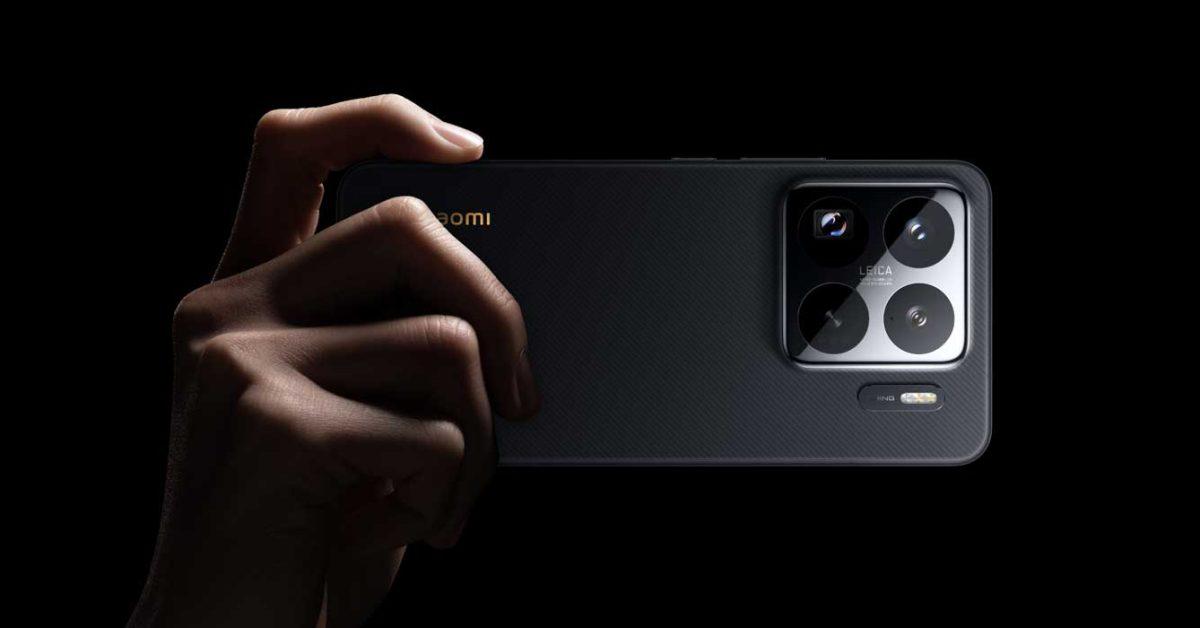
The Xiaomi 15S Pro serves as the debut smartphone for the XRING O1 chip. The device showcases Xiaomi's commitment to both performance and aesthetics, featuring a fiberglass back and gold-accented power key in its basic version, with a premium Composite Fiber variant offering carbon and aramid fiber panels
1
.Key specifications of the 15S Pro include:
- A 2K display capable of an impressive 3,200 nits of brightness
- A substantial 6,100mAh battery for extended usage
- A Leica Summilux triple-lens camera system with real-time HDR and AI noise reduction
1
Xiaomi Pad 7 Ultra: Pushing Tablet Boundaries
Alongside the smartphone, Xiaomi introduced the Pad 7 Ultra, also powered by the XRING O1 chip. This tablet pushes the envelope in terms of display technology and battery life:
- A massive 14-inch 3.2K OLED panel with a 120Hz refresh rate and 1,600 nits peak brightness
- An enormous 12,000mAh battery, promising up to 18.95 hours of video playback
- An ultra-thin 5.1mm all-metal unibody design weighing just 609g
2
The tablet's display technology is particularly noteworthy, with a nano soft light screen variant that reduces reflectivity by 70% and glare by 99%, offering a paper-like writing experience
2
.Related Stories

HyperOS 2: Software Optimized for AI
Both devices will run on Xiaomi's HyperOS 2, an operating system optimized to leverage the AI capabilities of the XRING O1 chip. While Xiaomi promises exceptional multitasking and performance improvements, real-world testing will be crucial to assess these claims
1
2
.Market Implications and Future Prospects
Xiaomi's entry into chip manufacturing represents a strategic move to reduce dependence on third-party suppliers like Qualcomm. This vertical integration could potentially lead to better optimization between hardware and software, improved performance, and possibly more competitive pricing
1
.The XRING O1's focus on AI processing power also indicates Xiaomi's vision for the future of mobile computing, where AI-driven features and applications play an increasingly central role in user experiences.
As these devices hit the market, starting at 5499 RMB for both the Xiaomi 15S Pro and the Pad 7 Ultra, the tech industry will be watching closely to see how Xiaomi's first chip performs against established competitors
1
2
. The success of the XRING O1 could potentially reshape the smartphone and tablet market, especially in the AI-driven computing segment.References
Summarized by

Navi
Related Stories
Xiaomi Unveils 3nm Chip Family to Challenge Qualcomm, MediaTek and Nvidia in Smartphones and EVs
25 Aug 2026•Technology

Xiaomi 17T series debuts with Leica camera tech and massive batteries for zoom photography
28 May 2026•Technology
Honor Unveils New Lineup: MagicBook Art 14, MagicPad 2, and Magic V3 Series
13 Jul 2024

Recent Highlights



Recent Highlights
Today's Top Stories




Don’t drown in AI news. We cut through the noise - filtering, ranking and summarizing the most important AI news, breakthroughs and research daily. Follow topics that matter to you and stay ahead.


