YouTube Expressive Captions use AI to capture emotion, gasps, and sighs in every video


2 Sources
[1]
YouTube Adds Expressive Captions So You Can Feel Every Gasp, Sigh, and Shout
Android's Expressive Captions are now rolling out for YouTube videos on all devices. While traditional captions translate everything being said on screen, they don't capture the emotion behind those words. With Expressive Captions, YouTube aims to solve that problem. These captions use "AI to
[2]
No audio? No problem. YouTube's new Expressive Captions carry the emotion for you
Captions can now show tone, emphasis, and ambient cues like sighs, applause, or gasps. Standard captions have always been functional, but rarely fun. They get the job done if you're watching on mute or have hearing accessibility needs, but they've historically stripped the video of its emotion and
Share
Copy Link
YouTube is rolling out Expressive Captions, an AI-powered feature that goes beyond traditional transcription to capture tone, volume, and ambient cues like sighs and gasps. Available now for English videos uploaded after October 2025, the feature aims to make videos more accessible while preserving the emotional context often lost in standard captions.
YouTube Launches AI-Powered Feature to Transform Caption Experience
YouTube is expanding its accessibility toolkit with Expressive Captions, an AI-powered feature that captures not just what's being said, but how it's being said
1
. Unlike traditional captions that simply transcribe dialogue, Expressive Captions use AI captions technology to communicate tone, volume, environmental sounds, and human noises like gasps and sighs1
. The feature is now available across all devices for English-language videos uploaded after October 2025, marking a significant step forward in making videos more accessible while preserving emotional context.
Source: Android Authority
Google originally introduced this technology as part of the Live Caption system for Android phones last year, but the video-streaming platform is now bringing it to a much wider audience
1
. The expansion represents a meaningful shift in how accessibility features can enhance the viewing experience for everyone, not just those with hearing impairments.How Expressive Captions Convey Emotional Tone and Context
Viewers will immediately notice the difference when Expressive Captions are active. When someone screams with excitement, the text appears in all caps to reflect that intensity
1
. Bracketed descriptions capture ambient cues and non-verbal sounds, displaying tags like "[joy]" or "[sadness]" before the text so viewers won't miss sarcasm or heartbreak even without audio2
. If someone whispers, the caption reflects that quiet delivery. If they drag out a word for dramatic effect, the text stretches with them2
.
Source: PC Magazine
This approach addresses a long-standing limitation of traditional transcription methods. Standard captions have always been functional but rarely captured the energy and emotion that make content engaging
2
. By revealing the meaning behind the words, Expressive Captions help viewers understand not just the literal dialogue but the speaker's intent and emotional state.Accessibility for Deaf or Hard-of-Hearing Users and Beyond
While captions were originally designed for accessibility for deaf or hard-of-hearing audiences, they've evolved to serve multiple purposes in the streaming era
1
. Users watching content in foreign languages, viewing in sound-sensitive environments, or simply preferring to read along have all benefited from caption technology. Expressive Captions can help both sets of users by preserving the nuance that makes content compelling1
.The feature is part of Google's broader winter accessibility updates, which include Android OS enhancements such as Fast Pair support for hearing aids, easier voice dictation with TalkBack, and additional improvements
2
. These coordinated releases signal a sustained commitment to making technology more inclusive across platforms.Related Stories

What Users Should Watch For Next
At launch, Expressive Captions will only work with videos uploaded after October 2025, though YouTube has confirmed plans to continue rolling this feature out on more videos
1
. The gradual expansion suggests the company is testing performance and gathering user feedback before applying the technology to its massive back catalog. Users should monitor whether the feature expands to additional languages beyond English and whether YouTube Music or other Google properties adopt similar approaches. The timing coincides with YouTube's first-ever year-end recap feature, similar to Spotify Wrapped, which launched this week to provide insights into viewing habits and preferences1
.References
Summarized by

Navi
[2]
Related Stories
Google Enhances Android's Live Captions with AI-Powered 'Expressive Captions'
06 Dec 2024•Technology

YouTube Expands AI-Powered Auto-Dubbing Feature to Knowledge and Information Channels
11 Dec 2024•Technology

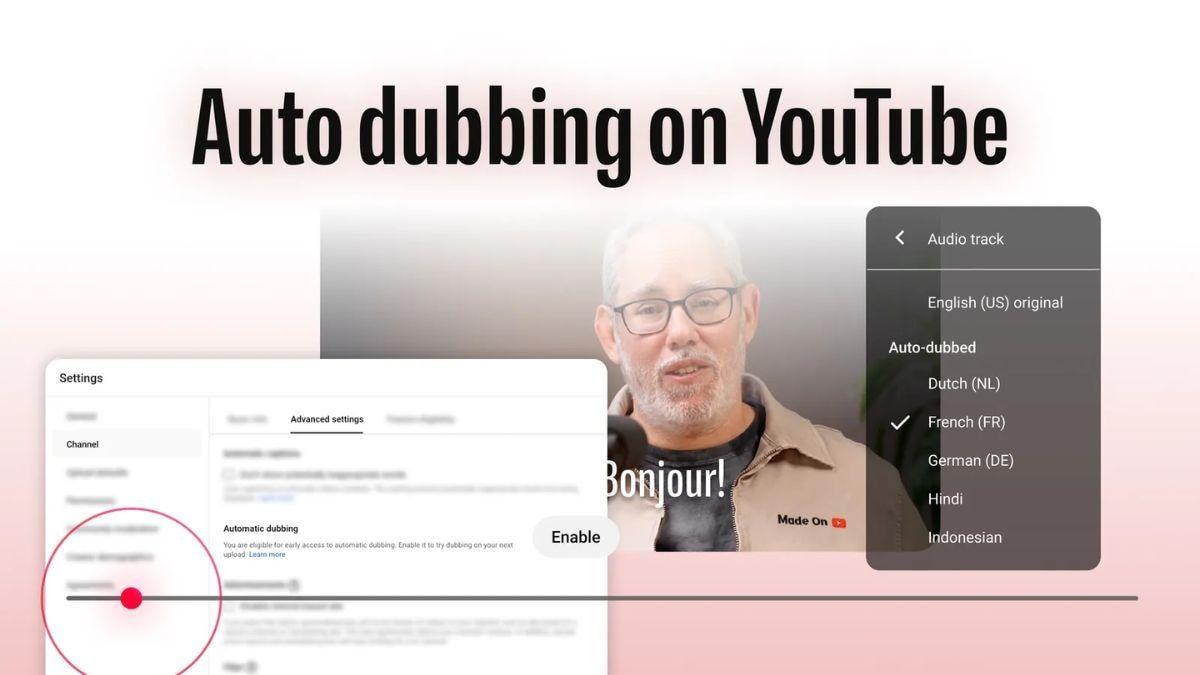
YouTube expands auto-dubbing feature to all creators with AI-powered voice and lip sync upgrades
05 Feb 2026•Technology
Recent Highlights
1
Meta Unveils Muse Wonder Frontier AI Models, Claims Performance Matching OpenAI and Anthropic
Technology

2
IMF Report Warns AI Market Correction Could Spark Global Financial Crisis With $1.4T at Risk
Business and Economy

3
OpenAI Releases 722 AI-Generated Math Solutions, Triggering Existential Crisis in Mathematics
Technology

Recent Highlights
Today's Top Stories








Don’t drown in AI news. We cut through the noise - filtering, ranking and summarizing the most important AI news, breakthroughs and research daily. Follow topics that matter to you and stay ahead.


