ZYT's AI autonomous driving system already outperforms its CEO on crowded Shenzhen streets


3 Sources
3 Sources
[1]
Exclusive: ZYT readies AI that can outdrive its own CEO on Shenzhen streets
SHENZHEN, March 20 (Reuters) - The chief executive of Chinese autonomous drive startup ZYT says the AI system his company is about to debut is already a better driver than he is on the crowded streets of Shenzhen. ZYT, a spin-off from Chinese drone maker DJI, will demonstrate what it calls a "mobility foundation model" at the Beijing auto show in April. It's a system CEO Shen Shaojie, 39, describes as a cost-saving departure from the way autonomous drive systems have been built and trained. Rather than relying on dedicated "modules" to detect cars, pedestrians or traffic lights and training a system based on the geography and traffic patterns of a particular market, the ZYT model can work out how to drive on its own, Shen said in an interview with Reuters. In addition to video from road driving, Shen said the "foundation" AI system was fed video from drones, robots, household vacuum cleaners, motorcycles and even people carrying a moving camera. That gives it the ability to operate across vehicle types and geographies in ways that conventional systems tuned for specific road types and conditions cannot, he said. It could also make it useful for controlling the movement of future autonomous robots or other devices. The rollout comes as China embarks on an effort to embed AI in every corner of its economy under a push by Xi Jinping to develop "new productive forces" that provide a counter to U.S. efforts to limit technologies that also have potential military applications. It also underscores the fast-moving competition to develop AI-powered driving systems by Tesla and a range of Chinese automakers and suppliers, including Xpeng. DJI, which retains a stake in ZYT through an affiliate, has been operating under U.S. sanctions because of what U.S. agencies have described as national security concerns. ZYT's rivals include Huawei's smart driving unit and Momenta. The start-up is vying for the fast-developing market for AI-powered driving, where it also faces competition from Xpeng (9868.HK), opens new tab and Tesla (TSLA.O), opens new tab among others. While the technology landscape is changing quickly, "if you can get six months of advantage, that's already a huge thing," Shen said. ZYT is targeting a Hong Kong listing as early as 2027, Shen said, as it seeks to capitalise on a string of commercial partnerships, including in China's trucking market, and a recent major investment from state-owned automaker FAW Group(SASACJ.UL). "The potential quickest is somewhere sometime 2027," Shen told Reuters. 'WE DON'T KNOW WHAT THE CAR IS THINKING' The new ZYT AI already outperforms him behind the wheel, Shen said, including navigating narrow roads with oncoming traffic and children near schools in Shenzhen. "It actually drives better than me," he said. When he took a test drive, his engineers also delivered a stark reminder of how different it is. "We don't know what the car is thinking," they told him, a sign of how advanced the latest versions of AI had become. "The model is thinking in its own internal brain." Shen said ZYT has partnerships with five of the six largest Chinese truck manufacturers, a group that controls more than 98% of the domestic market. In January, the company announced plans for highway-based truck driving systems with three Chinese truck makers, XCMG (000425.SZ), opens new tab, SHACMAN and SINOTRUK (3808.HK), opens new tab in the first half of this year. ZYT's AI model trained on passenger car data was adapted for heavy-duty trucks in about six weeks. The truck business, Shen said, offers a more compelling financial case than passenger cars because advanced driving systems can generate immediate savings. The ZYT system, for example, he said, can deliver "low single-digit (percentage) savings" on fuel. Late last year, automaker FAW Group bought a 35.8% stake in ZYT from New Territory, a DJI-linked holding company that retains 34.85% ownership. Shen said the transaction would resolve any compliance issues for customers outside China, because it was no longer majority owned by the drone maker. FAW now owns the largest stake in ZYT. WORKING ON CHEAPER CHIPS FOR CARS ZYT's foundation model currently runs on expensive, high-powered computing hardware of the kind found in robotaxis and prototypes, not mass-market cars. ZYT is working to compress it to run on cheaper, mass-market chips, work Shen said is "still ongoing." The first passenger car to use the system is expected in 2027, he said. VW (VOWG.DE), opens new tab, whose China partner is FAW, was ZYT's first customer. Xpeng is also a VW partner for driving systems with its VLA 2.0 system. ZYT has established an engineering and compliance presence near Volkswagen's Wolfsburg headquarters, where it has been testing a prototype from FAW's Hongqi brand on European roads. The United States is not on ZYT's roadmap. "We will keep ourselves away from the market at this moment," Shen said. "The rest of the world is already picking up." Reporting by Qiaoyi Li and Kevin Krolicki; Editing by David Dolan and Sonali Paul Our Standards: The Thomson Reuters Trust Principles., opens new tab * Suggested Topics: * Asia Pacific * ADAS, AV & Safety * EV Battery * Sustainable & EV Supply Chain * EV Strategy Kevin Krolicki Thomson Reuters Kevin Krolicki is Reuters bureau chief for Greater China, based in Beijing since 2024. He was previously Reuters transport editor, working with a global team of reporters covering autos and EVs and the business of space and satellite launches. A Detroit native, he has also worked in Tokyo, Los Angeles, Detroit, Washington and Singapore as a reporter and editor with Reuters.
[2]
ZYT readies AI that can outdrive its own CEO on Shenzhen streets
ZYT, a spin-off from Chinese drone maker DJI, will demonstrate what it calls a "mobility foundation model" at the Beijing auto show in April. It's a system CEO Shen Shaojie, 39, describes as a cost-saving departure from the way autonomous drive systems have been built and trained. The chief executive of Chinese autonomous drive startup ZYT says the AI system his company is about to debut is already a better driver than he is on the crowded streets of Shenzhen. ZYT, a spin-off from Chinese drone maker DJI, will demonstrate what it calls a "mobility foundation model" at the Beijing auto show in April. It's a system CEO Shen Shaojie, 39, describes as a cost-saving departure from the way autonomous drive systems have been built and trained. Rather than relying on dedicated "modules" to detect cars, pedestrians or traffic lights and training a system based on the geography and traffic patterns of a particular market, the ZYT model can work out how to drive on its own, Shen said in an interview with Reuters. In addition to video from road driving, Shen said the "foundation" AI system was fed video from drones, robots, household vacuum cleaners, motorcycles and even people carrying a moving camera. That gives it the ability to operate across vehicle types and geographies in ways that conventional systems tuned for specific road types and conditions cannot, he said. It could also make it useful for controlling the movement of future autonomous robots or other devices. The rollout comes as China embarks on an effort to embed AI in every corner of its economy under a push by Xi Jinping to develop "new productive forces" that provide a counter to U.S. efforts to limit technologies that also have potential military applications. It also underscores the fast-moving competition to develop AI-powered driving systems by Tesla and a range of Chinese automakers and suppliers, including Xpeng. DJI, which retains a stake in ZYT through an affiliate, has been operating under U.S. sanctions because of what U.S. agencies have described as national security concerns. ZYT's rivals include Huawei's smart driving unit and Momenta. The start-up is vying for the fast-developing market for AI-powered driving, where it also faces competition from Xpeng and Tesla among others. While the technology landscape is changing quickly, "if you can get six months of advantage, that's already a huge thing," Shen said. ZYT is targeting a Hong Kong listing as early as 2027, Shen said, as it seeks to capitalise on a string of commercial partnerships, including in China's trucking market, and a recent major investment from state-owned automaker FAW Group. "The potential quickest is somewhere sometime 2027," Shen told Reuters. 'We don't know what the car is thinking' The new ZYT AI already outperforms him behind the wheel, Shen said, including navigating narrow roads with oncoming traffic and children near schools in Shenzhen. "It actually drives better than me," he said. When he took a test drive, his engineers also delivered a stark reminder of how different it is. "We don't know what the car is thinking," they told him, a sign of how advanced the latest versions of AI had become. "The model is thinking in its own internal brain." Shen said ZYT has partnerships with five of the six largest Chinese truck manufacturers, a group that controls more than 98% of the domestic market. In January, the company announced plans for highway-based truck driving systems with three Chinese truck makers, XCMG, SHACMAN and SINOTRUK in the first half of this year. ZYT's AI model trained on passenger car data was adapted for heavy-duty trucks in about six weeks. The truck business, Shen said, offers a more compelling financial case than passenger cars because advanced driving systems can generate immediate savings. The ZYT system, for example, he said, can deliver "low single-digit (percentage) savings" on fuel. Late last year, automaker FAW Group bought a 35.8% stake in ZYT from New Territory, a DJI-linked holding company that retains 34.85% ownership. Shen said the transaction would resolve any compliance issues for customers outside China, because it was no longer majority owned by the drone maker. FAW now owns the largest stake in ZYT. Working on cheaper chips for cars ZYT's foundation model currently runs on expensive, high-powered computing hardware of the kind found in robotaxis and prototypes, not mass-market cars. ZYT is working to compress it to run on cheaper, mass-market chips, work Shen said is "still ongoing." The first passenger car to use the system is expected in 2027, he said. VW, whose China partner is FAW, was ZYT's first customer. Xpeng is also a VW partner for driving systems with its VLA 2.0 system. ZYT has established an engineering and compliance presence near Volkswagen's Wolfsburg headquarters, where it has been testing a prototype from FAW's Hongqi brand on European roads. The United States is not on ZYT's roadmap. "We will keep ourselves away from the market at this moment," Shen said. "The rest of the world is already picking up."
[3]
ZYT readies AI that can outdrive its own CEO on Shenzhen streets
SHENZHEN, March 20 (Reuters) - The chief executive of Chinese autonomous drive startup ZYT says the AI system his company is about to debut is already a better driver than he is on the crowded streets of Shenzhen. ZYT, a spin-off from Chinese drone maker DJI, will demonstrate what it calls a "mobility foundation model" at the Beijing auto show in April. It's a system CEO Shen Shaojie, 39, describes as a cost-saving departure from the way autonomous drive systems have been built and trained. Rather than relying on dedicated "modules" to detect cars, pedestrians or traffic lights and training a system based on the geography and traffic patterns of a particular market, the ZYT model can work out how to drive on its own, Shen said in an interview with Reuters. In addition to video from road driving, Shen said the "foundation" AI system was fed video from drones, robots, household vacuum cleaners, motorcycles and even people carrying a moving camera. That gives it the ability to operate across vehicle types and geographies in ways that conventional systems tuned for specific road types and conditions cannot, he said. It could also make it useful for controlling the movement of future autonomous robots or other devices. The rollout comes as China embarks on an effort to embed AI in every corner of its economy under a push by Xi Jinping to develop "new productive forces" that provide a counter to U.S. efforts to limit technologies that also have potential military applications. It also underscores the fast-moving competition to develop AI-powered driving systems by Tesla and a range of Chinese automakers and suppliers, including Xpeng. DJI, which retains a stake in ZYT through an affiliate, has been operating under U.S. sanctions because of what U.S. agencies have described as national security concerns. ZYT's rivals include Huawei's smart driving unit and Momenta. The start-up is vying for the fast-developing market for AI-powered driving, where it also faces competition from Xpeng and Tesla among others. While the technology landscape is changing quickly, "if you can get six months of advantage, that's already a huge thing," Shen said. ZYT is targeting a Hong Kong listing as early as 2027, Shen said, as it seeks to capitalise on a string of commercial partnerships, including in China's trucking market, and a recent major investment from state-owned automaker FAW Group. "The potential quickest is somewhere sometime 2027," Shen told Reuters. 'WE DON'T KNOW WHAT THE CAR IS THINKING' The new ZYT AI already outperforms him behind the wheel, Shen said, including navigating narrow roads with oncoming traffic and children near schools in Shenzhen. "It actually drives better than me," he said. When he took a test drive, his engineers also delivered a stark reminder of how different it is. "We don't know what the car is thinking," they told him, a sign of how advanced the latest versions of AI had become. "The model is thinking in its own internal brain." Shen said ZYT has partnerships with five of the six largest Chinese truck manufacturers, a group that controls more than 98% of the domestic market. In January, the company announced plans for highway-based truck driving systems with three Chinese truck makers, XCMG, SHACMAN and SINOTRUK in the first half of this year. ZYT's AI model trained on passenger car data was adapted for heavy-duty trucks in about six weeks. The truck business, Shen said, offers a more compelling financial case than passenger cars because advanced driving systems can generate immediate savings. The ZYT system, for example, he said, can deliver "low single-digit (percentage) savings" on fuel. Late last year, automaker FAW Group bought a 35.8% stake in ZYT from New Territory, a DJI-linked holding company that retains 34.85% ownership. Shen said the transaction would resolve any compliance issues for customers outside China, because it was no longer majority owned by the drone maker. FAW now owns the largest stake in ZYT. WORKING ON CHEAPER CHIPS FOR CARS ZYT's foundation model currently runs on expensive, high-powered computing hardware of the kind found in robotaxis and prototypes, not mass-market cars. ZYT is working to compress it to run on cheaper, mass-market chips, work Shen said is "still ongoing." The first passenger car to use the system is expected in 2027, he said. VW, whose China partner is FAW, was ZYT's first customer. Xpeng is also a VW partner for driving systems with its VLA 2.0 system. ZYT has established an engineering and compliance presence near Volkswagen's Wolfsburg headquarters, where it has been testing a prototype from FAW's Hongqi brand on European roads. The United States is not on ZYT's roadmap. "We will keep ourselves away from the market at this moment," Shen said. "The rest of the world is already picking up." (Reporting by Qiaoyi Li and Kevin Krolicki; Editing by David Dolan and Sonali Paul)
Share
Share
Copy Link
Chinese autonomous driving startup ZYT is set to unveil a mobility foundation model at Beijing's auto show in April that CEO Shen Shaojie admits drives better than he does. The DJI spin-off trained its AI on diverse video sources including drones and vacuum cleaners, creating a system that adapts across vehicle types without dedicated modules for detection.
ZYT Unveils AI That Outdrives Its Own CEO
The chief executive of Chinese autonomous driving startup ZYT has made a striking admission: the AI system his company is preparing to debut already surpasses his own driving abilities on the crowded streets of Shenzhen
1
. CEO Shen Shaojie, 39, says the new ZYT AI navigates narrow roads with oncoming traffic and children near schools better than he can. "It actually drives better than me," he told Reuters2
. When his engineers gave him a test drive, they delivered a stark reminder of how advanced the system has become: "We don't know what the car is thinking." The model, they explained, is "thinking in its own internal brain"3
.A Novel Approach to Autonomous Driving
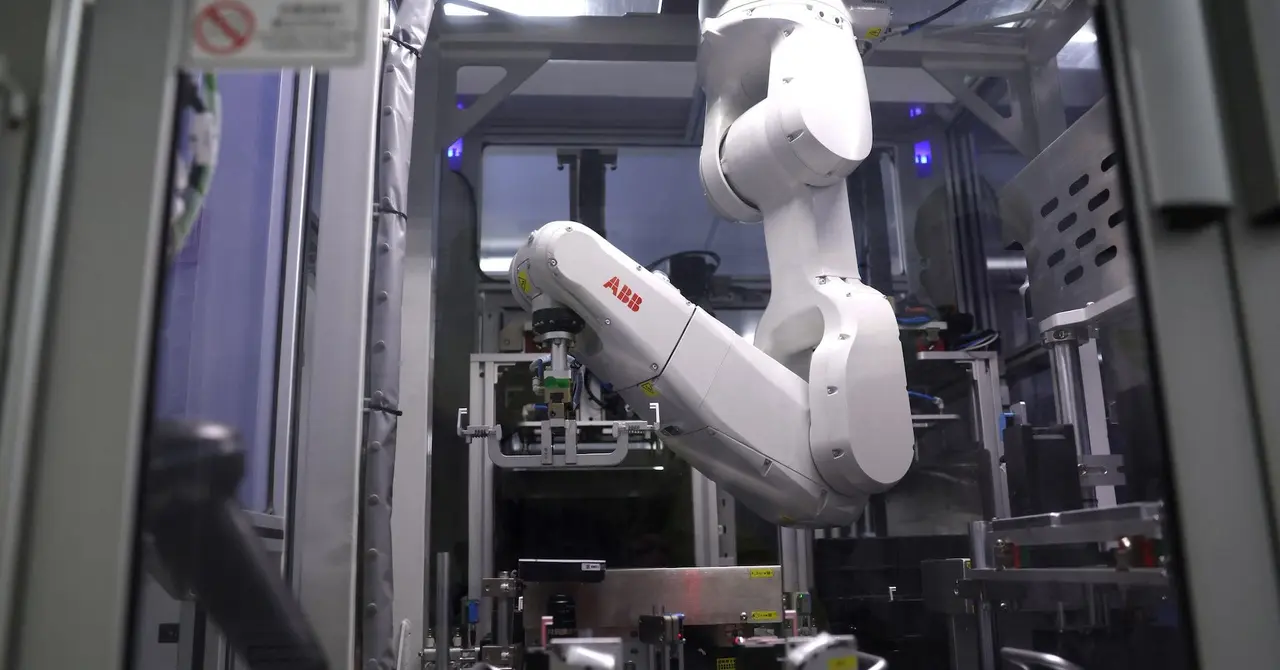
ZYT, a DJI spin-off, will demonstrate what it calls a mobility foundation model at the Beijing auto show in April
1
. Shen Shaojie describes this as a cost-saving departure from how autonomous drive systems have traditionally been built and trained. Rather than relying on dedicated modules to detect cars, pedestrians, or traffic lights, and training systems based on specific geography and traffic patterns, the ZYT model learns how to drive on its own2
. The foundation AI system was fed video from diverse sources beyond road driving—including drones, robots, household vacuum cleaners, motorcycles, and even people carrying moving cameras1
. This training approach gives it the ability to operate across vehicle types and geographies in ways conventional systems cannot, and could make it useful for controlling the movement of future autonomous robots or other devices2
.
Source: Reuters
Strategic Partnerships and Market Position
ZYT has secured partnerships with five of the six largest Chinese truck manufacturers, a group controlling more than 98% of the domestic market
1
. In January, the company announced plans for highway-based truck driving systems with three Chinese truck makers—XCMG, SHACMAN, and SINOTRUK—in the first half of this year3
. Remarkably, ZYT's AI model trained on passenger car data was adapted for heavy-duty trucks in about six weeks2
. Shen said the truck business offers a more compelling financial case than passenger cars because advanced driving systems generate immediate savings, with the ZYT system delivering low single-digit percentage savings on fuel.Ownership Changes and Global Expansion
Late last year, state-owned automaker FAW Group bought a 35.8% stake in ZYT from New Territory, a DJI-linked holding company that retains 34.85% ownership
3
. FAW now owns the largest stake in ZYT. Shen said this transaction would resolve any compliance issues for customers outside China, since the company is no longer majority owned by the drone maker1
. DJI has been operating under U.S. sanctions due to national security concerns cited by U.S. agencies2
. VW, whose China partner is FAW, was ZYT's first customer. ZYT has established an engineering and compliance presence near Volkswagen's Wolfsburg headquarters, where it has been testing a prototype from FAW's Hongqi brand on European roads3
.Related Stories

Technical Challenges and Timeline
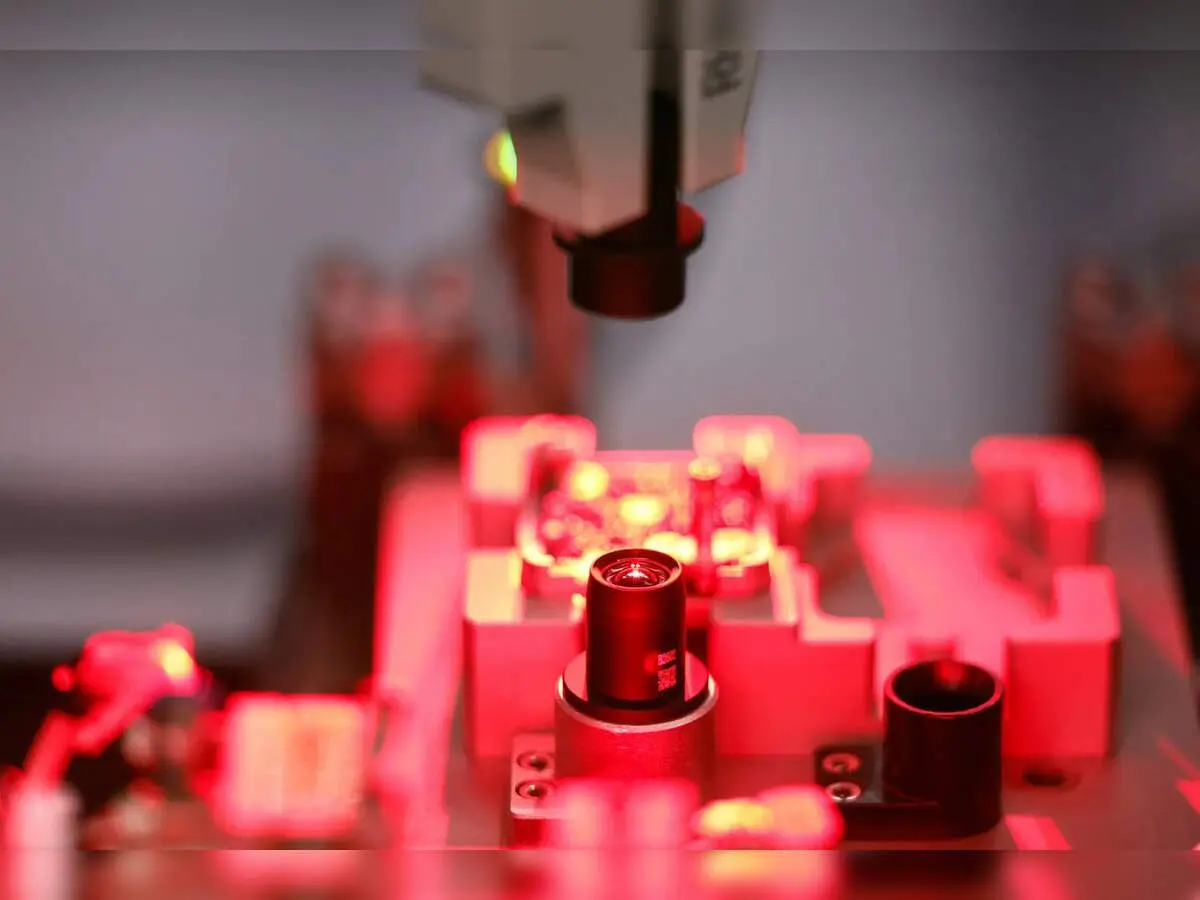
ZYT's foundation model currently runs on expensive, high-powered computing hardware found in robotaxis and prototypes, not mass-market cars
2
. The company is working to compress it to run on cheaper, mass-market chips, though Shen said this work is "still ongoing." The first passenger car to use the system is expected in 20271
.
Source: ET
ZYT is targeting a Hong Kong listing as early as 2027 as it seeks to capitalize on commercial partnerships and the recent FAW Group investment
3
. "The potential quickest is somewhere sometime 2027," Shen told Reuters2
.Competition in AI-Powered Driving
The rollout comes as China works to embed AI across its economy under Xi Jinping's push to develop "new productive forces" that counter U.S. technology restrictions
1
. It underscores fast-moving competition to develop AI-powered driving systems involving Tesla and Chinese automakers including Xpeng2
. ZYT's rivals include Huawei's smart driving unit and Momenta3
. While the technology landscape changes quickly, Shen emphasized the value of early advantages: "If you can get six months of advantage, that's already a huge thing." The United States is not on ZYT's roadmap. "We will keep ourselves away from the market at this moment," Shen said.References
Summarized by

Navi
[3]
Related Stories
Xpeng shifts to physical AI, plans robotaxi trials and humanoid robot production by 2026
09 Jan 2026•Technology
Chinese Auto and Tech Giants Challenge Tesla's Self-Driving Dominance
10 Jun 2025•Technology
Xpeng Unveils Ambitious AI Ecosystem: Robotaxis, Humanoid Robots, and Flying Cars Powered by Revolutionary VLA 2.0 Model
05 Nov 2025•Technology

Recent Highlights
1
Tennessee Teens Sue Elon Musk's xAI Over Grok AI-Generated Child Abuse Images
Policy and Regulation

2
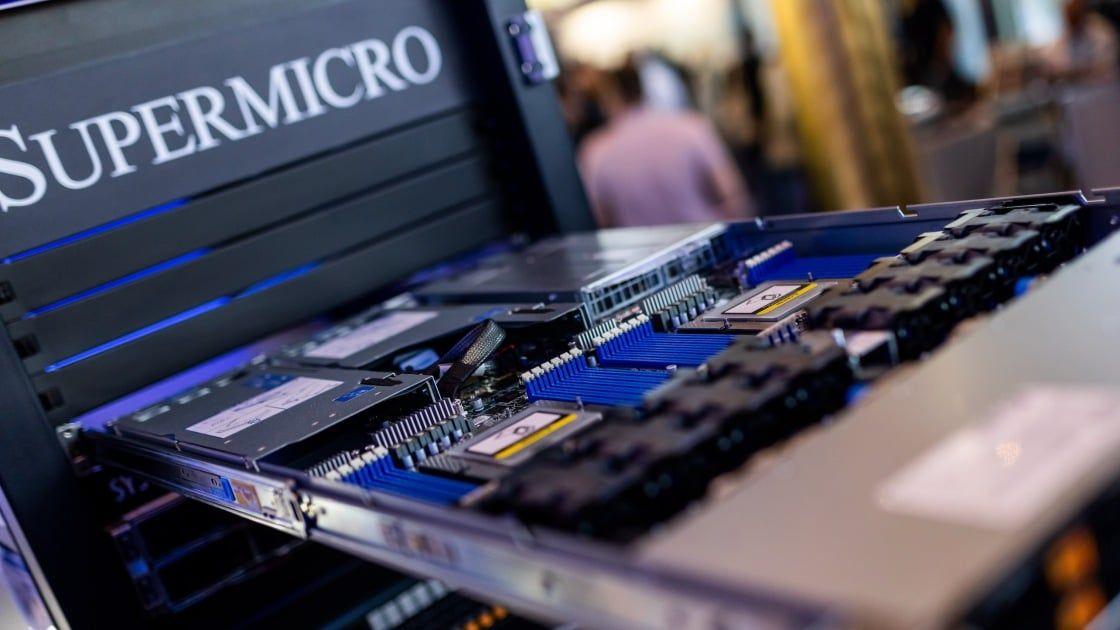
Supermicro Co-Founder Indicted in $2.5 Billion Nvidia AI Chip Smuggling Scheme to China
Policy and Regulation
3
Val Kilmer to appear posthumously in As Deep as the Grave through AI-generated performance
Entertainment and Society

Recent Highlights
Today's Top Stories









Your Daily Dose of Curated AI News
Don’t drown in AI news. We cut through the noise - filtering, ranking and summarizing the most important AI news, breakthroughs and research daily. Spend less time searching for the latest in AI and get straight to action.

