The Global Robotaxi Race: Tesla Faces Stiff Competition from Chinese and American Rivals


3 Sources
[1]
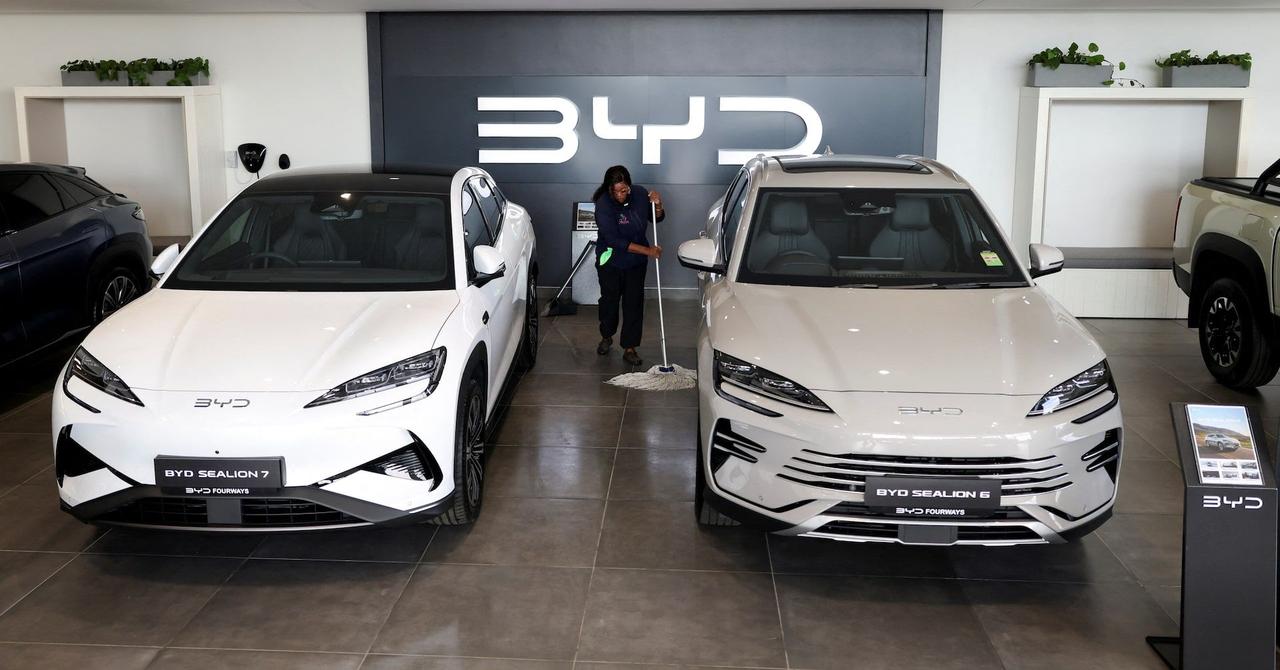
BYD has caught up with Tesla in the global EV race. Here's how.
In mid-2022, when BYD executive Lian Yubo was asked to compare Chinese manufacturing with Tesla's technology, he remarked that Elon Musk was an example that all Chinese carmakers could learn from. "Tesla is a very successful company no matter what. BYD respects Tesla and we admire Tesla," he said
[2]
China's Robotaxi Companies Are Racing Ahead of Tesla
"Tesla isn't even sitting at the (robotaxi) table yet," Lou Tiancheng, CTO of Chinese autonomous vehicle company Pony.ai, remarked during an interview in May. Last year, Wang Yunpeng, head of the autonomous driving unit at Baidu, China's search engine and AI giant, claimed Tesla was at least three
[3]
Why Hardware, Not AI, Will Define Who Gets to Deploy Robotaxis at Scale | Investing.com UK
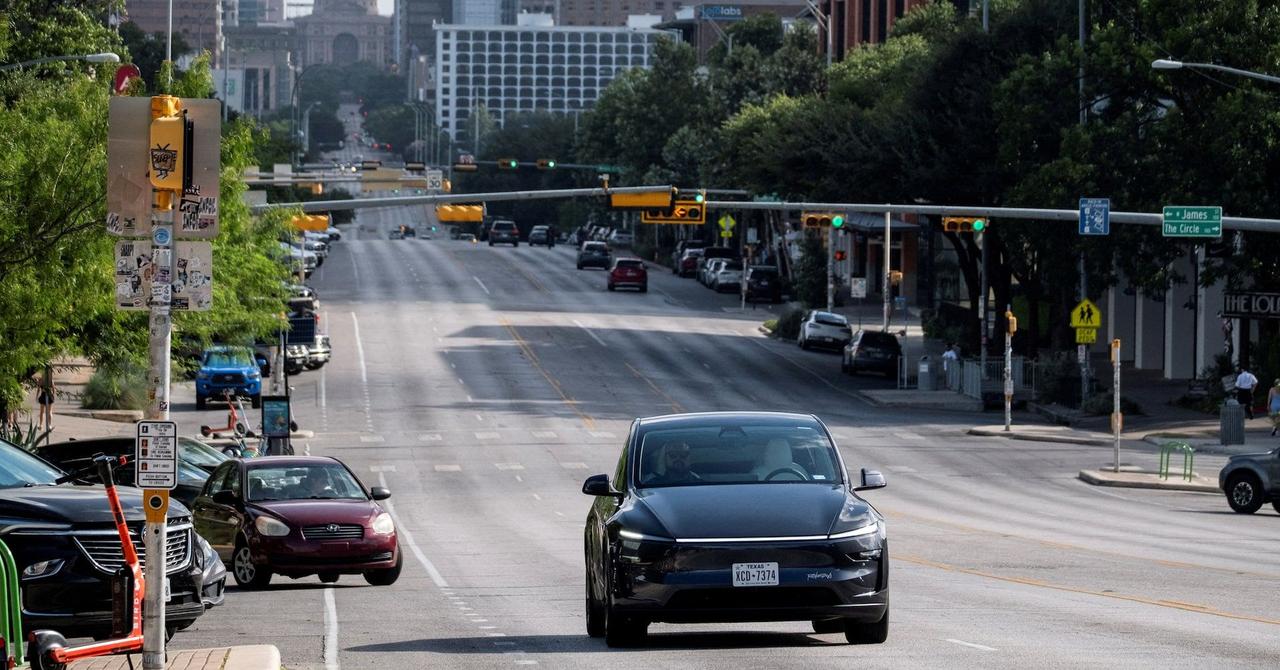
Tesla (NASDAQ:TSLA) robotaxis are now common in Austin, but frequent mishaps show the tech still lags behind Alphabet's (NASDAQ:GOOGL) safer, fully driverless Waymo, already operating in multiple US cities. After years of bold promises and missed deadlines, Tesla began commercial autonomous
Share
Copy Link
A comprehensive look at the current state of the global robotaxi industry, focusing on the competition between Tesla, Chinese companies like BYD and Baidu, and Waymo, highlighting technological advancements, market strategies, and regulatory challenges.
The Rise of Chinese EV Manufacturers
In a dramatic shift in the global electric vehicle (EV) landscape, Chinese manufacturers, particularly BYD, have caught up with Tesla in both technology and sales. BYD, once an admirer of Tesla, has now overtaken it to become the world's largest manufacturer of EVs, with annual revenues surpassing $100 billion in 2024
1
. This rapid advancement has not only challenged Tesla's dominance but also sparked panic among legacy carmakers, prompting them to partner with Chinese rivals to improve their manufacturing processes and software capabilities1
.
Source: Ars Technica
Tesla's Challenges and Strategic Pivot
Tesla, once the undisputed leader in the EV market, is now facing declining sales and a narrowing technological lead, especially in China. Elon Musk's recent assessment after visiting BYD factories acknowledged China's growing advantage in the EV race
1
. In response to these challenges, Musk has stepped down from his US government role to focus on advancing Tesla's new growth areas: autonomous vehicles, AI, robotaxi services, and a humanoid robot called Optimus1
.The Global Robotaxi Race
The competition in the robotaxi sector has intensified, with Chinese companies and Alphabet's Waymo taking the lead. Baidu, often considered the "West Point" of China's autonomous vehicle (AV) industry, operates 1,000 robotaxis in Wuhan and has expanded into international markets like Dubai and Abu Dhabi
2
. Other Chinese companies like Pony.ai and WeRide are also making significant strides, with Pony.ai aiming to scale production to 1,000 seventh-generation robotaxis by year-end2
.
Source: IEEE
Tesla's Late Entry into Robotaxis
Tesla's entry into the robotaxi market has been delayed and limited compared to its competitors. The company launched its first robotaxi service in Austin, Texas, in June 2025, with only 10-20 Model Ys operating on tightly controlled routes
3
. This cautious rollout has been met with mixed feedback, including reports of vehicles entering wrong lanes and braking abruptly, leading to an investigation by the National Highway Traffic Safety Administration (NHTSA)3
.Technological Approaches and Challenges
The robotaxi companies employ approaches. While Chinese firms and Waymo use a combination of lidar, radar, cameras, and high-definition maps, Tesla relies on a camera-only setup powered by artificial intelligence
2
3
. This difference in approach has implications for both cost and performance, with Tesla aiming for a potentially more scalable but less proven system.Related Stories


Regulatory Hurdles and Market Potential
The robotaxi industry faces significant regulatory challenges, with both China and the United States lacking nationwide laws governing autonomous vehicles. This has resulted in a fragmented patchwork of local-level policies, complicating the expansion of robotaxi services
2
. Despite these hurdles, analysts project that the autonomous ride-hailing market could generate hundreds of billions in revenue within the next decade3
.Waymo's Leadership in the US Market
While Tesla struggles to establish its robotaxi service, Waymo has built the most advanced robotaxi operation in the US. The Alphabet-owned company operates fully autonomous vehicles without safety drivers in multiple US cities, including Phoenix, San Francisco, and Los Angeles
3
. Waymo's approach, using a combination of lidar, radar, and cameras, has delivered consistent, regulator-approved performance, albeit at a higher cost than Tesla's vision-only system3
.The Future of Autonomous Vehicles and AI
The race to commercialize autonomous vehicles and integrate AI into the automotive industry is reshaping the future of transportation. Tesla's ambitious plans include expanding its robotaxi service to additional US cities and potentially allowing existing Tesla owners to add their vehicles to the robotaxi fleet via over-the-air updates
3
. However, the success of these plans remains uncertain, given the technical challenges and regulatory scrutiny faced by the company.As the competition intensifies, the outcome of this global race will likely have far-reaching implications for the automotive industry, urban transportation, and the broader technological landscape. The ability to overcome technical challenges, navigate regulatory hurdles, and scale operations efficiently will determine which companies emerge as leaders in the autonomous vehicle revolution.
References
Summarized by

Navi
[1]
Related Stories
Recent Highlights



Recent Highlights
Today's Top Stories






Don’t drown in AI news. We cut through the noise - filtering, ranking and summarizing the most important AI news, breakthroughs and research daily. Follow topics that matter to you and stay ahead.


