5 Sources
[1]
Once again players are right to suspect AI was used in a game, once again a dev apologizes for using AI in their game
1666: Amsterdam dropped a cool trailer at Summer Game Fest, and you know what happened next. One of the games that got us excited during the Summer Game Fest deluge this past weekend was 1666: Amsterdam, a long-in-development project headed up by Assassin's Creed creator Patrice Desilets. The narrative teaser, about witches, cats, and supernatural spookiness, lacked any kind of look at gameplay, but it sure set a powerful mood. And yes, as we predicted last week, it is now time to say, "Ugh, that game with the cool trailer used AI." To help get the hype machine properly cranked up, developer Panache Digital Games also released a playable prologue on Steam: A short "narrative experience" introducing the game world, characters, and mystery. It didn't take long for players to notice some telltale oddities in the game's visuals, and Panache eventually confirmed that, yup, that's AI. "A number of people have raised questions or concerns to us about whether assets in our marketing and game use generative AI," the studio wrote on Reddit. "We have a dedicated team of over a dozen talented and experienced artists. With them, we looked into the assets in question and found that there were indeed some early versions of assets that made their way into the the prologue. This includes some in-game portraits and external marketing assets. "We are actively reviewing the assets in question. Human made versions will be released in an update dropping soon. We own up to this oversight and apologize for any upset caused. Please be assured that the Early Access and full game will not include any assets generated by AI." It's a lot of words to say "Yes, we used AI to make this game," and the fact that 1666: Amsterdam won't have AI-generated assets when it releases (unless it does, I suppose) is almost irrelevant: If you use AI to help make the game, and then replace it with human-generated copies, well, AI was used in the making of your game. What I find more galling, though, is the quiet implication that the studio was shocked -- shocked! -- to find AI-generated assets in its game demo, and now they're all trying to find the guy who did this. And of course, the apology: "for any upset caused," not what caused the upset in the first place. As we said last week, this sort of thing -- AI whoopsies like this one, and also AI disclosures for new games on Steam -- is inevitably going to become more common, particularly during big extravaganzas like Summer Game Fest when new games are rolled out by the truckload. Gamers rage against it, developers apologize, and then they keep doing it anyway, leaving us to play AI detective with every new trailer, and in many cases to decide just how much of it we're prepared to live with. 1666: Amsterdam really does look cool -- is the use of generative AI in its development disqualifying? For myself, I don't think so. But as a matter of principle, I take issue with the use of generative AI in place of what is supposed to be an artistic undertaking -- and as cool as 1666: Amsterdam looks, this admission has really diminished my enthusiasm for it.
[2]
New Game From Assassin's Creed Creator Faces Backlash Over AI Assets
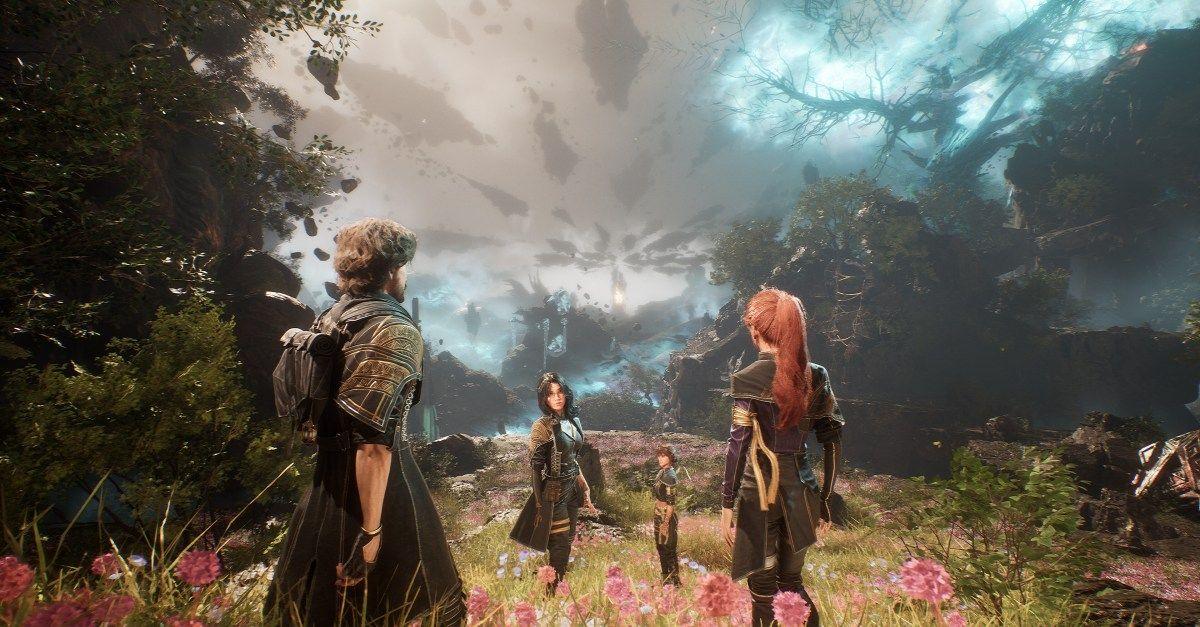
Panache Digital Games said AI assets would be removed in a future update 1666: Amsterdam, the new action-adventure title from Assassin's Creed co-creator Patrice Désilets, was revealed at Summer Game Fest last week. Just days after the announcement, however, the game has run into an AI controversy. After several users accused developer Panache Digital Games of using AI-generated assets in 1666 Amsterdam, the studio has acknowledged the concerns and apologised, promising no AI-created assets in the final game. The generative AI assets in question were spotted in the game's key art, as well as the free 30-minute playable prologue section available on Steam and Epic Games Store. Following backlash from players, Montreal-based Panache Digital Games, founded by Désilets in 2014 after he left Ubisoft, admitted that early versions of some assets made using generative AI, had slipped into the game's playable prologue demo. "A number of people have raised questions or concerns to us about whether assets in our marketing and game use generative AI," the studio said via its X account on Wednesday. "We have a dedicated team of over a dozen talented and experienced artists. With them, we looked into the assets in question and found that there were indeed some early versions of assets that made their way into the prologue. This includes some in-game portraits and external marketing assets." Panache said the assets were under review and would be replaced by human-made versions in a future update "soon". "We own up to this oversight and apologize for any upset caused. Please be assured that the Early Access and full game will not include any assets generated by AI," the studio added. 1666 Amsterdam is a third-person story-driven action-adventure title set in -- you guessed it -- Amsterdam in the year 1666. The game follows the story of Noa Brooklyn, a Collector who wields witchcraft to uncover demonic entities amidst humas. 1666 Amsterdam features distinct day and night experiences, allowing you to investigate and explore the city and uncover its demonic secrets. The game will release in early access on PC in 2026, with console versions coming later. The playable prologue demo, which introduces the world, characters, and the central themes of 1666: Amsterdam, is live right now on Steam and Epic Games Store. Crazy Taxi, Tomb Raider Face Backlash for AI Use 1666 Amsterdam is not the only game revealed this past week to be mired in an AI controversy. Sega's Crazy Taxi: World Tour was revealed at Xbox Games Showcase on June 7 and quickly faced backlash after the game's Steam page came with an AI generated content disclosure. Sega said it utilised generative AI as a support tool for developers allowing them to focus more on creative tasks. "We have used such generative AI support tools during development of Crazy Taxi: World Tour. No AI was used in reference to the performers in the game," the studio clarified in the AI disclosure section of the game's Steam page. The same story played out in the case of Crystal Dynamics' Tomb Raider: Legacy of Atlantis, which got a new trailer and release date confirmation at Sony's State of Play event last week. The game's Steam page confirmed AI-assisted tools were used during development. Develpers Crystal Dynamics Flying Wild Hog said AI-made assets were later either replaced or refined by humans to maintain the creative and artistic vision of the development team. Following backlash, Crystal Dynamics assured players that the final product would be "human-crafted". "At Crystal Dynamics, we leverage AI tools to help our teams iterate on ideas faster and more efficiently, while ensuring that all finished content in the final product is human-crafted," the studio said in a statement. "Our goal is to empower the creativity and flexibility of our developers to deliver the highest-quality experiences for players everywhere."
[3]
1666 Amsterdam dev apologizes for AI in prologue demo, says "full game will not include any assets generated by AI"
"We own up to this oversight and apologize for any upset caused" Panache Digital Games, the studio led by OG Assassin's Creed director Patrice Desilets, has apologized for letting AI-generated assets slip into the prologue demo for its upcoming action-adventure game, 1666: Amsterdam. When 1666: Amsterdam resurfaced at this year's Summer Game Fest with a horror-tinged trailer full of witchy themes and black cats, I'll freely admit I was transfixed in the best way. I'm a simple man: give me an alternative take on a historical city, throw in some black magic and ritualistic sacrifice, and I'm all yours. Well, I suppose that's actually incredibly niche, but that's not the point. Point is, I was really excited about 1666: Amsterdam for all of one week, and I still am to a degree, but unfortunately the demo released for SGF hasn't been received well at all, partly due to suspicions of AI-generated content which have now been confirmed by Panache itself. "A number of people have raised questions or concerns to us about whether assets in our marketing and game use generative AI," the studio says in a social media statement. "We have a dedicated team of over a dozen talented and experienced artists. With them, we looked into the assets in question and found that there were indeed some early versions of assets that made their way into the the prologue. This includes some in-game portraits and external marketing assets." Watching a big games showcase in 2026, especially as a journalist or anyone who doesn't like AI in games, now carries a burden of responsibility in spotting anything that looks like it might hail from AI's very distinct uncanny valley. Over the course of last week's big event, highly anticipated games like Crazy Taxi: World Tour and Kingdom Hearts 4 swiftly became clouded in controversy due to blatant use of gen-AI, all thanks to vigilant onlookers. In Panache's case, the studio says it was a simple mistake and vows to update the demo "soon" with "human made versions," adding that "the Early Access and full game will not inlcude any assets generated by AI." "We own up to this oversight and apologize for any upset caused," it says. Unfortunately, the damage is done for some fans, with many commenters refusing to accept the studio's apology and claiming it knew full well the demo had AI-generated assets and is only apologizing because it got called out. Until there's proof of that, I'm inclined to give Panache the benefit of the doubt, even though I'll inevitably watch everything that comes from the studio with a heightened alertness for the sort of garbage that ended up in the 1666: Amsterdam demo. After all, Larian freely admitted to using gen-AI for concept art in the new Divinity game before pulling a 360 and pledging not to do that at all, and I'm still plenty excited for that project in large part because the studio was willing to fess up and reverse course on AI. That said, everyone has a different threshold for forgiveness, and it's valid to feel soured on an entire project when it involves generative AI to any degree. Now that the dust has settled, here are the best Summer Game Fest trailers we saw all week.
[4]
1666: Amsterdam developers respond to genAI controversy
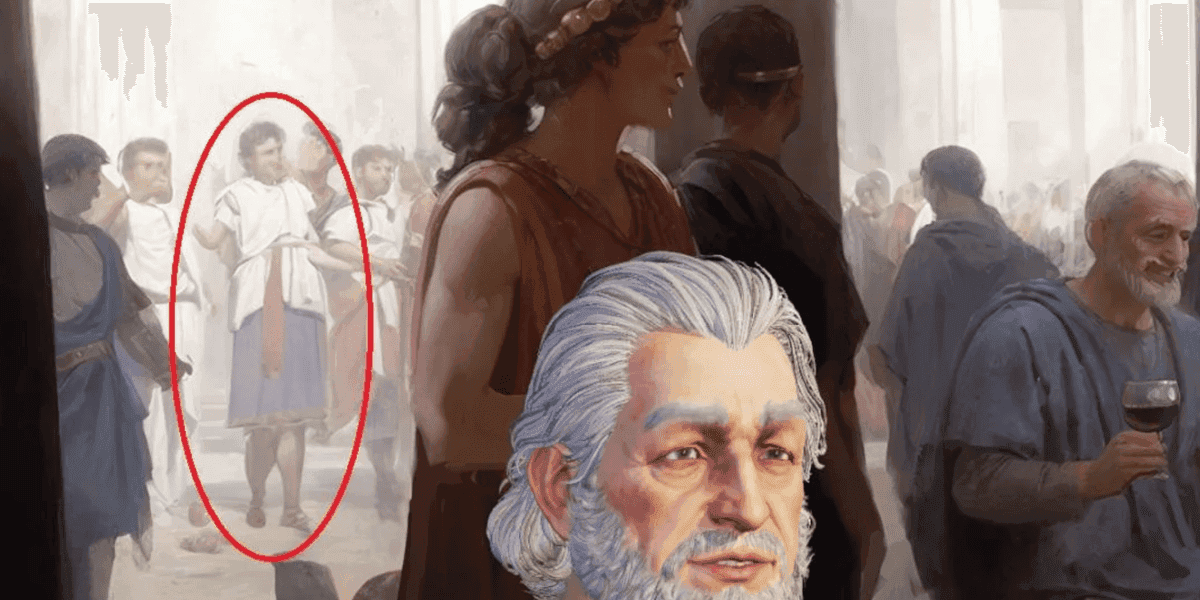
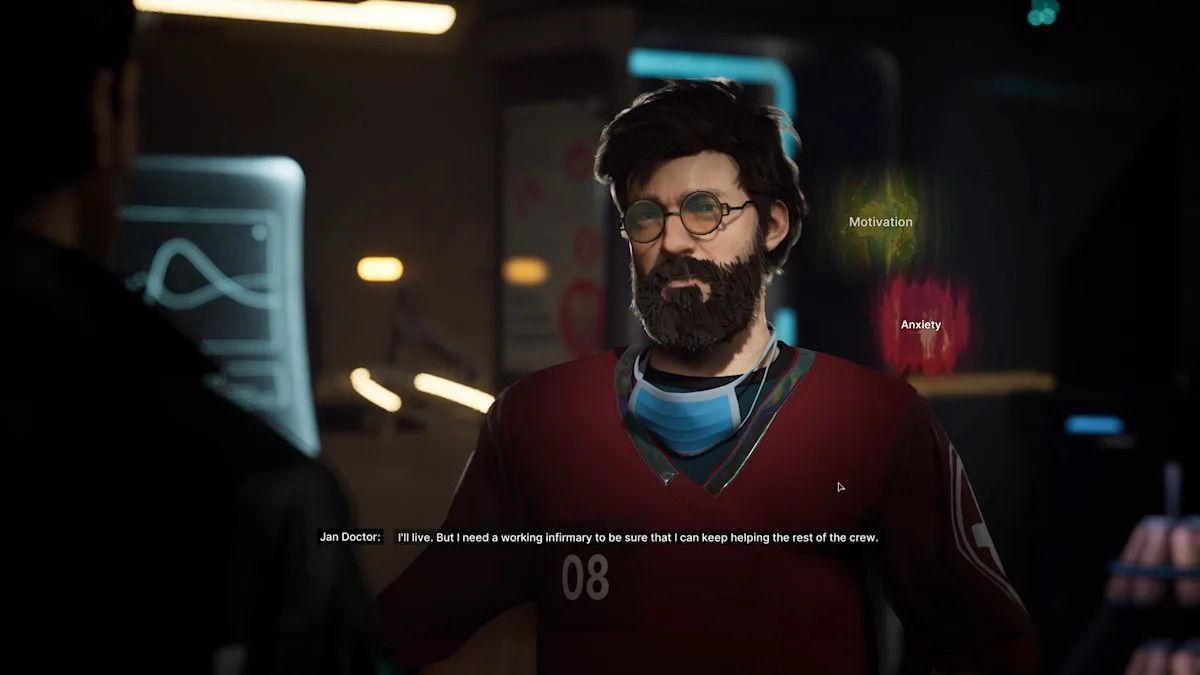
Players discovered AI-generated assets in the prologue, and in the game's external marketing images. Panache Digital Games, the developer creating 1666: Amsterdam, has responded following players of the prologue and online commentators discovering what appeared to be AI-generated assets used within the game and to market it. A man with far too many buttons on his jacket, stacked vegetables that looked extremely odd. It was clear for a few keen-eyed gamers that not everything was human-made at this stage. The developer has admitted as much, saying in a new post on social media that the genAI assets are just "early versions," and that human-made assets are going to replace them soon enough. "We have a dedicated team of over a dozen talented and experienced artists. With them, we looked into the assets in question and found that there were indeed some early versions of assets that made their way into the the prologue. This includes some in-game portraits and external marketing assets," Panache said. "We are actively reviewing the assets in question. Human made versions will be released in an update dropping soon. We own up to this oversight and apologize for any upset caused. Please be assured that the Early Access and full game will not include any assets generated by AI," continues the post. We've seen similar situations happen before, even with beloved games like Clair Obscur: Expedition 33 and ARC Raiders admitting to using AI in "early" assets that end up in a full release. The use of AI is seen as a new norm these days, but many still won't accept its inclusion, and will outright refuse to buy a game with it in.
[5]
'We Own Up to This Oversight and Apologize for Any Upset Caused': 1666: Amsterdam Developer Admits Using AI Assets, Says They'll Now Be Replaced
The developer of 1666: Amsterdam has apologized for its use of AI assets in the game's playable prologue, which is available now on PC. In a statement posted to X/Twitter, the studio acknowledged "concerns" had been raised by those who had played the 30-minute experience and spotted in-game art that appeared AI-generated. Panache Digital Games, which previously made ape survival game Ancestors: The Humankind Odyssey, announced 1666: Amsterdam last week during the Summer Games Fest livestream. It's a concept that Panache founder Patrice Désilets devised years ago following his acrimonious exit from Ubisoft, where he co-created Assassin's Creed. The statement admits that Panache's team of artists used AI to generate "early versions of assets," which will now be replaced for the game's full version. It's unclear if these were always set to be replaced, or are simply being changed due to backlash. "A number of people have raised questions or concerns to us about whether assets in our marketing and game use generative AI," Panache wrote. "We have a dedicated team of over a dozen talented and experienced artists. With them, we looked into the assets in question and found that there were indeed some early versions of assets that made their way into the the prologue. This includes some in-game portraits and external marketing assets. "We are actively reviewing the assets in question. Human made versions will be released in an update dropping soon. We own up to this oversight and apologize for any upset caused. Please be assured that the Early Access and full game will not include any assets generated by AI." The 1666: Amsterdam Prologue is available now for free via Epic Games Store and Steam, where it sits with a 'Mixed' user review rating. "They use gen AI in many places," reads one user review. "Pictures inside the game, assets and even the promo key art is generated. I'm de-wishlisting it and ignoring the company." Said another: "about AI, it's not hard to hire an artist to do concept art, or in-game assets. The game has cut corners and in its current state and I cannot recommend it." Others have praised the prologue's atmosphere and Assassin's Creed 2-like vibes, while some have criticised its technical performance. Still, it is early days -- with an early access release due at some point later this year, before plans for a full launch at a later date. Tom Phillips is IGN's News Editor. You can reach Tom at [email protected] or find him on Bluesky @tomphillipseg.bsky.social
Share
Copy Link
Panache Digital Games confirmed AI-generated assets made it into the 1666: Amsterdam prologue demo after players spotted telltale oddities. The studio, led by Assassin's Creed creator Patrice Desilets, apologized and promised to replace the AI content with human-made versions, joining a growing list of games caught in AI controversies during Summer Game Fest.
Just days after its reveal at Summer Game Fest, 1666: Amsterdam has become the latest game to face an AI controversy. The action-adventure title from Assassin's Creed co-creator Patrice Desilets caught attention with its witchy, supernatural trailer, but the free 30-minute prologue demo released on Steam and Epic Games Store quickly drew scrutiny
1
. Players noticed telltale oddities in the game's visuals, including in-game portraits and external marketing assets that displayed the distinctive characteristics of generative AI creation4
. A man with far too many buttons on his jacket and strangely stacked vegetables were among the visual anomalies that caught keen-eyed gamers' attention.

Source: GamesRadar
Facing mounting player backlash, Montreal-based Panache Digital Games acknowledged the concerns in a statement posted on social media. "We have a dedicated team of over a dozen talented and experienced artists. With them, we looked into the assets in question and found that there were indeed some early versions of assets that made their way into the prologue," the studio wrote
2
. The developer apologizes for using AI and confirmed that these AI-generated assets appeared in both in-game portraits and external marketing materials. Panache promised to actively review the problematic content and release human-made versions in an update "dropping soon," assuring players that "the Early Access and full game will not include any assets generated by AI"5
.The backlash over AI assets in 1666: Amsterdam reflects a broader trend emerging from last week's game announcements. The title joins Sega's Crazy Taxi: World Tour and Crystal Dynamics' Tomb Raider: Legacy of Atlantis in facing AI controversy following their Summer Game Fest reveals
2
. Crazy Taxi's Steam page included an AI-generated content disclosure stating the studio used generative AI as a support tool for developers. Crystal Dynamics similarly confirmed AI-assisted tools were used during game development, though the studio later assured players the final product would be "human-crafted." Even beloved studios like Larian admitted to using generative AI for concept art in the new Divinity game before reversing course entirely3
.
Source: GameReactor
Related Stories
The 1666: Amsterdam prologue currently sits with a 'Mixed' user review rating on Steam, with many players citing the AI usage as their primary concern. "They use gen AI in many places. Pictures inside the game, assets and even the promo key art is generated. I'm de-wishlisting it and ignoring the company," reads one user review
5
. The player backlash extends beyond simple disappointment, with many commenters refusing to accept the studio's apology and claiming Panache knew full well the demo contained AI content and only apologized after getting called out3
. The controversy has diminished enthusiasm for what many considered one of the more intriguing reveals from the showcase.Watching major game showcases now carries a burden of responsibility for journalists and players who oppose AI in games, requiring vigilance in spotting content from AI's distinct uncanny valley
3
. The use of AI to replace what should be artistic endeavors raises fundamental questions about game development practices. Even if studios replace AI assets with human-made versions before final release, the fact remains that AI was used in making the game1
. This pattern is becoming increasingly common during major gaming events, leaving players to decide how much AI usage they're prepared to accept in their games. With 1666: Amsterdam set for early access on PC in 2026, followed by console versions later, the studio faces the challenge of rebuilding trust with a community that views AI usage as cutting corners rather than supporting creativity.
Source: Gadgets 360
Summarized by
Navi
[3]
[4]
16 Nov 2025•Entertainment and Society

30 Jun 2025•Technology

20 Mar 2026•Entertainment and Society

1
Technology

2
Business and Economy

3
Health