A pledge to green AI launched at the climate summit with almost none of the big emitters on board


6 Sources
[1]
Can AI actually help the climate? Nations want to harness the technology to cut emissions
Ten countries including Germany and Brazil at the COP31 climate summit in Antalya, Turkey, have pledged to do more to limit the greenhouse-gas emissions produced by the rapid development of artificial intelligence -- and to use the technology to cut emissions elsewhere. "The pledge brings together
[2]
Just nine countries back pledge to tackle AI's environmental footprint | New Scientist
Turkey, which is co-hosting the COP31 climate summit, hoped countries would back efforts to rein in the carbon emissions of the AI build-out, but few were prepared to endorse the pledge Only nine countries have signed an international pledge to make AI greener, despite warnings at the COP31
[3]
COP31 AI pledge fails to lure US Big Tech
ANTALYA, Turkey, Nov 17 (Reuters) - China's Alibaba (9988.HK), opens new tab is the only big tech company so far to have signed a UN-backed promise to reduce the environmental impact of artificial intelligence, as major US companies have stayed away. The Antalya AI Pledge, launched on Monday by
[4]
U.S., China and EU fail to endorse pledge to curb AI climate harms at COP31
Antalya, Turkey - The U.N.'s climate chief highlighted the "great potential and great peril" of artificial intelligence in the battle against global warming on Monday as COP31 host Turkey launched an initiative aimed at tackling the issue. Named after the Turkish Mediterranean city hosting the
[5]

COP31 AI pledge fails to lure US Big Tech
The International Telecommunication Union said it was engaging major technology companies and would keep the pledge open for signatures until COP32 at the end of next year. ANTALYA, Turkey -- China's Alibaba is the only big tech company so far to have signed a UN-backed promise to reduce the
[6]

COP31 AI pledge fails to lure US Big Tech
ANTALYA, Turkey, Nov 17 (Reuters) - China's Alibaba is the only big tech company so far to have signed a UN-backed promise to reduce the environmental impact of artificial intelligence, as major US companies have stayed away. The Antalya AI Pledge, launched on Monday by Turkey, the host of COP31
Share
Copy Link
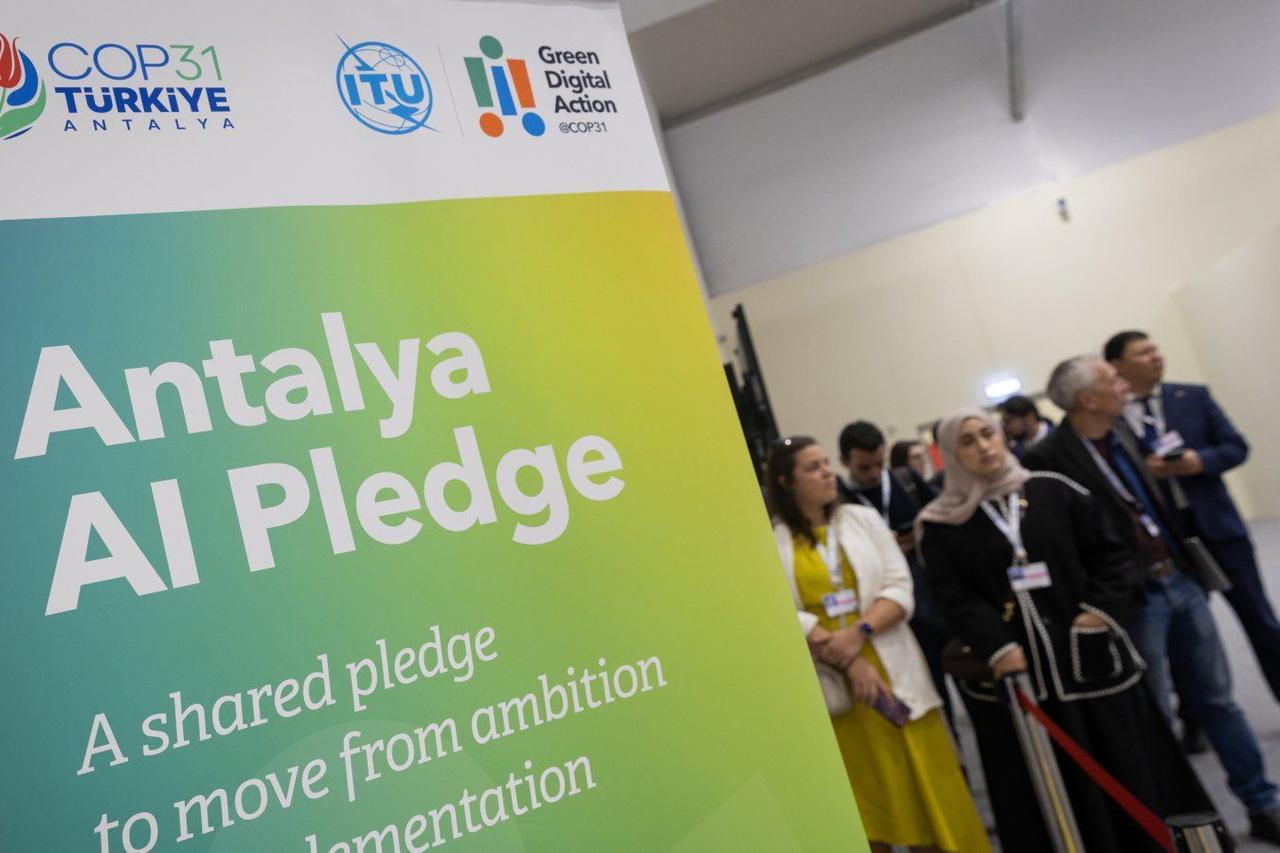
The Antalya AI Pledge, launched at this year's global climate summit, aims to cut AI's climate footprint. Nine countries and Alibaba signed; the US hyperscalers did not.
Turkey launched a United Nations-backed pledge at this year's global climate summit in Antalya to curb the environmental cost of AI, and almost nobody who matters to that goal has signed it. Nine countries had endorsed the Antalya AI Pledge at its 16 November launch, Germany had merely said it would sign, and Alibaba is the only major technology company to have signed so far
4
3
.
Source: New Scientist
Who signed, and who didn't
They are Andorra, Brazil, Colombia, Luxembourg, Sierra Leone, Somalia, South Korea, Turkey and Uganda, with Germany having said it would sign but not yet listed
2
3
. Beyond states, roughly 80 to 90 organizations had endorsed the pledge at launch, depending on the count, mostly companies and civil-society groups1
6
.The absent firms are hardly minor players. A report released on Monday found that the United States' more than 400 large data centres emit roughly as much carbon dioxide as Denmark
4
3
. Meta, Microsoft, Google and Nvidia did not answer queries about the pledge, and Amazon declined to comment3
. The US government has stayed away from United Nations climate talks for a second year since President Trump withdrew from the process, and he has championed both AI expansion and continued fossil-fuel use3
.
Source: Nature
What the pledge asks
The pledge, developed with the United Nations' telecoms agency, the International Telecommunication Union, is voluntary and carries no binding emissions or energy targets
1
3
. It sets out four areas of action: clean energy for AI infrastructure, energy and water efficiency, measuring AI's environmental impacts, and helping developing countries use AI for climate work. Signatories will report progress yearly, with reviews at United Nations climate summits until 2030, starting at the next summit1
2
.The urgency comes from how fast AI's power appetite is growing. The International Energy Agency reports that electricity use by AI-focused data centres rose 50% in 2025, and BloombergNEF projects it could quadruple over the next decade
1
2
. A United Nations study found data centres used more electricity than all but ten countries in 20254
.Turkey's industry minister, Mehmet Fatih Kacır, said the pledge has to cut AI's environmental footprint while expanding what AI can contribute to climate action
1
.Related Stories

The greenwashing critique
Jill McArdle of Beyond Fossil Fuels said the pledge "risks giving Big Tech a green stamp without requiring it to address the real climate impacts of its infrastructure"
1
. One analyst, Ketan Joshi, argues the pledge's low- and zero-emission energy wording allows continued reliance on fossil gas2
. "Voluntary standards alone are not enough," said Julie Cerqueira of the Natural Resources Defense Council6
.Campaigners said it would take mandatory rules and the participation of the US hyperscalers for the pledge to work
3
. Amazon pointed instead to its own target of cutting the carbon intensity of its electricity by 65% by 20303
.The agency will keep recruiting signatories until the next global climate summit at the end of next year, and its deputy secretary-general pushed back on the thin launch numbers. "Eighty is not a limit. I think it's about creating momentum ... We'll be working with others to come on board as well," said Tomas Lamanauskas
4
.
Source: Korea Times
References
Summarized by

Navi
[2]
[3]
[5]
Related Stories
Turkey Introduces Antalya AI Pledge at COP31 to Address AI and Climate Change Tensions
29 Oct 2026•Policy and Regulation

Turkey Tackles AI Climate Footprint as Priority for COP31 Summit in Antalya
21 Sept 2026•Policy and Regulation
Big Tech Signs Pledge to Pay AI Data Center Energy Costs, But Will It Protect Consumers?
04 Mar 2026•Policy and Regulation
Recent Highlights


Recent Highlights
Today's Top Stories





Don’t drown in AI news. We cut through the noise - filtering, ranking and summarizing the most important AI news, breakthroughs and research daily. Follow topics that matter to you and stay ahead.


