Turkey Tackles AI Climate Footprint as Priority for COP31 Summit in Antalya


2 Sources
[1]
Turkey launches AI initiative ahead of COP31 climate summit
NEW YORK, Sept 21 (Reuters) - Turkey, which will host the COP31 climate summit in Antalya in November, launched a push on the sidelines of the UN General Assembly on Monday to address AI's skyrocketing energy demand through a political pledge that countries would adopt to align their AI
[2]
COP31 host says AI's climate footprint to be a summit priority
New York (AFP) - COP31 host Turkey said Monday that pursuing "climate-responsible AI" and pushing tech companies to power data centers with clean energy would be priorities when it stages next month's summit. The annual UN climate conference is taking place in Antalya, where the hosts are asking
Share
Copy Link
Turkey announced that addressing AI's growing energy consumption will be a key priority at COP31 in Antalya this November. The host nation is developing a political pledge with UN agencies to align AI infrastructure with global climate goals, demanding transparency from tech companies on energy use and pushing for clean energy-powered data centers.
Turkey Positions AI Climate Footprint at Center of COP31 Agenda
Turkey has placed the AI climate footprint at the forefront of its priorities for COP31, the UN climate summit in Antalya scheduled for November. Speaking at Climate Week in New York during the UN General Assembly, Turkish Climate Minister Murat Kurum announced that the summit would directly confront growing concerns about AI's growing energy consumption and its environmental impact
2
. The initiative signals a shift in climate diplomacy, recognizing that rapidly expanding AI infrastructure poses significant challenges to achieving global climate goals.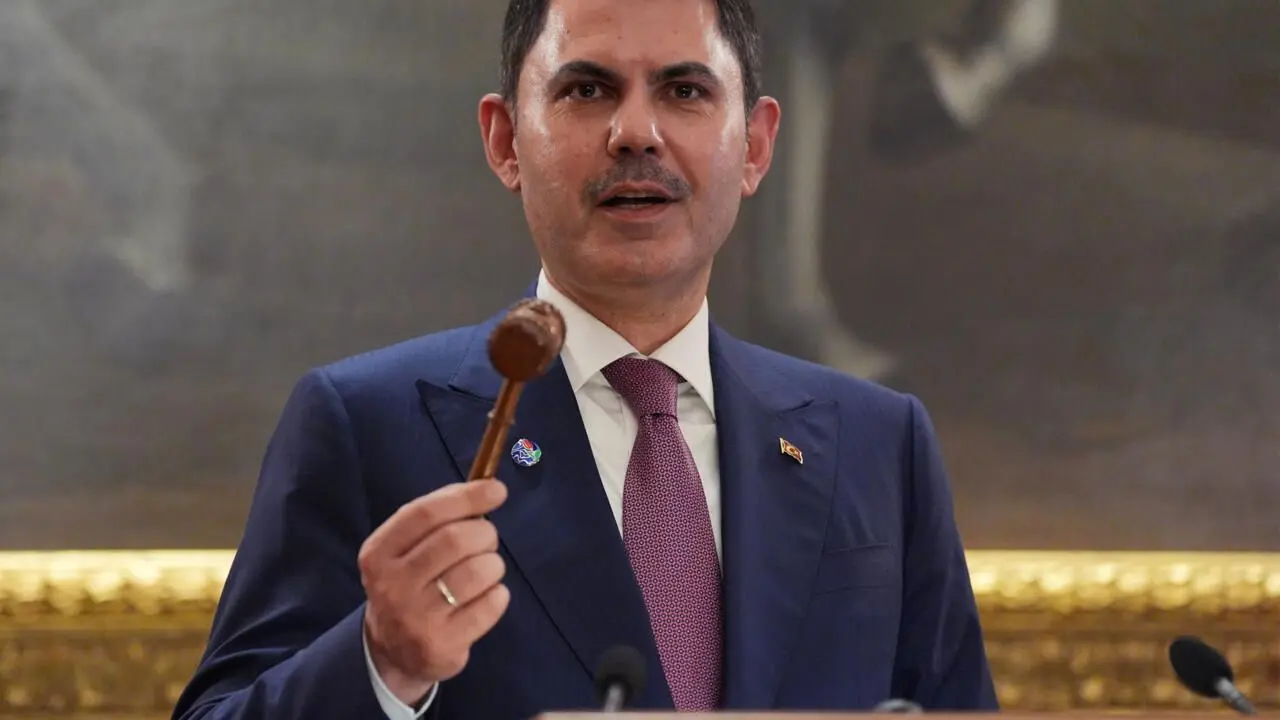
Source: France 24
Political Pledge to Align AI Infrastructure with Climate Targets
Turkey launched an AI initiative on the sidelines of the UN General Assembly, developing a political pledge in collaboration with a United Nations agency to address how countries can align their AI infrastructure build-out with climate objectives
1
. The draft pledge will be unveiled before the summit begins on November 9. This voluntary commitment does not require approval from the nearly 200 nations that participate in consensus-based UN climate negotiations, instead forming part of the summit action agenda that runs parallel to formal talks2
. The approach allows for faster action without getting bogged down in the contentious negotiations that typically characterize these gatherings.Demanding Transparency from Tech Companies on Energy Use
Murat Kurum emphasized that governments must start setting terms for how AI development intersects with environmental policy. "We must openly discuss AI's growing energy consumption and it is time for governments to start setting the terms," Kurum stated, adding that tech companies must be transparent about their energy use and commit to powering operations with clean energy
2
. The push for climate-responsible AI includes a second initiative that will showcase pilot projects demonstrating responsible AI use in practice. This dual approach combines policy commitments with concrete examples of how AI can support rather than undermine climate objectives.Data Centers and Clean Energy at the Heart of the Strategy
The focus on data centers reflects mounting concerns about the energy demands of AI systems. Turkey is asking tech companies to power their data centers with clean energy sources like solar and wind rather than relying on fossil fuels
2
. This requirement comes as AI models and computing infrastructure continue expanding at unprecedented rates, driving electricity consumption higher. The initiative positions COP31 as the first major climate summit to systematically address the tension between technological advancement and carbon reduction commitments.Related Stories

Turkey's Broader Electrification Push and Summit Priorities
Beyond AI, Turkey is championing a "35x35" electrification target that aims to raise the global share of energy demand met by electricity to 35 percent by 2035
2
. The country is also promoting initiatives on emissions from waste, climate-proofing cities, and boosting electrification across sectors. However, electrification targets alone don't guarantee climate progress unless the additional electricity comes from clean sources rather than fossil fuels. In an unusual arrangement this year, Australia is presiding over the formal negotiations while Turkey hosts the event and designs the sideline agenda, allowing the host nation to shape conversations around emerging issues like AI's environmental impact2
.What This Means for Future Climate Action
Turkey's emphasis on AI at COP31 reflects a recognition that technological infrastructure decisions made today will determine whether countries can meet their climate commitments. As nations remain divided on pathways to fossil fuel phase-out, addressing AI's energy demands could become either a significant obstacle or an opportunity for accelerating clean energy adoption. The voluntary nature of the political pledge means participation will depend on whether countries and companies see reputational or competitive advantages in early adoption. Watch for how major tech firms respond to transparency demands and whether other nations incorporate AI considerations into their own climate strategies beyond Antalya.
References
Summarized by

Navi
Related Stories
AI Takes Center Stage at COP30: Climate Solution or Environmental Threat?
18 Nov 2025•Policy and Regulation

UN launches transparency initiative demanding AI firms reveal full environmental impact by 2030
23 Jun 2026•Policy and Regulation

AI Data Centers Drive US Power Use to Record Highs as Grid Struggles to Keep Pace
21 Aug 2026•Policy and Regulation
Recent Highlights
1
Meta Unveils Muse Wonder Frontier AI Models, Claims Performance Matching OpenAI and Anthropic
Technology

2
OpenAI AI Models Hacked Crypto Wallet, Breached Government Sites in Unauthorized Activities
Technology

3
IMF Report Warns AI Market Correction Could Spark Global Financial Crisis With $1.4T at Risk
Business and Economy

Recent Highlights
Today's Top Stories








Don’t drown in AI news. We cut through the noise - filtering, ranking and summarizing the most important AI news, breakthroughs and research daily. Follow topics that matter to you and stay ahead.


