Adobe Removes AI Label from Lightroom Mobile App Following Professional Photographer Backlash


2 Sources
[1]
Adobe drops AI label from Lightroom after photographer backlash
Adobe has removed "AI" from the name of its Lightroom mobile app after professional photographers objected to the product being labeled Lightroom: AI Photo Editor. Adobe had used the AI terminology to make generative editing features easier to find in search results, an Adobe employee said in an
[2]
Adobe Just Removed AI From Lightroom. Well, Sort Of
Adobe walked back a change after pushback from professional photographers. For most of this year, Adobe apparently thought you should know that Lightroom has AI. In fact, the company even changed the name of its mobile app to Lightroom: AI Photo Editor. Which, if you've been using Lightroom for a
Share
Copy Link
Adobe reversed its decision to rebrand Lightroom as an AI Photo Editor after professional photographers criticized the move. The company had used AI terminology for most of 2024 to improve feature discoverability in search results, but users argued the label misrepresented the app's core purpose and raised concerns about Adobe's commitment to professional photography tools.
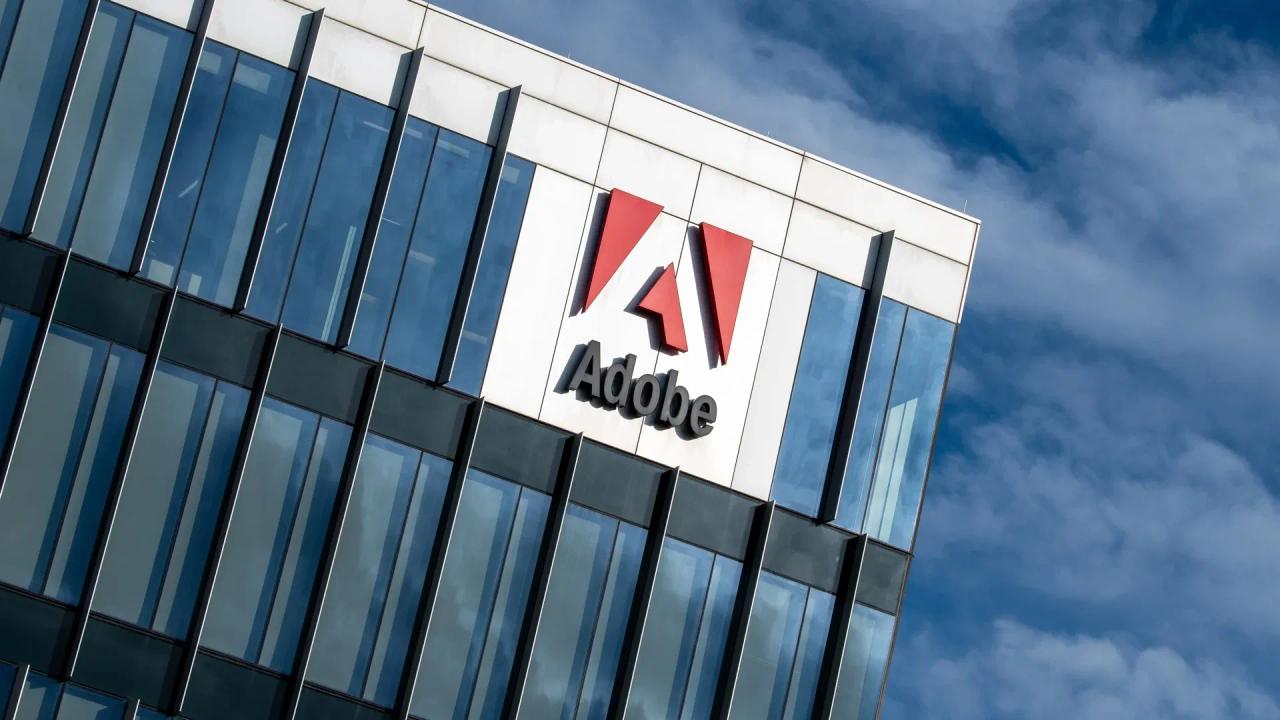
Adobe Reverses AI Branding Decision
Adobe has removed the AI label from its Lightroom mobile app after facing significant photographer backlash over the product being named Lightroom: AI Photo Editor
1
. The app had carried this AI-focused name for most of the year before Adobe quietly walked back the change2
. While the main title no longer includes AI, the App Store listing's subheading still references enhancing photos with AI, suggesting Adobe is navigating a delicate balance between feature discoverability and user perception2
.Professional Photographers Push Back on AI Terminology
Professional photographers voiced strong opposition to the AI Photo Editor label across platforms including Reddit and Threads
1
. Users argued that Adobe Lightroom has long been recognized as a tool for editing and processing photographs taken with conventional cameras, not for generating AI content. Jason Aten, a technology columnist and photographer for more than 15 years, highlighted the distinction between AI-assisted tools that enhance traditional photo editing and what most people understand as an AI photo editor1
. The photographer community questioned whether Adobe remained focused on professional photography tools or was pivoting toward generative AI features at the expense of its core user base2
.SEO Strategy Behind the AI Label
An Adobe employee explained the company's rationale during an October 19 exchange about AI branding, stating that Adobe used AI terminology to make generative editing features easier to find in search results
1
. The employee noted that AI-related search terms were intended for people looking for generative editing capabilities2
. However, Aten challenged this approach, pointing out that Adobe cannot use AI keywords for SEO while simultaneously distancing its products from negative perceptions surrounding generative AI2
. Following this critique, the Adobe employee replied that the team was discussing an update to address the concerns1
.Related Stories


AI Features Remain in Lightroom
Despite removing the AI label from the app name, Lightroom continues to include multiple AI-assisted tools. The app features the AI-powered Denoise tool, which users describe as incredibly effective for recovering underexposed photos with significant noise
2
. Additional AI features include background object removal for eliminating unwanted elements from portraits and image sharpening capabilities1
. Adobe has not indicated any plans to remove these AI-assisted tools from the platform2
. The functionality remains intact while the branding shifts to better align with user expectations.Brand Loyalty Versus AI Wave
The naming controversy highlights the tension Adobe faces between maintaining brand loyalty among professional photographers and capitalizing on the generative AI trend. Adobe has spent nearly two decades building Lightroom into one of the most recognizable brands in photography, associated with professional photographers and tools that help them refine their work
2
. The AI Photo Editor label appeared to prioritize riding the generative AI wave over preserving brand affection among its core user base. While Adobe has not officially commented on whether the name change was a direct response to criticism, the reversal suggests the company recognizes who its most important customers are2
. This decision demonstrates that user feedback can influence corporate AI branding strategies, even as tech companies invest heavily in cramming AI features into their products.References
Summarized by

Navi
Related Stories
Recent Highlights



Recent Highlights
Today's Top Stories








Don’t drown in AI news. We cut through the noise - filtering, ranking and summarizing the most important AI news, breakthroughs and research daily. Follow topics that matter to you and stay ahead.


