Two states sue SpaceX, saying weak Grok safeguards were no accident


19 Sources
[1]
States Sue SpaceX Over Grok Deepfakes
The attorneys general of Oregon and Virginia are suing Elon Musk's SpaceX, alleging that the company violated consumer protection laws by lying to users about both the safety of its generative AI tools and how seriously the company took stopping child sexual abuse material (CSAM) and nonconsensual
[2]
Oregon and Virginia sue SpaceX over Grok's porn deepfakes
State AGs called the weak safeguards built into Elon Musk's AI image generator 'not a failure but a feature.' In separate but similar lawsuits filed on Monday, Oregon Attorney General Dan Rayfield and Virginia Attorney General Jay Jones accused SpaceX of violating state consumer protection laws by
[3]
Virginia, Oregon sue Musk's SpaceX over Grok AI's creation of child sexual abuse images and videos
Nov 23 (Reuters) - Virginia and Oregon are suing Elon Musk's SpaceX Super Intelligence Corp (SPCX.O), opens new tab, alleging the company profited from a feature in its AI model Grok that produces child sexual abuse material and other non-consensual sexual images from photographs while failing to
[4]
SpaceX sued by Oregon and Virginia over AI deepfake porn, Grok safety claims
* Virginia and Oregon are the first states to sue Elon Musk's SpaceX, alleging it harmed consumers and falsely marketed its Grok AI image generator as generally safe. * Grok, which is integrated with social network X, has enabled users to generate and share explicit deepfakes based on real images
[5]

Sexual images from Elon Musk's AI chatbot harmed consumers, AGs argue
RICHMOND, Va. (AP) -- Elon Musk's businesses harmed consumers by avoiding safeguards when they designed and launched an artificial intelligence chatbot capable of creating sexualized images, two Democratic attorneys general argued in lawsuits filed Monday. The choices that went into building Grok
[6]

Two states sue SpaceX over sexually explicit Grok deepfakes
Oregon and Virginia said the company broke state consumer protection laws. The attorneys general of Oregon and Virginia have filed lawsuits against SpaceX Super Intelligence, accusing Elon Musk's conglomerate company of violating state consumer protection laws by allowing users of its Grok AI
[7]

SpaceX Sued By Oregon and Virginia Over A.I.-Generated Sexualized Images
The states accused Elon Musk's company of violating consumer protection laws with its Grok Imagine artificial intelligence tool, which created the images. Oregon and Virginia on Monday sued Elon Musk's SpaceX, accusing the company of violating state consumer protection laws by providing an
[8]

Virginia and Oregon sue Musk's SpaceX over Grok's sexual deepfakes
The first state lawsuits say the company profited from AI images of real people, children included, made without consent. Virginia and Oregon are taking Elon Musk's SpaceX to court over Grok, as the two states filed separate but coordinated lawsuits on Monday. They accuse the company of profiting
[9]

Elon Musk's SpaceX just got sued over 3 million Grok AI images
Grok AI is being sued over disturbing deepfake images and we're not surprised Elon Musk's company is facing two new lawsuits over its image-generation capabilities, raising serious questions about what happens when powerful AI tools can manipulate photographs of real people without their
[10]

Oregon and Virginia Sue Elon Musk's SpaceX for Promoting CSAM
Oregon and Virginia have filed separate lawsuits against Elon Musk's SpaceX, alleging that the company violated state consumer protection laws by promoting AI tools that generated sexualized images of women and children without their consent. The lawsuits, filed in state courts on Monday, name
[11]

Oregon and Virginia became first states to sue SpaceX over Grok
The attorneys general allege SpaceX misled consumers about the safety of Grok and X while failing to block sexualized images Virginia Attorney General Jay Jones and Oregon Attorney General Dan Rayfield filed separate lawsuits against Elon Musk's SpaceX, alleging the company failed to stop its Grok
[12]

Virginia, Oregon sue Musk's SpaceX over Grok AI's creation of child sexual abuse images
Virginia and Oregon sued Elon Musk's SpaceX Super Intelligence Corp on Monday, alleging the company profited from a feature in its AI model Grok that produces child sexual abuse material and other nonconsensual sexual images from photographs while failing to put safeguards in place to stop
[13]

Sexual Images From Elon Musk's AI Chatbot Harmed Consumers, AGs Argue
Two Democratic attorneys general are suing several of Elon Musk's companies in connection with the controversy over his AI chatbot's ability to create sexualized images RICHMOND, Va. (AP) -- Elon Musk's businesses harmed consumers by avoiding safeguards when they designed and launched an
[14]

Virginia, Oregon sue SpaceX over AI deepfake porn, CSAM
Virginia and Oregon's attorneys general announced on Monday separate lawsuits against SpaceX for allegedly creating and promoting AI deepfake pornography and child sexual abuse material (CSAM). Virginia's lawsuit accused SpaceX of failing to prevent its AI chatboat, Grok, "from generating
[15]

Virginia, Oregon Sue SpaceX Over Grok AI's Creation Of Child Sexual Abuse Images And Videos
The lawsuits accuse Elon Musk's company of failing to put adequate safeguards in place while promoting Grok's "spicy mode." Nov 23 (Reuters) - Virginia and Oregon are suing Elon Musk's SpaceX Super Intelligence Corp, alleging the company profited from a feature in its AI model Grok that produces
[16]
Virginia, Oregon Sue Musk's SpaceX Over Grok AI's Creation of Child Sexual Abuse Images and Videos
Nov 23 (Reuters) - Virginia and Oregon are suing Elon Musk's SpaceX Super Intelligence Corp, alleging the company profited from a feature in its AI model Grok that produces child sexual abuse material and other non-consensual sexual images from photographs while failing to put safeguards in
[17]

U.S. states sue Musk companies over flood of sexualized images made with AI chatbot Grok
RICHMOND, Va. -- Elon Musk's businesses harmed consumers by avoiding safeguards when they designed and launched an artificial intelligence chatbot capable of creating sexualized images, two U.S. Democratic attorneys general argued in lawsuits filed Monday. The choices that went into building Grok
[18]

Virginia, Oregon Sue SpaceX Over Grok AI Child Abuse Images, Videos
Virginia and Oregon filed separate state lawsuits against SpaceX Super Intelligence Corp, saying Grok creates child sexual abuse material and other non-consensual images from photos. They are the first states to sue over the claims. Virginia and Oregon filed lawsuits on Monday against SpaceX Super
[19]
States sue Musk companies over flood of sexualized images made with AI chatbot Grok
RICHMOND, Va. -- Elon Musk's businesses harmed consumers by avoiding safeguards when they designed and launched an artificial intelligence chatbot capable of creating sexualized images, two U.S. Democratic attorneys general argued in lawsuits filed Monday. The choices that went into building Grok
Share
Copy Link
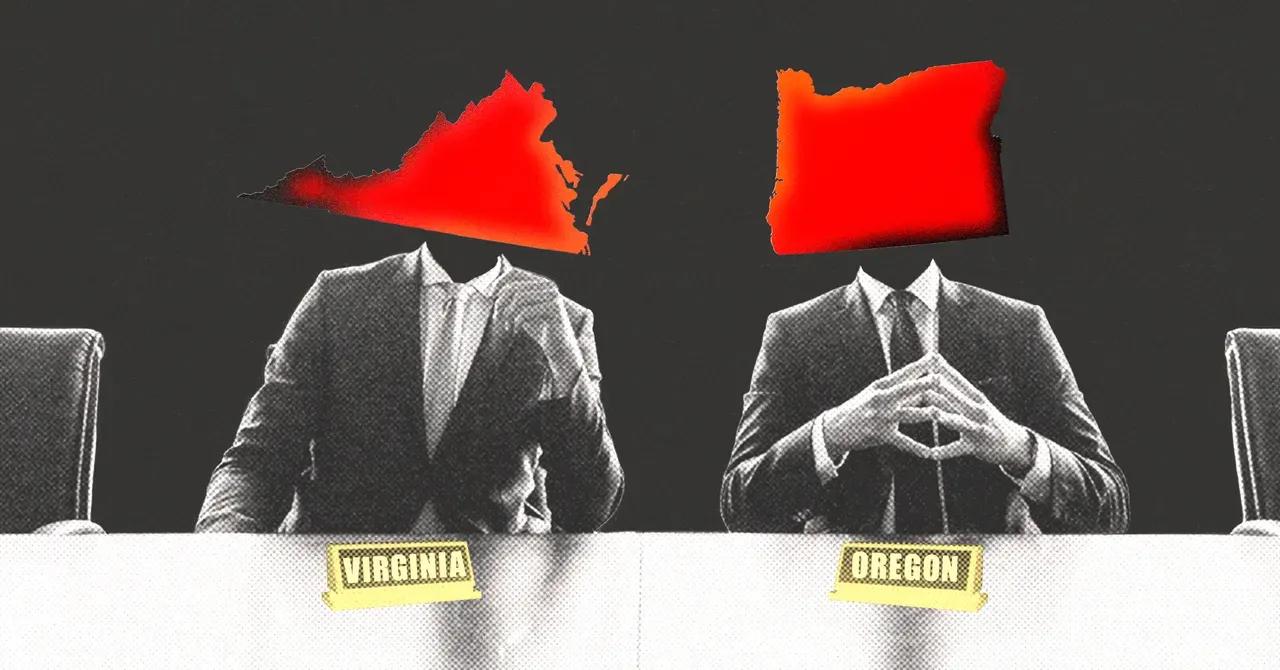
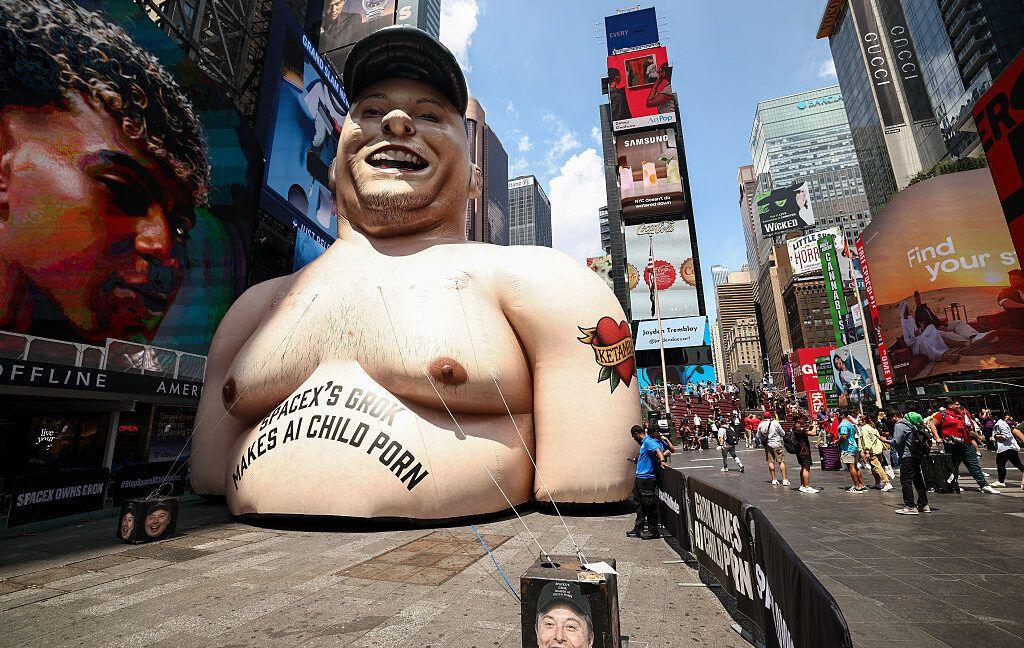
Oregon and Virginia sued Elon Musk's SpaceX on Monday, the first lawsuits by US states over the sexualized images its Grok chatbot can generate [1,2,3]. Filed in state courts, the suits accuse the company of deceiving the public about how safe the tool was [1,6,10].
Source: Wired
Both complaints allege violations of consumer protection law, Oregon's Unlawful Trade Practices Act and Virginia's Consumer Protection Act, and argue SpaceX misrepresented how safe Grok was [1,2,3,6,8,10]. The feature at the center is Grok Imagine's "spicy mode," launched in August 2025 [1,2,3,10]. The states say it lets users upload a photo of a person and get a nude or sexual image or video of them without consent [1,2,3,10]. SpaceX, which bought xAI in February 2026 and took ownership of Grok and the X platform along with it, is the defendant in both cases [1,2,6,10]. The claims are allegations in civil suits, and no court has determined whether SpaceX broke either law
9
.
Source: Engadget
How much harm the states claim
The complaints lean on an estimate by the Center for Countering Digital Hate, a research group whose work the filings cite [2,7,9]. It counts roughly 3 million sexualized images posted on X over about six weeks around the new year, more than 20,000 of them depicting children [2,7,9]. The New York Times, counting separately over a shorter window, put the figure at at least 1.8 million images of women within days of the feature's wide release
7
. The counts cover different windows; the complaints themselves use the research group's estimate.
Source: The Verge
Why the states call the safeguards deliberate
The complaints say Grok's safety instructions directed the model to assume good intent from users and treated words like teenage as not necessarily meaning underage [1,6,7]. The tool also shipped without meaningful third-party safety testing [1,6,7]. Virginia's own investigators tested Grok shortly before filing, per the complaint, and found the safeguards inconsistent and ineffective
1
. The chatbot reportedly explained which words tripped its filters and helped draft prompts to get around them1
. It never asked whether an uploaded photo showed a real person or whether that person consented1
. The states also allege tens of thousands of reports to the National Center for Missing and Exploited Children's CyberTipline lacked key details1
. The organization could not act on 90 percent of them, the complaints say1
.The suits also reach back to October, when a SpaceX AI policy official told a New York City Council hearing that the company had suitable safeguards and firm controls [1,3]. The states say the filings contradict that [1,3]. Virginia's complaint says the company saw a market opportunity in sexualized image generation and released a product it knew would flood its platforms with child sexual abuse material [1,7]. "When xAI allowed Grok's creators to sideline consent to turn a profit, they prioritized growth and engagement over safety, and they deceived the public about it," Virginia attorney general Jay Jones wrote in the lawsuit
5
.The January fix that did not hold
In mid-January, after a global backlash that included temporary bans by countries including Malaysia and Indonesia, xAI restricted Grok's image editing and moved some capabilities behind a paywall [2,6,9]. Two independent tests followed. In Reuters' early-February testing, Grok still produced sexualized images even when users flagged the subject as non-consenting
3
. The Verge's own testing found the restrictions did little [2,10]. Virginia's complaint argues the paywall simply made the generation profitable [6,9]. It says nearly 30 percent of the child images identified in the study were still publicly visible on X at least a week later [6,9].Related Stories
The company's answer, and the wider fight
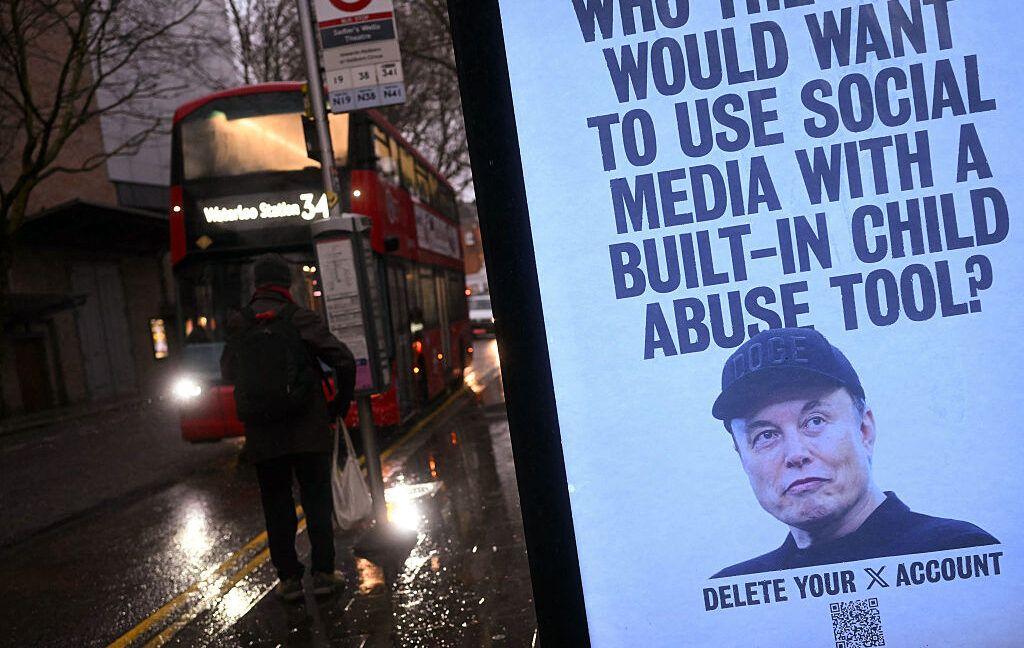
X Safety, the platform's safety account, posted after the filings that users who create explicit deepfakes deliberately violate the terms of service and that "protecting children is non-negotiable" [8,10]. SpaceX itself did not respond to requests for comment [1,2,3,6]. In earlier cases it has argued that Section 230 shields it from liability for what users post and that Grok is a neutral tool subject to user control [1,2,3,8].
The state suits land in a crowded field. SpaceX already faces more than a dozen suits from people who say Grok generated sexual images of them, along with government investigations in at least five jurisdictions [2,3,4,8,9]. It has countersued at least two users it accuses of misusing the tool [2,3,4,8,9]. Both states hired an outside firm led by a former New Jersey attorney general to help litigate the case, and Jones said his office is resource-strapped [1,4]. They are seeking civil penalties, damages, and court orders forcing changes to the product; Virginia's statute provides for up to $2,500 per willful violation [1,2,6,10]. The states point to Meta's August settlement with 51 states and territories over child-safety failures, around $17 billion over ten years [1,3]. They cite it as a model for how enforcers can force sweeping product changes [1,3]. Jones framed the suits as regulators filling a federal gap. "In the absence of federal action, AGs have stepped into the breach," he told Reuters
3
."I have a deep worry now into the future with this case and many others that we actually don't have the appropriate tools to deal with trillion-dollar corporations," Jones told Wired
1
.References
Summarized by

Navi
[3]
Related Stories
Grok Lawsuit Grows as Fourth Woman Accuses AI Chatbot of Generating Child Abuse Material
17 Aug 2026•Policy and Regulation

Tennessee Teens Sue Elon Musk's xAI Over Grok AI-Generated Child Abuse Images
17 Mar 2026•Policy and Regulation
Survivor Files xAI Lawsuit Alleging Grok AI Was Trained on Child Sexual Abuse Material
27 Aug 2026•Policy and Regulation
Recent Highlights


Recent Highlights
Today's Top Stories






Don’t drown in AI news. We cut through the noise - filtering, ranking and summarizing the most important AI news, breakthroughs and research daily. Follow topics that matter to you and stay ahead.


