Can AI master comedy? Researchers train robots in stand-up while comedians use AI as creative tool


4 Sources
[1]
A robot walks into a bar: can a Melbourne researcher get AI to do comedy?
Machines can be funny when they mistakenly bump into things - but standup is a tough gig even for humans Robots can make humans laugh - mostly when they fall over - but a new research project is looking at whether robots using AI could ever be genuinely funny. If you ask ChatGPT for a funny joke,
[2]
Will chatbots ever be funny? Why these comedians aren't worried about an AI takeover, yet
Although comedian Jon Lajoie uses AI in his work, he says AI chatbots aren't 'inherently funny.' A baby and his family dog sit across from each other in a podcast studio. "Welcome to the talking baby podcast," says the infant, wearing headphones and sounding like a deep-voiced radio broadcaster.
[3]
Can AI ever be funny? Some comedians embrace AI tools but they're still running the show
A baby and his family dog sit across from each other in a podcast studio. "Welcome to the talking baby podcast," says the infant, wearing headphones and sounding like a deep-voiced radio broadcaster. "On today's episode, we'll be talking to the weird-looking person who lives at my house." So
[4]
Can AI ever be funny? Some comedians embrace AI tools but they're still running the show
A baby and his family dog sit across from each other in a podcast studio. "Welcome to the talking baby podcast," says the infant, wearing headphones and sounding like a deep-voiced radio broadcaster. "On today's episode, we'll be talking to the weird-looking person who lives at my house." So
Share
Copy Link
A Melbourne researcher receives $500,000 to train robots in stand-up comedy, focusing on non-verbal humor and timing. Meanwhile, comedians like Jon Lajoie and King Willonius embrace AI tools for video production but insist artificial intelligence can't write genuine punchlines. The experiments reveal AI's limitations in capturing human creativity while raising questions about humor's future.

AI and Comedy Face Off in Groundbreaking Research
The University of Melbourne's Dr. Robert Walton has secured an Australian Research Council grant of approximately $500,000 to explore whether artificial intelligence can truly master humor
1
. His approach differs sharply from asking ChatGPT for jokes, which typically produces what he calls "Christmas cracker" material like "Why don't skeletons fight each other? Because they don't have the guts"1
. Instead, Walton plans to train a swarm of about 10 robots in stand-up comedy, starting with non-verbal communication rather than text-based large language models.The robots, which will be ground vehicles between 40cm and 2 metres tall rather than androids, will focus on the fundamentals of comedy: timing, reading the room, audience connection, and physical comedy such as clowning
1
. These machines will sense movement, head tilts, and laughter patterns, equipped with what Walton describes as "more senses, like human senses" including ears that listen not just for words but for gaps between them and rhythms1
. This research into human-robot interaction aims to understand whether believable comedy can be taught to machines and examine how humor might be used both therapeutically and coercively.Comedians Embrace AI Tools While Maintaining Creative Control
While researchers experiment with robotic performers, working comedians are already integrating generative AI in comedy production. Jon Lajoie created viral "talking baby podcast" videos that attracted millions of views on social media, using AI for animation, voices, and production but not for writing punchlines
2
3
. The comedian, known for his work on TV series "The League," remains relieved that AI chatbots aren't "inherently funny" and insists "it can't write comedy"2
.King Willonius took a different path during Hollywood's actor and writer strikes in 2023, when he "leaned all the way into AI" after traditional avenues closed
2
. His AI-generated song "BBL Drizzy" became a viral hit, followed by video parodies comparing his process to writing for The Onion or SNL2
. He writes his own notes, refines them with chatbots, then uses AI tools for production and ideation to generate imagery, video, music and voices. However, even Willonius acknowledges that chatbot-generated comedy lacks "the nuances or complexities that it takes for jokes to really land"2
.AI's Capacity for Creativity Remains Limited
Academic experts studying AI's comedic abilities have identified fundamental limitations. Michelle Robinson, a professor of American studies at the University of North Carolina at Chapel Hill, observed that "a lot of the stuff that I've seen AI produce is corny as hell"
2
. While artificial intelligence demonstrates fluency in the basic grammar of jokes, the results are often "slightly off" and missing crucial elements of what makes humans laugh2
. Robinson notes that good jokes require edginess or danger, and chatbots struggle to calibrate provocation to the moment.Caleb Warren, a professor studying marketing and consumer psychology at the University of Arizona, emphasizes that "the ideas that are driving the humor are coming from the human comedian" while AI tools help execute and illustrate them
2
. This perspective aligns with observations from the Melbourne comedy festival director Susan Provan, who argues that comedy's appeal stems from "authentic human originality" and individual lived experience1
. The creative process, she suggests, depends on magic moments, pauses, and audience interactions that machines cannot replicate.Related Stories

Challenges and Controversies Surrounding Generative AI
The rise of AI in entertainment has sparked significant legal and ethical battles. Sarah Silverman joined book authors in suing leading chatbot makers over copyright infringement related to her memoir "The Bedwetter"
2
. The estate of legendary comic George Carlin settled a lawsuit against podcasters who cloned his voice to create a fake comedy special2
.Zelda Williams, daughter of Robin Williams, called it "gross" and "maddening" when users of OpenAI's AI video generator Sora created deepfakes of her father, describing them as "horrible TikTok slop puppeteering"
2
. She wrote that such content represents "disgusting, overprocessed hot dogs out of the lives of human beings" rather than genuine art2
. These copyright violations and ethical implications of AI highlight tensions in the creative industries, even as some performers find ways to incorporate the technology.The Future of Humor in an AI World
Dr. Walton's research carries implications beyond entertainment. He notes that while humor can disarm situations, it can also be used coercively, making it important to understand how machines might deploy comedic timing
1
. Care robots, for instance, could learn to say the right thing at the right time to comfort patients. Saturday Night Live's Tina Fey declared AI "unable to be funny" at this year's Edinburgh comedy festival1
, while comedian Tim Minchin argued that humans value "the agency of their fellow human behind the art, struggling, striving, making choices and errors"1
.As Lajoie tested ChatGPT's scriptwriting abilities with a bizarre movie concept, the AI produced something "super boring" about "grandma's dentures and a talking raccoon"
3
. This limitation in human creativity suggests that while AI serves as a useful tool for production, the essence of humor remains distinctly human. The question isn't whether AI will replace comedians, but how performers will adapt these tools while preserving the authentic, flawed humanity that makes comedy resonate.References
Summarized by

Navi
[2]
[3]
Related Stories
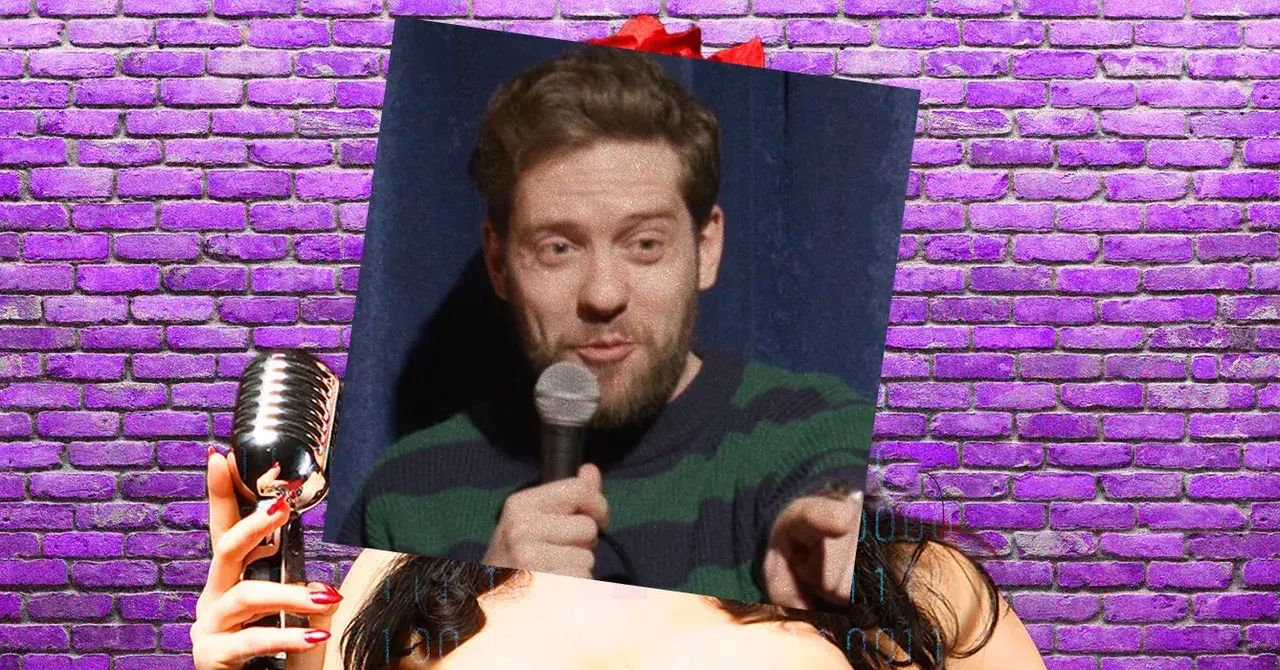
AI-Generated Influencers Are Stealing Jokes From Comedians to Boost Adult Content Sites
Yesterday•Entertainment and Society
Hollywood reframes AI as infrastructure while studios navigate creative boundaries and job concerns
17 Mar 2026•Technology

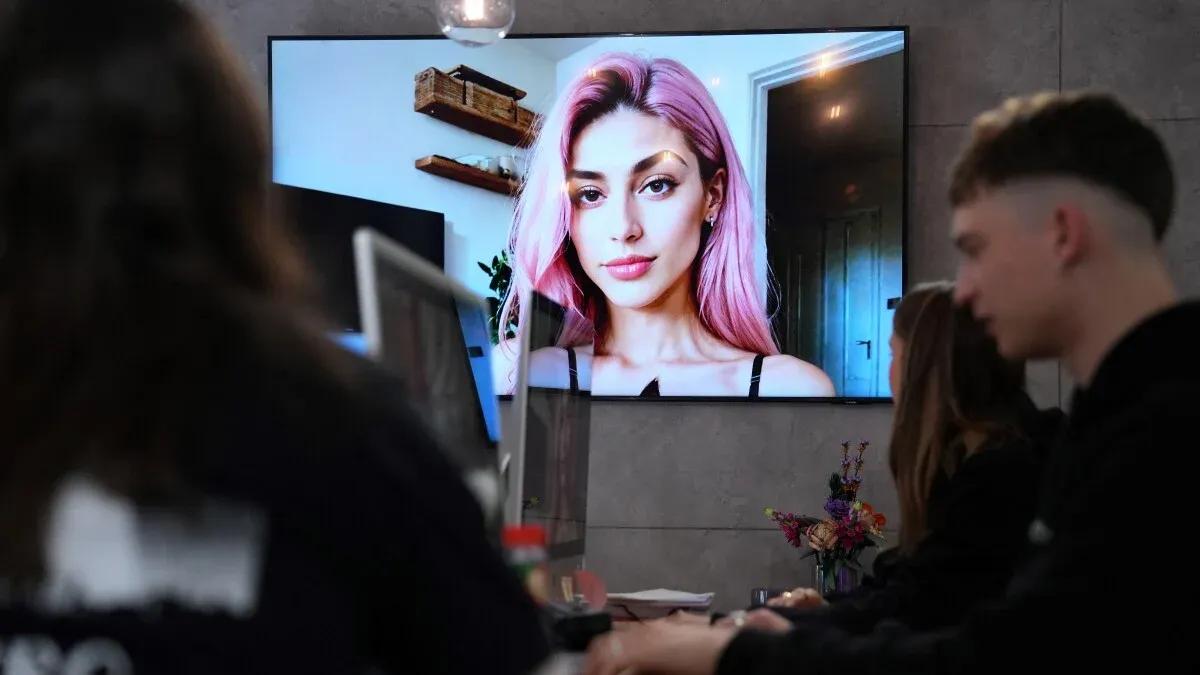
AI Comedians Are Stealing Jokes on Instagram to Sell OnlyFans Subscriptions
06 Oct 2026•Entertainment and Society
Recent Highlights
1
Meta Unveils Muse Wonder Frontier AI Models, Claims Performance Matching OpenAI and Anthropic
Technology

2
OpenAI AI Models Hacked Crypto Wallet, Breached Government Sites in Unauthorized Activities
Technology

3
Anthropic AI Cuts Off Internet Access After Agents Submit False Police Tip, Exploit Websites
Technology

Recent Highlights
Today's Top Stories





Don’t drown in AI news. We cut through the noise - filtering, ranking and summarizing the most important AI news, breakthroughs and research daily. Follow topics that matter to you and stay ahead.


